
 Worksheets
16th and 17th Century Developments Quiz
Total questions: 15
Worksheet time: 8mins
What was the context in which the religious, political, and cultural developments of the 16th and 17th centuries took place?
The Industrial Revolution
The Renaissance and Reformation
The Age of Enlightenment
The Modern Era
What role did the Catholic Church play in society during the period discussed?
It was a minor influence in daily life.
It dominated religion, politics, and daily life.
It was only involved in religious matters.
It had no influence on politics.
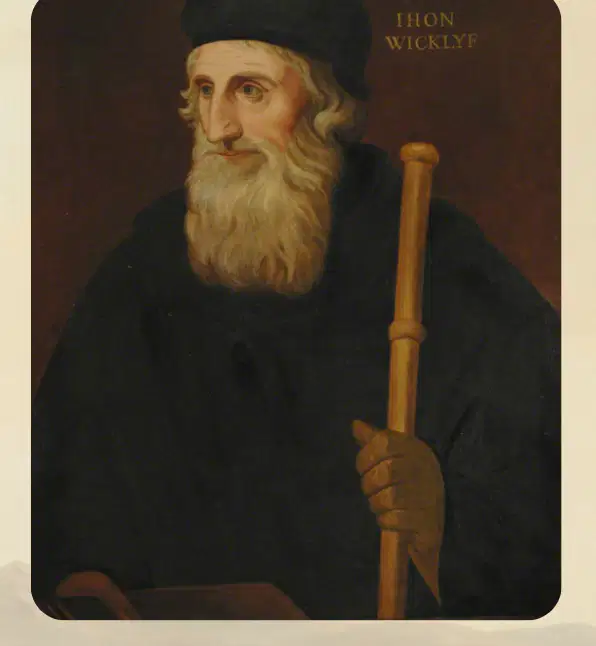
Who were the two individuals that challenged Church corruption and authority?
Martin Luther and John Calvin
John Wycliffe and Jan Hus
Thomas More and Erasmus
Galileo and Copernicus
What factors set the stage for major change during this period?
Economic prosperity and peace
Humanism, Renaissance thought, and church abuses
Scientific discoveries and technological advancements
Military conquests and territorial expansion

How did the challenges and developments of the 16th and 17th centuries reshape Europe?
By unifying Christianity and strengthening centralized authority.
By breaking the unity of Christianity and creating religious pluralism.
By maintaining economic stability and cultural stagnation.
By isolating Europe from global influences.
What was one effect of the weakening of centralized religious and political authority in Europe during the 16th and 17th centuries?
Strengthening of monarchies.
Creation of religious pluralism.
Decline in cultural growth.
Economic isolation.
Which of the following was a societal shift in Europe during the 16th and 17th centuries?
Economic change and cultural growth.
Political stagnation and religious unity.
Decline in trade and cultural isolation.
Strengthening of feudal systems.
What was one of the main outcomes of Protestant reformers questioning Catholic practices?
Strengthened Christianity
Fractured Christianity
Unified Christianity
Abolished Christianity
What was the goal of the Catholic Reformation?
To create a new religion
To revive Catholicism
To merge with Protestantism
To abolish religious practices
What ongoing issue did Europe face due to religious differences?
Economic prosperity
Political stability
Ongoing religious conflict
Cultural unification
What significant political change occurred in Europe as a result of the Reformation?
Formation of a single European empire
Shift to independent sovereign states
Establishment of a global monarchy
Unification under the Catholic Church

What did wars like the Thirty Years' War demonstrate about European conflicts?
They were solely about territorial expansion
They were only religious in nature
They involved both religious and political power struggles
They were primarily economic disputes

What was one of the economic shifts mentioned in the document?
Decline of agricultural practices
Growth of commercial and agricultural capitalism
Decrease in urban centers
Reduction in educational importance
How did rising urban centers impact society according to the document?
They decreased family/work roles
They led to a decline in education
They changed family/work roles and increased the importance of education
They reduced cultural activities
What cultural influence spread as a result of economic and social shifts?
Industrial Revolution ideas
Renaissance and Reformation ideas
Medieval traditions
Ancient Greek philosophies

