
 Worksheets
BSC 1005 Chapter 13
Total questions: 18
Worksheet time: 11mins
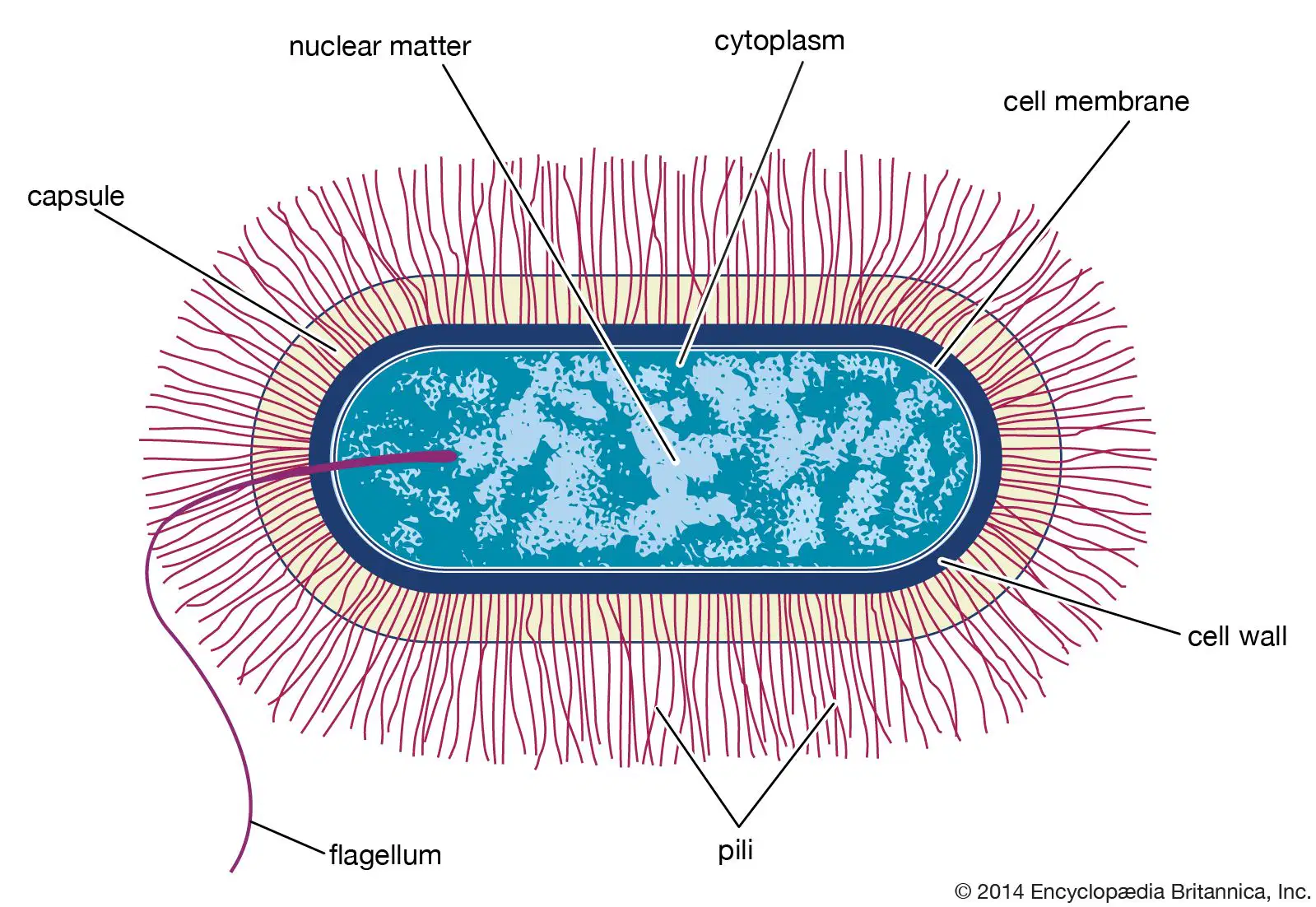
Are bacteria prokaryotes or eukaryotes?
Prokaryotes
Eukaryotes
What are the three most common shapes of bacteria?
Cocci
Cuboid
Spirals
Bacilli
vibrio
What is symbiosis?
An ecological relationship in which a large host and a smaller symbiont live in close contact
e
ee
eee
What are the three major ways symbiosis occurs?
Mutualism
Commensalism
symbiontism
Parasitism
What is the difference between commensalism and mutualism?
Mutualism involves one organism benefitting, commensalism involves both benefitting
Mutualism involves both organisms benefitting, commensalism involves one benefitting
Commensalism involves one organism being harmed, mutualism does not
Mutualism and commensalism are the same
True or false: bacteria can be parasites
True
False
What is parasitism? (Select all that apply)
A symbiotic relationship where one organism (a parasite) kills its host
A symbiotic relationship where one organism (a parasite) harms but does not kill its host
A symbiotic relationship where one organism is harmed and the other benefits
A symbiotic relationship where both organisms are harmed
What is a pathogen? (Select all that apply)
A type of parasite
An organism that causes diseases in its host
A type of organism in a mutualistic relationship
An organism that benefits its host
True or False: All bacteria have negative impacts on humans
True
False
Bacteria can interact with humans by (Select all that apply):
Breaking down undigested food in our intestines
Being used to ferment foods such as cheese
Causing infections and diseases
Simply living on our skin
True or False: Bacilli have a spherical shape
True
False
What are the layers of bacteria? (Select all of them)
Cell membrane
Cell wall
Capsule
Flagella
What is the function of the flagella?
To aid in cell movement
To aid in cell adhesion
Producing ATP
Storing DNA
What can antibiotics be used to treat?
Viral infections
Fungal infections
Protist infections
Bacterial infections
The flu
True or False: There are broad and narrow antibiotics
True
False
Why is it important to finish your prescribed amount of antibiotics even if you feel better before they're all taken?
To prevent contributing to antibiotic resistance
To encourage more bacterial infections
To waste antibiotics
To savor the taste
True or False: Broad spectrum antibiotics may cause a secondary bacterial infection
True
False
Where is the DNA stored in a bacteria?
The flagella
The nucleoid region
The nuclear envelope
The cell membrane

