
 Worksheets
2.01 Exam Review
Total questions: 92
Worksheet time: 46mins
Fill in the blank: ________ are bone forming cells (immature).
Osteoblasts
Osteoclasts
Chondrocytes
Fibroblasts
Fill in the blank: ________ absorbs bone tissue during growth/healing.
Osteoclast
Osteoblast
Chondrocyte
Fibroblast
Fill in the blank: ________ are mature bone cells.
Osteocytes
Osteoblasts
Chondrocytes
Fibroblasts
Fill in the blank: ________ is the hardening of the bone.
Ossification
Calcification
Osteoporosis
Cartilage
Fill in the blank: ________ is the space between bones of the skull from birth to 1 year of age.
Fontanel
Suture
Cartilage
Ligament
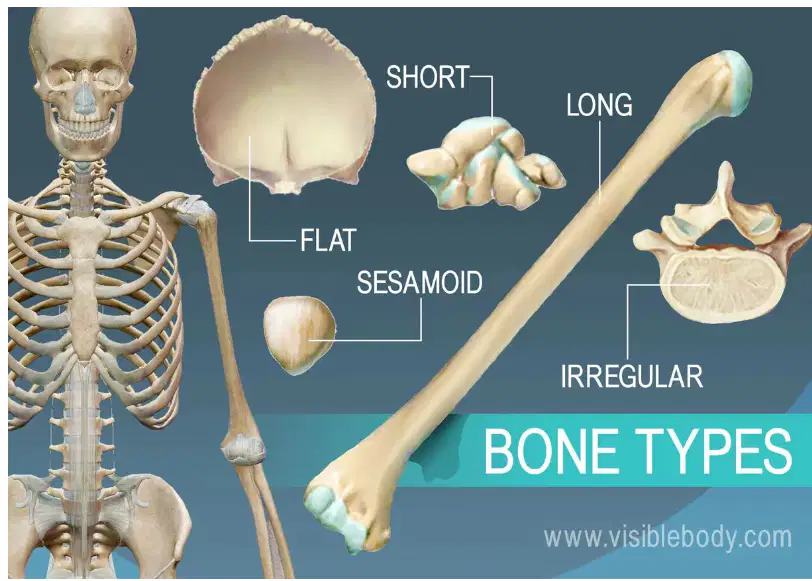
Flat bones protect ________.
internal organs
muscles
skin
joints
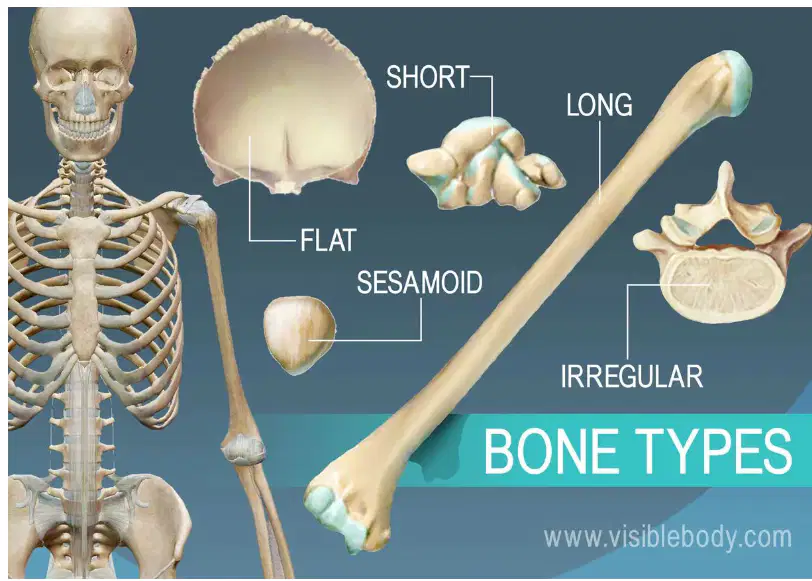
Irregular bones protect ________.
internal organs
muscles
cartilage
skin
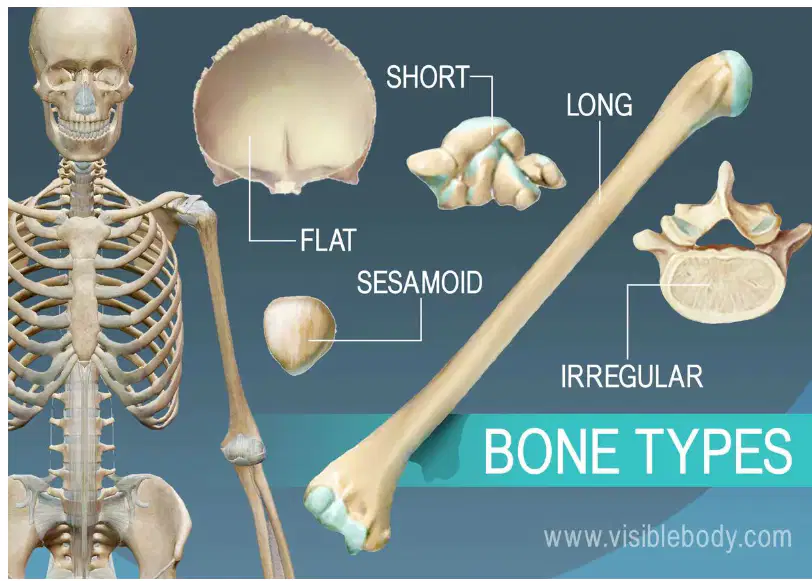
Long bones support weight and facilitate ________.
movement
digestion
respiration
hearing

Short bones provide ________.
stability
flexibility
protection
movement
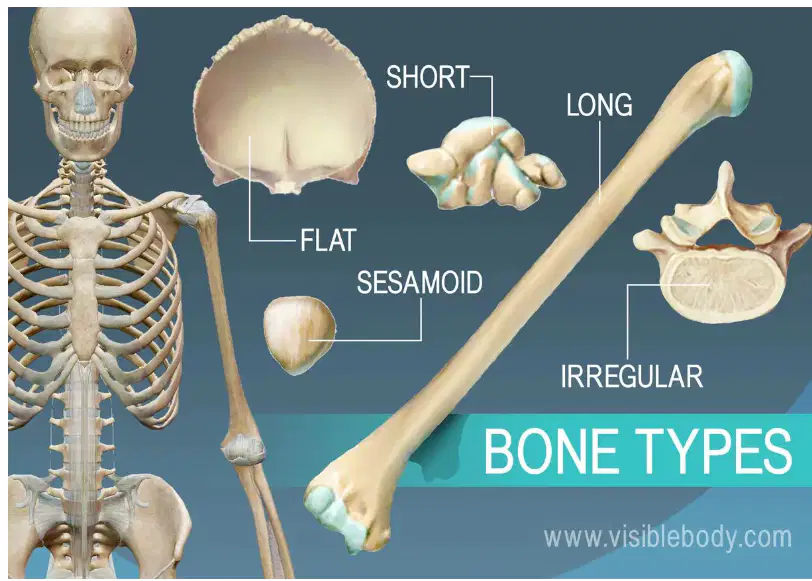
Sesamoid bones are embedded in ________.
tendons
ligaments
cartilage
muscles
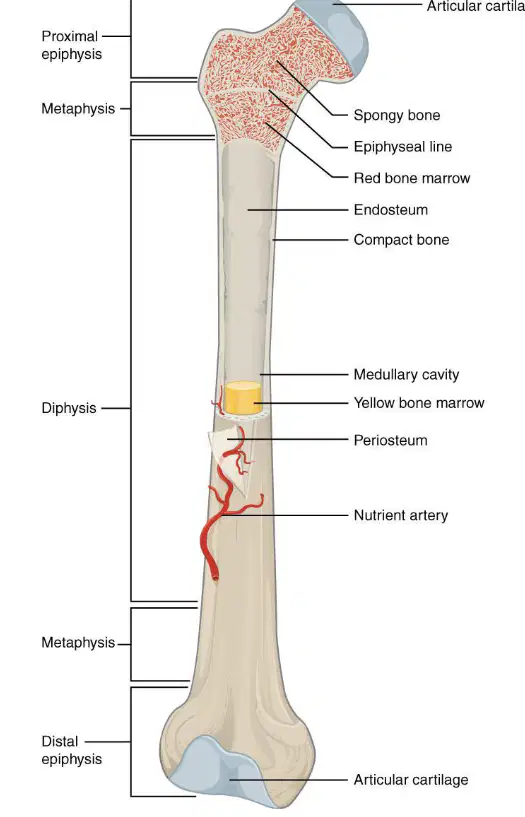
What is the shaft or central part of a long bone called?
Diaphysis
Epiphysis
Metaphysis
Periosteum
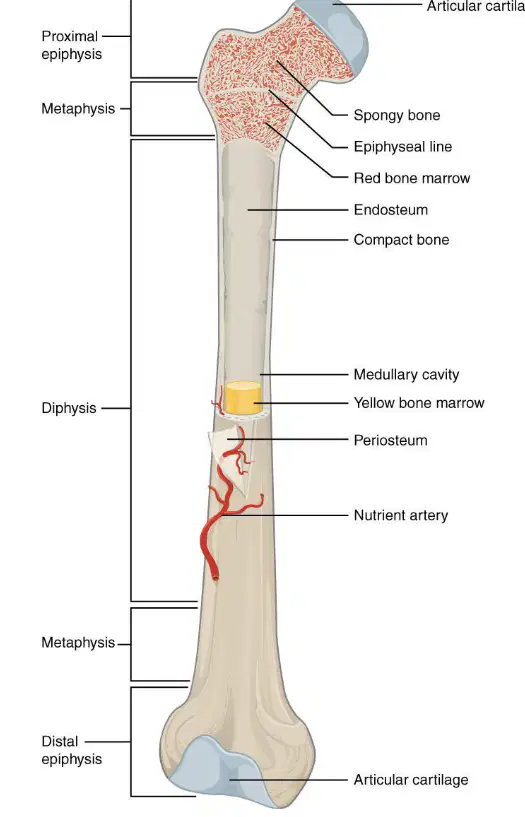
What is the end part of a long bone called?
Epiphysis
Diaphysis
Metaphysis
Periosteum

What is the name of the cavity within the shaft of a long bone that contains bone marrow?
Medullary Canal (or Medullary Cavity)
Epiphyseal Plate
Periosteum
Articular Cartilage
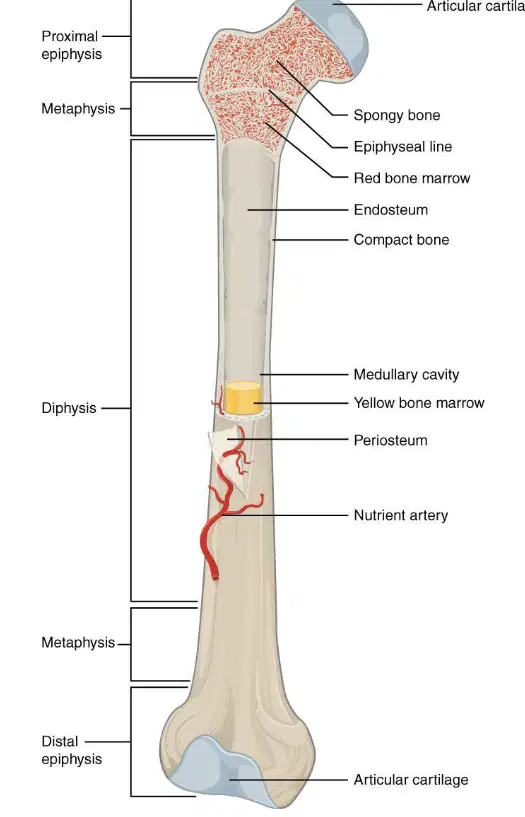
What is the thin vascular membrane lining the inner surface of the bony tissue called?
Endosteum
Periosteum
Epimysium
Perimysium
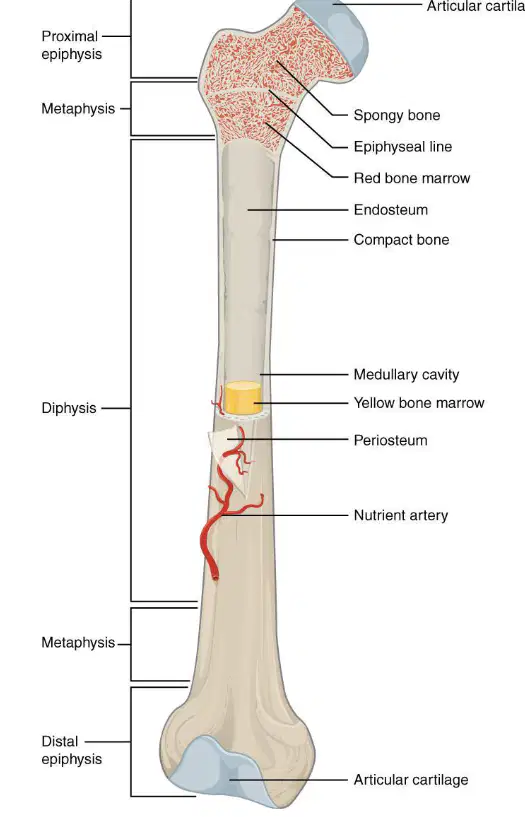
What is the dense layer of vascular connective tissue enveloping the bones except at the surfaces of the joints called?
Periosteum
Endosteum
Epimysium
Perimysium
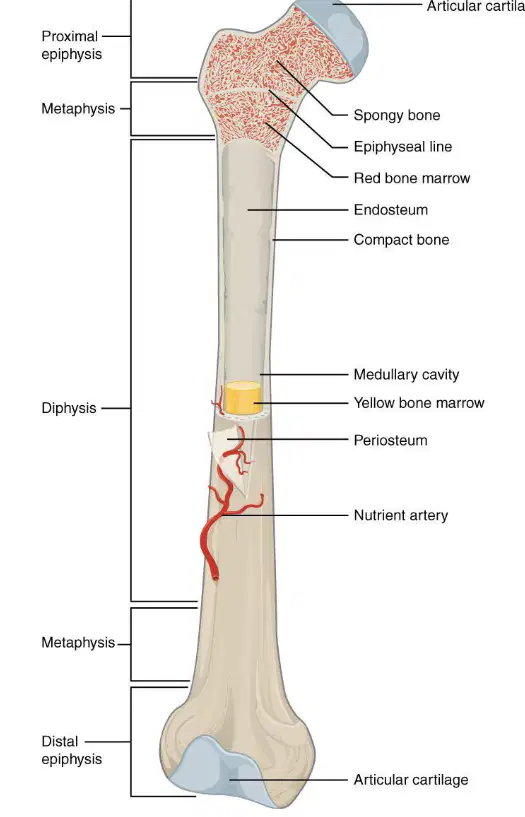
What is the smooth, white tissue that covers the ends of bones where they come together to form joints called?
Articular Cartilage
Ligament
Tendon
Synovial Membrane
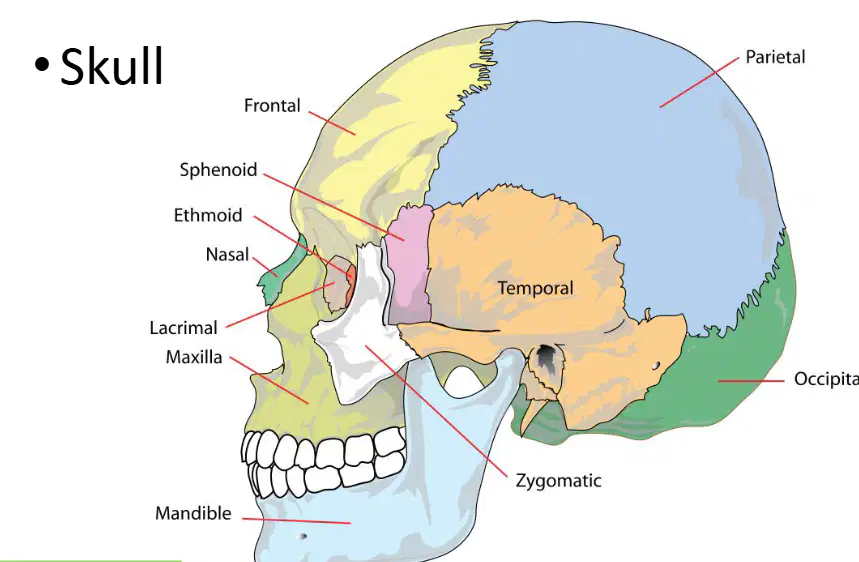
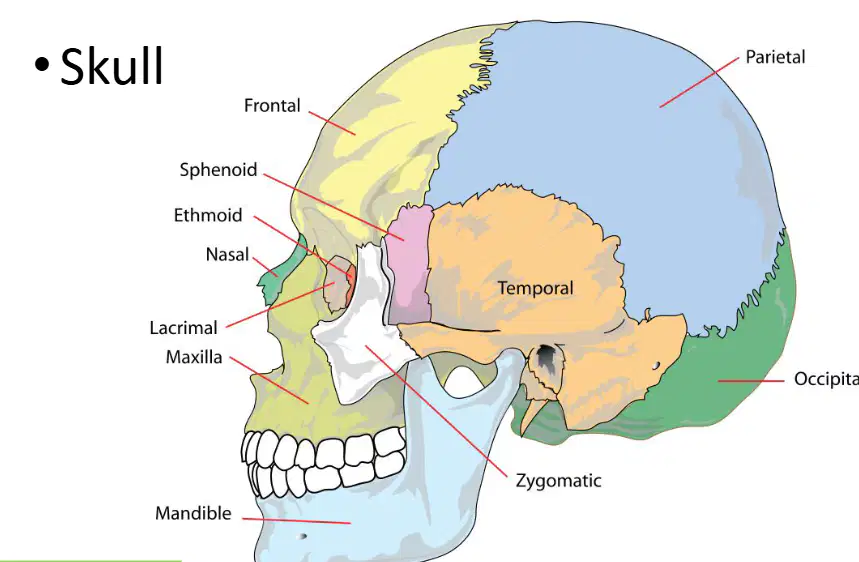
What is the name of the bone labeled at the front of the skull?
Frontal bone
Parietal bone
Occipital bone
Temporal bone
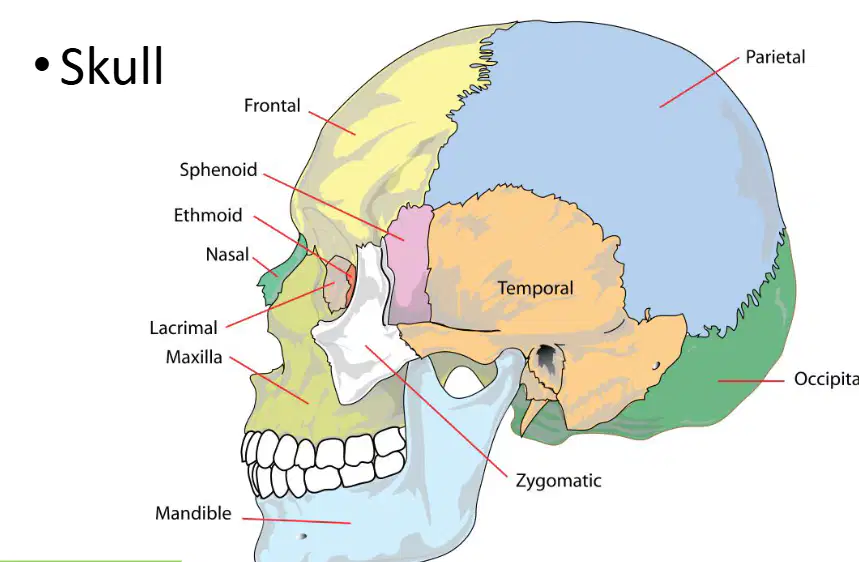
Which bone is located at the side of the skull and is colored orange in the diagram?
Temporal bone
Frontal bone
Occipital bone
Parietal bone
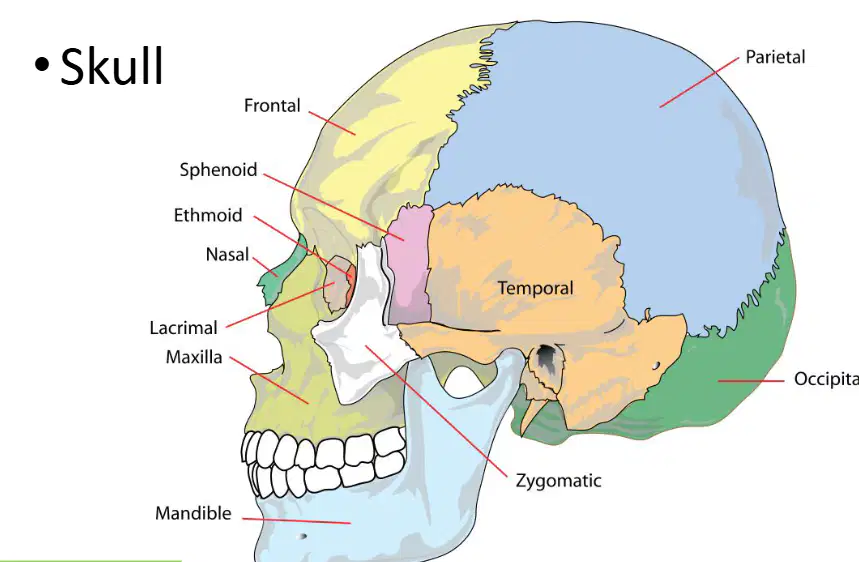
Name the bone that forms the lower jaw.
Mandible
Clavicle
Femur
Scapula
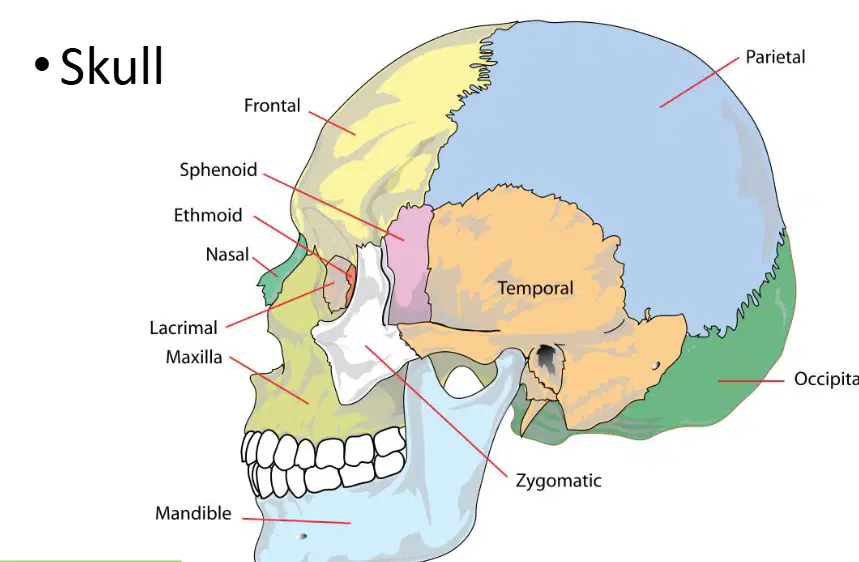
Which bone is located at the back and lower part of the skull, as labeled in the diagram?
Occipital bone
Frontal bone
Parietal bone
Temporal bone
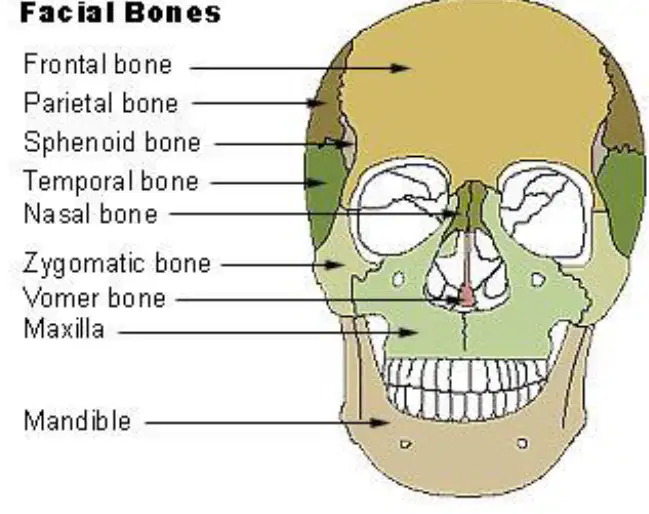
What is the name of the bone that forms the upper jaw, as labeled in the diagram?
Maxilla
Mandible
Zygomatic bone
Frontal bone
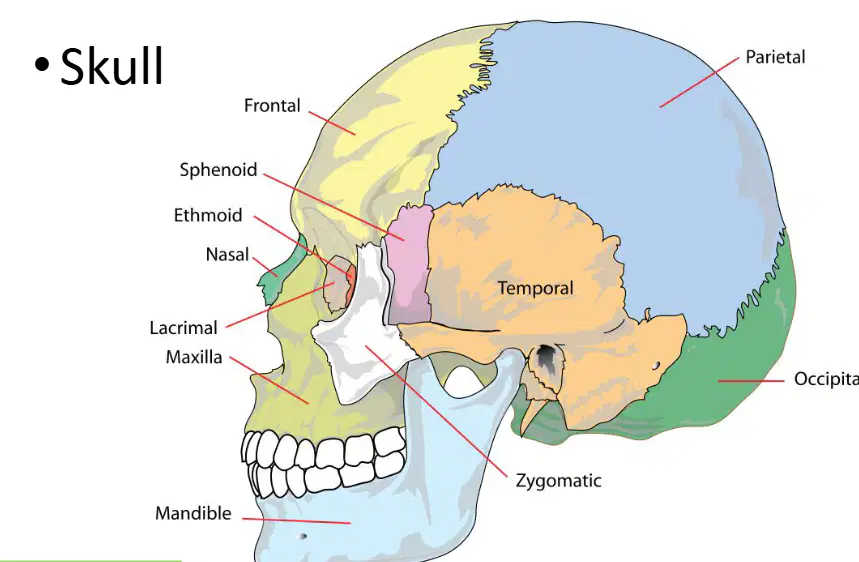
Which bone is labeled and located between the eyes in the diagram?
Ethmoid bone
Temporal bone
Mandible
Occipital bone
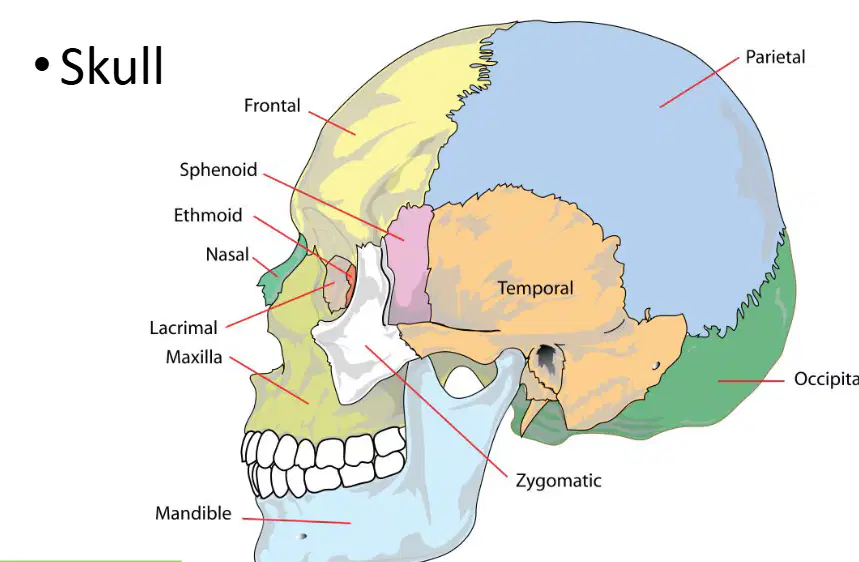
Which bone is labeled and forms the cheek, as shown in the diagram?
Zygomatic bone
Mandible
Frontal bone
Maxilla
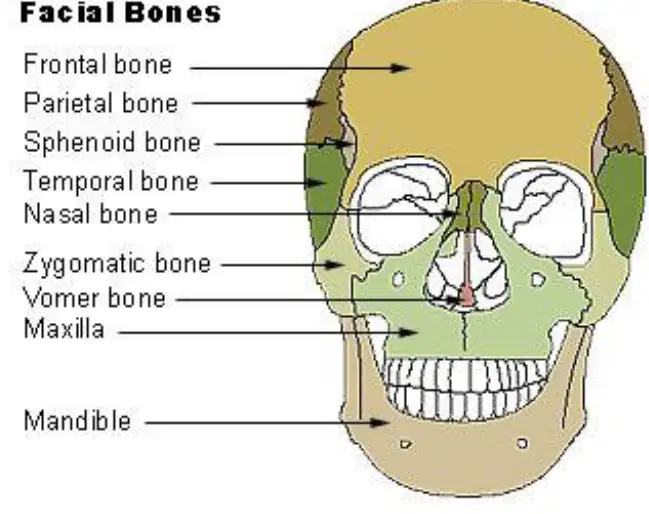
Which bone is labeled and forms the bridge of the nose in the diagram?
Nasal bone
Zygomatic bone
Mandible
Maxilla
Which bone is labeled and forms part of the side and roof of the skull in the diagram?
Parietal bone
Mandible
Occipital bone
Zygomatic bone
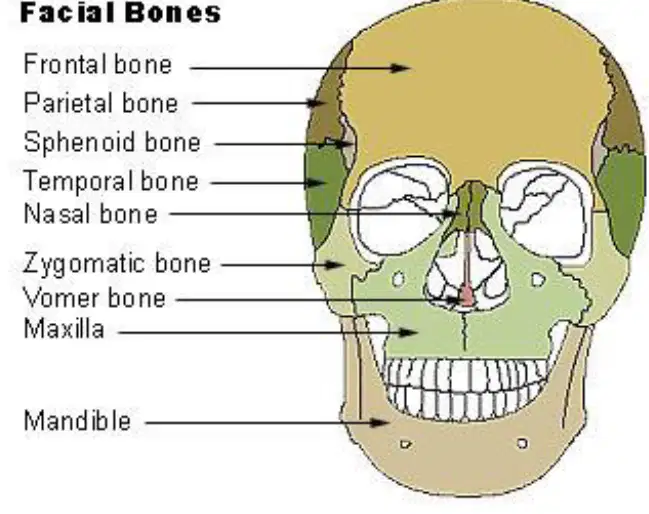
Which bone is labeled and forms part of the eye socket and side of the skull in the diagram?
Sphenoid bone
Temporal bone
Zygomatic bone
Maxilla
Which of the following are components of the axial skeleton?
Spinal Column
Ribs and Sternum
Pelvis
Both A and B
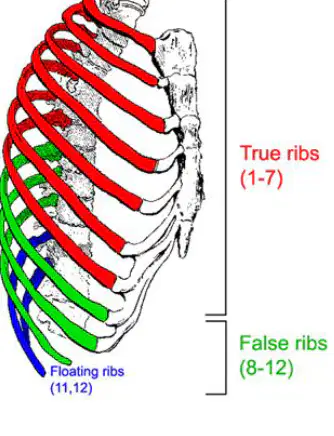
The true ribs are numbered:
1-7
8-10
11-12
1-12
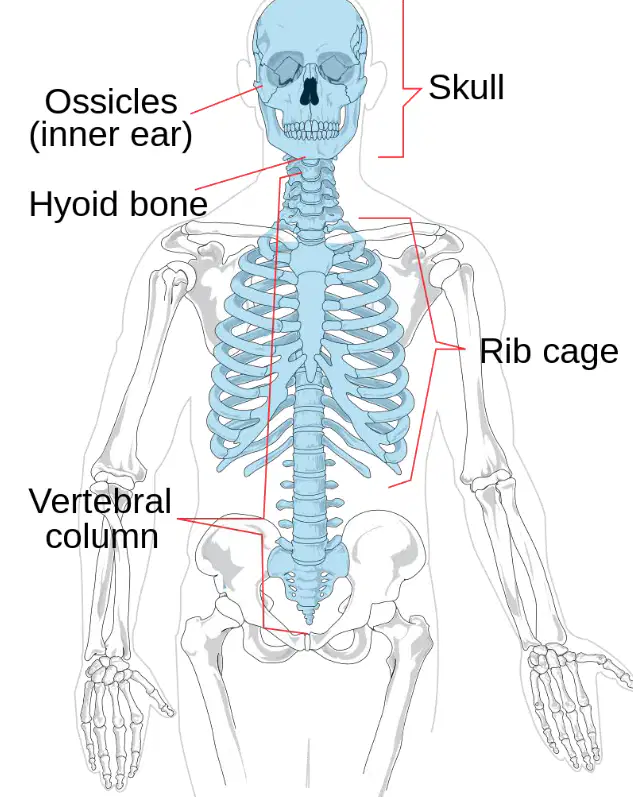
Fill in the blank: The vertebral column is part of the ________ skeleton.
axial
appendicular
cranial
pelvic

Which bone is NOT part of the axial skeleton?
Hyoid bone
Femur
Skull
Vertebral column
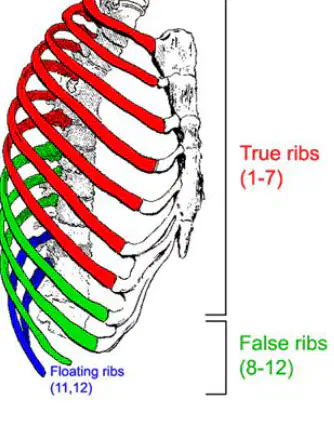
Fill in the blank: The floating ribs are numbered ________.
11, 12
7, 8
9, 10
1, 2
How many cervical vertebrae are there in the spinal column?
7
5
9
12
How many thoracic vertebrae are there in the spinal column?
12
10
7
15
How many lumbar vertebrae are there in the spinal column?
5
7
12
4
How many bones are fused together in the sacrum?
5
3
7
4
How many bones are fused together in the coccyx?
4
3
5
6
Identify the bone labeled as 'Clavicle' in the appendicular skeleton diagram.
Clavicle
Femur
Scapula
Humerus
Which bone is part of the shoulder girdle?
Humerus
Clavicle
Ulna
Metacarpals
Fill in the blank: The bone that connects the arm to the body at the shoulder is called the ________.
Scapula
Femur
Tibia
Clavicle
Which of the following bones are found in the hand?
Carpals
Metacarpals
Phalanges
All of the above
Fill in the blank: The bone located on the thumb side of the forearm is the ________.
Radius
Ulna
Femur
Tibia
The ulna is located on the same side of the forearm as the little finger.
True
False
Which bone is NOT part of the appendicular skeleton?
Clavicle
Scapula
Femur
Metacarpals
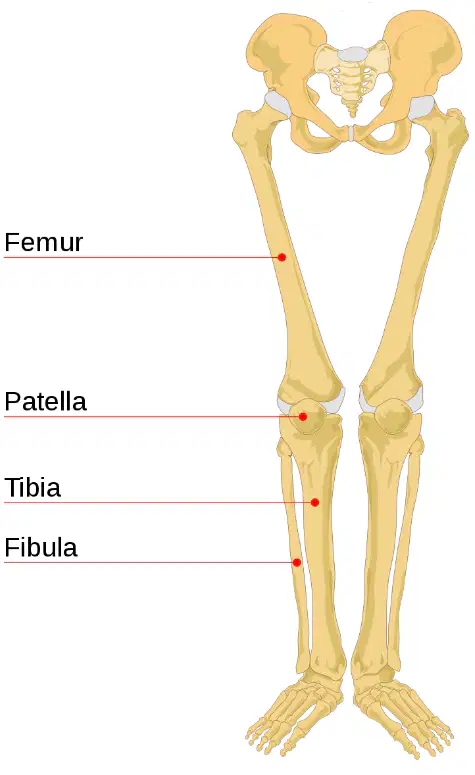
Which bone is part of the pelvic girdle?
Femur
Ilium
Tibia
Patella
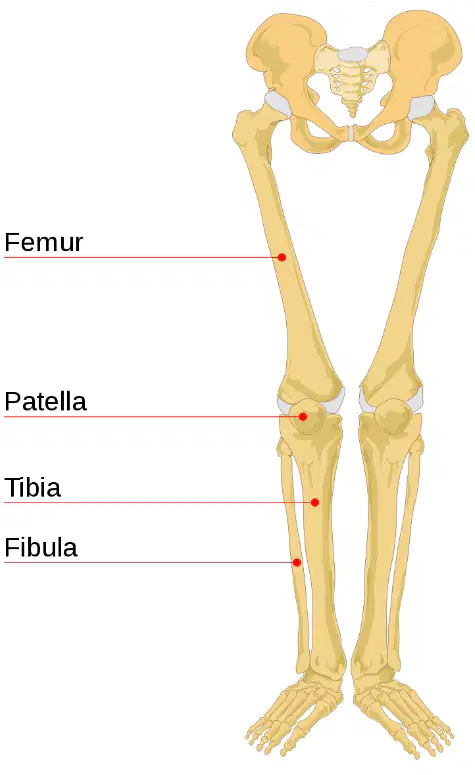
Which bone is labeled as the longest bone in the human body in the diagram?
Femur
Humerus
Tibia
Radius
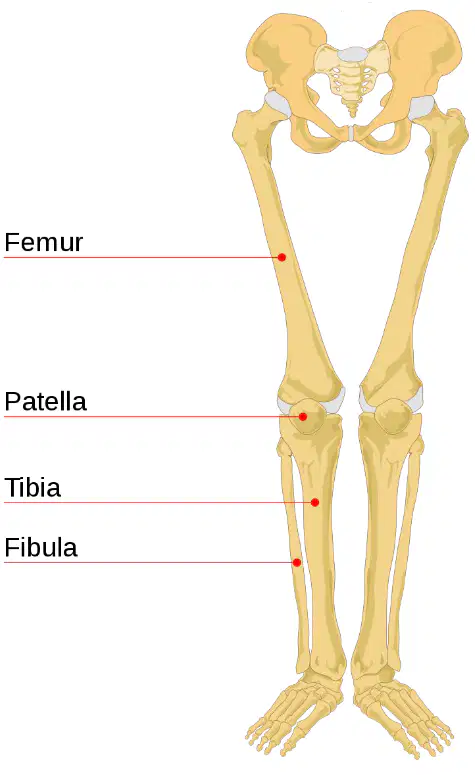
Name the bone that forms the kneecap as shown in the diagram.
Patella
Femur
Tibia
Fibula
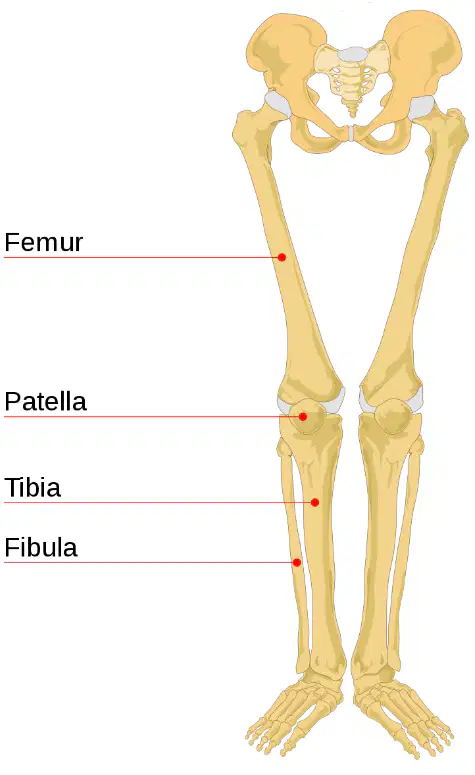
Which bone is located lateral to the tibia in the lower leg?
Femur
Patella
Fibula
Calcaneus
Which of the following bones is found in the foot?
A) Tarsals
B) Ilium
C) Patella
D) Femur
The ________ are the bones that make up the toes.
Phalanges
Metatarsals
Carpals
Tarsals
The ________ is the heel bone.
Calcaneus
Femur
Tibia
Patella
Which bone is NOT part of the lower limb?
Ischium
Tibia
Fibula
Metatarsals
The ________ is one of the three bones that make up the pelvic girdle.
Ischium
Femur
Tibia
Humerus
The ________ is the bone that connects the pelvic girdle to the lower limb.
Femur
Humerus
Tibia
Radius
Which type of joint allows the most movement and is found in the hip and shoulder?
Hinge
Ball and socket
Pivot
Gliding
Which type of joint can only move in one direction and is found in the knee and elbow?
Hinge
Ball and socket
Pivot
Gliding
Which type of joint allows rotation and is found in the wrist and ankle?
Hinge
Ball and socket
Pivot
Gliding
Which type of joint allows the joint to glide over one another and is found in the vertebrae?
Hinge
Ball and socket
Pivot
Gliding
What is the name of the immovable joint found in the skull sutures?
Fixed
Hinge
Ball and socket
Pivot
What is the term for slightly moveable joints?
Amphiarthroses
Synarthroses
Diarthroses
Sutures
Fill in the blank: The process by which the skeletal system makes red blood cells is called _________.
Hemopoiesis
Ossification
Respiration
Digestion
Fill in the blank: The skeletal system stores minerals such as calcium and _________.
phosphorus
glucose
iron
potassium
Fill in the blank: The skeletal system allows for voluntary _________.
movement
digestion
respiration
circulation
Fill in the blank: The skeletal system provides protection for vital _________
organs
muscles
cells
enzymes
Fill in the blank: The skeletal system provides support for _________.
muscles
skin
lungs
blood
Fill in the blank: ________ is the inflammation of the joints.
Arthritis
Dermatitis
Nephritis
Gastritis
Fill in the blank: ________ is a disorder that occurs as a result of aging and wear and tear on the body.
Osteoarthritis
Asthma
Diabetes
Epilepsy
Fill in the blank: ________ is an autoimmune disorder affecting the joints.
Rheumatoid arthritis
Osteoporosis
Gout
Osteoarthritis
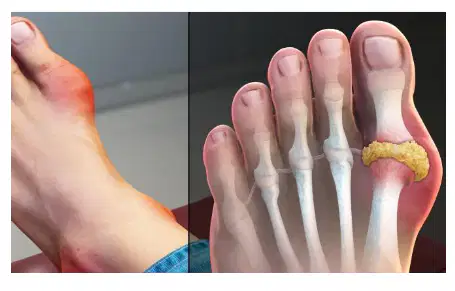
Fill in the blank: ________ is caused by crystallized uric acid build up, usually in the big toe.
Gout
Osteoporosis
Rheumatoid arthritis
Tendinitis
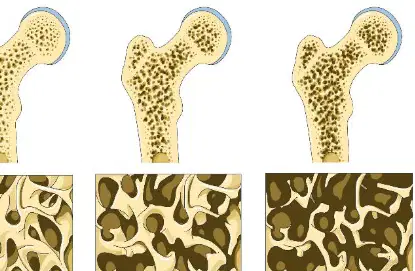
Fill in the blank: ________ is the softening of the bone, making it become porous.
Osteoporosis
Arthritis
Scoliosis
Tendonitis
Which spinal defect is also known as hunchback and involves the thoracic spine?
Kyphosis
Lordosis
Scoliosis
Which spinal defect is also known as swayback and involves the lumbar spine?
Kyphosis
Lordosis
Scoliosis
Which spinal defect is S shaped and involves both the thoracic and lumbar spine?
Kyphosis
Lordosis
Scoliosis
Fill in the blank: Kyphosis involves the _______ spine.
thoracic
cervical
lumbar
sacral
Fill in the blank: Lordosis involves the _______ spine.
lumbar
cervical
thoracic
sacral
Fill in the blank: Scoliosis involves the _______ and _______ spine.
thoracic and lumbar
cervical and sacral
coccygeal and cervical
sacral and coccygeal
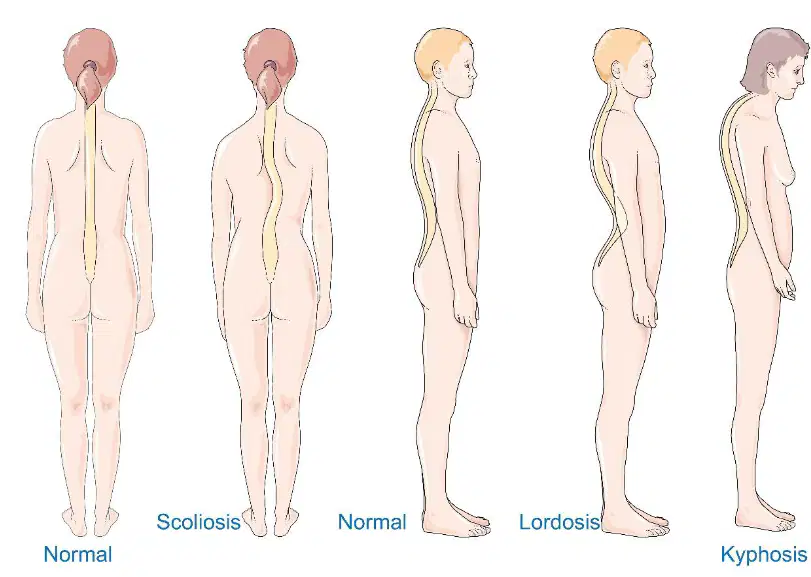
Refer to the diagram of vertebral column disorders. Which disorder is characterized by an exaggerated outward curve of the thoracic spine?
Scoliosis
Lordosis
Kyphosis
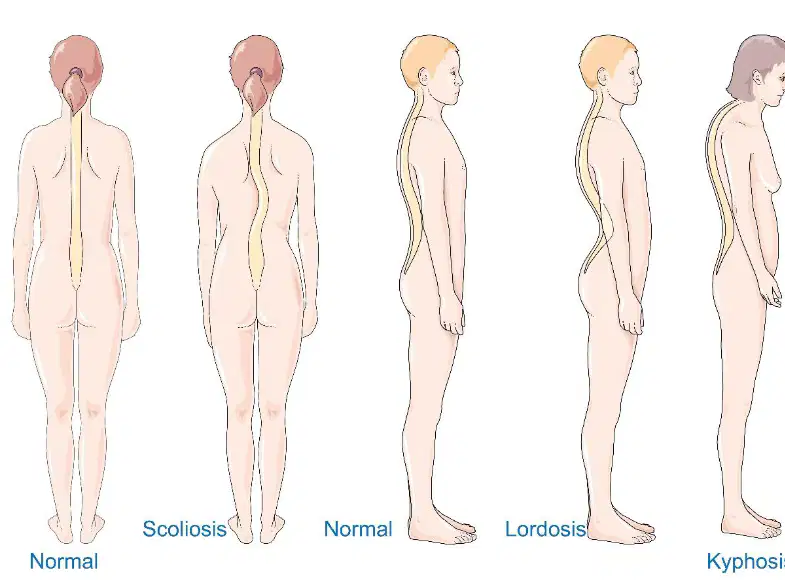
Refer to the diagram of vertebral column disorders. Which disorder is characterized by an S-shaped curve of the spine?
Scoliosis
Lordosis
Kyphosis
What is a Greenstick fracture?
Bone is completely broken
Bone is splintered
Bone is dislocated
Bone is bruised
Greenstick fractures are most common in which group?
Elderly
Small children
Teenagers
Adults
What is the recommended treatment for a Greenstick fracture?
Surgery
Cast or splint
Physical therapy only
No treatment needed
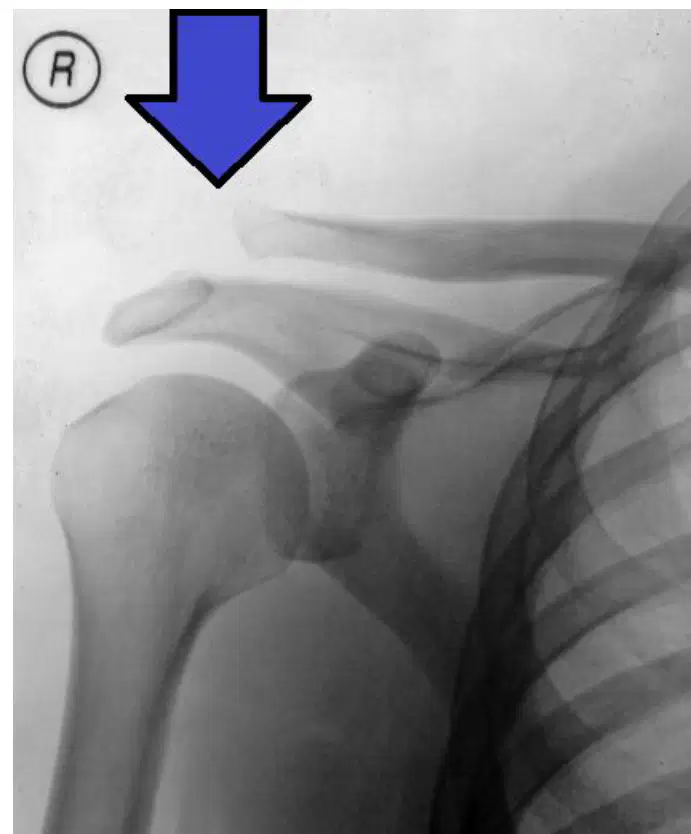
What type of fracture is indicated by the arrow?
Greenstick fracture
Comminuted fracture
Transverse fracture
Spiral fracture
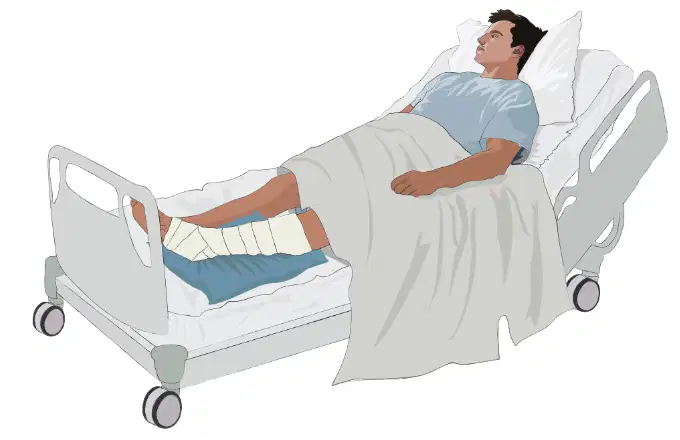
What is a simple fracture?
A bone is broken and the skin is intact. Treatment is with a cast or splint.
A bone is broken and the skin is not intact. Treatment is with surgery.
A bone is not broken but the skin is intact. Treatment is with rest.
A bone is not broken and the skin is not intact. Treatment is with medication.
What is a compound fracture?
A fracture where the bone is broken into three or more pieces
A fracture where the bone is twisted
A fracture where the broken bone is protruding through the skin
A fracture with a diagonal break
Fill in the blank: The most serious type of fracture is the _______ fracture.
compound
simple
greenstick
comminuted
A compound fracture can cause infection of the bone and neighboring tissue.
True
False
What is a comminuted fracture? A comminuted fracture is when the bone is _______ into many pieces.
splintered
bent
shortened
twisted
What is the typical treatment for a comminuted fracture? Fill in the blank: The treatment for a comminuted fracture is _______ to replace bone fragments.
surgery
physical therapy
casting
ice application
Treatment for a comminuted fracture may involve an external device to hold the fragments together.
True
False
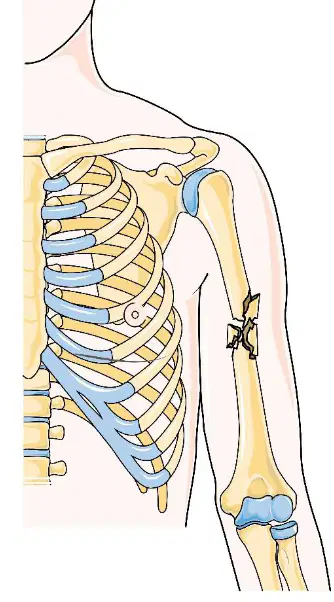
Look at the diagram of the skeleton with a fractured arm. What type of fracture is shown in the diagram?
Greenstick
Comminuted
Simple
Compound
What is the treatment procedure called when bony fragments are brought into alignment by manipulation and a cast or splint is applied?
Closed reduction
Open reduction
Traction
Internal fixation
What is the treatment procedure called that involves surgical intervention using devices such as wires, metal plates, or screws to hold the bone in alignment, and a cast or splint may be applied?
Open reduction (internal fixation)
Closed reduction (external fixation)
Traction therapy
Physical therapy
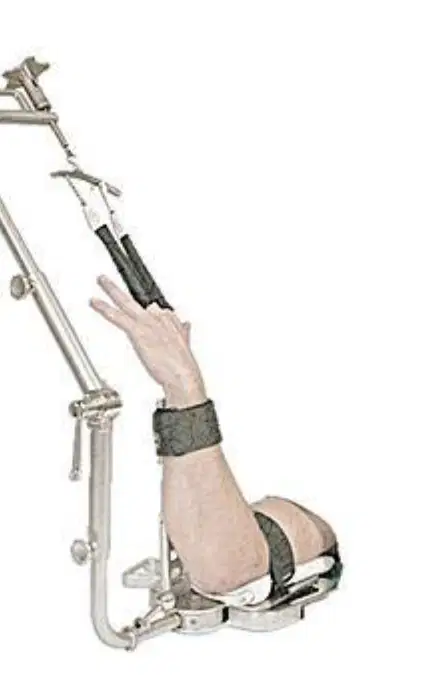
What is the name of the treatment procedure shown in the image, which uses a pulling force to hold the bones in place, often used for fractures of long bones and involves weights and pulleys to gently pull?
Traction
Casting
Splinting
Amputation

