
 Worksheets
Exploring the Digestive System
Total questions: 18
Worksheet time: 10mins
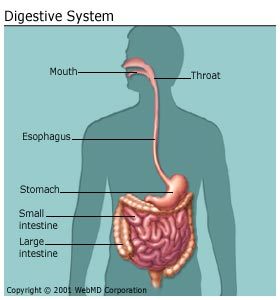
Which organ is the first part of the digestive system where food enters?
Stomach
Mouth
Small intestine
Esophagus
What is the main function of enzymes in the digestive system?
Absorb nutrients
Break down food molecules
Store food
Move food through the body

Which of the following is an example of mechanical digestion?
Saliva breaking down starch
Chewing food with teeth
Enzymes breaking down proteins
Acid dissolving food in the stomach
Where does most nutrient absorption occur in the digestive system?
Mouth
Stomach
Small intestine
Large intestine
What is the main role of the stomach in chemical digestion?
Absorbing water
Producing bile
Breaking down proteins with acid and enzymes
Moving food to the mouth
Which of the following best describes mechanical digestion?
The use of acids to dissolve food
The physical breakdown of food into smaller pieces
The absorption of nutrients into the blood
The release of hormones
What is the function of the esophagus in the digestive system?
Absorbing nutrients
Producing digestive enzymes
Transporting food from the mouth to the stomach
Storing waste

Explain how mechanical and chemical digestion work together to break down food in the mouth.
Mechanical digestion only
Chemical digestion only
Mechanical digestion breaks food into smaller pieces, and enzymes in saliva start breaking down starches
Both processes happen only in the stomach
Which process best describes how nutrients move from the digestive system into the bloodstream?
Filtration
Absorption
Digestion
Excretion
How does the digestive system interact with the muscular system during digestion?
Muscles help move food through the digestive tract by peristalsis
Muscles produce digestive enzymes
Muscles absorb nutrients
Muscles store food
What would happen if the stomach did not produce enough acid?
Food would be digested faster
Proteins would not be broken down properly
The mouth would absorb more nutrients
The esophagus would digest food
A student eats a sandwich. Describe the path the sandwich takes through the digestive system, listing the main organs involved in order.
Mouth → Esophagus → Stomach → Small intestine → Large intestine
Mouth → Stomach → Esophagus → Small intestine → Large intestine
Esophagus → Mouth → Stomach → Large intestine → Small intestine
Mouth → Small intestine → Stomach → Large intestine → Esophagus
A person has a disease that damages the villi in their small intestine. Predict how this might affect their health and explain why.
They would digest food faster
They would have trouble absorbing nutrients, leading to malnutrition
Their stomach would produce more acid
Their large intestine would absorb more water
Explain why both the digestive and circulatory systems are needed to provide nutrients to body cells.
The digestive system absorbs nutrients, and the circulatory system transports them to cells
The digestive system produces blood, and the circulatory system digests food
Both systems store nutrients
Only the circulatory system is needed

Where does most chemical digestion with acids occur?
Mouth
Stomach
Esophagus
Large Intestine

