
 Worksheets
CDA 1 REVIEW
Total questions: 98
Worksheet time: 49mins
A group of people who share a common culture is a/an
none of the above
religious group
social group
ethnic group
A group of people who share a belief system is a/an:
ethnic group
social group
religious group
none of the above
Which of the following do religious groups share?
a sacred text
belief in the same god/gods
all of the above
a specific set of rules about how to live
Which of the following do ethnic groups have in common?
food
traditions/beliefs
all of the above
ancestry
People from an ethnic group always belong to the same religious group.
True
False
The majority of people living in the Middle East are Arab.
True
False
Arabs only live in the Middle East.
True
False
Not all Arabs are Muslim, and not all Muslims are Arabs.
False
True
Most Arabs speak Arabic.
True
False
This ethnic group makes up about half of Iran's current population.
Kurds
none of the above
Persians
Arabs
Persian women have faced many challenges as a result of strict cultural and religious practices.
False
True
Persians speak this language - one of the oldest languages still spoken today.
Farsi
none of the above
Arabic
Hebrew
This ethnic group that lives in Turkey, Syria, Iran, and Iraq was once semi-nomadic.
none of the above
Persians
Arabs
Kurds
The Kurds are the largest ethnic group in the world without:
a leader.
none of the above
their own country.
a written language.
Kurds share many aspects of their culture with:
Saudi Arabians
Iranians
none of the above
Israelis
Kurds are mostly Muslim.
True
False
Which of these is NOT one of the 5 Pillars of Faith in Islam?
Making a pilgrimage to Mecca at least once in your lifetime
Giving alms to the poor
Using a secret language
Fasting during Ramadan
Followers of Islam (Muslims) worship in a ____.
church
cathedral
mosque
synagogue
Followers of the Christian faith worship in a ____.
church
synagogue
mosque
temple
This city is sacred and holy to the 3 main monotheistic religions in the Middle East.
Jerusalem
Medina
Makkah
Mecca
Rosh Hashana is celebrated by which religion?
Islam
Judaism
Atenism
Christianity
Each of the 3 monotheistic religions of the Middle East had a different view of Jesus. Which one did not believe he was the Messiah?
Judaism
Qur'an
Atenism
Christianity
Muhammad is thought to be the last messenger from God in which religion?
Atenism
Judaism
Christianity
Islam
The most people in the area we are studying (SW Middle East) practice what religion?
Christianity
Persian
Judaism
Islam
What sacred city is a source of fighting between Israelites and Palestinians, contains "The Wailing Wall", and is one of the most sacred sites in the Jewish faith?
Jericho
Bethlehem
Cairo
Jerusalem
What event do Christians celebrate on Christmas Day?
fleeing from Egypt
the birth of Jesus
resurrection of Jesus
the completion of the Holy Bible
Which of the religions we are studying believe in one god (monotheistic)?
Islam
Judaism
Christianity
All of The Above
The Qur'an (Religious Law) tells Muslim women that they must be modest. What religious cultural behavior is influenced by this law?
Muslim women wear pants.
Muslim women wear head coverings.
Muslim women and men speak different languages.
Muslim women drive cars.
The holy book for Judaism is called the _____.
Torah
Quran
Bible
Vedas
Who is the prophet for the followers of Islam?
Muhammad
David
Jesus
Moses
What Jewish holiday celebrates the exodus of the Hebrews from Egypt?
Ramadan
Christmas
Passover
Easter
What is similar about all three religions we have studied (Islam, Judaism, Christianity)?
They can trace their roots to Abraham
All Of The Above
They have an important messenger and book of teachings
They all started in Southwest Asia
The Jews worship in a _____.
synagogue
church
mosque
temple
According to Christianity, a person should always _____.
follow the Ten Commandments
ignore religious teachings
seek revenge on others
disobey moral laws
What is the main difference between the Shi'a and Sunni Muslims?
They follow different Pillars of Faith
Some follow Shari'a (religious law) while others don't
They use a different holy book
They disagree over whether their supreme leader needs to be related to Muhammad
This person is considered a great prophet in the Jewish faith and led the Israelites out of Egypt and into Israel?
Muhammad
Jesus
Moses
Abraham
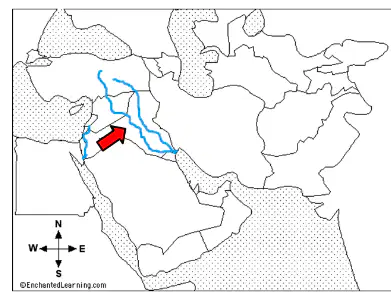
Which body of water is this?
Jordan River
Euphrates River
Strait of Hormuz
Tigris River

Which body of water is this?
Arabian Sea
Strait of Hormuz
Tigris River
Red Sea
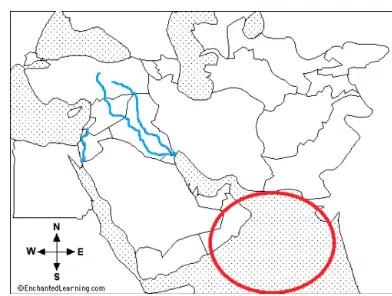
Which body of water is this?
Red Sea
Mediterranean Sea
Persian Gulf
Arabian Sea
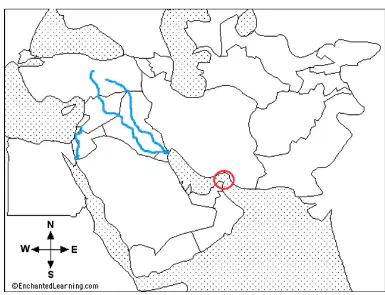
Which body of water is this?
Arabian Sea
Mediterranean Sea
Strait of Hormuz
Tigris River
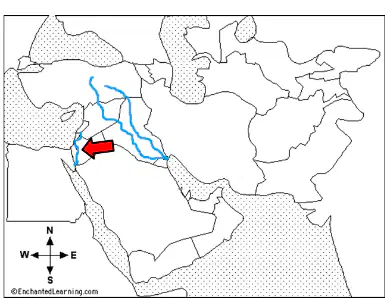
Which body of water is this?
Jordan River
Suez Canal
Arabian Sea
Tigris River
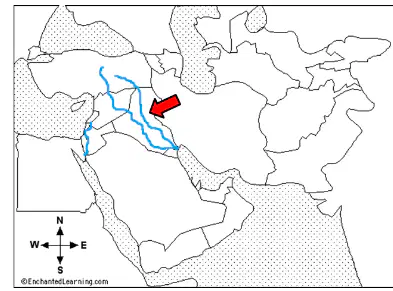
Which body of water is this?
Arabian Sea
Euphrates River
Tigris River
Mediterranean Sea
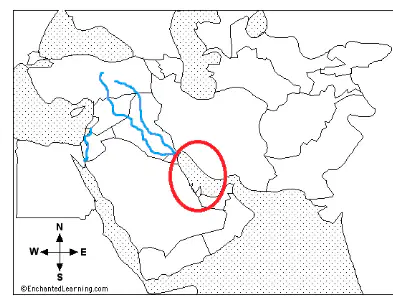
Which body of water is this?
Strait of Hormuz
Mediterranean Sea
Persian Gulf
Red Sea
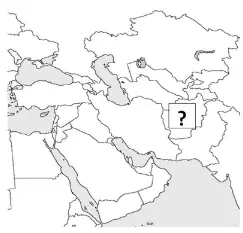
What country is this?
Afghanistan
Iraq
Pakistan
Iran

What country is this?
Egypt
Israel
Iran
Iraq
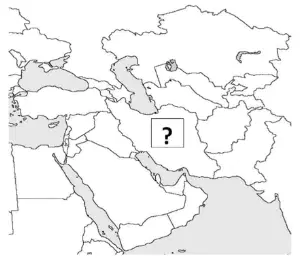
What country is this?
Iran
Iraq
Egypt
Turkey
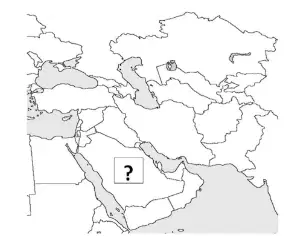
What country is this?
Egypt
Saudi Arabia
Iraq
Iran
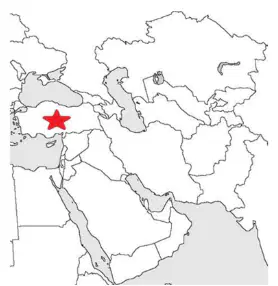
What country is this?
Israel
China
Turkey
Oman
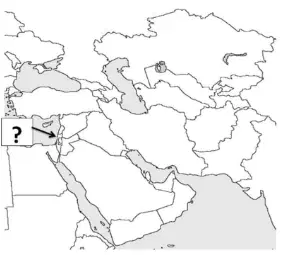
What country is this?
Afghanistan
Israel
Pakistan
Egypt
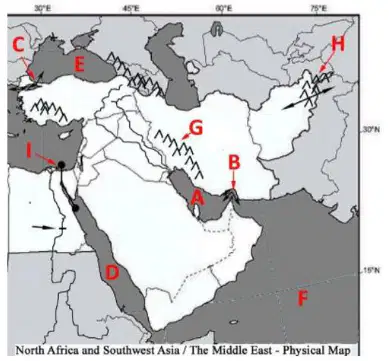
Identify the following feature on the map below: Suez Canal
C
G
H
I
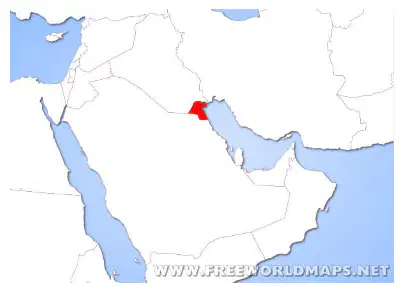
What country is highlighted in red?
Syria
Kuwait
Iran
Iraq
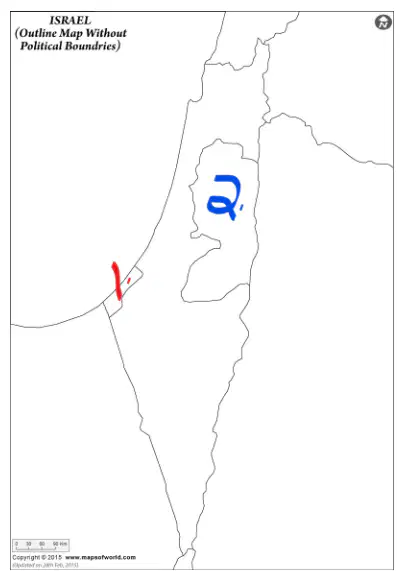
What part of Israel is identified with the red one?
Gaza Strip
Suez Canal
West Bank
Jordan River
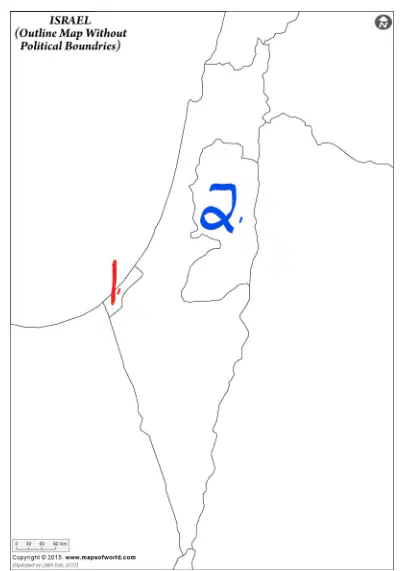
What part of Israel is identified by the blue 2?
Jordan River
Suez Canal
Gaza Strip
West Bank
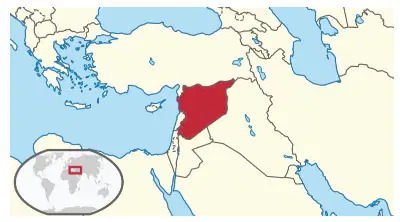
Which country is highlighted in red on the map?
Egypt
Syria
Saudi Arabia
Israel
Why is the Strait of Hormuz so important?
Whoever controls the Strait controls the shipping of oil out of the Persian Gulf
It is the largest Strait in the world
It is a unique vacation destination
Traveling through the Strait of Hormuz allows you to avoid sailing around Africa
Why do people live near the Persian Gulf?
For the low population density
For the mild climate
For the jobs in the oil and shipping industry
For the fresh water
Why do people live near rivers?
For the fresh water
For the mild climate
So they are around less people
What is the name of the desert nomads who trade sheep, camels, and goats in The Middle East?
Pokot
Tuareg
Kochi
Bedouin
Southwest Asia is located between which three major continents?
Australia, Asia, and North America
South America, North America, and Europe
Africa, Asia, and Europe
Europe, Africa, and North America
Many people in Southwest Asia practice __________ farming, growing small amounts of crops, to take care of their local needs. Because the climate is so dry, agriculture nearly always depends on irrigation.
Subsistence
Commercial
Industrial
Plantation
Since the discovery of _____, most people have moved away from the desert areas.
Oil
Gold
Water
Coal
Israel uses which river as a major source of water for irrigation?
Jordan
Euphrates
Tigris
Nile
Why is the Suez Canal so important to international shipping?
The Suez Canal connects the Jordan River to the Persian Gulf, making it less expensive to ship products to other parts of Southwest Asia.
The Suez Canal makes it possible to get to the Mediterranean Sea from the Arabian Sea without having to sail around the continent of Africa.
The Suez Canal is Iraq’s only waterway leading into the Persian Gulf.
The Suez Canal is the only way for ships to get out of the Persian Gulf.
How has the discovery of oil in some Southwest Asian countries affected the economic development of this area?
Those with oil need less water than other countries around them.
Those countries with oil reserves are much richer than those countries that have not found oil in their territory.
The discovery of oil has meant no other industries have developed in the region.
Having oil has made very little difference in the economy of the region.
People living in the deserts in Southwest Asia have usually made their living by
Oil drilling
Mining
Nomadic herding
Farming
What natural resource is there a lot of in the Middle East?
Iron
Lumber
Oil
Water
What natural resource is there not enough of in the Middle East?
Water
Oil
Iron
Cotton
What organization controls the supply of oil for much of the world?
CPAP
PPAC
OCAC
OPEC
Which of the following waterways is man-made?
Jordan River
Suez Canal
Strait of Hormuz
Persian Gulf
Where are most crops grown in the Middle East?
In the desert
On the coast
Near freshwater sources
In the central and southern part of Saudi Arabia
What Middle Eastern country does NOT claim ownership over the Jordan River?
Afghanistan
Israel
Syria
Jordan
Why is the Strait of Hormuz so important to international shipping?
The Strait of Hormuz is the only way for ships to get out of the Persian Gulf.
The Strait of Hormuz makes it possible to get to the Mediterranean Sea from the Arabian Sea without having to sail around the continent of Africa.
The Strait of Hormuz is Iraq’s only waterway leading into the Persian Gulf.
The Strait of Hormuz connects the Jordan River to the Persian Gulf, making it less expensive to ship products to other parts of Southwest Asia.
Which river does NOT impact life and trade in the SW Middle East (The Area We Are Studying)?
The Tigris River
The Nile River
The Euphrates River
The Jordan River
Rivers are where most people live in the area we are studying (SW Middle East) because all of the following Except
Access to Bathing and Drinking Water
Participation in Subsistence Farming
Water for irrigation
Employment Opportunities
What is the most common landform in the Middle East?
Mountains
Plains
Deserts
Hills
The Per-capita availability of safe drinking water in the region we are studying (SW Middle East) is
the worst of any region
about the same as most regions
the best of any region
Which one of these is NOT a reason for water scarcity in the Middle East?
The Actions of Other Countries (War, Dams, etc)
Equal distribution of wealth amongst the countries we have studied
Water Pollution
Lack of Rain
Israel has been involved in many conflicts over water rights to the ______ River with Syria, Jordan, and Palestine.
The Jordan
The Nile
The Amazon
The Danube
Which countries are in conflict over the Tigris and Euphrates Rivers?
Israel and Turkey
Syria, Saudi Arabia, and Jordan
Iran and Afghanistan
Syria, Turkey, and Iraq
True or False: Jordan is one of the ten most water scarce countries in the world.
True
False
True or False: The Middle Eastern countries that export the most oil also use the least amount of water.
True
False
The removal of salt out of seawater for use as drinking water is called
Oasis
Arid
Acquifer
Desalination
Which country has the largest water advantage because the Tigris and Euphrates rivers form here?
Jordan
Iraq
Iran
Turkey
How has Turkey upset Iraq in regards to water usage?
Turkey invaded Iraq to gain access to more water.
Turkey began to charge Iraq for water.
Turkey built dams over their portions of the Tigris and Euphrates.
Turkey built boats that soak up water.
What is the leading cause of river pollution in Southwest Asia?
Industrial Waste
Poor Sanitation
Human Trash
Agricultural Runoff
_____ % of the world's fresh water is available to those who live in the area we are studying (where 5% of the world's population lives)
20
5
1
10
The agricultural process of applying controlled amounts of water to land to assist in the production of crops
aquifer
water allocation
irritation of land
irrigation of land
Very little
scarce
standard of living
allocation
irrigation
What are causes of water pollution in the Middle East? Check all that are correct.
industrial waste
garbage
human waste
agricultural runoff
Which country has a "water advantage" because the Tigris and Euphrates rivers form there?
Turkey
Iraq
Kuwait
Syria
This country has 80% less water because of Turkey and Syria creating dams along the Euphrates River.
Israel
Iraq
Kuwait
Saudi Arabia
This country is one of the most water scarce countries in the world - its citizens only have access to water two days a week.
Syria
Israel
Jordan
Turkey
This country heavily depends on water desalination and has the largest water desalination plant in the world.
Iran
Israel
Turkey
Saudi Arabia
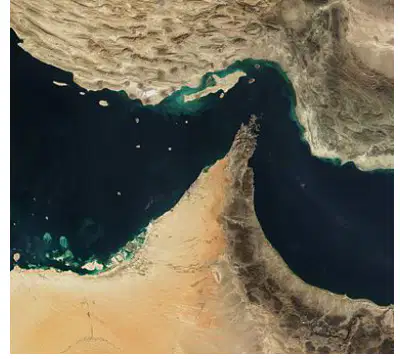
The Strait of Hormuz connects which bodies of water?
Mediterranean Sea & Red Sea
Persian Gulf & Arabian Sea
Mediterranean Sea & Persian Gulf
Red Sea & Arabian Sea
What are three major water problems in Southwest Asia?
Water shortages, unequal distribution, pollution
Flooding, pollution, dams
Water shortages, flooding, pollution
Too much ground water, aquifers, pollution
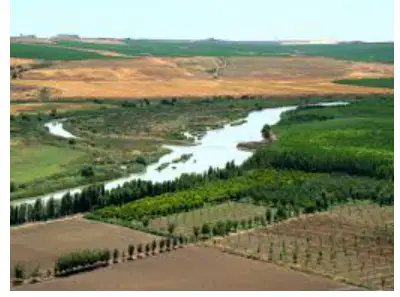
The Euphrates and the _______ River run through Iraq.
Tigris
Amazon
Nile
Yangtze
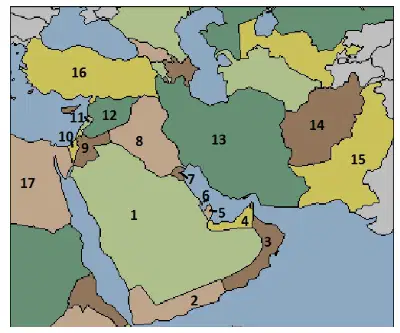
What is the name of the country that is labeled number 1?
Iran
Saudi Arabia
Syria
Bahrain
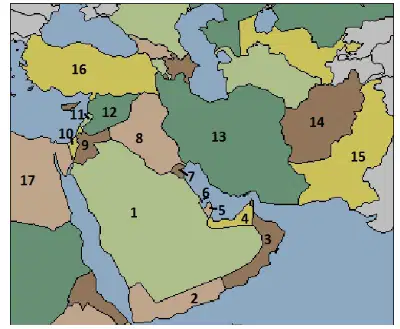
What is the name of the country that is labeled number 8?
Iraq
Yemen
Kuwait
Syria

