
 Worksheets
Baseline Test Gr12 Term1 Biology
Total questions: 15
Worksheet time: 8mins
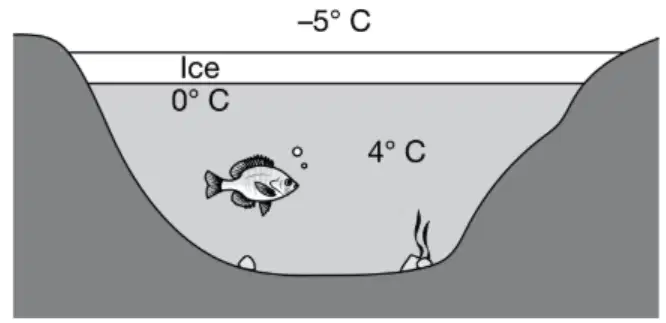
As shown in the diagram when environmental temperatures drop below freezing, a layer of ice typically forms on the surface of bodies of freshwater such as lakes and rivers. Which of the following best describes how the structure of ice benefits the organisms that live in the water below?
The water molecules in ice are closer together than those in liquid water, so the ice prevents the passage of air to the water, maintaining a constant gas mixture in the water
The water molecules in ice are closer together than those in liquid water, so the ice forms a barrier that protects the organisms in the water from the freezing air temperatures.
The water molecules in the ice are farther apart than those in liquid water, so the ice floats maintaining the denser water at the lake bottom.
The water molecules in the ice are farther apart than those in liquid water, so the ice floats preventing the escape of gases from the liquid water

A biology student sets up an experiment to investigate how cell size influences the rate of diffusion. The student uses agar cubes infused with a pH indicator and immerses them in an acidic solution. After 10 minutes, the cubes are removed and measured for the percentage of their volume that has changed color due to diffusion. Cube Size (cm) % Volume Diffused 1 × 1 × 1: 87% 2 × 2 × 2: 53% 3 × 3 × 3: 27%
Larger cells allow faster diffusion because they contain more cytoplasm.
Smaller cells have a higher surface area-to-volume ratio, allowing materials to diffuse more efficiently.
Larger cells are more efficient because they can store more enzymes for chemical reactions.
Diffusion rates are constant regardless of the size of the cell.
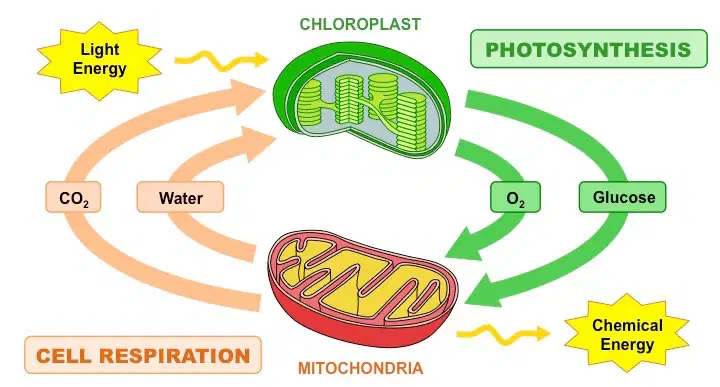
A scientist is studying the processes of cellular respiration and photosynthesis in plants. She conducts an experiment where she measures the rate of oxygen production in a group of plants exposed to different light intensities. She also measures the rate of glucose consumption in the same plants under varying conditions. Based on her findings, she formulates the following statements:
Statement A: The rate of photosynthesis increases with light intensity up to a certain point, after which it levels off due to saturation.
Statement B: Cellular respiration occurs in the mitochondria and is responsible for converting glucose into ATP, releasing carbon dioxide as a byproduct.
Statement C: The Calvin cycle, which occurs in the stroma of chloroplasts, directly requires light energy to produce glucose.
Statement D: Fermentation is an anaerobic process that allows cells to produce ATP without oxygen, but it yields significantly less ATP compared to aerobic respiration.
Based on the statements above, which of the following options is correct?
Only Statements A and B are true.
Only Statements A, B, and D are true.
Only Statements B and C are true.
All statements A, B, C, and D are true.
A woman with blood type A (genotype could be AA or AO) has a child with a man with blood type B (genotype could be BB or BO). If their child has blood type O, what can be concluded about the genotypes of the parents?
The woman must be AA, and the man must be BB.
The woman must be AO, and the man must be BO.
The woman must be AO, and the man must be BB.
The woman must be AA, and the man must be BO.
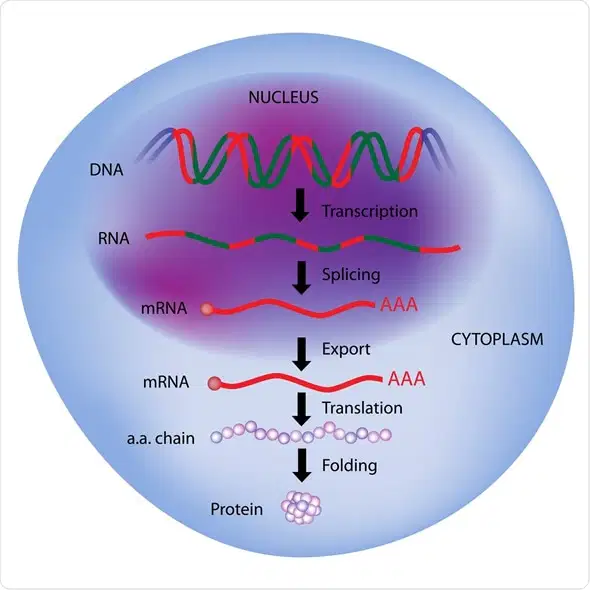
Which of the following mechanisms is NOT a way in which gene expression can be regulated in eukaryotic cells?
DNA replication
Transcriptional control
Post-transcriptional modification
Chromatin remodeling
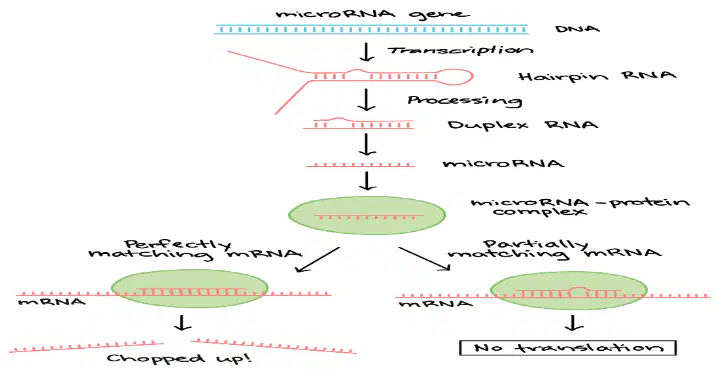
Refer to the diagram showing the processing and function of microRNA. Which of the following processes is most directly regulated by microRNAs?
Alternative splicing of mRNA transcripts
Methylation of DNA bases
Modification of tRNA structure
Enhancer binding to transcription factors

Researchers conducted an experiment to test the effect of a newly discovered compound on cyclin-dependent kinase (CDK) activity in cultured human cells. They treated cells at different stages of the cell cycle with the compound and measured the resulting CDK activity using a kinase assay. If the experimental results showed that the compound significantly reduced CDK activity in cells during the S phase but had little effect in G1 phase, what might be inferred about the compound's action and its potential use?
The compound appears to specifically inhibit CDK activity associated with DNA replication, suggesting it could be a useful tool for studying DNA synthesis.
The broad-spectrum inhibition across all cell cycle phases indicates that the compound is likely toxic to the cells and unsuitable for therapeutic use.
This result implies that CDK activity is solely reliant on external compounds, and natural regulatory mechanisms in the S phase are negligible.
The compound's effects indicate an unimportant role of CDKs in S phase, suggesting alternative pathways drive DNA synthesis.
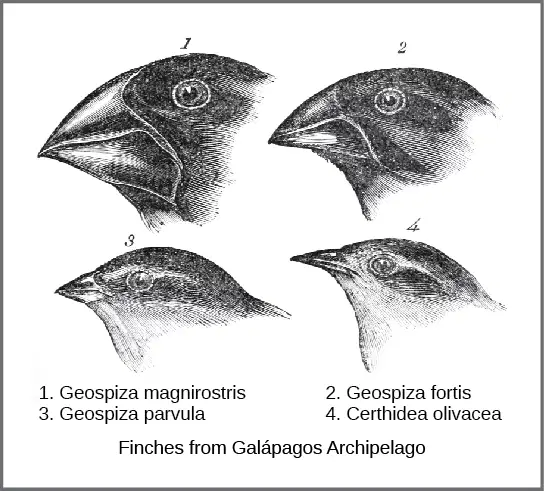
A group of evolutionary biologists conducts a study on a population of finches living on a remote island, which exhibits variation in beak sizes and shapes. They observe that during dry seasons, finches with larger beaks are better adapted for feeding on harder seeds, while smaller-beaked finches thrive during wet seasons when softer seeds are available. Experimental Design: To test the hypothesis that beak size affects feeding success, the researchers set up an experiment with the following treatments: 1. Group A: Larger-beaked finches feeding on hard seeds in a controlled environment. 2. Group B: Smaller-beaked finches feeding on hard seeds in a controlled environment. 3. Group C: Larger-beaked finches feeding on soft seeds in a controlled environment. 4. Group D: Smaller-beaked finches feeding on soft seeds in a controlled environment. They measure the efficiency of seed cracking (measured in seeds cracked per minute) for each group over a defined period. (a) Which of the following outcomes would best support the hypothesis that beak size is advantageous for feeding on specific types of seeds?
Group A cracks the most seeds when compared to other groups, indicating that larger beaks are better suited for hard seeds.
All groups exhibit similar seed-cracking efficiency, suggesting beak size is not a significant factor.
Group C cracks more seeds than Group A, indicating that larger beaks are more efficient with soft seeds.
Group B and Group D produce the same results, showing that beak size doesn't contri ibute to feeding efficiency.

A tropical rainforest is known for its high levels of biodiversity, hosting thousands of species of plants, animals, fungi, and microorganisms. Researchers studying a specific rainforest region found that it contains over 1,500 species of trees, 400 species of mammals, and 1,000 species of birds. Given this context, which of the following statements best describes the significance of biodiversity in this ecosystem?
Biodiversity primarily enhances the aesthetic value of the rainforest, attracting tourists and researchers.
High biodiversity contributes to ecosystem stability and resilience, allowing the rainforest to recover from disturbances and providing essential ecosystem services such as pollination and nutrient cycling.
Biodiversity is mainly beneficial for human economic activities, such as logging and agriculture, which can be managed sustainably.
The presence of numerous species indicates that the ecosystem is stable and will not be affected by external pressures like climate change or habitat destruction.
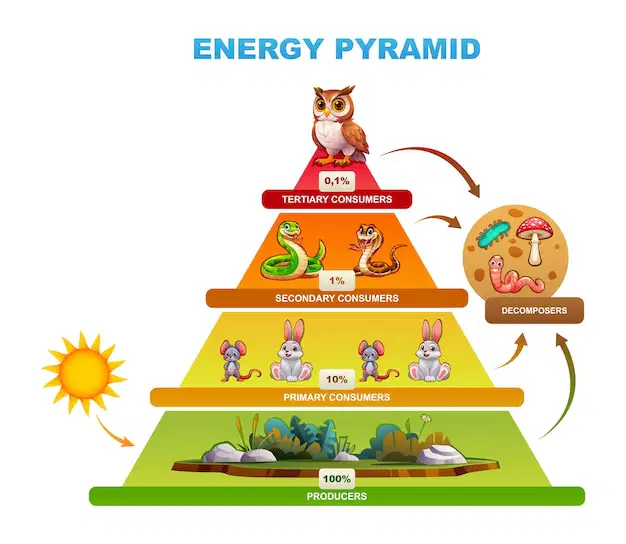
In a forest ecosystem, the energy flow from producers to consumers is characterized by the 10% rule. If a forest has a total primary productivity of 50,000 kcal per year, how much energy would be available to tertiary consumers (top predators) if the energy transfer efficiency is maintained at 10% at each trophic level? Assume there are three trophic levels: producers, primary consumers, and secondary consumers.
500 kcal
5,000 kcal
50,000 kcal
50 kcal
Carbohydrates serve as important energy sources and structural components in living organisms. A biologist is examining a polysaccharide composed of glucose monomers. This polysaccharide is found in the cell walls of plants and provides rigidity and strength. Which of the following polysaccharides is the biologist most likely studying?
Glycogen
Starch
Cellulose
Chitin
In the context of gene therapy, a patient with a genetic disorder is treated by introducing a healthy copy of a gene into their cells. Which of the following challenges is most commonly associated with gene therapy?
The inability to target specific cells for gene delivery.
The high cost of developing gene therapy treatments.
The risk of an immune response against the introduced gene or vector.
The lack of understanding of the genetic basis of diseases.
A pharmaceutical company is developing a new drug using recombinant DNA technology. They insert a human gene that encodes for insulin into bacterial plasmids, allowing the bacteria to produce insulin. What is the primary advantage of using bacteria for this purpose?
A) Bacteria can produce complex proteins that require post-translational modifications.
B) Bacteria reproduce quickly, allowing for large-scale production of the desired protein in a short time.
C) Bacteria are more expensive to culture than eukaryotic cells, making them less suitable for drug production.
D) Bacteria can only produce proteins that are naturally found in their own species.
A
B
C
D
In a laboratory experiment, scientists are using CRISPR-Cas9 technology to edit the genome of a model organism. They aim to knock out a specific gene associated with a hereditary disease. Which of the following steps is NOT typically involved in the CRISPR-Cas9 gene-editing process?
A) Designing a guide RNA that matches the target gene sequence.
B) Introducing the Cas9 protein and guide RNA into the target cells.
C) Using a DNA polymerase to replicate the entire genome of the organism.
D) Allowing the cell's natural repair mechanisms to fix the double-strand break created by Cas9.
A
B
C
D

In a coastal ecosystem, researchers found that the introduction of an invasive species, the green crab (Carcinus maenas), significantly impacted local biodiversity. The green crab outcompetes native species for resources and alters the habitat structure. Considering this scenario, which of the following statements accurately reflects the consequences of invasive species on biodiversity?
A) Invasive species typically enhance biodiversity by introducing new genetic material into the ecosystem.
B) The introduction of invasive species can lead to a decline in native species populations, resulting in reduced biodiversity and altered ecosystem dynamics.
C) Invasive species have no significant impact on biodiversity and are often beneficial for local ecosystems.
D) The effects of invasive species are always positive, as they can increase the overall number of species in an ecosystem
A
B
C
D

