
 Worksheets
Unit 2 Lesson Study - 6th
Total questions: 100
Worksheet time: 50mins
What led to the development of civilizations according to the text?
The invention of the wheel
The foundation of agricultural communities and trade networks
The discovery of fire
The creation of written language
Where did the first civilizations form?
China and Japan
Mesopotamia, Egypt, and the Indus River Valley
Greece and Rome
The Americas
What were common elements of all early civilizations?
Advanced technology and space travel
Cities, trade networks, organized governments, religious beliefs, art, and writing systems
Internet and digital communication
Modern transportation systems
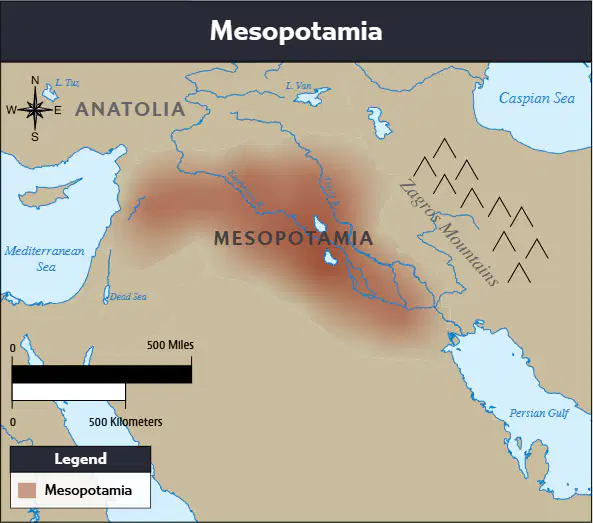
What role did the Tigris and Euphrates Rivers play in Mesopotamia?
They were used for recreational swimming
They were natural highways and provided water for irrigation
They were barriers that isolated the region
They were sources of gold and silver
What is the definition of "oasis" as used in the text?
A large desert
A place in the desert where water is found
A type of plant
A mountain range
What does the word "Sumer" mean?
The land of ancient rivers
The land of civilized kings
The land of great warriors
The land of fertile plains
What is a city-state?
A large country with many cities
A city that is part of a larger empire
An independent city with its own government
A city ruled by a king
What was the first city-state in ancient Sumer?
Babylon
Ur
Uruk
Nineveh
What was the purpose of irrigation systems in Mesopotamia?
To prevent floods
To store water in reservoirs
To bring water from the rivers to the fields
To create drainage systems
Who were the scribes in ancient Sumer?
Farmers
Priests
Recordkeepers
Warriors
What was the writing system developed by the ancient Sumerians called?
Hieroglyphics
Cuneiform
Alphabet
Pictographs
How many city-states have archaeologists identified in Sumer that were similar to Uruk?
5
8
12
15
What did scribes initially use to represent objects in their writing?
Letters
Numbers
Pictographs
Symbols
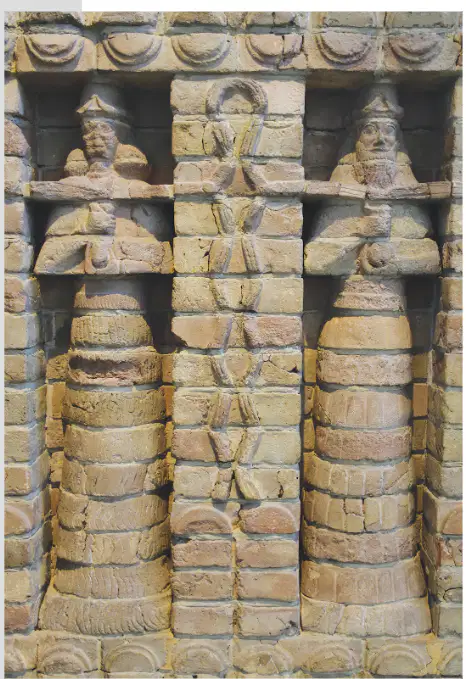
Who could afford to send their sons to school in ancient Sumer?
Farmers
Merchants
Soldiers
Artisans
What influenced the religious beliefs of many ancient Mesopotamian cultures?
Geography
Technology
Language
Art
What did the Sumerians believe about their gods and goddesses?
They believed in only one god.
They believed in many gods and goddesses.
They believed gods were not powerful.
They believed gods were human.
According to Sumerian creation stories, why were humans created?
To entertain the gods
To do the hard work gods did not want to do
To worship the gods
To fight in wars
What did people bring to temples to please the gods?
Gold and silver
Sheep, beer, fruit, and wild animals
Weapons and armor
Books and scrolls
Who is An/Anu in Mesopotamian mythology?
The god of the sun
The chief of the gods, lord of the sky
The goddess of love and war
The god of water
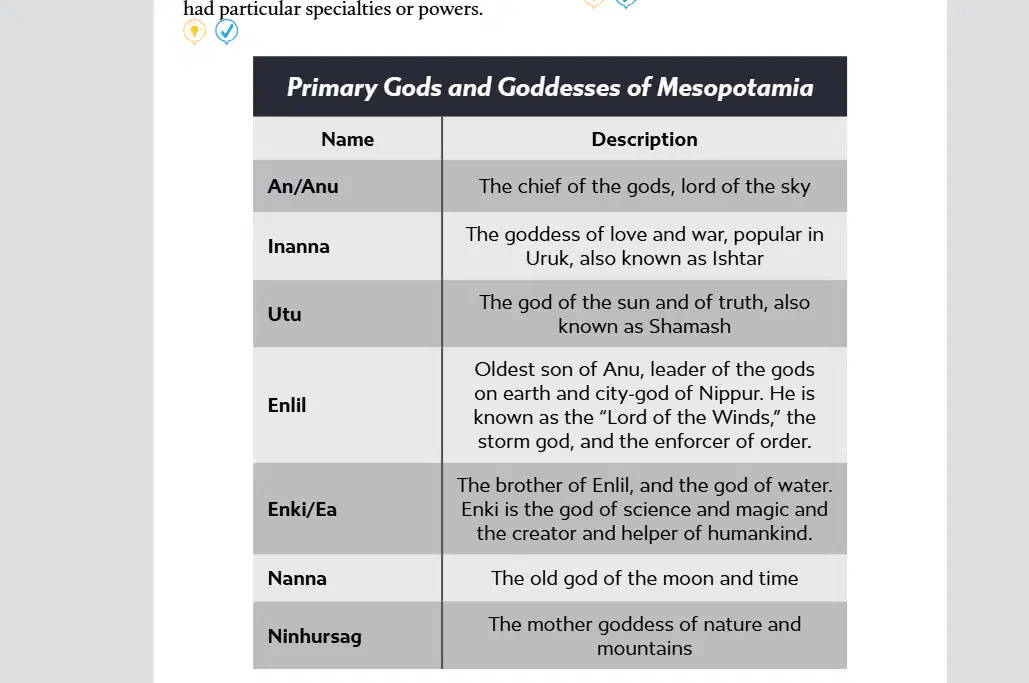
Which god is known as the "Lord of the Winds" and the enforcer of order?
Enki/Ea
Utu
Enlil
Nanna
What was the primary purpose of a ziggurat in Sumerian cities?
A place for merchants to trade goods
A center for government meetings
A temple for the city's god or goddess
A school for teaching children
What role did local priests have in managing ziggurats?
They conducted trade negotiations
They performed animal sacrifices
They taught children about history
They built new ziggurats
How did ziggurats contribute to trade in Sumerian society?
They were used as marketplaces
They stored and distributed food surpluses
They were locations for international trade fairs
They produced goods for export
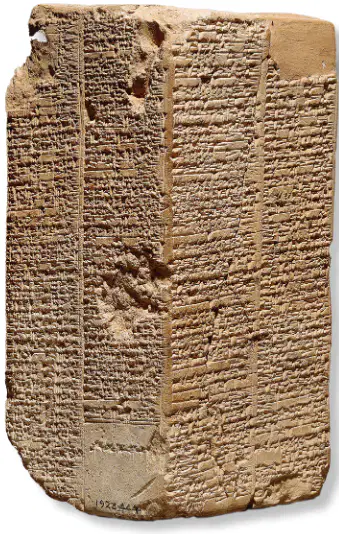
What is the significance of the Sumerian King List?
It lists the laws of Sumer
It records the achievements of Sumerian kings
It describes the geography of Sumer
It contains the religious texts of Sumer
What type of government did the Sumerians have?
Democracy
Monarchy
Theocracy
Republic
What does the term "lu-gal" mean in Sumerian?
High priest
Big man
Warrior
Merchant
Who sometimes held positions of great power in ancient Mesopotamia?
Merchants
Wives and daughters of kings
Artisans
Farmers
What role did princesses sometimes serve in ancient Mesopotamia?
Merchants
Scribes
Priestesses
Artisans
Who was the queen mentioned in the Sumerian King List?
Nammu
Kubaba
Ur-Nammu
Kish
What is the oldest written law code from ancient Sumer called?
Code of Hammurabi
Code of Kubaba
Code of Ur-Nammu
Code of Kish
What does the term "patriarchal" mean in the context of ancient Mesopotamian societies?
Women held most positions of power
Men held most positions of power
Equal power between men and women
Children held most positions of power
What was a common punishment for offenses in ancient Sumer?
Imprisonment
Exile
Payment of a fine
Community service
What social class did workers like artisans and farmers belong to in ancient Mesopotamia?
Upper class
Middle class
Lower class
Royal class
What was a common reason for people to be sold into slavery in ancient Mesopotamia?
Race or place of origin
Debt
Age
Gender
What did Sumerian workers practice?
Only farming
Many trades
Only pottery making
Only metalwork
Which of the following crops were grown by farmers in ancient Mesopotamia?
Rice and corn
Barley and wheat
Tomatoes and potatoes
Coffee and tea
What was the purpose of domesticating animals in ancient Mesopotamia?
For decoration
For companionship
For meat and other products
For racing
What significant invention did the Sumerians create around 3500 BCE?
The plow
The wheel
The compass
The printing press
What material did people in Mesopotamia begin using around 3200 BCE for making tools and weapons?
Iron
Bronze
Gold
Silver
What did Sumerians use to track the sun's shadow and tell time?
Clocks
Hourglasses
Sundials
Water clocks
Which ancient civilization's stories, such as the Epic of Gilgamesh, influenced later civilizations?
Egyptian
Greek
Sumerian
Roman
What did Sumerians use cylinder seals for?
To decorate pottery
To record business deals and act as signatures
To measure land
To create sculptures
What was the purpose of the long-distance trade networks developed by the Sumerians?
To acquire copper and tin
To spread religion
To conquer new lands
To exchange cultural stories
Who was the first ruler to unite the city-states into one large kingdom?
Hammurabi
Sargon the Great
Nebuchadnezzar
Gilgamesh
What was the capital city built by Sargon called?
Babylon
Akkad
Uruk
Nineveh
Which geographical area did Sargon rule from the Mediterranean to?
The Red Sea
The Persian Gulf
The Black Sea
The Caspian Sea
What was one of the reasons for the fall of the Akkadian Empire?
Natural disasters
Conflict among Akkadian rulers
Invasion by the Greeks
Economic collapse
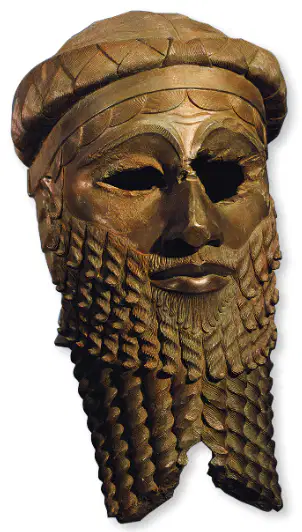
Who began taking over land controlled by the Akkadians around 1984 BCE?
The Egyptians
The Amorites
The Hittites
The Assyrians
Who built the impressive city of Babylon along the Euphrates River?
The Egyptians
The Amorites
The Greeks
The Romans
What was Babylon known for becoming under the Amorite rulers?
A military base
A thriving trade center
A religious site
A farming community
Who was the king that came to power in Babylon around 1792 BCE?
Nebuchadnezzar
Hammurabi
Sargon
Cyrus
What type of writing did Hammurabi adopt to bring people together in his empire?
Hieroglyphics
Latin script
Cuneiform
Greek alphabet
Which class was the most respected and had more wealth and power in Babylon?
Middle class
Lower class
Upper class
Enslaved people
What was the role of artisans in Babylonian society?
Military leaders
Farmers
Merchants
Construction workers
What could enslaved people do to gain their freedom in Babylon?
Win a battle
Buy their freedom
Marry into the upper class
Become priests
What was the purpose of Hammurabi's Code?
To create a system of trade
To maintain order in the empire
To expand the empire's territory
To develop new technologies
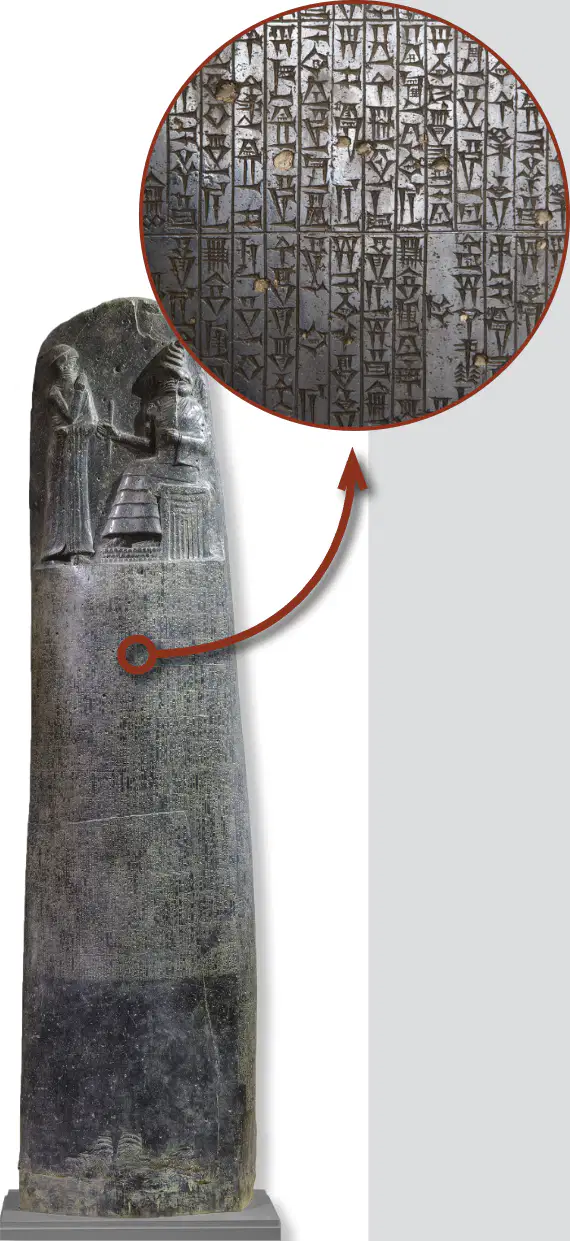
In what form was Hammurabi's law code recorded?
Hieroglyphics
Latin script
Cuneiform on steles
Modern alphabet
How many rules were included in Hammurabi's Code?
150
282
300
100
What was a key factor in determining punishment under Hammurabi's Code?
The time of day the crime was committed
The person's social class and gender
The weather conditions
The type of weapon used
What rights did Hammurabi's Code provide for women?
The right to vote
The right to own land and form contracts
The right to become soldiers
The right to free education
What was the basis for law codes in later civilizations?
Hammurabi's Code
The Roman Constitution
The Magna Carta
The Code of Justinian
Who were the first to study astronomy?
The Egyptians
The Greeks
The Romans
The Mesopotamians
What was the Sumerian calendar based on?
The sun
The phases of the moon
The stars
The seasons
What number was the Sumerian number system based on?
5
10
12
60
Who overthrew the last king of Old Babylon in 1595 BCE?
The Egyptians
The Greeks
The Kassites
The Romans
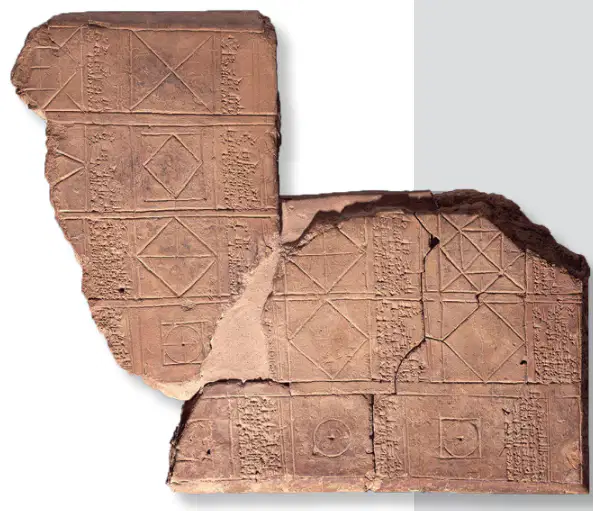
How long did the Kassites control Babylon?
200 years
300 years
400 years
576 years
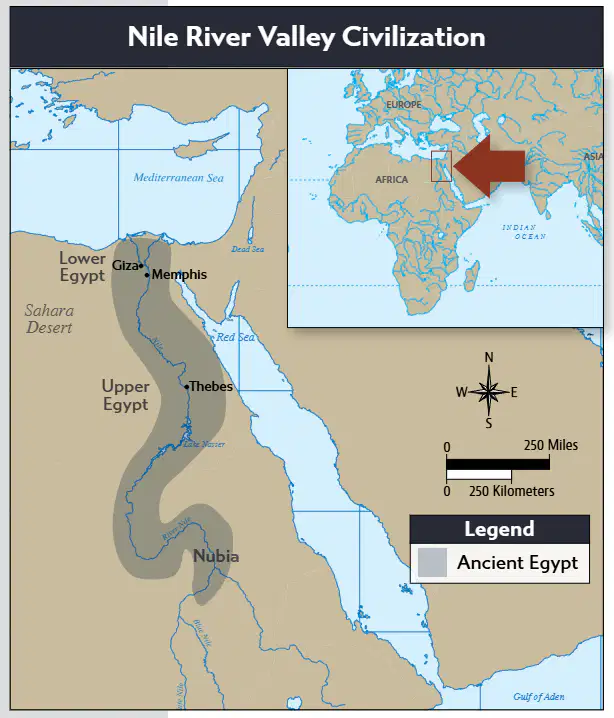
What did the people of ancient Egypt depend on to water their crops?
Rainfall
The Nile River
Underground wells
Mountain streams
What is a delta?
A mountain range
A desert area
A triangle-shaped piece of land where a river splits
A large forest
Why were the flood patterns of the Nile River important to the Egyptians?
They caused destruction
They were unpredictable
They were perfect for large-scale farming
They provided drinking water
What did Egyptians base their first calendars on?
The position of the stars
The growing seasons and the cycles of the moon
The migration of birds
The phases of the sun
What was the purpose of observing the waterline along the staircase in ancient Egypt?
To measure the temperature of the river
To record the river's height
To determine the river's speed
To find the river's source
Why was the Nile called "the giver and taker of life"?
It provided fish for food
It was a source of fresh water
It could both support and destroy crops
It was used for transportation
What tool did Egyptian farmers invent to make watering crops easier?
Plow
Shadoof
Sickle
Hoe
What natural resource did Egyptians use to make paper?
Cotton
Papyrus
Silk
Wool
What did Egyptians use to weave into linen cloth?
Cotton
Wool
Flax
Silk
What was a major benefit of the Nile River for the Egyptians?
It provided a desert climate
It was a barrier against invaders
It provided food and resources
It was a source of gold
What was the lifestyle change for the earliest Egyptians after finding the fertile Nile Valley?
They became nomads.
They started building pyramids.
They began to farm and settle in villages.
They moved to the mountains.
Who united all of the Egyptians under one kingdom?
Djoser
Narmer
Tutankhamun
Ramses
How many districts was the land of Egypt divided into?
10
25
42
50
What does the term "pharaoh" mean?
Great warrior
Great house
Great leader
Great king
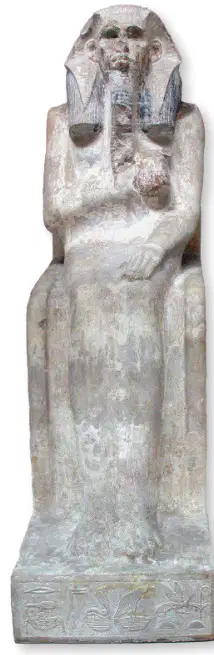
During which dynasty did the Old Kingdom begin?
First Dynasty
Second Dynasty
Third Dynasty
Fourth Dynasty
What was the primary purpose of the Pyramids of Giza during the Old Kingdom?
To serve as marketplaces
To act as military fortresses
To be used as tombs for Egyptian rulers
To function as schools
What region south of Egypt served as a major trade center and had gold mines?
Mesopotamia
Nubia
Greece
Persia
What change did Egyptian rulers make to their burial practices during the Middle Kingdom?
They built larger pyramids
They stopped building tombs
They built smaller tombs hidden in the desert
They used wooden coffins
Who united the villages throughout Egypt to begin the Middle Kingdom?
Tutankhamun
Menes
Mentuhotep II
Ramses II
What was the role of overseers during the Middle Kingdom?
They were military leaders
They were religious priests
They were supervisors of government officials
They were traders
What happened at the end of Egypt's Twelfth Dynasty?
The pyramids were completed
Queen Sobekneferu died without an heir
The Hyksos were defeated
The Nile River flooded
What did the Hyksos establish in northern Egypt during the Middle Kingdom's decline?
A new religion
Their own dynasty
A trade route
A military base
Who were the two rulers that fought against the Hyksos to begin the New Kingdom?
Ramses and Tutankhamun
Akhenaten and Nefertiti
Kamose and Ahmose
Thutmose and Hatshepsut
What was the highest ranking position in ancient Egyptian society?
Artisan
Merchant
Farmer
Ruler
What was the role of a scribe in ancient Egypt?
Farmer
Warrior
Writer or recordkeeper
Priest
How could individuals move up in social class in ancient Egypt?
By inheriting wealth
By acquiring certain skills and working hard
By marrying into a higher class
By traveling to other countries
What did the Egyptians invent that used pictures to represent words, sounds, or syllables?
Alphabet
Hieroglyphics
Cuneiform
Morse Code
How were Egyptian hieroglyphics read?
Left to right or bottom to top
Right to left or top to bottom
Left to right or top to bottom
Right to left or bottom to top
What was a dowry in ancient Egypt?
A type of currency
A valuable item given by the groom to the bride
A valuable item given by the bride's family to the groom
A religious offering
What role did religion play in ancient Egyptian society?
It was not important
It was very important
It was only important to the lower class
It was only important during festivals
What did the rulers of Egypt view themselves as?
Ordinary people
Servants of the people
Gods
Scholars
What does the term "polytheistic" mean?
Believing in one god
Having a religion with many gods
Worshiping nature
Practicing rituals
What did Egyptians believe happened after death?
The soul vanished
The soul rested in peace
Humans began a journey to the afterlife
The soul reincarnated immediately
Who weighed the soul's heart against the feather of ma'at in the afterlife?
Anubis
Ra
Osiris
Isis

