
NEW
Font size
 Worksheets
Permit to Work (PTW) System Quiz
Total questions: 60
Worksheet time: 30mins
What is a Permit to Work (PTW) system used for?
To authorize any personnel to perform tasks
To control activities that are considered high-risk
To allow unrestricted access to all areas
To eliminate the need for safety procedures
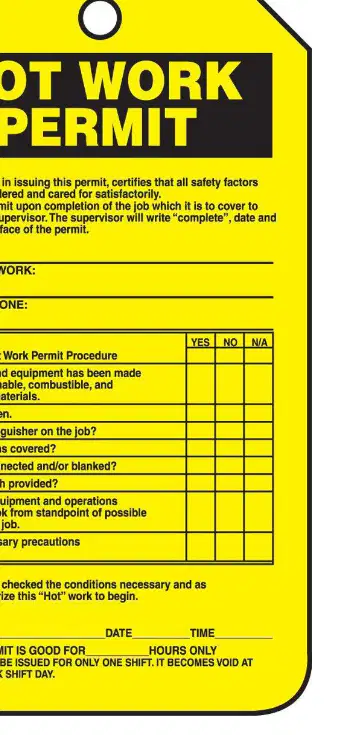
Who is allowed to perform activities under a PTW system?
Any employee
Authorized personnel only
Visitors
Contractors without permits
For which of the following activities might a permit to work be required?
Electrical works
Painting
Gardening
Cooking
Which activity listed below does NOT typically require a permit to work?
Excavation
Lifting operations
Work with asbestos
Reading
What type of work involves high risk spaces such as laboratories or industrial plants?
Work in confined spaces
Work to high risk spaces
Temporary works
Work at height
Which of the following is an example of work that might require a permit due to potential hazards?
Work to roofs
Writing
Shopping
Walking
Who should be allowed to issue permits in a permit to work system?
Any employee
Authorized, competent personnel
External contractors
Supervisors only
What must be undertaken before high-risk work is carried out?
A financial assessment
A risk assessment
A team meeting
A safety drill
What should be considered regarding other work in a permit to work system?
The cost of the work
The impact on or by the permitted work
The duration of the work
The number of workers involved
What should be ensured in a permit to work system?
Control measures and supervision are in place
Only one person is responsible
Work is done quickly
No documentation is needed
What should be prepared in a permit to work system?
Financial reports
Method statements and emergency procedures
Employee evaluations
Marketing strategies
What should be provided to other parties that might be affected by the work?
Financial compensation
Information
Free services
Additional work
What system should be included in a permit to work system?
A system for financial audits
A system for handing back and canceling permits
A system for employee rewards
A system for marketing
What is one of the purposes of a work permit?
To describe the work and its location.
To provide financial information.
To list employee benefits.
To schedule meetings.
Which of the following is included in a work permit?
Information about foreseeable risks.
Details about company profits.
Employee personal data.
Marketing strategies.
What should a work permit provide to ensure safety?
Information necessary for working safely.
Details about vacation policies.
Instructions for using office software.
Guidelines for customer service.
What requirement is set out by a work permit regarding equipment?
Requirements for personal protective equipment.
Specifications for office furniture.
Guidelines for computer usage.
Standards for vehicle maintenance.
What does a work permit specify about the timing of work?
The time when the work can be carried out.
The time for lunch breaks.
The time for annual reviews.
The time for team meetings.
What additional information might a work permit provide?
Information about other permits.
Details about employee salaries.
Information on company history.
Guidelines for social media use.
What is required before a permit to work is issued?
Adequate notice should be given.
Immediate action is required.
No notice is necessary.
A permit is issued automatically.
Do permit to work systems automatically make activities safer?
No, they require correct procedures.
Yes, they ensure safety by themselves.
They only make activities more efficient.
They eliminate all risks.
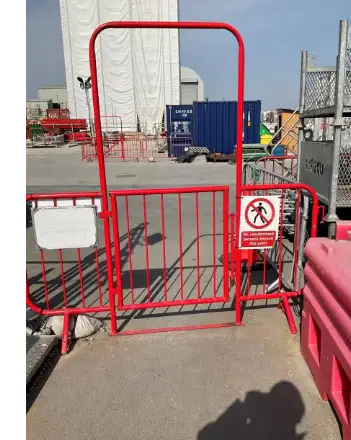
Which of the following is a site entry control measure mentioned in the document?
Secure Gates
Surveillance Cameras
Emergency Exits
Fire Alarms
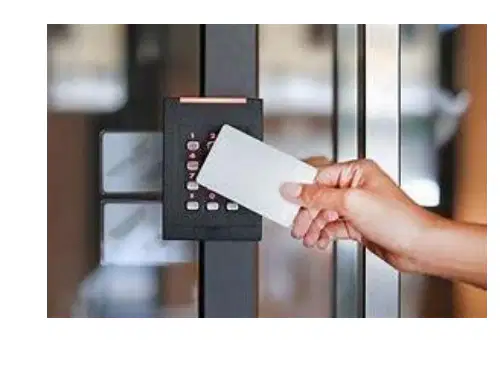
What is used alongside access cards for site entry control according to the document?
PIN Codes
Fingerprint Scanners
Facial Recognition
Voice Commands

Which of the following is NOT listed as an entry control measure in the document?
Hoarding
Secure Gates
Access cards
Metal Detectors
What is the primary purpose of isolation as described in the document?
To increase productivity
To restrict access and isolate people from hazards
To allow more people on site
To enhance communication
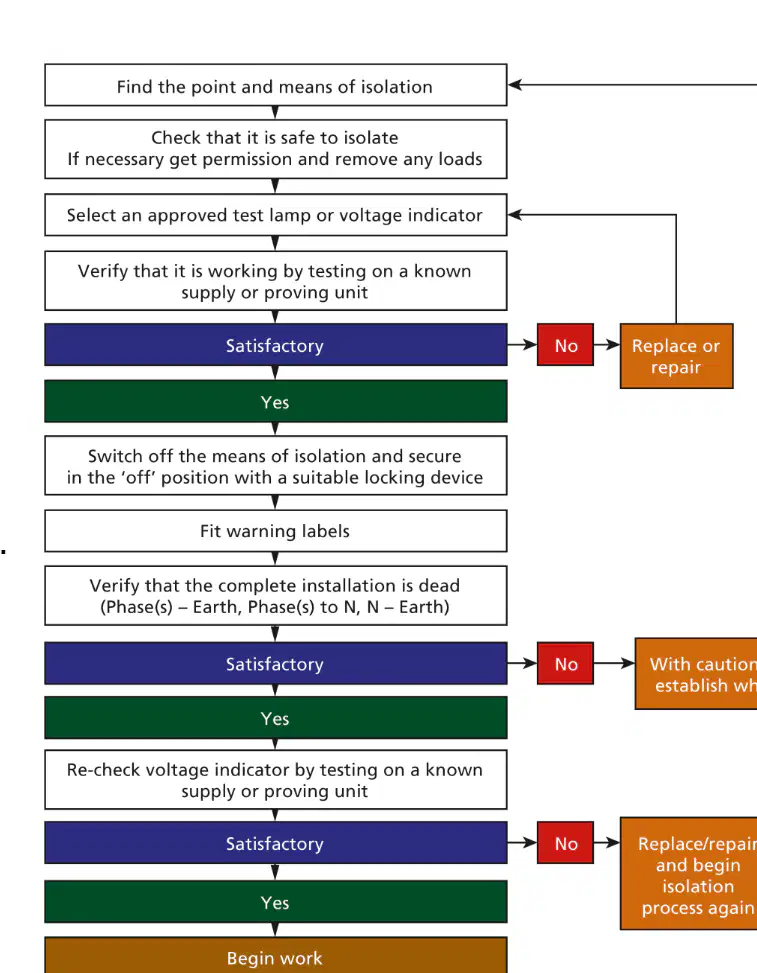
Which of the following is a step in the isolation process according to the flowchart?
Increase the voltage
Remove warning labels
Verify that the complete installation is dead
Allow access to unauthorized personnel
What is the main purpose of the Provision and Use of Work Equipment Regulations 1998?
To ensure work equipment does not pose health and safety risks
To increase the efficiency of work equipment
To reduce the cost of work equipment
To improve the design of work equipment
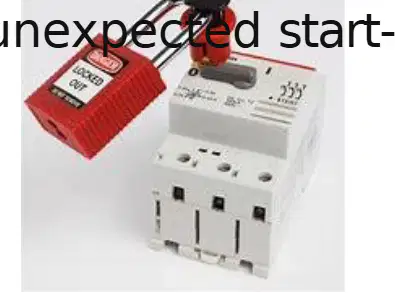
What does the regulation demand regarding lock-off procedures?
They should be used to prevent unexpected start-up of machinery
They should be used to enhance the speed of machinery
They should be used to decorate machinery
They should be used to reduce noise from machinery
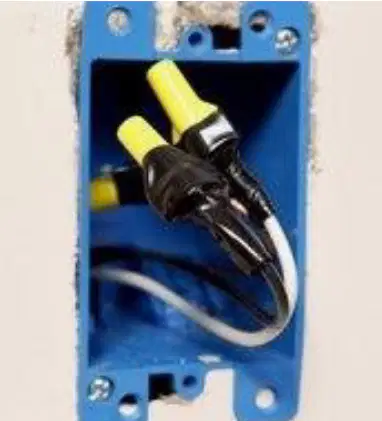
What is the first step in the "Cap off - Blank off" process?
Insert live connections into a 32amp connector block.
Cover bare wires with insulation tape.
Replace the socket with a blanking plate.
Tighten up the connections and nuts.
What should be used to cover bare wires in the "Cap off - Blank off" process?
Electrical glue
Wire nut and insulation tape
Plastic wrap
Metal clips
What is the final step in the "Cap off - Blank off" process?
Insert live connections into a connector block.
Tighten up the connections.
Replace the socket with a blanking plate.
Cover bare wires with insulation tape.
What are the Control of Noise at Work Regulations 2005 based on?
A United Nations Directive
A European Union Directive
A World Health Organization Directive
A National Health Service Directive
Who do the Noise Regulations 2005 aim to protect?
Members of the public
Workers from the risks caused by noise
Animals in noisy environments
Children in schools
When were the previous Noise at Work Regulations established before being replaced in 2005?
1985
1995
1989
2000
Do the Noise Regulations 2005 apply to members of the public exposed to noise from non-work activities?
Yes, they apply to all noise exposure
No, they do not apply
Yes, but only in certain areas
No, unless it is a public event
What is the nature of hearing damage caused by exposure to noise at work?
Temporary and curable
Permanent and incurable
Gradual and reversible
Sudden and treatable
How is hearing loss usually caused according to the text?
By a single loud noise
By prolonged exposure to noise
By genetic factors
By water exposure
What additional condition can exposure to noise cause?
Vertigo
Tinnitus
Migraine
Insomnia
What is tinnitus described as in the text?
A sensation of dizziness
A sensation of ringing or buzzing in the ears
A sensation of pain in the ears
A sensation of pressure in the ears
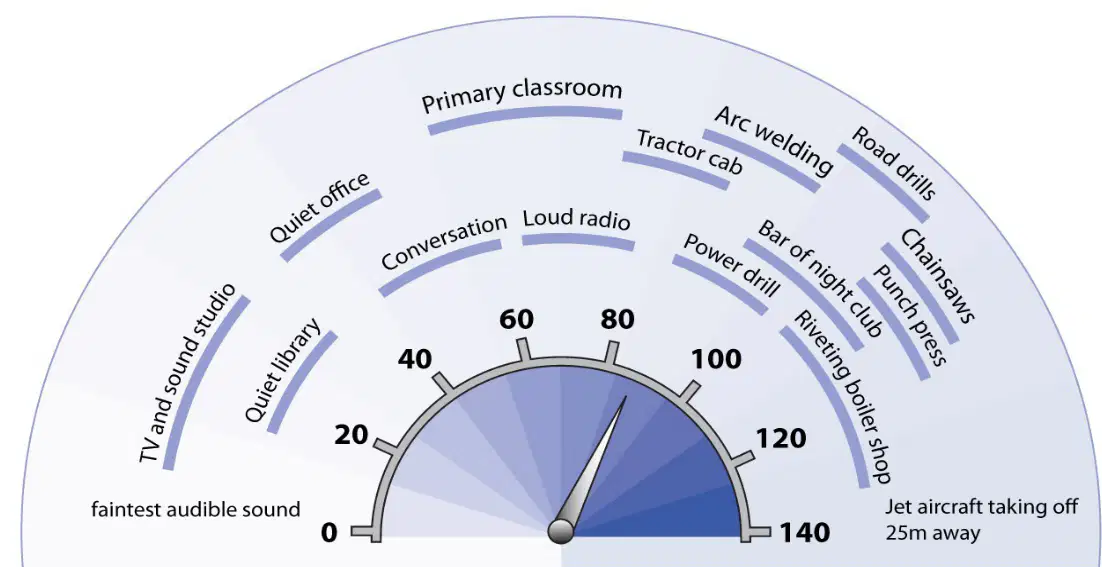
What are some main causes of noise within the working environment?
Hammers, Nail guns, Chasing machines, SDS drills, Chop saws
Pens, Pencils, Paper, Erasers, Notebooks
Computers, Monitors, Keyboards, Mice, Printers
Chairs, Tables, Desks, Lamps, Shelves
Which activity has a noise level range of 95-100 dB?
Grinding on a pedestal grinder
Fabrication shop
Hammering steel
Guillotining
How much does the noise level increase if the decibel level is increased by 3 dB?
It triples
It doubles
It increases by 50%
It remains the same
What do the Noise Regulations define in terms of noise exposure?
Exposure action values
Noise reduction levels
Sound frequency limits
Decibel thresholds
What must you compare your estimated noise exposure with, according to the Noise Regulations?
Action values
Decibel levels
Sound frequencies
Noise limits
What are the two types of action values mentioned in the Noise Regulations?
Lower and upper
Minimum and maximum
Basic and advanced
Initial and final
What is the lower exposure action value for daily or weekly average noise exposure?
70dB
80dB
85dB
90dB
What is the upper exposure action value for daily or weekly average noise exposure?
75dB
80dB
85dB
90dB
What is the lower limit for peak sound pressure?
130dB
135dB
137dB
140dB
What is the upper limit for peak sound pressure?
135dB
136dB
137dB
138dB
What factors does damage to hearing depend on?
Level of noise, nature of noise, duration of exposure
Color of noise, speed of sound, temperature
Frequency of noise, type of material, light intensity
Volume of noise, distance from source, humidity
Is our hearing responsive to all frequencies?
Yes, it is responsive to all frequencies
No, it is not responsive to all frequencies
It depends on the time of day
Only when the noise is loud
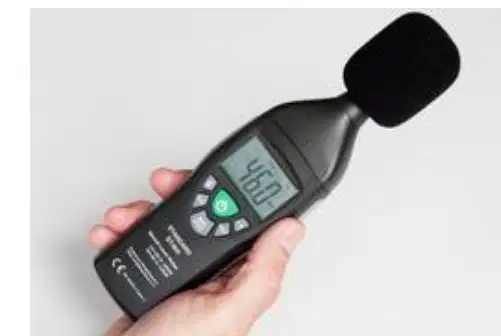
Which of the following instruments is used to measure noise?
Thermometer
Barometer
Sound level meter
Anemometer
What is the first step in controlling exposure to noise according to regulations?
Use hearing protection immediately
Remove all sources of noise
Make an assessment of the problem
Ignore the noise if it's not too loud
When should hearing protection be issued?
Only when noise is unbearable
Where extra protection is needed above noise control
After all other control methods have failed
Only in outdoor environments

What should be considered if the source of noise cannot be removed?
Increase the volume of noise
Use the appropriate hearing protection
Ignore the noise
Move to a different location

What is the primary purpose of the items shown in the image?
To enhance sound
To protect against noise
To improve hearing
To block light

Which of the following is NOT a type of noise protector shown in the image?
Earmuffs
Earplugs
Headphones
Noise-canceling helmet
What is the first step in the hierarchy of control for noise?
Can exposure to the noise be limited?
Can the noisy process or machinery be replaced?
Can the process be enclosed?
Can personal protective equipment be used?
What is the second step in the hierarchy of control for noise?
Can the noisy process or machinery be replaced?
Can exposure to the noise be limited?
Can the process be enclosed?
Can personal protective equipment be used?
What is the third step in the hierarchy of control for noise?
Can exposure to the noise be limited?
Can the noisy process or machinery be replaced?
Can the process be enclosed?
Can personal protective equipment be used?

