
 Worksheets
Confined Spaces Safety Quiz
Total questions: 65
Worksheet time: 33mins
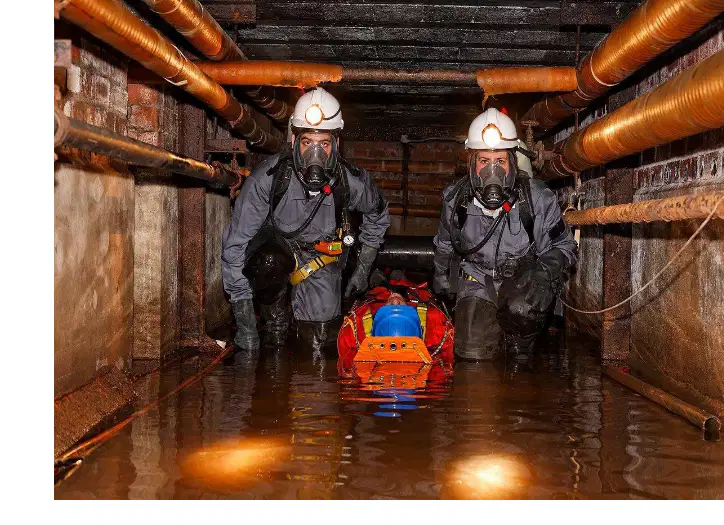
What is a characteristic of a confined space?
It is always open and easily accessible.
It is substantially enclosed with limited entry or exit.
It is designed for continuous occupation.
It poses no health hazards.
Why do confined spaces pose a health hazard?
They are always clean and well-ventilated.
They have unlimited access and space.
They are spatially restricted and may contain hazardous materials.
They are intended for continuous occupation.
What is NOT true about confined spaces?
They hinder activities inside.
They are intended for continuous occupation.
They may have restricted entry or exit.
They can pose health hazards.
Which regulation specifically addresses working in confined spaces?
The Confined Spaces Regulations 1997
The Management of Health and Safety at Work Regulations 1999
The Workplace Safety Regulations 2000
The Occupational Health and Safety Act 1995
What year was the Management of Health and Safety at Work Regulations enacted?
1995
1997
1999
2001
Which of the following is considered a confined space?
Open field
Attic
Playground
Garden
Which of these is NOT typically considered a confined space?
Crawl space
Catwalk
Storage bin
Parking lot
What type of space is a manhole considered?
Open space
Confined space
Recreational space
Public space
Which of the following is an example of a confined space?
Library
Vault
Classroom
Park
Which of the following is a hazard that may be encountered in confined spaces?
Poor air quality
Excessive lighting
Wide open spaces
High ceilings
What type of hazard involves materials that could engulf a worker in confined spaces?
Electrical hazard
Material engulfment
Noise pollution
Radiation exposure
Which of the following is an example of an atmospheric hazard in confined spaces?
Flammable gas
Loud noise
Bright light
Cold temperature
What kind of hazard is associated with low bulkheads or very low ceiling heights in confined spaces?
Chemical exposure
Head injuries
Slipping
Electrocution
Which of the following is a potential hazard due to sloping floors in confined spaces?
Slipping
Drowning
Electrocution
Radiation
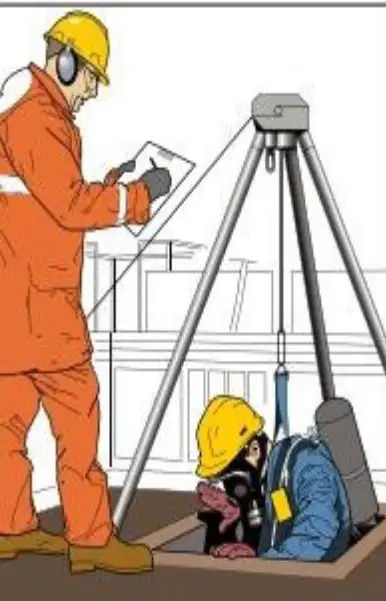
What is required before starting work in confined spaces?
A permit-to-work
A safety vest
A first aid kit
A flashlight
Why is it important to ensure access routes and hatches are large enough in confined spaces?
To allow for better lighting
To facilitate rescue operations
To improve air quality
To reduce noise levels
What should be tested in the air before working in confined spaces?
Temperature
Humidity
Gas levels
Noise levels
Which type of tools should be used in confined spaces to ensure safety?
Electric tools
Non-sparking tools
Heavy-duty tools
Multi-purpose tools
What is essential for communication when working in confined spaces?
Visual signals
Written notes
Communication between inside and outside
Loudspeakers
What is one of the key arrangements for emergency procedures in confined spaces?
Arrangements for rapid rescue
Arrangements for regular meetings
Arrangements for daily inspections
Arrangements for equipment maintenance
Why is it important to have trained and capable rescuers in confined spaces?
To ensure proper documentation
To handle equipment maintenance
To effectively perform rescues
To manage daily operations
What equipment is essential for emergency procedures in confined spaces?
Rescue and resuscitation equipment
Construction tools
Office supplies
Cleaning equipment

What should be done to improve the performance of emergency procedures?
Hold practices and modify procedures
Increase the number of workers
Reduce the number of drills
Focus on paperwork
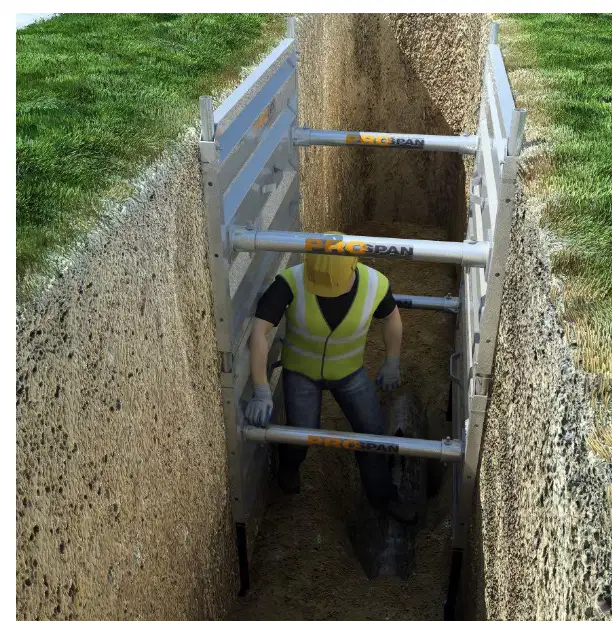
What is a trench?
A wide open field
A long narrow ditch
A tall building
A small pond

Which of the following is a hazard associated with working in trenches?
Trench/Soil Collapse
High Temperatures
Loud Noises
Electrical Shock
What is a potential risk when working in trenches related to air quality?
Loss of oxygen
Excessive humidity
High carbon dioxide levels
Strong winds
Which of the following is NOT listed as a hazard associated with working in trenches?
Plant and tools falling into the trenches
Ground contamination
Toxic gases
High voltage lines
Which of the following is a good protective measure for working in trenches?
Use of heavy machinery near the trench edges
Ignoring atmospheric hazards
Application of physical fall prevention measures
Working under suspended loads
What should be used for reversing trucks in trench areas?
No special equipment
Wheel stops and banksmen
Only banksmen
Only wheel stops
Why is it important to test for atmospheric hazards in trenches?
To ensure the trench is deep enough
To check for low oxygen and toxic gases
To measure the width of the trench
To verify the soil type
What type of personal protective equipment (PPE) is recommended for trench work?
Regular clothing
Hi-Vis PPE
No PPE required
Casual wear
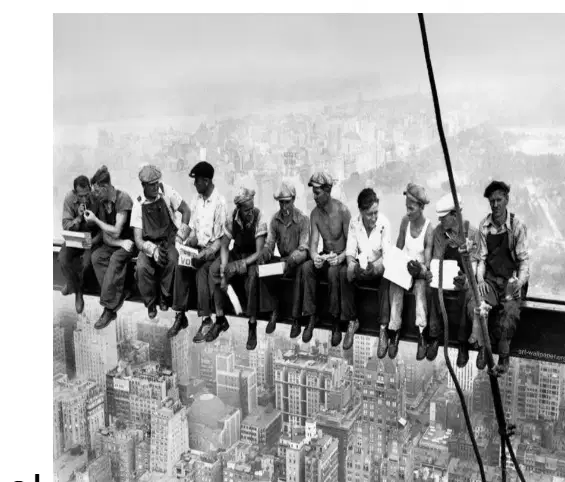
What do the Work at Height Regulations (2005) define as work at height?
Work in any place, including a place at or below ground level.
Work only on rooftops.
Work exclusively in underground tunnels.
Work in any place with a staircase.
According to the Work at Height Regulations (2005), what is a condition where a person could fall a distance liable to cause personal injury?
If measures required by the regulations were not taken.
If the work is done on a staircase.
If the work is done in a permanent workplace.
If the work is done below ground level.
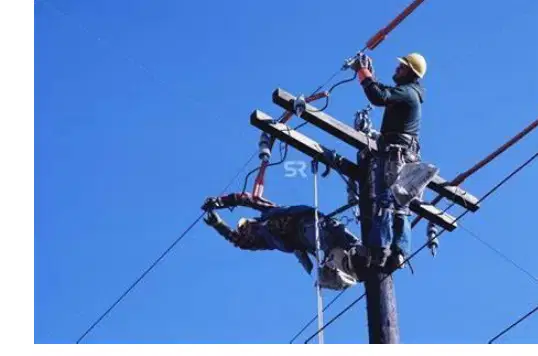
Who is at risk when working at height?
Office workers
Steel workers
Teachers
Chefs
What is one of the hazards of working at height?
Worker falling
Equipment malfunction
Weather changes
Noise pollution
What is a possible consequence of a fall from height?
Mild headache
Death
Minor cuts
Temporary dizziness
What are the two types of roofs that present particular dangers?
Flat roofs and metal roofs
Fragile roofs and sloping roofs
Wooden roofs and tiled roofs
Concrete roofs and glass roofs
What is a characteristic of fragile roofs?
Designed to carry heavy loads
Made of reinforced steel
Not designed to carry loads
Always flat
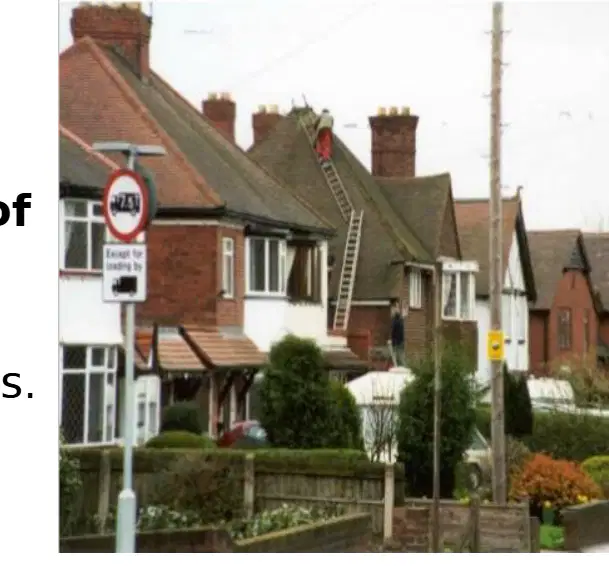
What is a danger associated with sloping roofs?
They are always flat
They have a pitch less than 5 degrees
Injury made worse by acceleration down the roof
They are made of glass
What can falls from any height cause?
Injury
No effect
Happiness
Growth
What is only one factor in falls from height?
Horizontal distance
Vertical distance
Speed
Weather
Falls less than how many metres can cause death or major injury?
One metre
Two metres
Three metres
Four metres
Which of the following is a risk associated with working at height?
Stable access equipment
Protected edges
Deterioration of materials
Calm weather
What is a potential hazard related to falling materials when working at height?
Secure storage of materials
Crumbling brickwork
Clean platform surfaces
Protected edges
Which of the following is NOT a concern when working at height?
Unprotected edges
Unstable access equipment
Good housekeeping
Weather
What is a consequence of bad housekeeping at height?
Accumulation of debris
Secure scaffolding
Protected edges
Stable weather conditions
What are some tasks that involve working at height for a power network operative?
Working up a pole
Working in an office
Working on a computer
Working in a warehouse
Which of the following is a rule for working at height?
Always work alone
Ignore safety equipment
Follow dead/live work rules
Use any ladder available
What is one of the most effective ways to reduce the risk when working at height?
Avoid using safety gear
Discuss and implement safety measures
Work as quickly as possible
Ignore weather conditions
Which of the following is a control measure for working at height?
Competence of workers
Color of equipment
Type of footwear
Number of workers
What is essential to check for equipment used at height?
Color coordination
Suitability and maintenance
Brand name
Weight of equipment
Why is planning and supervision important when working at height?
To ensure tasks are completed quickly
To minimize the need for equipment
To ensure safety and efficiency
To reduce the number of workers needed
What does PPE stand for in the context of working at height?
Personal Protective Equipment
Professional Performance Evaluation
Public Protection Entity
Personal Planning Exercise
Why is it important to consider weather conditions when working at height?
To ensure workers are comfortable
To prevent equipment theft
To ensure safety and prevent accidents
To reduce noise pollution
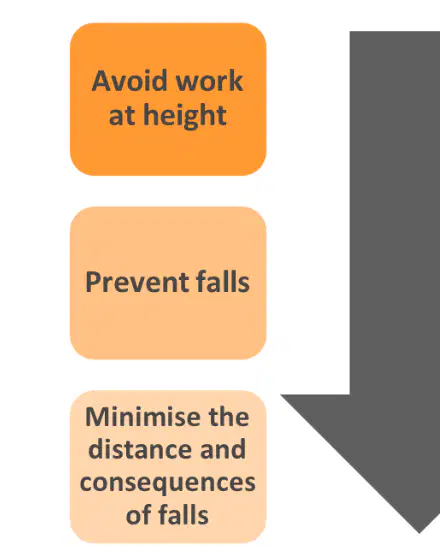
What is the first step in the hierarchy of controls for working at height?
Prevent falls
Avoid work at height
Use personal protective equipment
Minimize the distance and consequences of falls
When applying the last two controls in the hierarchy, what should be prioritized?
Personal protection
Cost efficiency
Protection for a large group
Speed of work

What is one way to modify the work process to avoid working at height?
Use a taller ladder
Work from ground level
Hire more workers
Use heavier equipment

How can a design be modified to reduce the need for working at height?
Use lighter materials
Change the design so that steel is assembled at ground level and craned into place
Increase the height of the structure
Add more windows
What is important to prevent falls from height and falling materials?
Proper planning and supervision of work
Ignoring safety protocols
Using outdated equipment
Relying on untrained personnel
What should those responsible for work at height be?
Experienced
Untrained
Inexperienced
Unqualified
What should be ensured by using knowledge in work at height?
Selection and use of correct access equipment
Ignoring safety measures
Using random tools
Avoiding inspections
Which of the following is NOT a responsibility for those working at height?
Ignoring equipment maintenance
Correct provision and handling of tools
Adequate information, instruction, and training
Regular inspection of the workplace

What is the first step in the falls hierarchy for working at height?
Equipment to arrest falls
Safe working platform
Properly installed suspended access equipment
Fit toe boards and brick guards
Which of the following is a measure to prevent falling materials?
Use of safety harnesses
Properly installed suspended access equipment
Fit toe boards and brick guards
Equipment to arrest falls
If the risk of falling materials remains, what additional measures should be taken?
Use of safety harnesses
Debris netting and covered walkways
Safe working platform
Equipment to arrest falls

