
 Worksheets
Units 1 & 2 Quiz
Total questions: 68
Worksheet time: 1hrs 18mins

Is the map diagram a function or not a function?
Function
Not a function
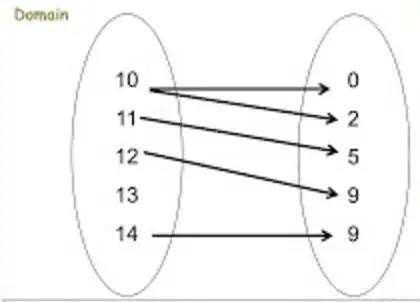
Function or Not a function?
Function
Not a function
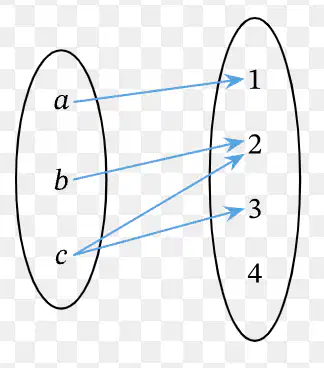
Function or Not a function?
Function
Not a function

Function or Not a function?
Function
Not a function
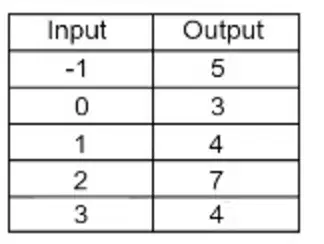
Function or Not a function?
Function
Not a function
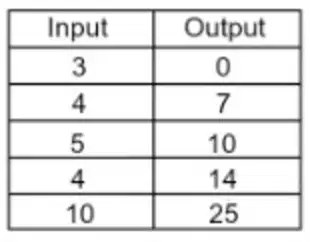
Function or Not a function?
Function
Not a function
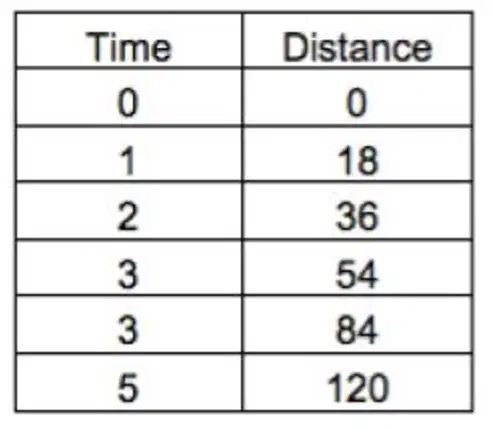
Function or Not a function?
Function
Not a function

Function or Not a function?
Function
Not a function
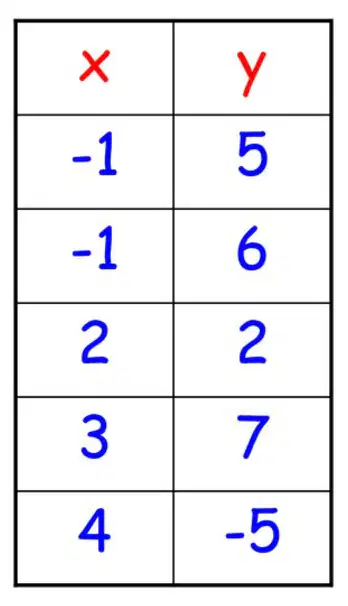
Function or Not a function?
Function
Not a function
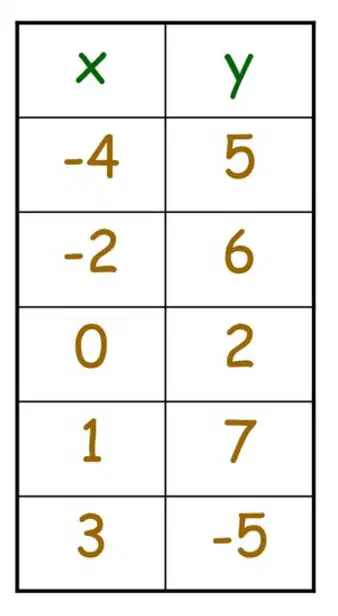
Function or Not a function?
Function
Not a function

Function or Not a function?
Function
Not a function

Function or Not a function?
Function
Not a function

Function or Not a function?
Function
Not a function

Function or Not a function?
Function
Not a function

Function or Not a function?
Function
Not a function

Function or Not a function?
Function
Not a function

Function or Not a function?
Function
Not a function

Function or Not a function?
Function
Not a function
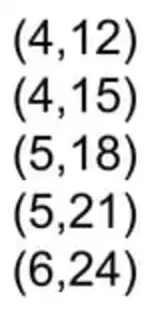
Function or Not a function?
Function
Not a function

What is the inverse function of the following points?
(-2,2),(-4,4), (-6,6), (-4,8)
(2,-2), (4,-4), (6,-6), (8,-4)

What is the inverse function of the following points?
(-2,-4), (-3,-2), (1,-3), (-5,-4)
(4,2), (2,3), (3,-1), (4,5)
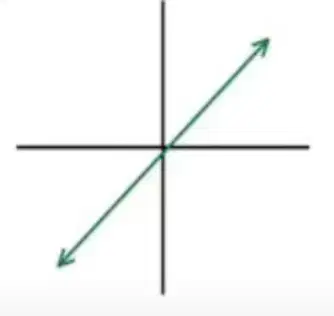
Function or Not a function?
Function
Not a function
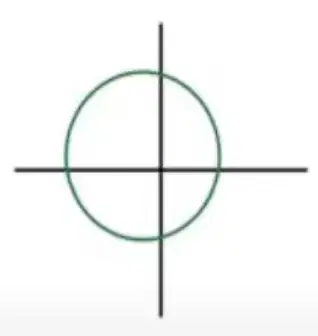
Function or Not a function?
Function
Not a function
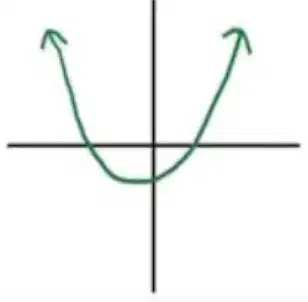
Function or Not a function?
Function
Not a function

Function or Not a function?
Function
Not a function
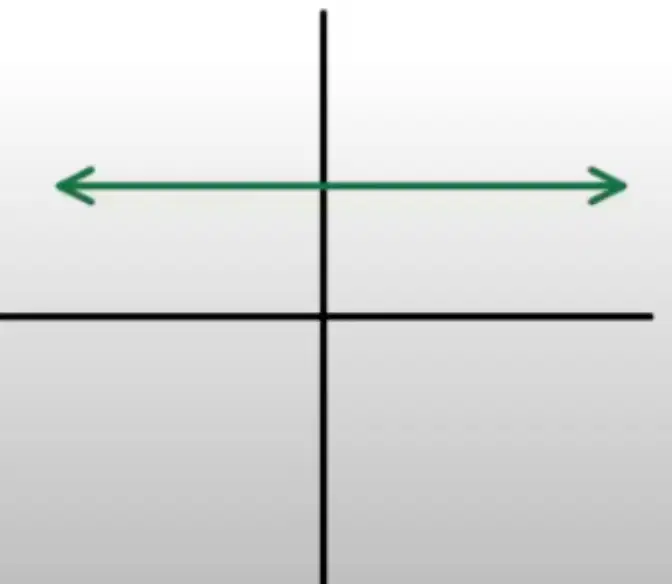
Function or Not a function?
Function
Not a function
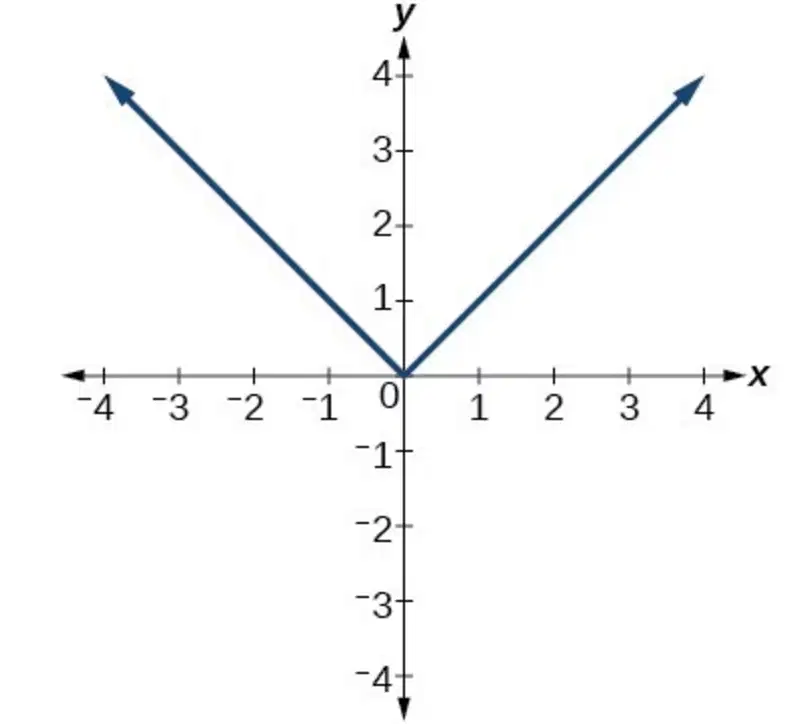
Function or Not a function?
Function
Not a function
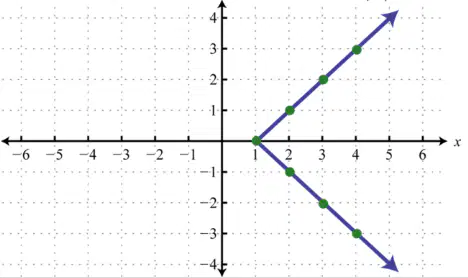
Function or Not a function?
Function
Not a function
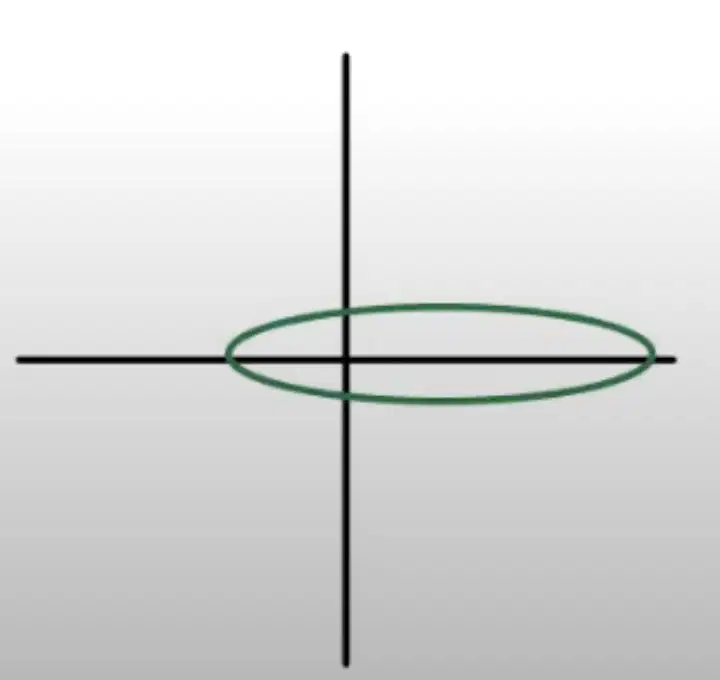
Function or Not a function?
Function
Not a function
Domain of (-∞, ∞)
Range of (-∞, 0]
What is the DOMAIN of the INVERSE function?
The domain is:
(-∞,∞)
The domain is:
(-∞,0]
The domain is [0,-∞)
Domain of [-6,6]
Range of (-3,4]
What is the DOMAIN and RANGE of the INVERSE function?
Domain: (-3,4]
Range: [-6.6]
Domain: [6,-6]
Range: [4,-3)
Domain: [4,-3]
Range: (6,-6)
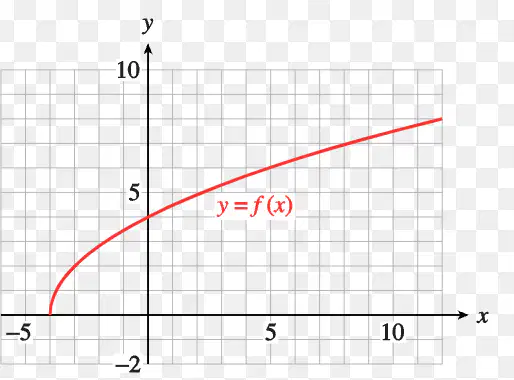
Does this function have an inverse function?
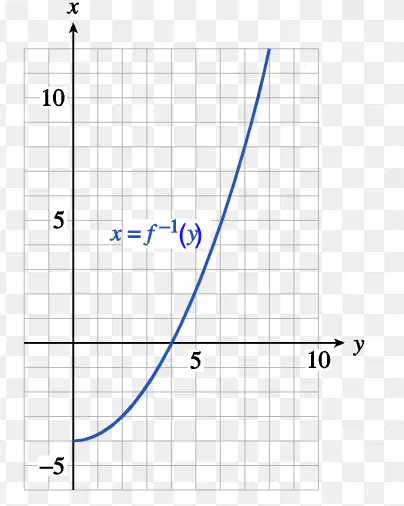
Yes
No

Does this function have an inverse function?

Yes
No
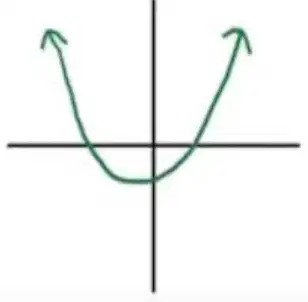
Does this function have an inverse function?
Yes
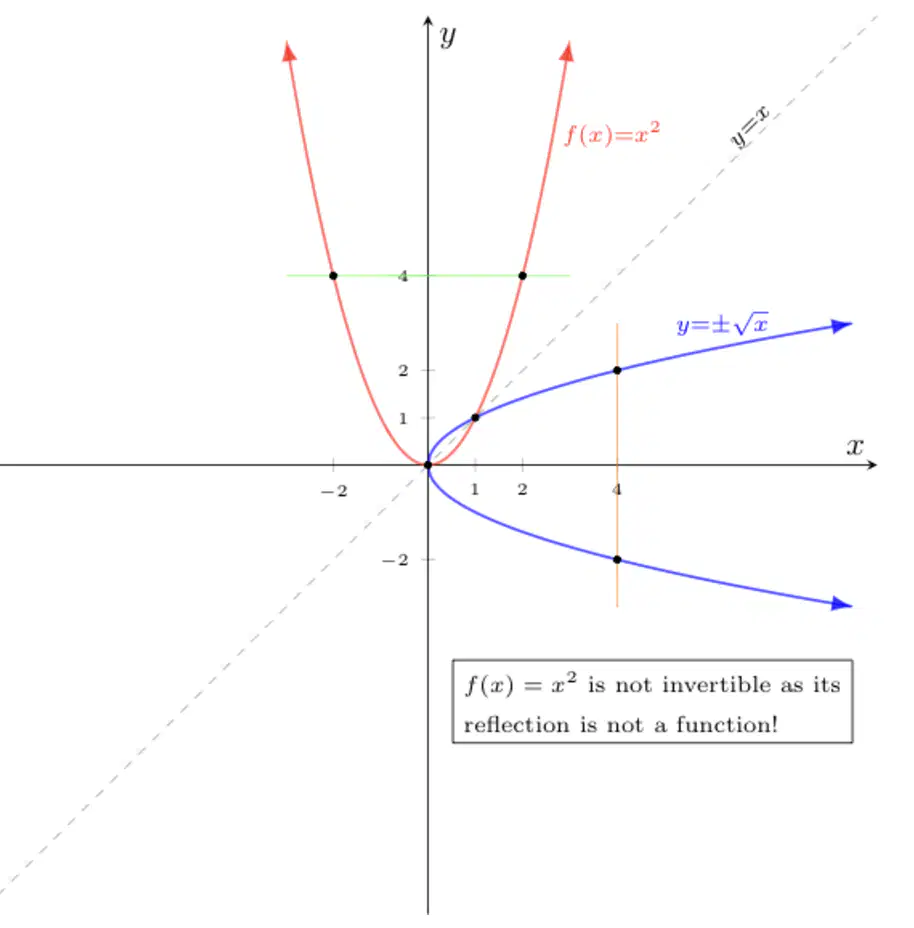
No
Which transformation has the original graph (blue) undergone to become the pink graph?
shifted down 2 units
shifted left 2 units
shifted up 2 units
shifted right 2 units

What are the coordinates for A from the original graph (blue) to the new graph (purple)?
A=(0,0)
A=(-4,1)
A=(-2,4)
A=(-6,5)
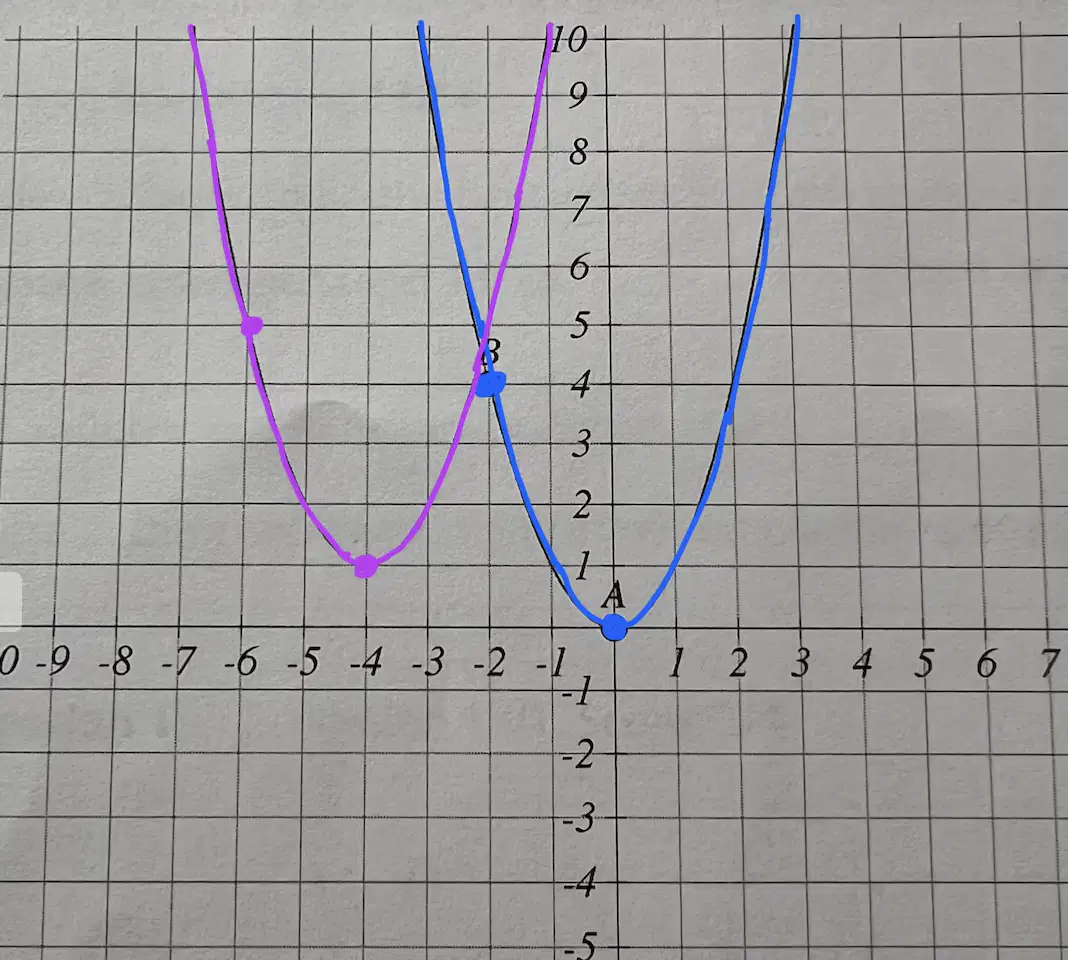
What are the coordinates of B from the original graph (blue) to the new graph (purple)?
B=(-4,1)
B=(-2,4)
B=(-6,5)
B=(0,0)

What are the coordinates of A from the original graph (red) to the new graph (blue)?
A=(1,8)
A=(0,0)
A=(0,7)
A=(1,8)

What are the coordinates for B from the original graph (red) to the new graph (blue)?
B=(1,8)
B=(-1,-1)
B=(0,0)
B=(0.7)

A point lies on the graph of y = f(x). If the graph is flipped or reflected across the x-axis, what is the coordinate of the point that (-7,-6) becomes?
(7,-6)
(-7,6)
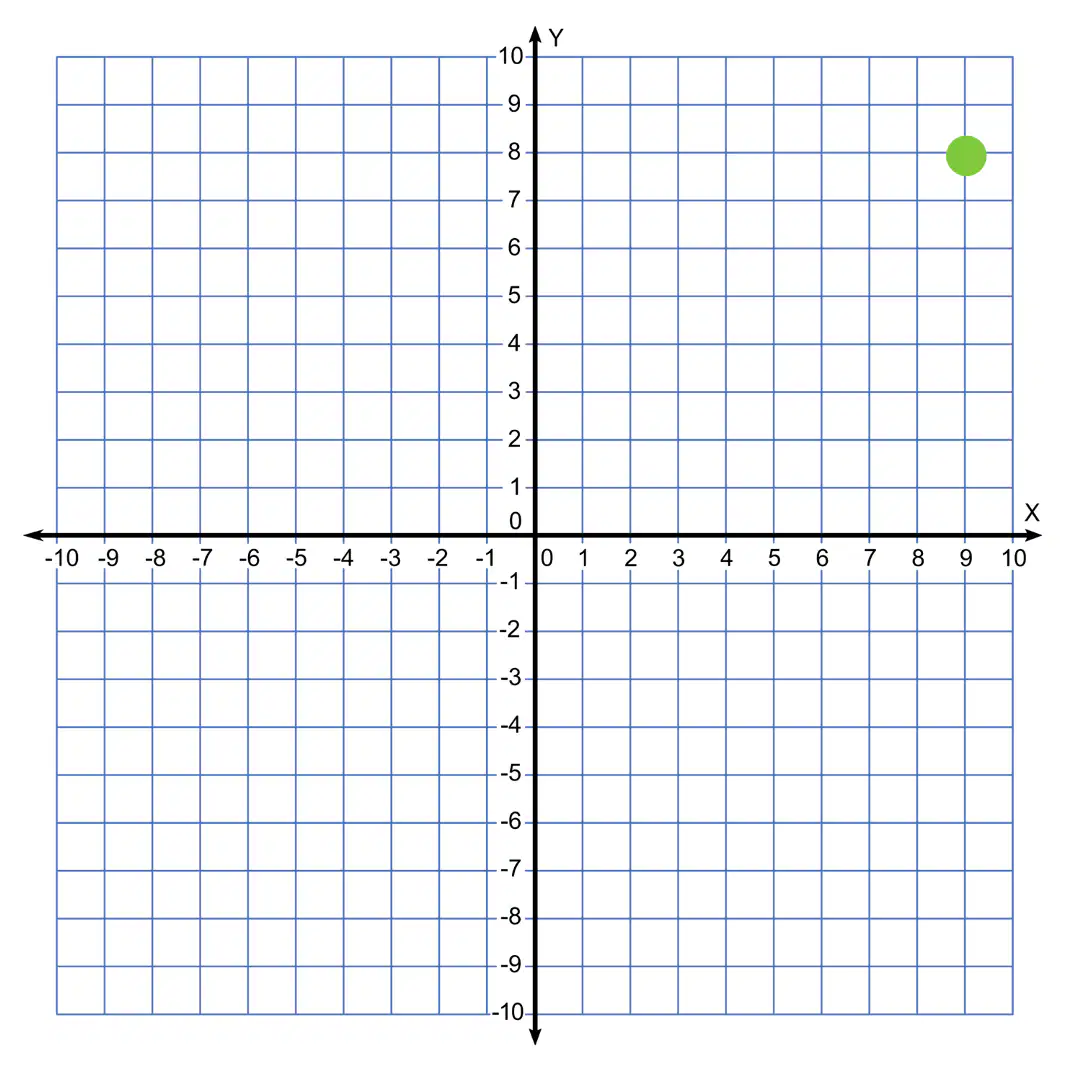
A point lies on the graph of y = g(x). If the graph is flipped or reflected across the y-axis, what happens to the point (9,8)?
(-9,8)
(9,-8)
A point (-2,-5) lies on the graph y = f(x). If the graph is STRETCHED (dilated) by a factor of 2, what happens to the points (-2,-5)?
(-2,10)
(-2,-10)
A point (-4,-16) lies on the graph of y = f(x). If the graph is compressed to 1/4 of the original height, what happens to the points (-4,-16)?
(-4,-4)
(-1,-16)
For a function to have an inverse function, it must be a 1-to-1 function. How can you tell a function is 1-to-1?
It must pass ONLY the horizontal line test.
It must pass the vertical OR the horizontal line tests.
It must pass BOTH the vertical and horizontal line tests.
It must pass ONLY the vertical line test.

A blue point (-3,9) is first compressed to 1/3 of its original height (y). Then reflected across the x-axis, and finally shifted left (along x-axis) 2 units. Where is the blue point after the transformations?
A
B
C
f(x) = 5x - 3
Find f(2).
4
7
3
49
f(x)=21x − 41
Find f(4).
47 or 1 43
2 41
41
1
Given a function h(x) = -3x + 2. What is the value of X if h(x) = 7? What equation should you use?
7 = -3x + 2
h(x) = -3(7) + 2
Given a function h(x) = -3x + 2. What is the value of X if h(x) = 7?
-19
x = −35
What is the domain?
X
Y
What is the range?
X
Y
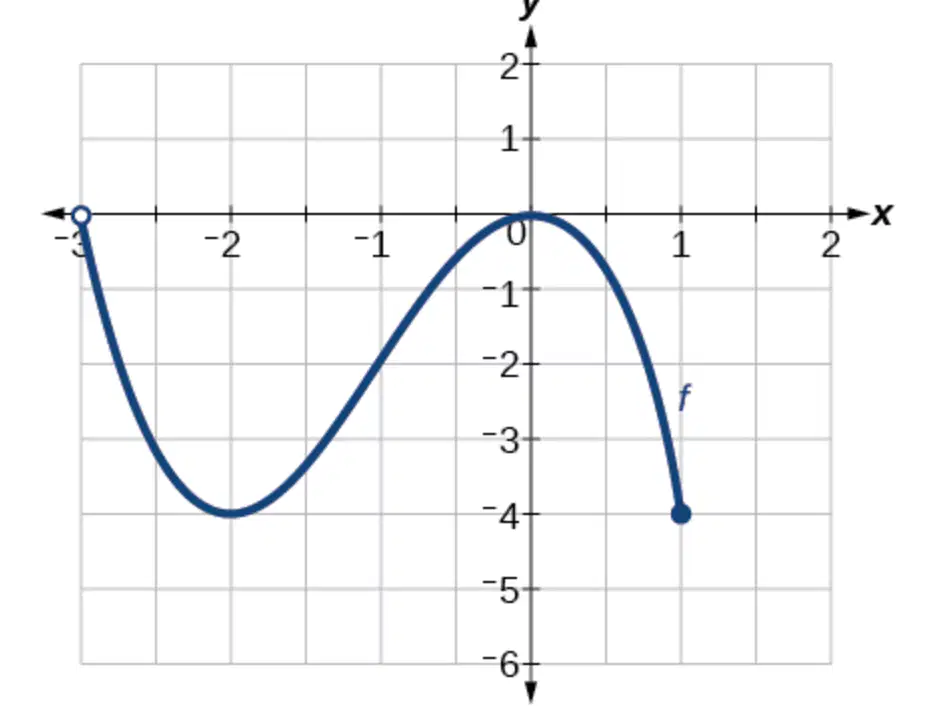
What is the domain for line f?
(-3,1)
(-3,1]
(0,-4)

What is the range of line f?
(-3.1)
{-3,1}
[-4,0)
{0,-4}
x: -8 -6 -4 -2 0
y: -22 -12 -2 8 18
What equation represents the table above?
f(x) = 5x + 18
f(x) 10x + 2
f(x)= 1/5x + 18
f(x) = 0.2x + 18
What is point slope form?
y = mx + b
y - y1 = m(x-x1)
What is the equation of the linear function that passes through the two points (2,5) and (5,11)?
y = 2x
y = 2x + 16
y = 2x + 1
Find the equation of the function that passes through the point (6,3) and the function is PARALLEL to the other function g(x) = -2/3x + 2.
y = -2/3 x + 7
y = -2/3 x + 5
Find the equation of the function that passes through the point (12,4) and the function is PERPENDICULAR to the other function g(x) = 3/4x + 4.
y = 4/3x + 12
y = -4/3 x + 12
y = -4/3x + 20
Find the equation of the line that passes through the two points (2,7) and (2,9).
x = 0
Undefined
y = 5
x = 5

What color line is the inverse of the red line?
Purple/Pink
Blue
Black
Green
What is the inverse of the linear function f(x) = 5x + 8? Step 1?
Rewrite in slope-intercept form
switch x and y
solve for y
rewrite with f^-1 (x)
What is the inverse of the linear function f(x) = 5x + 8? Step 2?
Rewrite in slope-intercept form
Switch places with x and y
solve for y
Rewrite with f^-1 (x)
What is the inverse of the linear function f(x) = 5x + 8? Step 3?
Rewrite in slope-intercept form
Switch the x and the y places
Solve for y
Rewrite f^-1 (x)
What is the inverse of the linear function f(x) = 5x + 8? Last step?
Rewrite in slope-intercept form
Switch places with x and y
Solve for y
Rewrite with f^-1 (x)
What is the inverse of the linear function f(x) = 5x + 8?
f^-1 (x) = -5x - 8
f^-1 (x) = 1/5x - 8
f^-1 (x) = -1/5x + 8
f^-1 (x) = 1/5x - 8/5
Parallel lines are consistent, and independent, and have infinitely many solutions.
Parallel lines are inconsistent and have no solutions
What are the steps to solving a system of equations using substitution?
1. solve for any variable
2. use in the other equation.
3. solve for the other variable.
4. Substitute it back into the original equation.
1. Set each equation in standard form.
2. eliminate 1 of the variables.
3. solve for 1 variable.

