
 Worksheets
Photography Basics Quiz
Total questions: 35
Worksheet time: 18mins

What are the Greek words that form the basis of the term "photography"?
Light and Writing
Light and Drawing
Light and Painting
Light and Sketching
This camera setting allows you freeze the object in time.
Portrait
Macro
Sport
Landscape
What is a key element discussed in relation to cameras in the context of photography?
Capturing sound
Capturing light
Capturing motion
Capturing color

What part of the camera is similar to the eyelids, opening and closing to control light?
Shutter
Lens
Aperture
Flash
How does the aperture of a camera function similarly to human eyes?
It changes color
It opens and closes to let in different amounts of light
It focuses on distant objects
It captures images
The shutter in a camera is compared to which part of the human body?
Heart
Eyelids
Ears
Nose

Which part of the camera controls the amount of light that enters?
Lens
Sensor
Aperture
Object
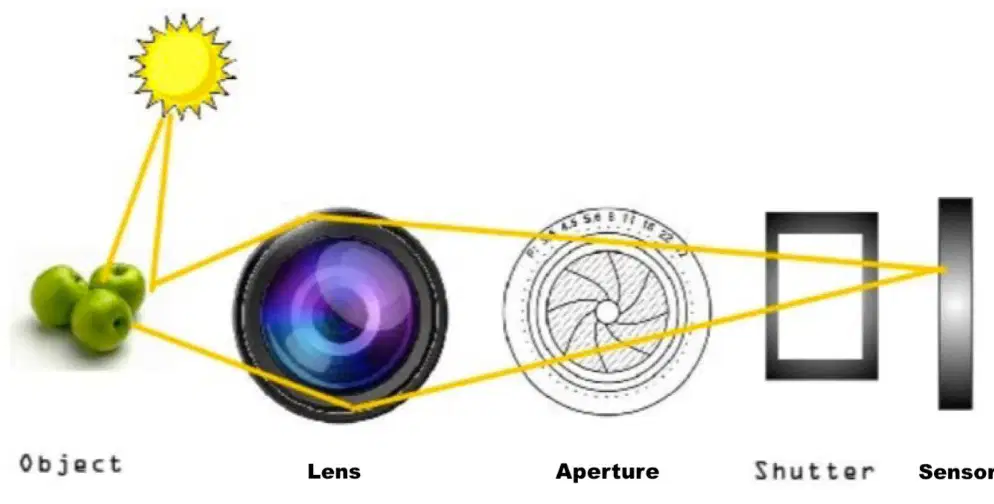
What is the role of the sensor in a camera?
To focus the light
To convert light into electrical signals
To control the light entry
To form the image
This camera setting lets you have total control.
Sport
TV
Portrait
Manual
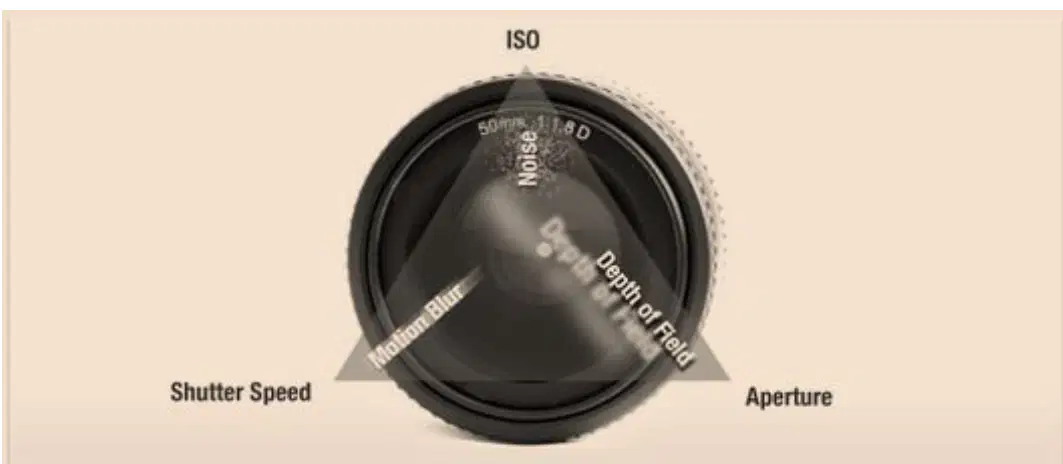
Which component of the Exposure Triangle affects the depth of field in a photograph?
ISO
Shutter Speed
Aperture
White Balance

In the Exposure Triangle, which component is primarily responsible for controlling motion blur?
ISO
Shutter Speed
Aperture
Focus

Which three elements work together to control the exposure of a photograph?
Aperture, Shutter, Sensor's sensitivity
Lens, Flash, Tripod
ISO, White Balance, Focus
Zoom, Contrast, Brightness

What is the function of the aperture in a camera?
It adjusts the camera's zoom level.
It controls the camera's power supply.
It can be opened small or wide and controls focus.
It changes the camera's color settings.
What are "f-stops" in relation to a camera?
They are settings for adjusting the camera's flash.
They refer to the aperture settings that control depth of field.
They are modes for changing the camera's resolution.
They are buttons for turning the camera on and off.

What is the term used to describe the setting that affects whether the main subject of a photo is blurry while the background is in focus?
Shutter speed
ISO
Aperture
White balance

In photography, what happens to the aperture number as the opening becomes larger?
The number becomes smaller
The number becomes larger
The number remains the same
The number doubles
What are the two types of depth of field?
Narrow and Broad
Shallow and Deep
Short and Long
Small and Large

What does the aperture setting in a camera primarily affect?
Shutter speed
Depth of field
ISO sensitivity
White balance
What does a small shutter number indicate in photography?
Slower exposure time
Faster exposure time
No change in exposure time
Longer exposure time
How does the shutter control affect motion in photography?
It blurs motion
It controls motion and freezing
It only affects color
It has no effect on motion
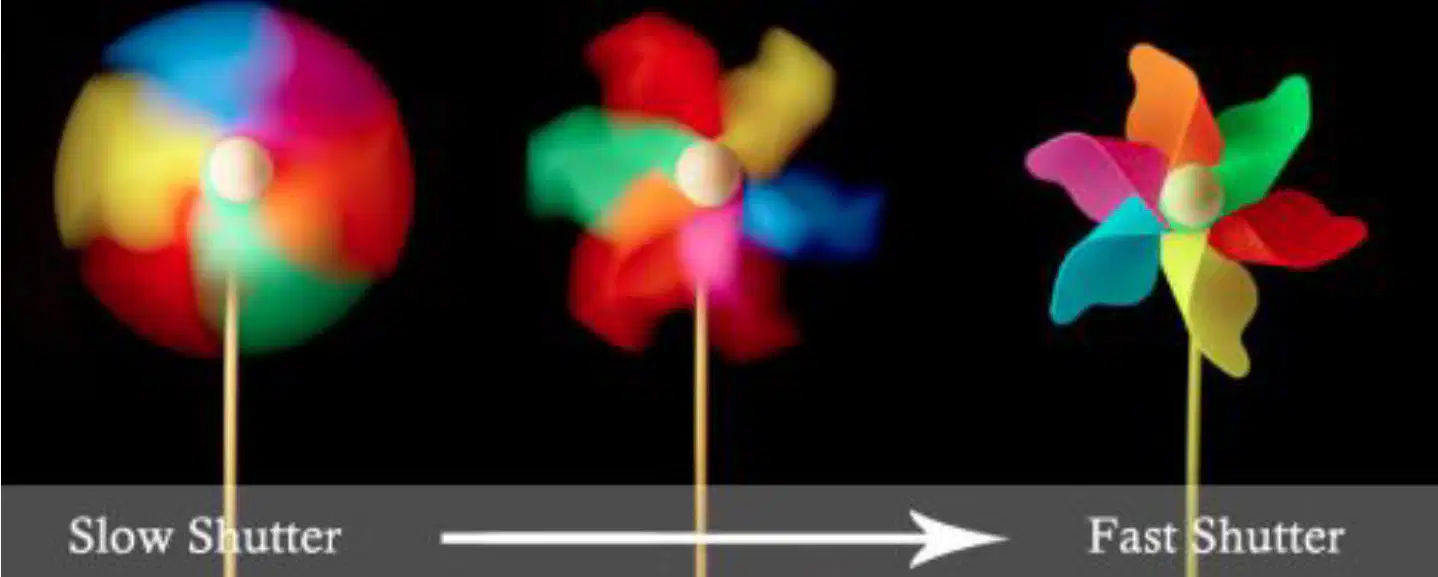
How does a fast shutter speed affect the appearance of a moving object in a photo?
It blurs the motion of the object.
It brightens the image.
It freezes the motion of the object.
It creates a double exposure effect.
What does the shutter speed control in a camera?
The color of the image
The amount of light entering the camera
The size of the image
The focus of the image

What is the effect of using a slower shutter speed on the amount of light needed?
More light needed
Less light needed
No change in light needed
Light needed depends on ISO

Would the images shown be created using FAST or SLOW shutter speeds?
Fast shutter speed
Slow shutter speed
Medium shutter speed
No shutter speed
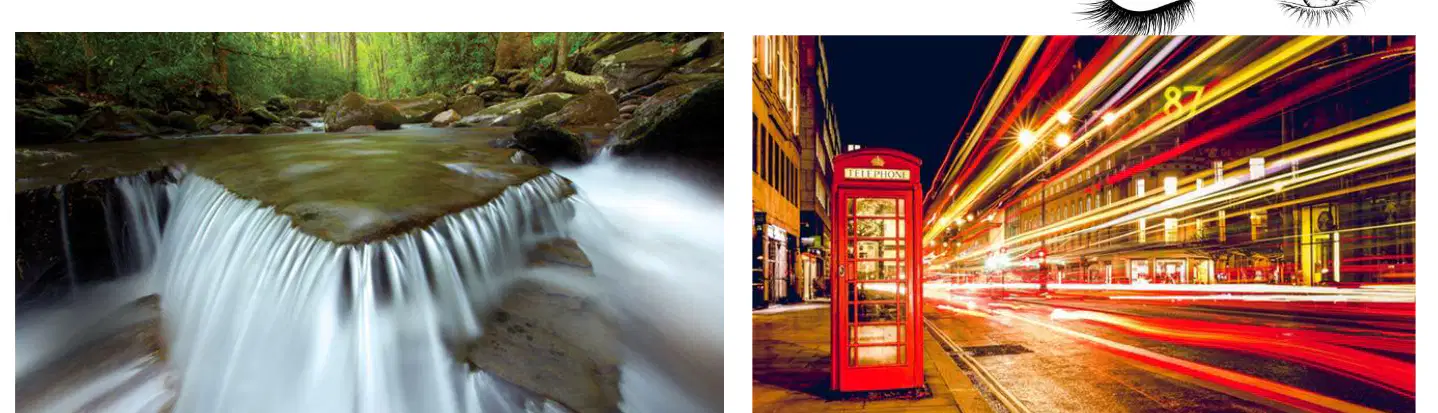
What effect does a slow shutter speed have on a photograph?
It makes the image darker.
It reduces the blur in the image.
It lets in more light and increases blur.
It sharpens the image.
What does the shutter speed of a camera primarily affect?
Color balance
Movement/Blur
Depth of field
ISO sensitivity

What is this button?
Zoom
Trash
Playback
Shutter
Which shutter speed would likely result in the most motion blur?
1/500
1/250
1/60
1/2
What does the aperture in photography primarily affect?
Motion
Focus (Depth of Field)
Sensitivity
Blur

In the context of photography, what does ISO primarily influence?
Color Balance
Sensitivity to Light
Depth of Field
Motion Blur
Which setting would you adjust to make a photo brighter without changing the aperture or shutter speed?
Zoom
Focus
White Balance
ISO
Which component of the Exposure Triangle would you adjust to reduce image noise in low light conditions?
Increase ISO
Decrease ISO
Increase shutter speed
Decrease aperture size
extremely zoomed in to show detail of subjects such as flowers, bugs, and eyes
portrait mode
landscape mode
macro mode
indoor mode
This camera setting gives a sharp main object, but blurs the background.
Sport
Portrait
Landscape
Manual

What is this called?
Flash
Zoom
Lens
Viewfinder

