
Font size
 Worksheets
Contracts (DBE)
Total questions: 69
Worksheet time: 35mins
A contract is:
a legally binding agreement between two or more parties
a casual conversation between friends
an informal promise with no legal value
a type of government regulation
The legal implications of contracts include which of the following?
They create legally binding obligations between parties.
They are always informal agreements with no consequences.
They only apply to verbal agreements.
They cannot be enforced by law.
What is a contract? A contract can be defined as an agreement enforceable by law between two or more parties (people or businesses), in which they promise to fulfill certain ________.
obligations
celebrations
decorations
vacations
A contract is a legally binding agreement.
True
False
In a legally binding contract, the people or parties that are involved are bound to perform (or not perform) a certain task, or give goods or services in return for ________.
something
nothing
punishment
permission
Who are the parties to a contract? The parties to a contract are the ______ or ______ that have entered into an agreement.
people; businesses
judges; lawyers
countries; states
witnesses; notaries
Agreements may be simple when they involve how many parties?
One party
Two parties
Three parties
Four parties
Agreements can become very complicated when there are more than two parties involved.
True
False
According to the details of a contract, what must be stipulated regarding the parties involved and their agreement?
The information of the parties involved in the contract and the terms and conditions of their agreement must be stipulated.
Only the signatures of the parties must be stipulated.
The contract must only mention the date of agreement.
Only the payment details must be stipulated.
According to the details of a contract, what does the contract include regarding proposals?
The contract includes a proposal by one party and an acceptance of the proposal by another party.
The contract includes only the acceptance of a proposal by both parties.
The contract includes a proposal by both parties without acceptance.
The contract includes only the rejection of proposals by both parties.
Which of the following could be included as additional details in a contract?
Payment arrangements
Duration of the agreement
The date the agreement comes into effect
All of the above

What is an employment contract?
A legal agreement between an employer and an employee that sets out the terms and conditions of employment.
A verbal promise between friends.
A contract for buying goods.
A temporary agreement with no legal standing.
The contract states what the employee will be doing in the business and the reward that he or she will receive.
True
False
An employment contract should contain the following aspect: Details of the employer (for example, name of the business, physical address and contact details.)
True
False
An employment contract should contain details of the ________ (for example, full name, physical address and ID number.).
employee
employer
witness
contractor
An employment contract should contain details of the ________ and salary package.
wages
location
duration
department
One of the rights and responsibilities of an employer is to provide fair _______ to the employee.
remuneration
punishment
criticism
delay
An employer must provide a reasonably safe _______ environment to employees.
working
eating
sleeping
shopping
According to the Labour Relations Act (LRA) and the Basic Conditions of Employment Act (BCEA), what types of leave must an employer grant to employees?
Only sick leave
Vocational leave, family responsibility leave, and sick leave
Only family responsibility leave
Only vocational leave
An employee must make his/her services available to the employer within an agreed period as stipulated in the _________
employment contract
company handbook
salary slip
performance review
An employee must act in accordance with their ________ for which they were hired for.
skills
hobbies
friends
location
An employee must act in accordance with what is in the best interests of the ________ instead of that of his/her own interests and for that reason misappropriation, misconduct and dishonesty cannot be tolerated.
business
family
government
community
What is an insurance contract?
An insurance contract is an agreement between the insurer (insurance company) and the insured (the policyholder), in which the insured pays an agreed amount of money (monthly premiums) to the insurer so that the insured will receive compensation when a specified event happens.
An insurance contract is a document that only provides information about different types of insurance policies without any legal agreement.
An insurance contract is an agreement where the insurer pays the insured monthly premiums for no specific reason.
An insurance contract is a verbal promise between two friends to help each other in times of need, without any written agreement.
Who pays the monthly premiums in an insurance contract?
The insured (the policyholder) pays the monthly premiums.
The insurance company pays the monthly premiums.
The government pays the monthly premiums.
The beneficiary pays the monthly premiums.
Insurance transfers the risks from the individual or business to the insurance company in exchange for monthly premiums.
True
False
What is the main purpose of an insurance contract?
To transfer risks from the individual or business to the insurance company in exchange for monthly premiums, and to provide compensation to the insured when a specified event happens.
To increase the financial burden on the insured through additional fees.
To guarantee profits for the insurance company regardless of claims.
To provide investment advice to the insured.
Which type of personal insurance is a long-term insurance policy that provides compensation for the dependent/s of the policyholder when he/she dies?
Life insurance
Health insurance
Travel insurance
Motor insurance
Which type of personal insurance is a short-term insurance policy that compensates individuals against risks such as fire, flood, burglary, or theft?
Home and content insurance
Life insurance
Health insurance
Travel insurance
Which type of personal insurance compensates the policyholder against risks such as accidents, theft, or hijacking?
Vehicle insurance
Health insurance
Life insurance
Travel insurance
What does property insurance insure a business against?
Losses or damages to the physical structures of the business.
Employee health benefits and medical expenses.
Losses due to employee theft or fraud.
Legal liabilities arising from customer lawsuits.
General liability insurance insures the business against being sued for ________.
negligence
profit loss
employee turnover
property appreciation
Vehicle insurance insures the businesses’ vehicles against risks such as accident, damage to the vehicle, or ________.
theft
fire
flood
earthquake
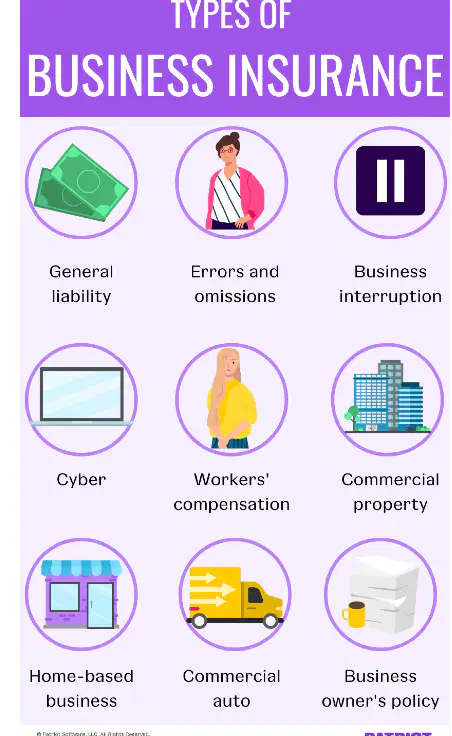
Which of the following is NOT a type of business insurance listed in the image?
General liability
Workers' compensation
Health insurance
Cyber insurance
Match the following types of business insurance with their correct description:
Property insurance
Insures against losses or damages to physical structures
General liability insurance
Insures against being sued for negligence
Vehicle insurance
Insures vehicles against accident, damage, or theft
According to the responsibilities of the insured in an insurance contract, what should the insured do before signing the insurance contract?
Ignore the terms and conditions
Read the contract thoroughly and make sure he or she understands the terms and conditions
Only sign if someone else recommends it
Sign without reading
According to the responsibilities of the insured in an insurance contract, the insured must adhere to all the details in the contract and must also be ______ in his or her dealings with the insurance company.
honest
careless
secretive
indifferent
aggressive
If the insurance company finds out that there was any dishonesty from the insured, what may the insurance company decide to do?
Pay out all benefits
Ignore the dishonesty
Decide not to pay out any benefits to the insured
Increase the premium
The insurer must clearly explain the terms and conditions to the insured before he or she is made to ______ the agreement.
sign
read
reject
ignore
Which of the following is a responsibility of the insurer?
Ignore claims
Process claims quickly and fairly
Delay all promises
Refuse to explain terms
If the insurer fails to carry out their responsibilities, what right does the insured have?
The insured has the right to refer the matter to the insurance ombudsman.
The insured must accept the insurer's decision without complaint.
The insured can terminate the policy immediately without any consequences.
The insured is required to pay additional premiums.
What is a hire purchase agreement?
A contract between a customer and a business where the customer takes possession of a product and pays in fixed instalments over a period.
A contract where the customer pays the full price upfront before receiving the product.
An agreement where the business retains ownership and the customer never takes possession of the product.
A contract that only allows the customer to rent the product for a limited time without the option to buy.
In a hire purchase agreement, how does the customer pay for the product?
In a single payment
In fixed instalments over a given period
After using the product for a year
Only if the product is not returned
Why might a business enter a hire purchase contract?
To purchase expensive assets like vehicles and equipment when they do not have the required capital to purchase them outright.
To sell products at a discount.
To avoid paying taxes.
To hire more employees.
What is a lease contract?
A contract to buy assets
A contract to lease or rent assets
A contract to sell assets
A contract to insure assets
Which of the following assets can be leased?
Building
Vehicle
Computer
All of the above
A lease agreement is a contract between the ______ and the ______.
lessee; lessor
buyer; seller
borrower; lender
tenant; agent
In a lease agreement, who pays monthly premiums for using the asset?
Lessor
Lessee
Both
None
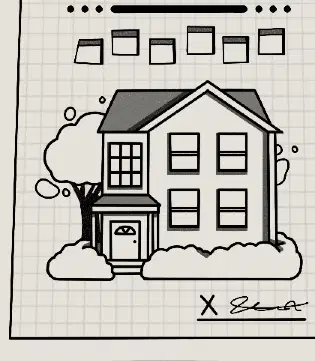
Define 'Lease' as given in the image.
A contract by which one conveys real estate, equipment, or facilities for a specified term and for a specified rent.
A document that transfers ownership of a vehicle permanently.
A type of insurance policy for property damage.
A legal agreement to sell goods internationally.
The lessor must make sure that the asset or property is available at the ______ date.
agreed
final
random
expected
The lessor must make sure that the asset is in ______ condition at the time of the agreement.
good
bad
average
poor
The lessor must ensure that he or she fulfills all the ______ in the contract.
promises
penalties
delays
complaints
The lessee must pay the agreed ______ on time, or else he/she has breached the contract.
premium
deposit
interest
tax
The lessee must take good care of the ______ during the lease period.
asset
contract
payment
agreement
The lessee must inform the ______ should he or she want to make any improvements to the asset.
lessor
tenant
agent
auditor
What is a rental contract?
An agreement between a landlord and a tenant for monthly rent and property use
A contract for buying a house
An agreement between two tenants
A contract for selling property
Who are the two parties involved in a rental contract?
A landlord and a tenant
A buyer and a seller
A teacher and a student
A doctor and a patient
In a rental contract, the tenant pays _______ rent for using the property.
monthly
yearly
weekly
daily
According to 'The Rights and Obligations for the Landlord and Tenant', the landlord must give the tenant access to the property on the _________
agreed date
first of the month
end of the lease
date of inspection
According to 'The Rights and Obligations for the Landlord and Tenant', the landlord must make sure that the property is in ________ at the time of signing the agreement.
good condition
bad condition
unfinished state
temporary use
According to 'The Rights and Obligations for the Landlord and Tenant', who is responsible for the major maintenance of the property, for example, wear and tear?
The tenant
The landlord
The property manager
The government
A binding contract is legally enforceable. Several factors determine whether or not a contract is legally enforceable. One of these factors is: The parties entering into a contract must have ________ capacity.
contractual
financial
physical
emotional
A binding contract is legally enforceable. Several factors determine whether or not a contract is legally enforceable. One of these factors is: The agreement must be ________.
reasonable
colorful
expensive
temporary
A binding contract is legally enforceable. Several factors determine whether or not a contract is legally enforceable. One of these factors is: The agreement must be ________ possible.
legally
physically
emotionally
financially
The contract should clearly describe the _______ and responsibilities of the parties in it.
rights
colors
locations
flavors
It should describe the activities and the _______ for their implementation.
timeframe
location
budget
participants
It should also state if any responsibilities could be _______ and what those are.
permitted
ignored
delayed
refused
True or False: The rights and responsibilities of the parties in a contract will always be the same for every contract.
True
False
Once an offer has been made and accepted, there is a contract that is binding on all the parties and is enforced by law.
True
False
Any product or asset in a contract should be in _______ condition.
good
bad
broken
expired

