
 Worksheets
Kitchen Safety/Foodborne Illnesses Assessment
Total questions: 70
Worksheet time: 30mins
What should you do before cleaning an electrical appliance?
Turn it off and unplug it.
Wipe it with a wet cloth.
Use a metal tool to clean it.
Leave it plugged in but turn it off.
When chopping vegetables, which safety technique is recommended?
Cut directly on the countertop
Hold the knife by the blade
Use a cutting board and tuck your fingers under
Use your other hand to hold the blade steady
Which of the following should NOT be used to put out a kitchen fire?
Baking soda
A fire extinguisher
A glass of water
A pan lid
What is the best way to prevent cross-contamination?
Use separate cutting boards for raw meat and vegetables.
Wash hands only after handling raw food.
Use the same knife for all ingredients.
Rinse raw chicken under hot water before cooking.
Which of the following items should not be placed in a microwave?
Plastic container
Wooden spoon
Metal spoon
Silicone spatula
What actions should you take to safely extinguish a grease fire? Select all that apply.
Turn off the stove immediately.
Cover the flames with a metal lid.
Use salt or baking soda to put out the fire.
Apply baking soda to the flames.
Use water to douse the flames.
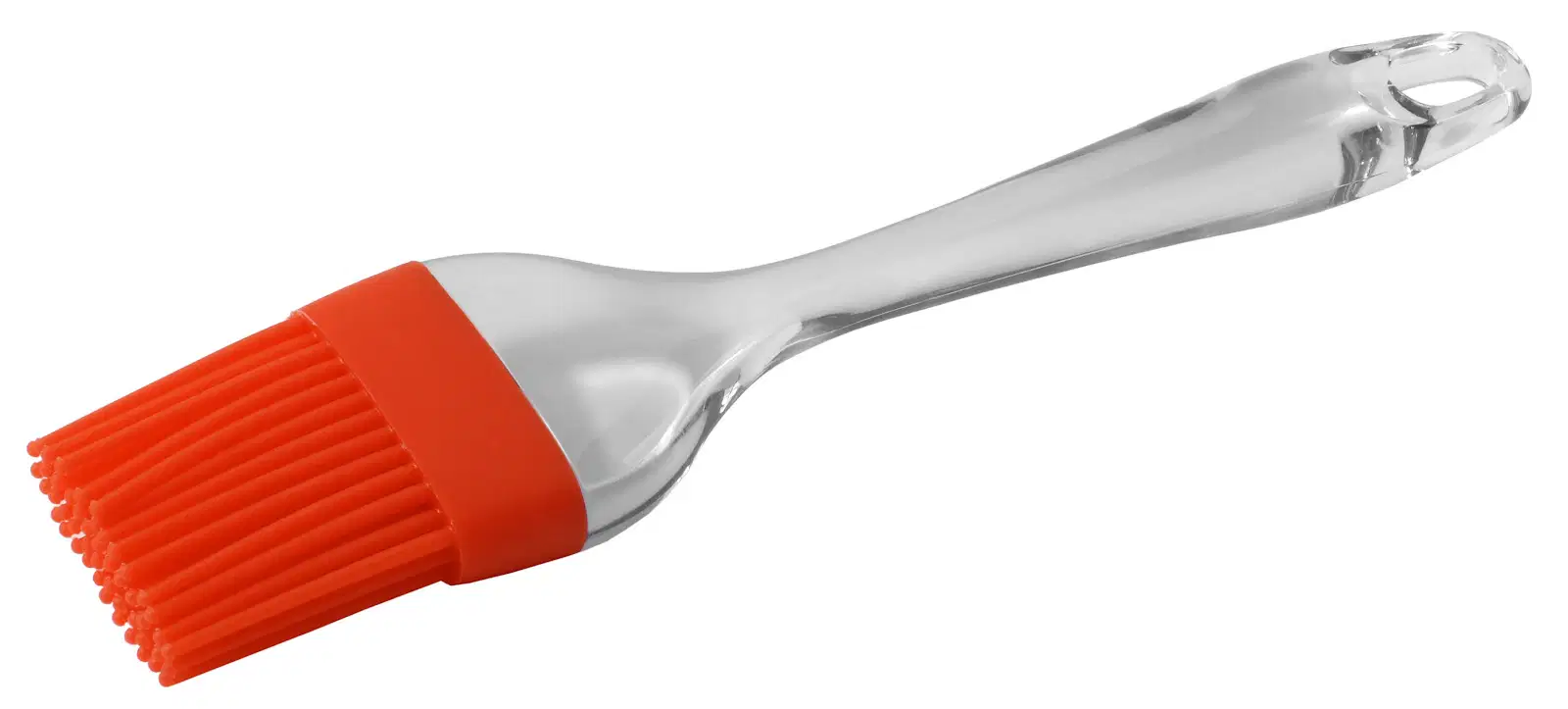
Which tool is commonly used to apply glaze in baking?
paint brush
pastry brush
cream cheese spreader
frosting spreader

Which kitchen tool is used for flipping food?
spatula
whisk
ladle
tongs
In food safety, a substance that poses a risk when consumed or inhaled is referred to as a __________ hazard.
biological
physical
mental
chemical
Why are young children more susceptible to foodborne illnesses?
They have a preference for raw foods.
Their immune systems are still developing.
They have a natural resistance to foodborne illnesses.
They consume more processed foods than adults.
What is a common symptom of jaundice?
Yellowing of the skin and eyes
Increased appetite
Improved liver function
Frequent headaches
Which type of food is most likely to cause a Salmonella infection?
raw eggs
unwashed leafy greens
undercooked pork
contaminated dairy products
Which of the following foods is most likely to cause a Salmonella infection if not handled properly?
raw seafood
raw and undercooked poultry
unwashed leafy greens
pasteurized milk
all of the above
What are the substances that trigger allergic reactions called?
antigens
hormones
allergens
enzymes
What temperature range is considered safe for storing food?
Below 41°F or above 135°F
Between 41°F and 135°F
Between 31°F and 185°F
Below 31°F or above 185°F
You should check the internal temperature of meat using a thermometer.
True
False
What is the best practice for storing raw poultry in the refrigerator?
On the top shelf of the refrigerator
In a sealed container on the counter
On the bottom shelf of the refrigerator
At room temperature in a plastic bag
When thawing foods safely, you should run the food under __________ water.
hot
cold
none of the above
Is it safe to defrost food on the kitchen counter?
Yes
No
Which has a larger volume, a cup or a tablespoon?
cup
tablespoon
they are the same in volume
Which bacterium is most commonly associated with raw or undercooked poultry?
E. coli
Salmonella
Listeria
Hepatitis A
What is a common sign of a foodborne illness?
Nausea and stomach cramps
Itchy eyes and sneezing
Back pain and fatigue
Headache and dizziness
What is an effective way to minimize the risk of contamination from raw fruits and vegetables?
Boil them for 10 minutes
Rinse them under cold running water
Store them in a sealed container
Expose them to air for a few hours
Which of these bacteria is commonly associated with undercooked poultry?
Salmonella
Botulism
Listeria
E. coli
What is the safest action to take if you think food may be unsafe to eat?
Inspect it for any visible mold
Refrigerate it to kill bacteria
Dispose of it without tasting
Boil it to eliminate germs
Which of the following individuals is most at risk for serious complications from foodborne illness?
A healthy teenager
A pregnant woman
An adult who exercises regularly
Someone who eats a lot of processed food
At what minimum internal temperature should poultry be cooked to ensure food safety?
150°F
155°F
165°F
175°F
Which of the following practices helps prevent the spread of bacteria in the kitchen?
Using the same cutting board for all foods
Washing hands with soap and water before handling food
Leaving raw meat out at room temperature
Using a damp cloth to wipe surfaces
What is a typical sign of food poisoning?
Fever and chills
Stomach pain and vomiting
Dry mouth and thirst
Joint pain and swelling
How can you minimize the risk of cross-contamination while preparing meals?
Use different utensils for raw and cooked foods.
Rinse all ingredients in the same bowl.
Store cooked food below raw meat in the fridge.
Use a single towel for all cleaning tasks.
Which of the following is a safe practice when handling raw chicken?
Rinse it under hot water before cooking.
Marinate it at room temperature.
Cook it to an internal temperature of 165°F.
Leave it out on the counter to thaw.
Olivia is about to prepare a meal for her family. Why is it important for her to wash her hands before starting?
To remove visible stains
To avoid contamination from germs
To make hands feel refreshed
To warm up the hands
What is the primary reason for cooking meat to a specific internal temperature?
To enhance flavor
To ensure tenderness
To kill harmful bacteria
To improve color
Which of the following is a common method to prevent food spoilage?
Leaving food uncovered
Storing food at room temperature
Refrigerating perishable items
Using the same utensils for raw and cooked food
What is the recommended way to handle leftovers to ensure food safety?
Leave them out overnight
Store them in shallow containers
Reheat them only once
Mix them with fresh food
What is the best way to prevent cross-contamination in the kitchen?
Use the same knife for all foods.
Use separate cutting boards for raw meat and vegetables.
Wash all foods together.
Store raw meat above vegetables in the fridge.
Which of the following is a safe method for cooling hot food quickly?
Leave it on the counter until it cools.
Place it in the refrigerator immediately.
Divide it into smaller portions and refrigerate.
Cover it tightly and let it sit at room temperature.
What is the recommended way to wash your hands to ensure food safety?
Wipe hands with a dry towel
Rinse with cold water for 5 seconds
Use hand sanitizer only
Wash with soap and warm water for at least 20 seconds
What is the best way to store raw meat in the refrigerator to prevent contamination?
Next to cooked foods
On the top shelf above other foods
In an open dish on the middle shelf
In a sealed container on the bottom shelf
Which of the following is a safe practice when reheating leftovers?
Reheat without covering.
Reheat until steaming hot throughout.
Reheat only until warm.
Reheat in the microwave for 30 seconds.
What is a common method to ensure eggs are safe to eat?
Consume them raw
Cook until both the yolk and the white are firm
Store them at room temperature
Wash them with soap before use
Which are the 5 groups of food mentioned in "MyPlate"?
Fruits, Vegetables, Sweets, Dairy, Grains, and Protein
Fruits, Vegetables, Cheese, Cereal, and Protein
Fruits, Vegetables, Meat, Fat, and Grains
Fruits, Vegetables, Grains, Protein, and Dairy
Staying hydrated and maintaining the right amount of water in the body is NOT something you need to be concerned about.
True
False
Examples of minerals include calcium and iron.
True
False
True or false: Half of your plate should be fruits and vegetables.
True
False
What type of calories do we consume when we drink a Coke?
Sugar
Water
Empty Calories
Full Calories
Which nutrient is found in dark, leafy greens? (Hint: It is the same nutrient found in dairy foods and drinks.)
Fiber
Calcium
Vitamin D
Potassium
Which protein foods are considered "lean" or low in saturated fat?
Eggs
Black Beans
Canned Salmon
Peanut Butter
Combination foods are those that include more than one food group. Name the food groups included in the combination food: Hawaiian pizza.
Grains
Protein
Dairy
Vegetables
Fruits
Combination foods are ones that include more than one food group. Name the food groups included in the combination food: Spaghetti with ground beef, tomato sauce and parmesan cheese
Grains
Protein
Dairy
Vegetables
Fruits
In addition to eating a balanced diet from all 5 food groups that is low in saturated fat and added sugar, what is something else you can do to keep your body healthy?
Always take the elevator
60 minutes of physical activity everyday
Stay sitting for all hours of the day
Drive to school instead of walk
calcium and iron are examples of
carbohydrates
vitamins
protein
minerals
fish, nuts, avocados are examples of
water
vitamins
fats
carbohydrates
What are the 6 essential nutrients?
carbohydrates, fats, protein, vitamins, minerals, water
water, apples, carbohydrates, fats, compounds, meats
carbohydrates, fats, protein, vitamins, seafood, veggies
apples, bananas, green beans, eggs, tofu, steak
What nutrient provides our body with energy?
water
fats
carbohydrates
minerals


What nutrient keeps our bodies hydrated?
Vitamins and Minerals
Protein
Water
Carbohydrates

When you don't drink enough water you can become:
silly
hyper
intoxicated
dehydrated
Your body need protein for?
growth, repair and maintenance
growth only
growth and your immune system
your immune system
What is the role of protein in the body?
Is the main source of energy for the body
Helps to build and repair body tissue
Provide warmth and cushioning to the body's organs
Helps to transport vitamins through the body
All of the above are roles of protein in the body
Which of the following is a safe way to thaw frozen meat?
In warm water for several hours
In the refrigerator
Next to fresh produce
On the kitchen counter overnight
What should you do before using fruits and vegetables to reduce the risk of foodborne illness?
Peel them without washing
Rinse them under running water
Dry them with a dirty towel
Soak them in soap water
Which of the following is a sign that leftovers should not be eaten?
They look the same as when first cooked
They have a sour smell
They are stored in a sealed container
They were refrigerated promptly
What is the safest way to reheat soup to ensure it is safe to eat?
Heat until just warm
Microwave for 20 seconds
Leave it at room temperature for an hour before eating
Bring to a rolling boil
Which of the following is the best practice for storing cooked leftovers?
Store in deep containers
Leave uncovered in the fridge
Store in shallow, airtight containers
Keep at room temperature overnight
Who among the following should be especially careful about food safety due to higher risk?
Someone who eats out often
A young child
A healthy adult
An athlete

