
 Worksheets
MTL1 H&S Learner Outcome 2
Total questions: 38
Worksheet time: 19mins
Which of the following is a common slipping hazard on a construction site?
Trailing cables
Mud and loose soil
Poor lighting
Discarded packaging
What is a potential consequence of poor site cleanliness?
Electrical faults
Incorrect PPE usage
Falls due to tripping or slipping
Unsafe manual handling
Which of the following is considered a hazard related to equipment and PPE?
Lack of interest in the job
Faulty drill chuck
Poor lighting
Trailing cables
Which behaviour is considered a personal conduct hazard on site?
Wearing high-visibility clothing
Using equipment without proper training
Storing materials correctly
Following method statements
How can accidents on site be prevented?
Ignoring minor hazards
Relying on experience alone
Initiating safe working practices with risk assessments
Working faster to finish early
What is the most effective way to protect the general public from construction site hazards?
Posting warning signs only
Asking the public to avoid the area
Restricting access with 2m high perimeter fencing
Using cones and tape
Which group is especially vulnerable near construction sites?
Office workers
Delivery drivers
People with disabilities, children, and the elderly
Construction managers
What safety measure helps prevent falling objects from scaffolds?
Warning signs
Plastic sheeting
Toe boards, brick guards, and netting
Removing ladders
Which of the following helps separate pedestrians from vehicles on a construction site?
Shared access routes
Vehicle washing areas
Designated pedestrian walkways
Warning horns on vehicles
Which of the following is a potential danger to both workers and the public on a construction site?
Wearing high-visibility clothing
Slips, trips, and falls
Using hand tools correctly
Attending safety briefings
Why is it especially important to consider safety when working in occupied dwellings?
The work is usually completed faster
The customer may assist with the work
Vulnerable people such as children may be present
There is no need for safety signage
What is the primary purpose of a risk assessment in the workplace?
To train new employees
To identify and control potential hazards
To record daily work activities
To assign job roles
Which document provides a step-by-step guide to completing work safely?
Safety notice
Permit to work
Method statement
CSCS card
What does a CSCS card demonstrate about a construction worker?
They have completed a risk assessment
They are qualified to operate heavy machinery
They have the required training and competence to work safely
They are responsible for writing method statements
Which of the following is a legal requirement for employers under health and safety law?
To provide free meals on site
To assess and control workplace risks
To allow workers to choose their own PPE
To complete work as quickly as possible
What is the main purpose of a Permit to Work system?
To record employee attendance
To authorise high-risk work under controlled conditions
To assign job roles
To monitor PPE usage
What is the purpose of safety signs on construction sites?
To decorate the site
To replace PPE
To communicate health and safety risks that cannot be avoided
To advertise the construction company
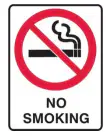
What type of safety sign is this?
Prohibition Signs
Hazard Signs
Mandatory Signs
Safe Condition Signs / Information

What type of safety sign is this?
Prohibition Signs
Hazard Signs
Mandatory Signs
Safe Condition Signs / Information

What type of safety sign is this?
Prohibition Signs
Hazard Signs
Mandatory Signs
Safe Condition Signs / Information

What type of safety sign is this?
Prohibition Signs
Hazard Signs
Mandatory Signs
Safe Condition Signs / Information

What type of safety sign is this?
Prohibition Signs
Hazard Signs
Warning
Safe Condition Signs / Information
Which of the following substances is classified as corrosive under hazardous substance legislation?
Petrol
Acids and caustic soda
Oxygen from welding bottles
Fibre glass insulation
What is the main requirement of employers regarding hazardous substances?
o provide free PPE to all workers
To eliminate all hazardous substances from the workplace
To prevent or adequately control exposure to hazardous substances
To train workers in first aid
Why are demolition sites considered particularly hazardous when working with substances?
They are usually outdoors
They contain newly installed materials
They may contain hidden substances like asbestos and lead-based paint
They are cleaned before work begins
Which of the following substances requires ventilation due to the risk of harmful fumes?
Jointing compounds
Diesel fuels used in generators
Sealants
Fluxes
Which of the following is a way lead can enter the body?
Absorption through the skin
Ingestion from contaminated hands
Inhalation of fumes
All the above
Which of the following is a personal responsibility when working with lead?
Taking PPE home for cleaning
Ignoring damaged equipment
Using PPE correctly and maintaining hygiene
Skipping medical appointments
What is a key safety precaution when working with solvent-based adhesives in confined spaces?
Use a heat source to speed up drying
Wear overalls
Ensure good ventilation
Mix solvents with water
What is the recommended method for applying flux to copper tubing?
Using your finger
Using a cloth
Using a small brush
Pouring it directly from the container
Which of the following building components may contain asbestos?
PVCu pipes
Artex coatings
Stainless steel fittings
Plastic cisterns
Why is asbestos considered one of the most dangerous materials used in construction?
It is highly flammable
It causes immediate skin burns
It can lead to fatal diseases and symptoms may take years to appear
It is expensive to remove
Which type of asbestos is most commonly found in asbestos-containing products?
Amosite (Brown/Grey Asbestos)
Crocidolite (Blue Asbestos)
Chrysotile (White Asbestos)
Asbestos cement
Which type of asbestos is known for its blue, straight fibres and is considered the most dangerous?
Amosite
Chrysotile
Crocidolite
Asbestos cement
Which of the following is a correct safety procedure when working with asbestos cement materials?
Use power tools for faster removal
Keep materials dry at all times
Use hand tools and keep materials damp
Sweep the area with a brush after work
What should you do if you suspect asbestos has been uncovered during work?
Continue working carefully
Cover it with plastic and carry on
Stop work immediately and alert others
Remove it yourself and dispose of it
Which of the following is not a safe practice when cleaning up asbestos waste?
Using a class H vacuum cleaner
Double bagging and labelling waste
Using a brush to sweep up debris
Wearing disposable overalls
Who is authorised to remove high-risk asbestos materials such as insulation and sprayed coatings?
Any trained tradesperson
A licensed asbestos removal contractor
The site supervisor
The building owner

