
 Worksheets
Camera Shots & Angles
Total questions: 30
Worksheet time: 10mins
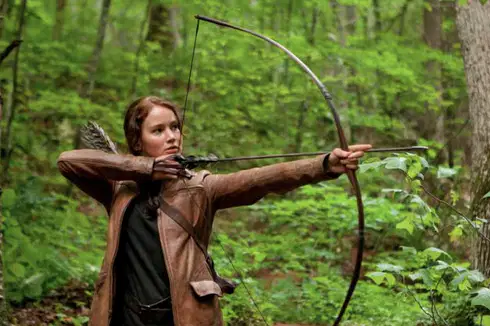
Which shot is considered the most neutral and most common in cinema, capturing the subject from the waist up?
Medium Shot
Wide Shot
Close-Up
Extreme Close-Up
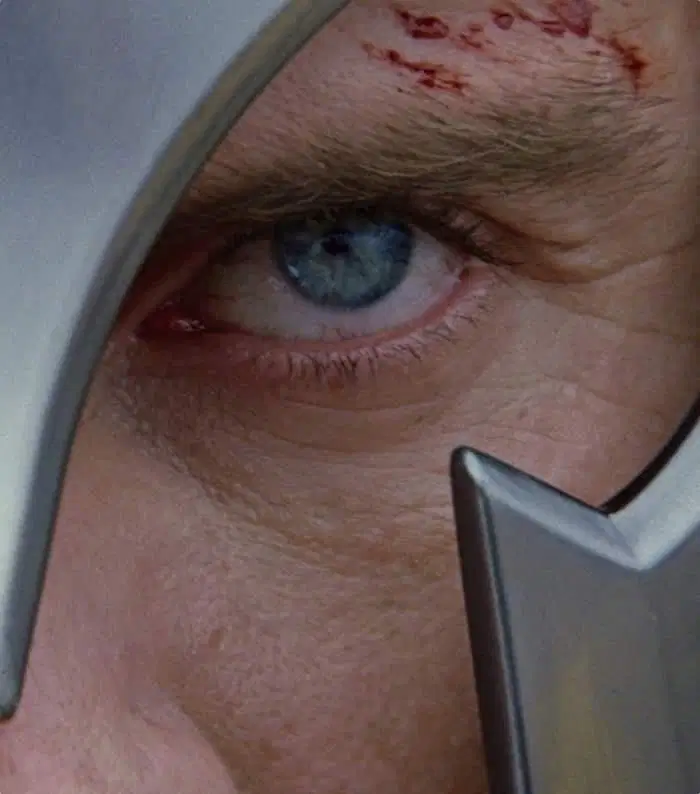
Which shot isolates a very small detail, such as a subject’s eyes or a single prop?
Close-Up
Wide Shot
Extreme Close-Up
Over-the-Shoulder
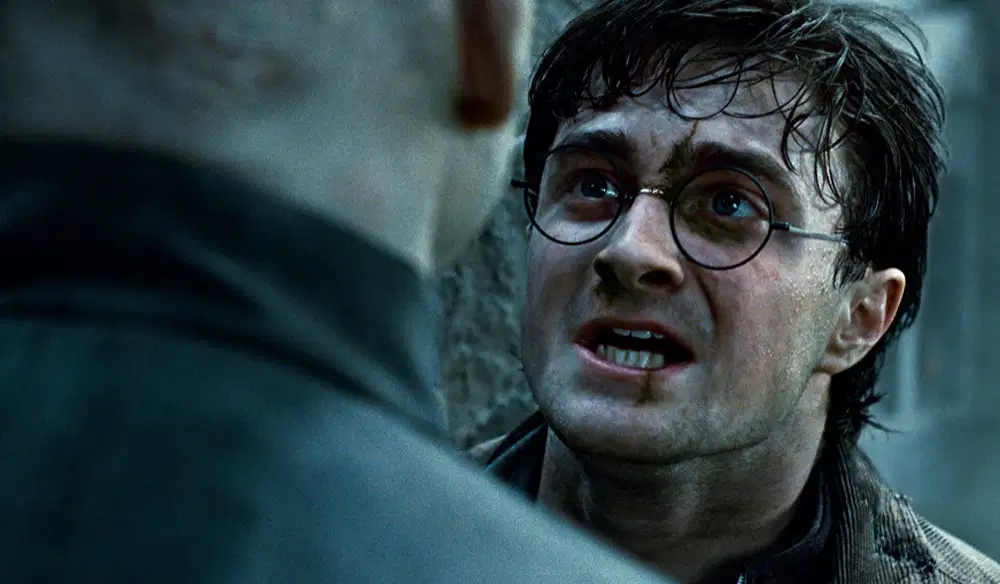
Which shot places the camera behind one character, looking at another character?
Over-the-Shoulder
Point-of-View
Two-Shot
High Angle
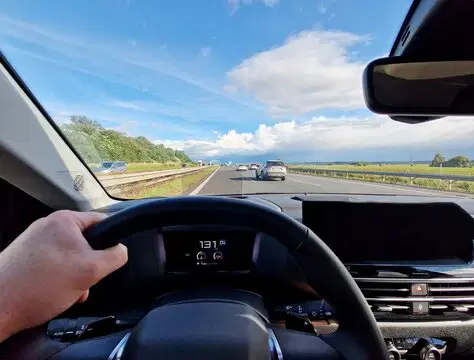
Which shot simulates what a character sees through their own eyes?
Wide
Point-of-View
Dutch Angle
Truck

Which shot angle shows the subject from directly above, often creating a sense of vulnerability or smallness?
Establishing
High
Low
Dutch

Which angle makes the subject appear powerful or intimidating by filming from below?
Low Angle
High Angle
Two Shot
Dutch Angle
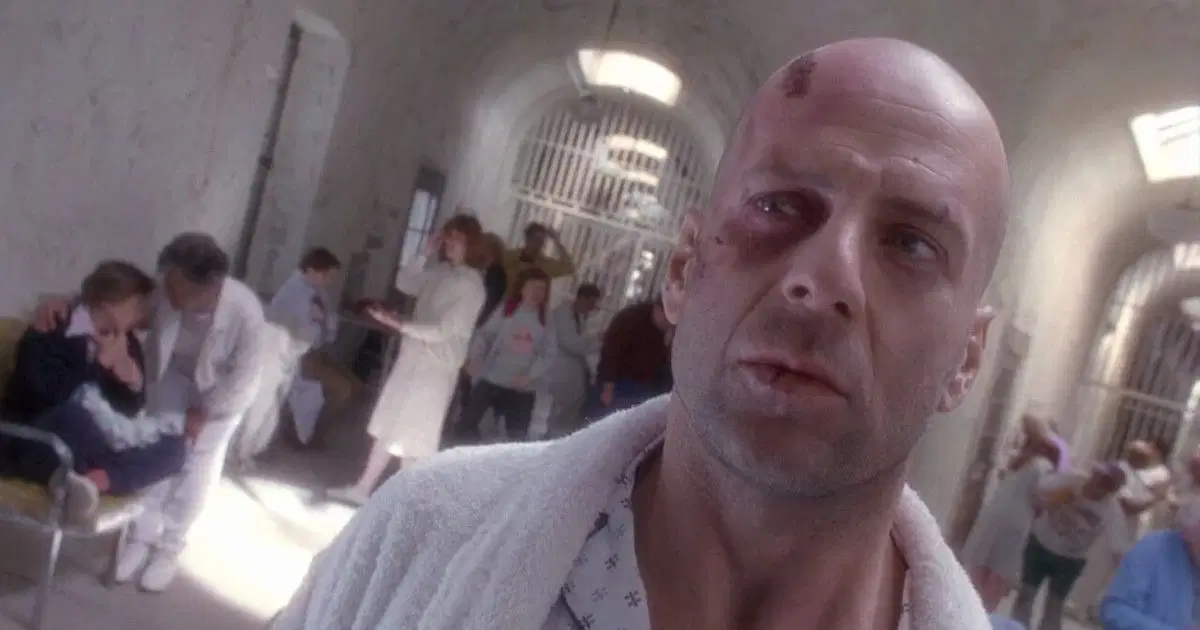
Which angle tilts the camera diagonally to create tension, unease, or disorientation?
Tilt
Dutch Angle
Pedestal
Pan

Which camera movement swivels the camera left or right on a fixed point?
Tilt
Pan
Dolly
Pedestal

When the entire camera moves forward or backward, it is called a:
Dolly
Zoom
Pan
Truck

Which movement involves sliding the camera left or right, parallel to the subject?
Pedestal
Tilt
Truck (Tracking)
Pan

Moving the camera up or down along a vertical axis is called a:
Dolly
Pedestal
Tilt
Truck
What’s the main difference between a Zoom and a Dolly movement?
Zoom physically moves the camera, Dolly changes the lens focal length
Zoom changes focal length, Dolly physically moves the camera
Both move the camera physically
Both only adjust the lens
Which shot could best be described as a wide/long/full angle shot?


Which shot could best be described as a close up shot?
Which shot could best be described as a high angle?

This shot is usually the first shot and shows where the movie or scene is taking place. It is called the
b -roll
establishing shot
end shot
medium shot
Why do directors often use low-angle shots?
To make the focus of the shot appear intimidating
To make the focus of the shot appear vulnerable
To show the characters surroundings
To draw the audience's attention to a specific object

high
establishing
low
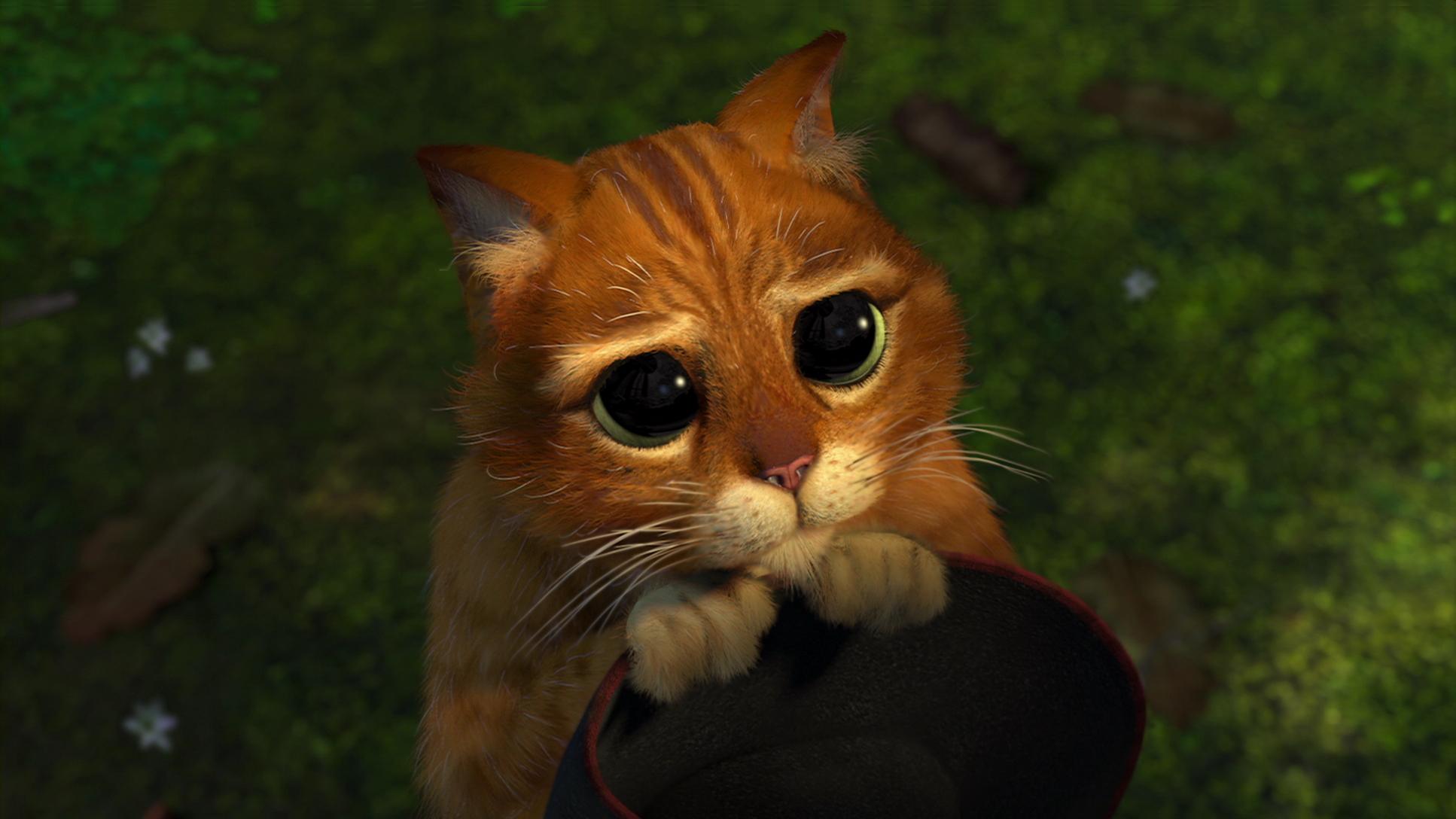
high
extreme close up
low

high
over the shoulder
dutch (with truck and pan)

pov
over the shoulder
dutch

low
high
wide
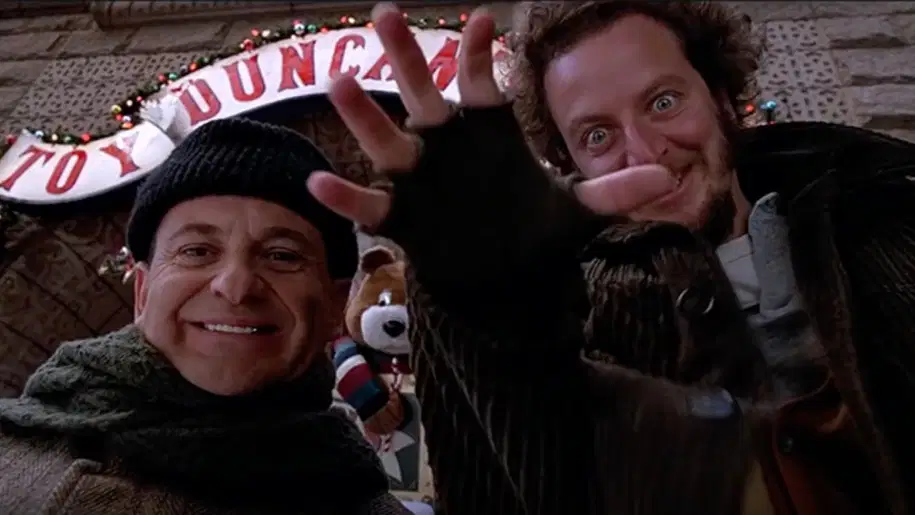
What is the primary goal of a "Point of View (POV)" shot?
To show a character from a distance.
To include multiple characters in one frame.
To allow the audience to experience a character's perspective.
To highlight an object without showing a character.

Identify the camera movement.
Dolly Zoom
Pan
Tilt

Identify the camera movement.
Dolly
Tilt
Pedestal

Identify the camera movement.
Pan
Tilt
Track

Identify the camera movement.
Pan
Tilt
Zoom
Can different types of camera movements be combined within the same shot?
Yes
No

This is an example of combining what two shots:
Dolly Zoom
Dolly Pan
Tilt Pan
Zoom Truck
Modern directors switch shots/angles frequently. Guess how long the average duration of a camera shot is for recent films.
2-3 Seconds
6 Seconds
7 Seconds
10 Seconds

