
 Worksheets
ANTI-ICE AIRCRAFT SYSTEMS
Total questions: 25
Worksheet time: 25mins
What is the main purpose of an ice protection system on an aircraft?
A) Increase the speed of the aircraft.
B) Remove already formed ice or prevent its formation.
C) Improve the pilot's visibility in foggy conditions.
D) Reduce the engine's fuel consumption.
What is the process of actively removing ice that has already formed on an aircraft called?
A) Anti-ice.
B) De-ice.
C) Thawing.
D) Thermal heating.
What term is used to describe the prevention of ice formation on the surfaces of an aircraft?
A) De-icing.
B) Thawing.
C) Anti-icing.
D) Passive protection.
Why do aircraft require an ice protection system when flying at high altitudes?
A) To increase aerodynamic resistance.
B) Due to low temperatures and the presence of moisture in the air.
C) To improve radio communication.
D) To reduce the weight of the aircraft.
What components of an aircraft are particularly vulnerable to ice formation and require protection?
A) The landing gear wheels and tires.
B) The leading edge of the wing, the engine inlet, the Pitot and static tubes, and the cockpit windows.
C) The passenger seats and the baggage compartments.
D) The main fuselage and the vertical tail.
What is the main effect of ice formation on the leading edge of an aircraft wing?
A) Increase in lift.
B) Decrease in lift.
C) Increase in speed.
D) Improvement in stability.
If ice forms at the entrance of an aircraft engine, which aspect of the engine's performance is affected?
A) Fuel efficiency.
B) The thrust produced.
C) The temperature of the exhaust gases.
D) The rotational speed of the blades.
The formation of ice in the Pitot and static tubes can lead to incorrect indications of which flight parameters?
A) Fuel level and outside temperature.
B) Speed and altitude.
C) Wind direction and humidity.
D) Oil pressure and engine temperature.
How do anti-ice boots work to remove ice from an aircraft's wings?
A) Heating the ice with electric elements.
B) Inflating rubber boots to break the ice.
C) Spraying an anti-freeze liquid on the surfaces.
D) Using ultrasonic vibrations to detach the ice.
What type of anti-ice system uses hot air from the engines to prevent ice formation on the leading edge of the wing and the engine inlets?
A) Electric anti-ice.
B) Ice boots.
C) Thermal anti-ice.
D) Chemical anti-ice.
What is the main effect of ice accumulation on an aircraft during flight?
Increases thrust and lift.
Decreases weight and drag.
Increases weight and drag, and decreases thrust and lift.
Has no significant impact on performance.
What is the fundamental distinction between anti-icing systems and de-icing systems?
Anti-icing systems remove already formed ice, while de-icing systems prevent its formation.
Anti-icing systems prevent the formation of ice, while de-icing systems are designed to remove ice once it has formed.
Both systems have the same function, but they are used in different parts of the aircraft.
Anti-icing systems use heat, while de-icing systems use chemicals.
What components of the aircraft can be equipped with anti-ice systems to prevent ice formation?
Only the surfaces of the wings and tail.
Heated Pitot tubes, static ports, fuel vents, stall detectors, and windshields.
Only the propellers and windshields.
Only the antennas and engine air intakes.
How does the alcohol anti-ice system for propellers work to prevent ice accumulation?
The alcohol is electrically heated to melt the ice.
The alcohol is discharged from a nozzle and the centrifugal force distributes it along the leading edge of the blade.
The propeller blades vibrate to shed the ice.
The alcohol is mixed with the fuel to lower the freezing point.
If an anti-ice boot on the blade does not heat one of the blades, what consequence could this have?
Increased efficiency of the propeller.
Severe vibration of the propeller due to an uneven load on the blades.
Decreased fuel consumption.
Improvement in the directional stability of the aircraft.
What side effect can the electric current used in the electric resistance heating method for windshields cause?
Increased visibility in foggy conditions.
Compass deviation errors of up to 40 degrees.
Reduction of noise in the cabin.
Improvement in radio communication.
How do pneumatic de-icing boots work to remove ice accumulation on the leading edges of wings and tail?
They release a chemical liquid that melts the ice.
They inflate with air from a pneumatic pump to break the ice.
They use high-frequency vibrations to detach the ice.
They generate heat to evaporate the ice.
The presence of anti-ice and de-ice systems on an aircraft, does it necessarily mean that it is approved to fly in icing conditions?
Yes, as long as the systems are operational.
No, the approval to fly in icing conditions depends on the specific certification of the aircraft.
Only if the aircraft is multi-engine.
Yes, but only for short-duration flights.
What is the primary reason for using heated windshields in aircraft during winter operations?
D) To reduce cabin noise.
C) To enhance fuel efficiency.
B) To prevent ice formation and maintain visibility.
A) To improve aerodynamics.
Which type of ice protection system is typically used on smaller aircraft that do not have complex anti-ice systems?
D) Electric heating systems.
B) Pneumatic de-icing boots.
A) Thermal anti-ice systems.
C) Chemical anti-ice systems.
What is the effect of ice accumulation on the control surfaces of an aircraft?
D) It improves the stability of the aircraft.
A) It increases the responsiveness of the controls.
B) It can lead to reduced control effectiveness and increased stall risk.
C) It has no significant effect on control surfaces.
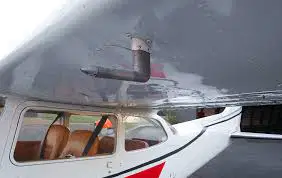
An essential instrument for measuring airspeed by sensing the difference between total and static pressure.
Pitot tubes
Static Port
Pitot Valve
Static Valve
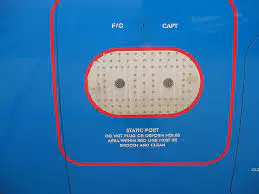
A flush-mounted hole on the fuselage designed to measure the ambient static air pressure surrounding the aircraft
De-icing devices found on the leading edges of aircraft wings and tails, designed to prevent and remove ice build-up by inflating with compressed air


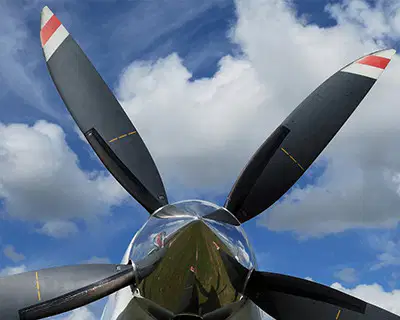
Propelers use this system to eliminate the ice... this happens ...
Electrically
Thermically
Pneumatically
Electrothermically

