
 Worksheets
Unit 2
Total questions: 134
Worksheet time: 2hrs 2mins
Which term most precisely describes the cellular process of breaking down polymers to monomers?
dehydration
condensation
hydrolysis
Both 1 and 2
Which term most precisely describes the cellular process of building polymers from monomers?
dehydration
Both 1 and 2
hydrolysis
condensation
Sugar is always cyclic (have rings) in cells.
false
true
Simple sugars are___
polar
nonpolar
A glycosidic linkage would refer to which one of the answer options?
the covalent bond between one fatty acid and a second fatty acid.
the hydrogen bond between one fatty acid and a second fatty acid
the covalent bond between one monosaccharide and a second monosaccharide
the hydrogen bond between one monosaccharide and a second monosaccharide
The basic subunits that make up complex carbohydrate like starch are called
monosaccharides
glycosidic bonds
ester linkage
nucleotides
Cellulose
Part of cell membrane
Plant structural support
Plant energy storage
Animal structural support
Glycogen
Animal structural support
Part of cell membrane
Plant energy storage
Animal energy storage
Chitin
Animal structural support
Animal energy storage
Plant structural support
Part of cell membrane
Starch
Plant energy storage
Plant structural support
Animal structural support
Part of cell membrane
Phospholipid
Part of cell membrane
Animal energy storage
Plant structural support
Plant energy storage
A ester linkage would refer to which one of the answer options?
the covalent bond between one fatty acid and a second fatty acid.
the hydrogen bond between one fatty acid and a second fatty acid
a covalent bond between a fatty acid and glycerol
the covalent bond between one monosaccharide and a second monosaccharide
Lipids are polymers of fatty acid and glycerol.
false
true
Lipids and water do not mix because lipids are ______ and water is ______.
non-ionic; ionic
nonpolar; polar
unsaturated; saturated
polar; non-polar
An individual molecule is always either hydrophobic or hydrophilic and can never possess at the same time a region that is hydrophobic and a region that is hydrophilic.
true
false
Lipids cannot be called a polymer because
They are modular in nature and not composed of monomer subunits
They can be artificially created.
They contain polar covalent bonds.
Their monomers are connected via ionic bonds.

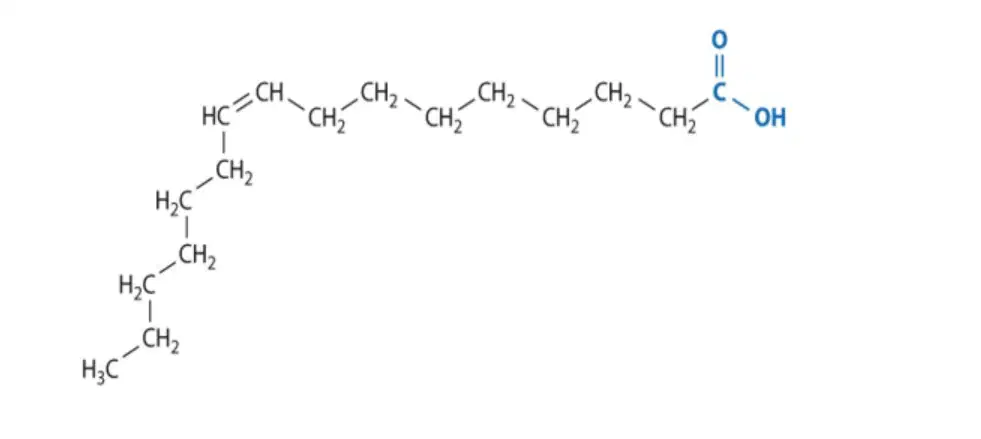
What is this molecule?
a saturated fatty acid
an unsaturated fatty acid
a saturated fat
an unsaturated fat
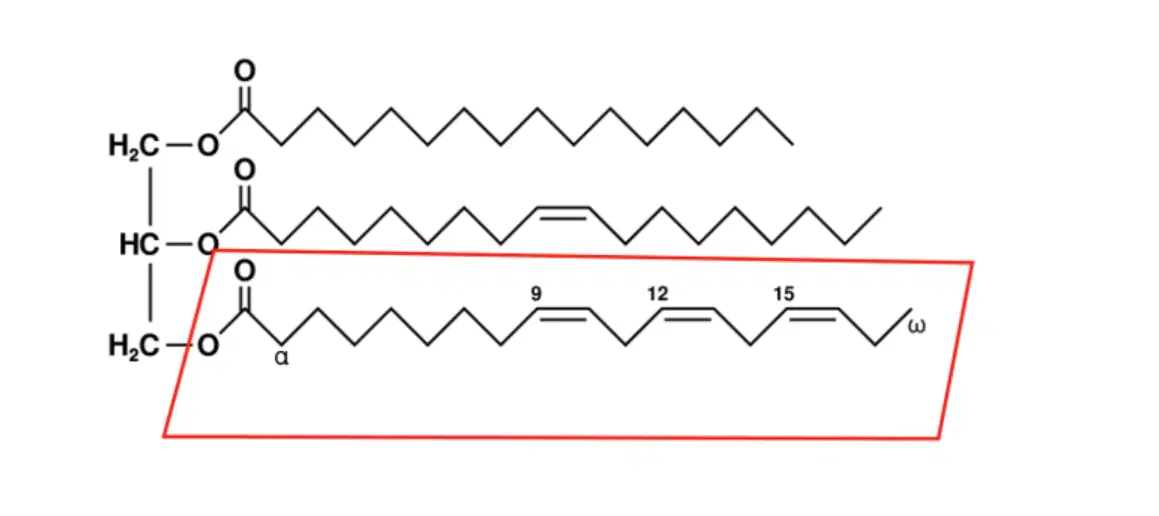
Which is true about the part of the molecule that is circled in the figure?
It is a unsaturated fatty acid side chain attached to the carbon by ester bond
It is a saturated fatty acid side chain attached to the carbon by ester bond
It is a unsaturated fatty acid side chain attached to the carbon by glycosidic bond
It is a saturated fatty acid side chain attached to the carbon by glycosidic bond
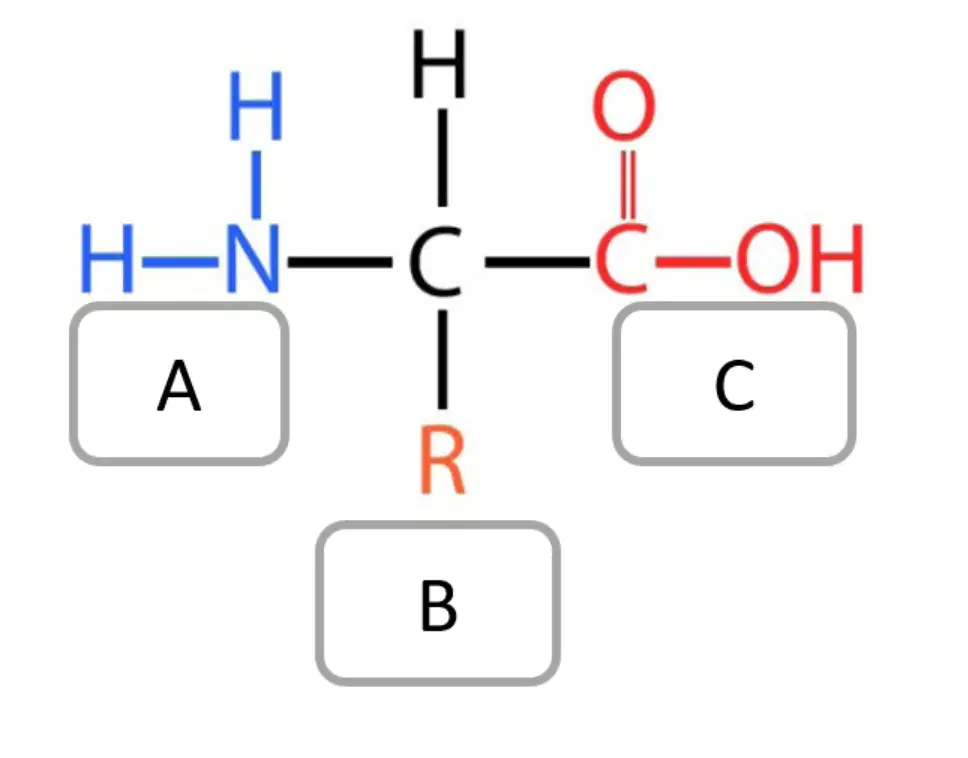
Which boxed letter is closest to the amino group?
C
A
B

Which boxed letter is closest to the carboxyl group?
A
C
B
Which boxed letter is closest to the carboxyl group?
A
C
B
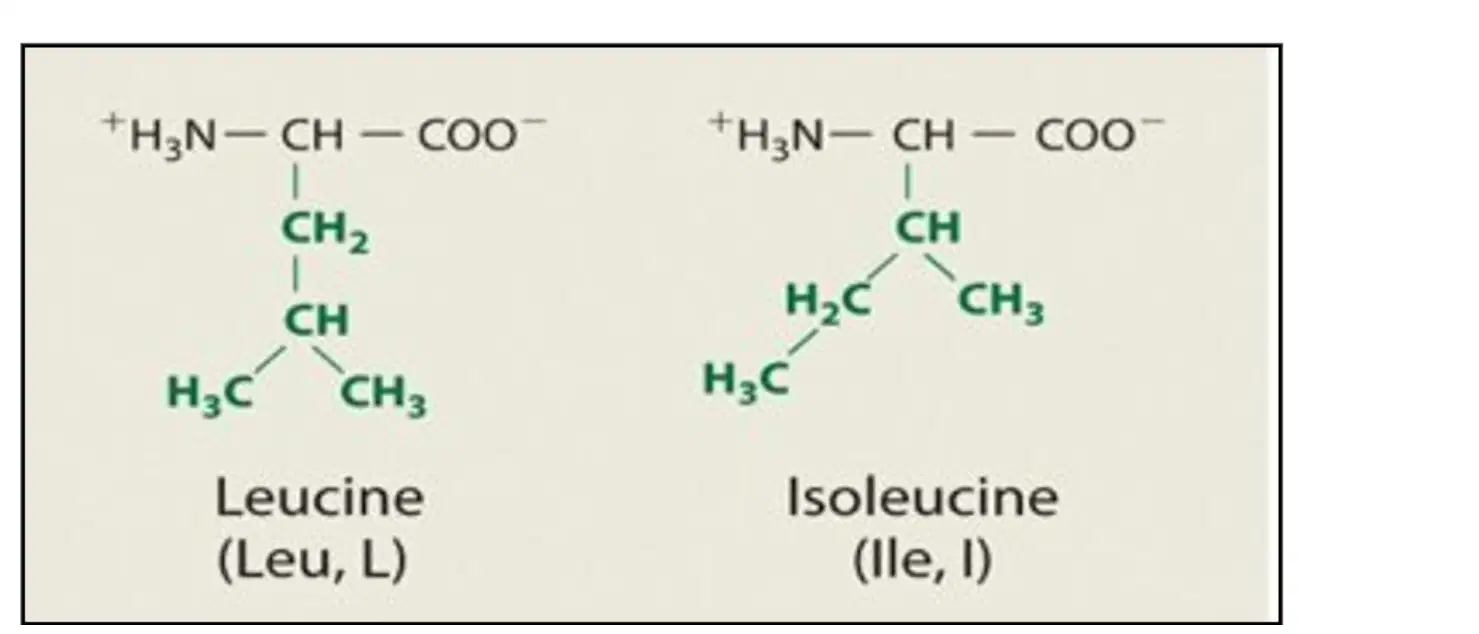
The amino acids in the figure is
Hydrophobic nonpolar
Hydrophilic charged
Hydrophilic polar
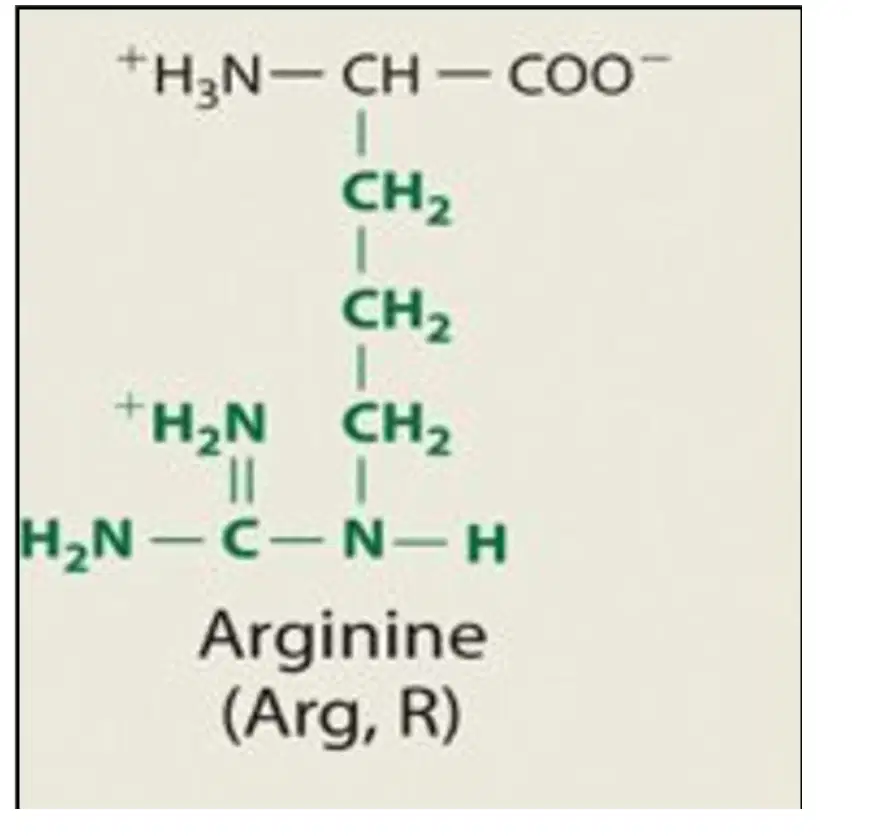
The amino acid in the figure is
Hydrophilic polar
Hydrophilic charged
Hydrophobic nonpolar
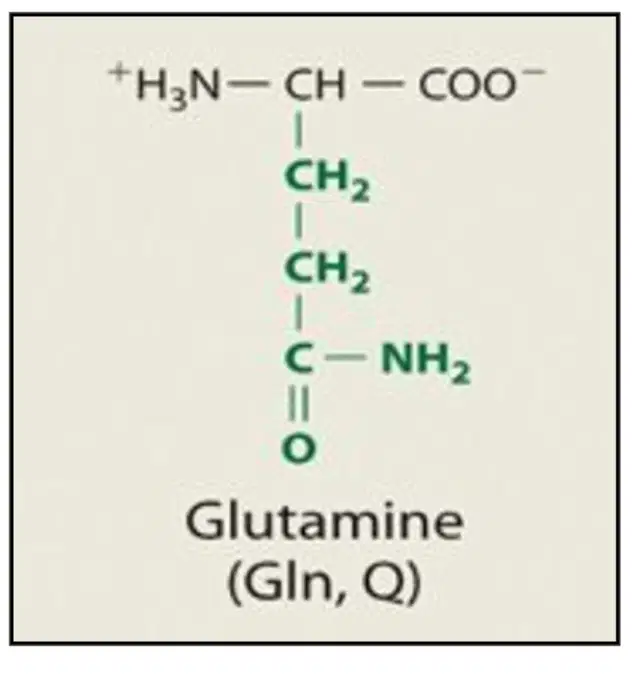
The amino acid in the figure is
Hydrophobic nonpolar
Hydrophilic charged
Hydrophilic polar
Carbohydrate
no repeating structure
simple sugar joined by covalent bond
amino acids joined together by covalent bond
nucleotides joined by covalent bonds
Lipids
nucleotides joined by covalent bonds
simple sugars joined by covalent bonds
amino acids joined by covalent bonds
no repeating structure, but all hydrophobic
proteins
amino acids joined by covalent bonds
simple sugars joined by covalent bonds
nucleotides joined by covalent bonds
no repeating structure, but all hydrophobic
The importance is, energy storage, and cell wall
(a)
The importance is membranes, and energy storage, signals
(a)
The importance is structural support, enzymes to catalyze reactions, and signals
(a)
The importance is to encode and store genetic information
(a)
Dehydration
synthesis of a molecule by joining smaller units
breakdown of a macromolecule into smaller units
Hydrolysis
synthesis of a molecule by joining smaller units
breakdown of a macromolecule into smaller units
short energy storage
Carbohydrates
Lipids
Long term energy storage
Lipids
Carbohydrates
Monosaccharide
Glucose
fructose
gallatose
maltose
sucrose
lactose
starch
glycogen
gallatose
Disaccharide
glucose
fructose
gallatose
maltose
sucrose
lactose
starch
glycogen
gallactose
Complex sugar
glucose
fructose
gallatose
starch
glycogen
fiber
maltose
sucrose
lactose
simple sugars are both linear and cyclic
Complex carbohydrates are made from monomers (dehydration reaction)
Fats & Oils (triacylglycerol)
store energy
lipids
protein
nucleic acids
carbohydrates
phospholipids form...
bilayer membranes
lipid bilayers membranes
membranes
steroids have...
3 interconnected rings fused
5 interconnected rings fused
4 interconnected rings fused
6 interconnected rings fused
functional groups
group of atoms with specific chemical properties & consistent behavior
a hydrogen atom forms a polar covalent bond with an oxygen which forms a covalent bond to a carbon skeleton
Hydroxyl functional group
hydrogen atom forms a polar covalent bond with an oxygen which forms a covalent bond to a carbon skeleton
groups of atoms with specific chemical properties & consistent behavior
In a protein what is the monomer
carboxyl
polymer
amino acid
carbon
cells come from preexisting cells
true
false
lack a nucleus & have no membrane bound internal compartmentalization
prokaryotic
Eukaryotic
have a nucleus & internal membrane bound organelles
Eukaryotic
Prokaryotic
Which of the following is a polymer made of amino acids?
Carbohydrate
Nucleic acid
Protein
Lipid
Which functional group is commonly found in sugars and makes them soluble in water?
Sulfhydryl group
Phosphate group
Methyl group
Hydroxyl group
Which of the following best describes a phospholipid's structure?
Glycerol backbone, two fatty acids, and a phosphate group
Single fatty acid chain and a sugar
Three fatty acids and a sugar
Glycerol backbone and three fatty acids
Ribosomes are found in.. are a site for protein synthesis
eukaryotic, true
prokaryotic, false
both, true
What is the monomer of a lipid?
Monosaccharide
Fatty acid
Amino acid
Nucleotide


phospholipids arrange themselves so that..
hydrophobic tails are isolated from the water
hydrophobic heads are isolated from the water
Jobs in cells are done in compartments called organelles
nucleus envelope
made up of a lipid bilayer membrane that surrounds the nucleus
gel like substance that fills the nucleus
makes genetic material inside the nucleus
dense structure inside the nucleus where ribosomes are made
gel like substance that fills the nucleus
makes the genetic material (DNA) inside the nucleus
Nucleoplasm
dense structure inside the nucleus where ribosomes are made
an opening in the nuclear envelope through which molecule can move in/out of the nucleus
collection of the sac-like structures that is continuous with the nuclear envelope
bound ribosome, can make and store proteins
lysosomes
Rough ER
Smooth ER
endoplasmic reticulum
no bound ribosomes and can make and store lipids
membrane bound spaces that transport materials from one location to another
receives materials from the ER and then modifies, packages, and transport proteins and lipids to different parts of the cell
vesicles filled with digestive enzymes that break down cellular waste and debris
vesicles
Exocytosis and Endocytosis
moving out, coming in
coming in, moving out
double membrane- bound vesicles found in eukaryotes (plants, animals, protist), powerhouse, generate energy in the form at ATP
chloroplast
mitochondria
vesicles
lysosomes
double membrane bound vesicle found in eukaryotes or prokaryotes. contain chlorophyll which absorbs sunlight and converts it into chemical energy, producing oxygen an sugar that fuel plants
chloroplasts
chlorophyll
carbon
golgi apparatus
carbon can form covalent bonds with up to 4 other atoms at the same time.
Usually the big 4, (H,O,N,C)
Carbon bonding
Carbon
valence
Covalent bonds
Carbon can form what kind of bonds
represents the backbone of an organic molecule, formed by a chain of carbon atoms connected to each other via covalent bond
carbon chain
Carbon skeleton
carbon backbone
Amino's formula, properties, polarity, and what it's found in
*sketch formula
Amino acids are found in proteins, polar and have the general formula R-CH(NH2)-COOH.
Carboxyl formula, properties, polarity, and what it's found in
*sketch structure
Carboxyl formula: -COOH; Properties: polar; Found in: fatty acids, amino acids, proteins
Carbonyl formula, properties, polarity, and what it's found in
*sketch formula
Carbonyl formula: C=O Properties: polar; Found in: carbohydrates, proteins
Hydroxyl formula, properties, polarity, and what it's found in
*sketch formula
Hydroxyl formula: -OH; Properties: polar, can form hydrogen bonds; Found in: carbohydrates, protein, nucleic acids
Methyl formula, properties, polarity, and what it's found in
*sketch structure
Methyl (CH3) is a polar functional group found in water, and nucleic acids
Methyl (CH3) is a nonpolar functional group found in amino acids, proteins, nucleic acids
phosphate formula, properties, polarity, and what it's found in
*sketch structure
Phosphate (-OPO^3H^2), polar, found in phospholipids, nucleic acids, atp
complex carbohydrates bonds are
protein bonds are
Saturated fatty acids have more
saturated (no carbon- carbon double or triple bond) or unsaturated (carbon- carbon double or triple bond)
Saturated fatty acids
fatty acid chains
unsaturated fatty acids
amphipathic
form lipid bilayer membranes
polar hydrophobic heads
non polar hydrophobic tails
Lipid bilayer membranes
lipids
phospholipids
hydrophilic
what reaction forms peptide bonds
Dehydration reaction
polypeptide backbone
R side chain
hydrophilic amino acids have what polarity and charge
Glycine polarity and it's R group
Proline's polarity and R group
Cysteine polarity and R group
Cysteine is polar and can form disulfide bridges withing the same protein
primary structure
secondary structure
hydrogen bonds result in local folding
Alpha helices and beta sheets fold due to H-bonding with the polypeptide backbone
Tertiary structure
The three-dimensional shape of a polypeptide,
final folding shape of the protein, result in functional form and is held together by H-bond, Ionic bond, disulfide, and hydrophobic interactions
The interaction between multiple proteins and is held together by H-bond, Ionic bond, disulfide, and hydrophobic interactions
Quaternary structure
result from interactions of polypeptide subunits
2 or more polypeptides interact via H-bond, Ionic bond, disulfide (covalent), & hydrophobic interaction to make up
The sequence of amino acids in a protein via H-bond, Ionic bond, disulfide (covalent), & hydrophobic interaction to make up
Denaturation of a protein structure
the process of folding into a more stable form.
Denaturation of a protein structure is the process of unfolding or breaking down a protein structure
the enhancement of its native conformation.
the addition of new functional groups to the protein.
The lipid component of the cellular membrane include
Cholesterol and fatty acid
Cholesterol and phospholipid
Phospholipids
fatty acid and Phospholipids
A peripheral membrane protein penetrates the membrane bilayer
Considering the amino acids that are found in various domains of a integral proteins, which statement would be true?
Polar or charged amino acids would be prevalent in the transmembrane domain, in contact with lipid bilayer
Nonpolar amino acids would be prevalent in the intracellular domain, contact with the environment inside of the cell.
Polar amino acids would be prevalent in the extracellular domain, in contact with the environment outside of the cell.

a
b
c
A phospholipid molecule in a membrane can:
only flip (rotate between the two halves of the bilayer).
only spin (rotate around its vertical axis).
spin (rotate around its vertical axis) and move side-to-side (lateral movement).
only move side-to-side (lateral movement).
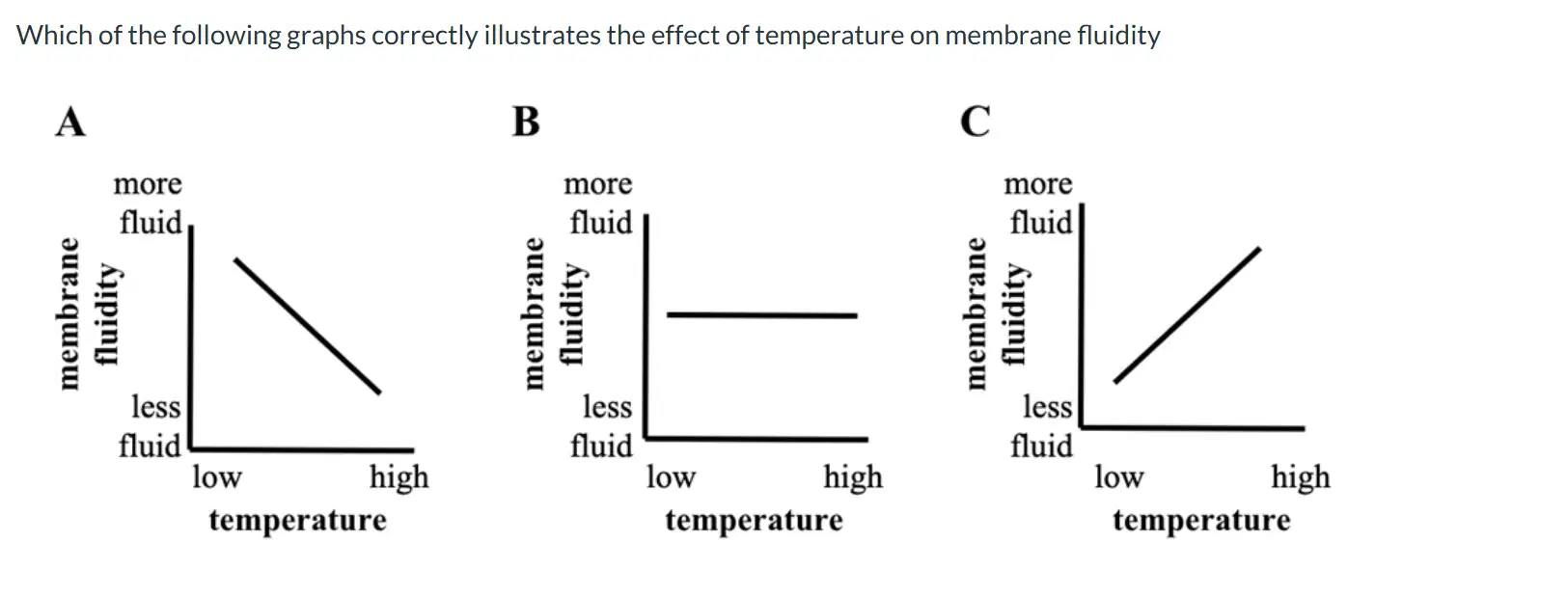
Which of the following graphs correctly illustrates the effect of temperature on membrane fluidity
a
c
b

Which graph correctly illustrates the effect of the number of double bonds in the fatty acid side chains of membrane phospholipids on membrane fluidity?
c
b
a

Which part of the cholesterol molecule shown below is polar?
The hydroxyl group.
The methyl groups
There are no polar groups on this molecule.
The four rings.
What is the relation of cholesterol to membrane fluidity?
Cholesterol decreases the fluidity of the membrane at high temperature
Cholesterol has no effect on the fluidity of the membrane at normal temperatures
Cholesterol increases the fluidity of the membrane at high temperatures
Cholesterol is too polar to become part of the phospholipid bilayer.
Which is TRUE concerning membrane fluidity
Increased fatty acid side chain saturation and decreased temperature increase membrane fluidity
Increased fatty acid side chain saturation and increased temperature increase membrane fluidity
Decreased fatty acid side chain saturation and decreased temperature increase membrane fluidity
Decreased fatty acid side chain saturation and increased temperature increase membrane fluidity
Under what conditions would a cell increase the amount of unsaturated fatty acid side chains in the phospholipid bilayer of its membranes?
Average temperatures are decreasing
Average temperatures are increasing.
All eukaryotes contain chloroplast and mitochondria
Which of the following is a characteristic of smooth ER?
Has NO ribosomes
Makes lipids
Stores lipids
Sorts lipids and proteins to go to other organelles
All cells both prokaryotes and eukaryotes contain ribosomes
Which of the following is a characteristic of prokaryotic cells
Membrane-bound organelles
Mitochondria
Presence of nucleus
Circular DNA
Which of the following is a major component of cell membranes?
Phospholipids
Triglycerides
Starch
Waxes
Phospholipids are amphipathic molecules because they have:
Only hydrophobic regions
Neither hydrophilic nor hydrophobic regions
Both hydrophilic and hydrophobic regions
Only hydrophilic regions
Phospholipids are the only lipids found in cell membranes.
A peripheral membrane protein penetrates the membrane bilayer
Molecular oxygen (O2), which is required to produce ATP by mitochondria, must pass through at least three membranes to get to the enzymes where it is used. O2 is also produced in chloroplasts and must pass through at least four membranes to be released from the plant. How does O2 move across biological membranes?
O2 is hydrophilic and travels with water across the membranes.
There are numerous protein transporters that allow O2 to travel across membranes.
O2 undergoes a chemical reaction that binds it to other substances that are transported across the membranes.
O2 is nonpolar and very small, so it can move by simple diffusion across the membrane
Which of the following characterizes the sodium-potassium pump?
B. Potassium ions are pumped into a cell against their gradient.
A, B and C
C. An integral membrane protein undergoes conformational change.
A. Sodium ions are pumped out of a cell against their gradient.
What of the following is the driving force for diffusion
Energy from ADP hydrolysis
Concentration gradient
Energy from ATP hydrolysis
Which of the following membrane activities requires energy from ATP hydrolysis/breakdown?
facilitated diffusion of chloride ions across the membrane through a chloride channel
movement of sodium ions from a low concentration in a mammalian cell to a high concentration in the extracellular fluid
movement of glucose molecules into a bacterial cell from a medium containing a high concentration of glucose to a low concentration inside the cell
movement of water into a cell from high to low concentration through aquaporins
Considering the amino acids that are found in various domains of transmembrane proteins, which statement would be true?
Nonpolar amino acids would be prevalent in the intracellular domain, contact with the environment inside of the cell.
Polar or charged amino acids would be prevalent in the transmembrane domain, in contact with lipid bilayer
Polar amino acids would be prevalent in the extracellular domain, in contact with the environment outside of the cell.
Nonpolar amino acids towards the side that forms an ion channel and allows movement of ion.
Transport of very large molecule into the cell across the plasma membrane is called_
Active transport
Endocytosis
Exocytosis
Facilitated diffusion
Which type of transport moves substances down their concentration gradient without using energy?
Active transport
Endocytosis
Facilitated diffusion
Exocytosis
Which structure in the cell membrane is primarily responsible for facilitated diffusion?
Glycoproteins
Protein channel
Cholesterol
Phospholipids
Simple diffusion requires membrane proteins.
How is a carrier protein different from a channel protein?
Transport through carrier proteins depends on concentration gradients, but transport through channel proteins does not.
Carrier proteins undergo conformational change so that they are open alternately to one side of the membrane or the other.
Carrier proteins use ATP, but channel proteins do not
Transport through a carrier protein does not depend on the random motion of molecules.
Which molecules can easily diffuse across a cell membrane?
Large polar molecules
Proteins
Small charged molecules, such as ions
Nonpolar gases like O2 and CO2
Which of these describes osmosis?
Movement of water from a high concentration of solute to low concentration of solute
Movement of water from a low concentration of water to high concentration of water
Movement of water from a low concentration of solute to high concentration of solute
Movement of water from a hypertonic solution to hypotonic solution
Which of the following decreases membrane fluidity?
Saturated fatty acids
Short fatty acid chains
Unsaturated fatty acids
High temperature
Which of the following increases membrane fluidity?
High protein content
Long fatty acid chain
Increasing cholesterol concentration at low temperature
Increasing saturated fatty acids
Imagine you are a bacterium. As with any cell, fluidity of plasma membrane is important for you to function. As season changes from summer to fall to winter, which of the following will you do to maintain the fluidity of your plasma membrane
Decrease the saturation of the fatty acid chain in the membrane by increasing the number of double bonds
Increase the saturation of the fatty acid chain in the membrane by increasing the number of double bonds
Increase the saturation of the fatty acid chain in the membrane by decreasing the number of double bonds
Decrease the saturation of the fatty acid chain in the membrane by decreasing the number of double bonds

