
NEW
Font size
 Worksheets
First Aid Basics Quiz
Total questions: 30
Worksheet time: 15mins
What is the primary purpose of first aid?
To diagnose medical conditions
To provide immediate care before professional help arrives
To replace professional medical treatment
To perform surgery
Which of the following is the first step in the key first aid principles?
Check for breathing
Send for help
Check for danger
Commence CPR
What does the 'R' in the key first aid principles stand for?
Rescue
Response
Recovery
Resuscitation
What should you do if you find a blockage in the airway during first aid?
Ignore it
Call for help immediately
Clear the airway
Start CPR
What is the recommended first aid treatment for overuse injuries like tendinitis?
Heat, massage, and stretching
Rest, ice, compression, and elevation
Medication and surgery
Exercise and physical therapy
Which of the following is a common cause of overuse injuries?
Sudden impact
Repetitive movements
Lack of sleep
Poor diet
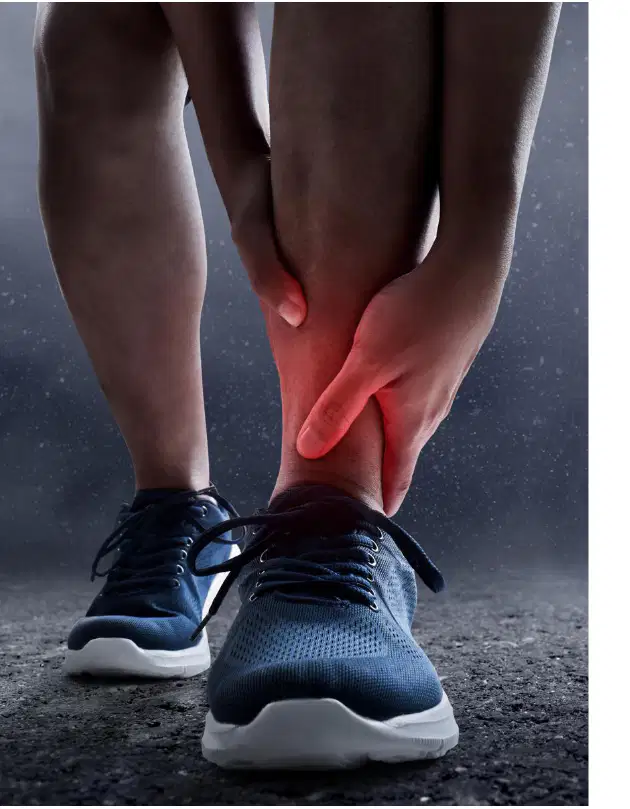
What is a key component of first aid for acute injuries like sprains or fractures?
Applying heat
Immediate first aid to stabilize the injury
Ignoring the injury
Increasing physical activity

What are common signs of dehydration?
Thirst, dizziness, headache, and fatigue
Hunger, energy, and alertness
Sweating, chills, and fever
Nausea, vomiting, and diarrhea
How can dehydration be prevented during physical activity?
Avoid drinking fluids
Encourage fluid intake before, during, and after activity
Only drink fluids after activity
Drink fluids only if you feel thirsty
What is a recommended treatment if dehydration occurs?
Provide oral fluids like water or sports drinks
Avoid any fluid intake
Only eat solid foods
Rest without drinking anything
What can excessive physical activity lead to?
Increased energy levels
Improved mental health
Fatigue, injury, and decreased performance
Enhanced flexibility
What is encouraged to prevent undue stress on the body?
Increased training sessions
Adequate rest and recovery periods
Skipping meals
Continuous exercise without breaks
How can individuals manage stress and prevent burnout?
By ignoring signs of fatigue
By identifying signs of burnout and implementing strategies
By increasing workload
By avoiding rest
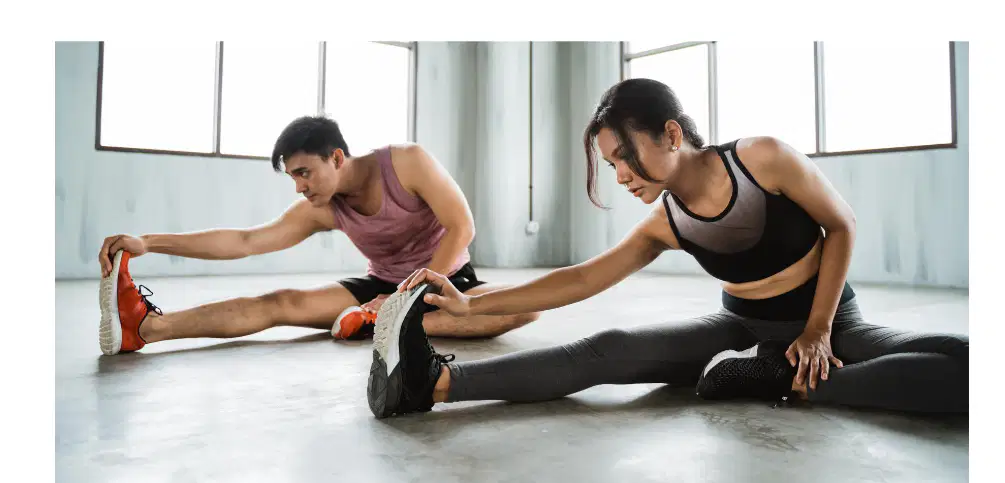
What is the purpose of a proper warm-up and cool-down in physical activity?
To increase muscle mass
To prevent injuries
To improve sleep quality
To enhance digestion
Why is it important to use proper technique during physical activities?
To increase speed
To reduce the risk of injuries
To improve flexibility
To enhance endurance
What does gradual progression in physical activity help to avoid?
Muscle gain
Overuse injuries
Weight loss
Increased appetite
Why should you listen to your body during physical activities?
To increase workout time
To prevent fatigue and pain
To improve balance
To enhance muscle tone
What is the benefit of staying hydrated during physical activity?
To increase muscle size
To maintain energy levels
To improve skin tone
To enhance memory
What is the role of protective equipment in physical activities?
To improve performance
To reduce the risk of injuries
To increase speed
To enhance flexibility
Why is seeking medical advice important for those engaging in regular physical activity?
To get dietary recommendations
To address health concerns
To improve social skills
To enhance creativity
What is the first step in the key first aid principles when responding to an injury?
Control bleeding
Ensure safety
Assess the situation
Manage pain
Why is it important to ensure safety during first aid?
To apply direct pressure
To protect the first aider and the injured person
To manage pain effectively
To monitor vital signs
Which of the following is a method to control bleeding according to the key first aid principles?
Use over-the-counter medications
Apply direct pressure
Check breathing and pulse
Call emergency services
What should be done if an injury is severe or worsens?
Apply direct pressure
Use pain relief measures
Call emergency services
Replenish lost fluids
Explain the role first aid plays in response to sporting movements.
It helps in immediate recovery and prevents further injury.
It is only useful for minor injuries.
It delays the recovery process.
It is not necessary for professional athletes.
Discuss how first aid can be used when an athlete experiences a stress fracture.
By providing rest and immobilization.
By encouraging continued activity.
By applying heat to the area.
By ignoring the pain.
Which of the following is a common cause of a stress fracture?
Sudden impact
Repetitive stress on bones
Lack of sleep
Viral infection
What is a recommended first aid response for a stress fracture?
Increase physical activity immediately
Apply heat to the affected area
Rest and immobilize the affected area
Ignore the pain and continue activities
Which symptom is commonly associated with a stress fracture?
High fever
Difficulty bearing weight
Rash
Nausea
Which regime is mentioned as a method to decrease pain and inflammation in stress fractures?
RICE
RICER
PRICE
MICE

