
 Worksheets
SM 1 - Medical Terms Test Review
Total questions: 50
Worksheet time: 25mins
Name
Class
Date
1.
The adult human skeleton has how many bones?
a)
206
b)
260
c)
200
d)
60
2.
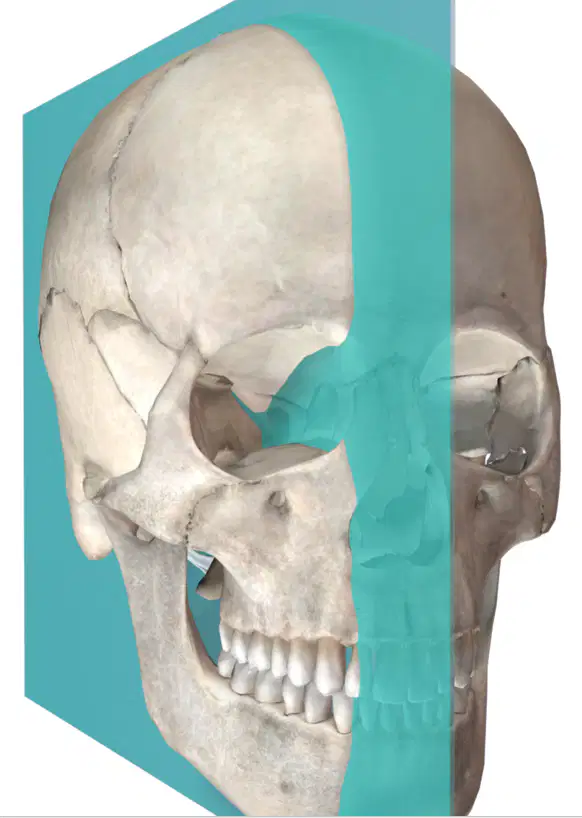
Identify the plane:
a)
Oblique
b)
Sagittal
c)
Transverse
d)
Frontal
3.
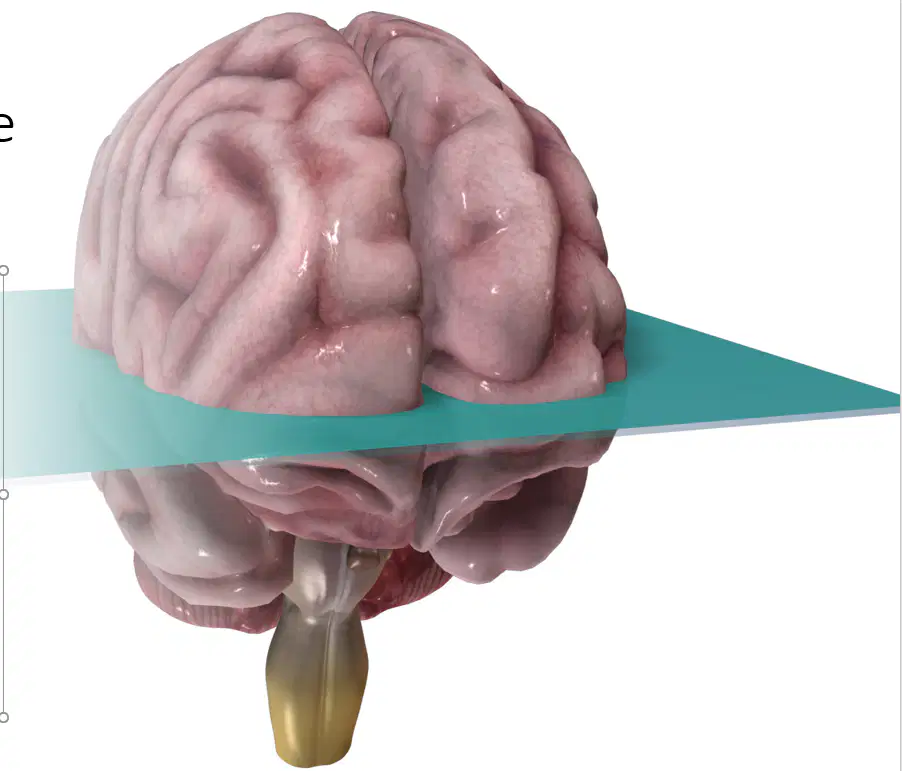
Identify the plane:
a)
Transverse/horizontal
b)
Frontal/Coronal
c)
Sagittal
d)
Anatomical position
4.
Divides body into front and back portions:
a)
Sagittal plane
b)
Frontal/Coronal plane
c)
Transverse/Horizontal plane
d)
Oblique plane
5.
If someone was performing a jumping jack, what plane of motion is that occurring in?
a)
Sagittal
b)
Frontal
c)
Transverse
6.
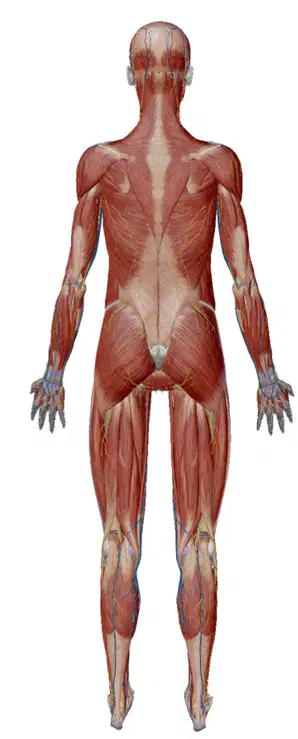
What anatomical view/position are you looking at?
a)
Superior
b)
Posterior
c)
Anterior
d)
Inferior
7.
The fingers are distal to the wrist
a)
True
b)
False
8.
The eyes are medial to the nose
a)
True
b)
False
9.
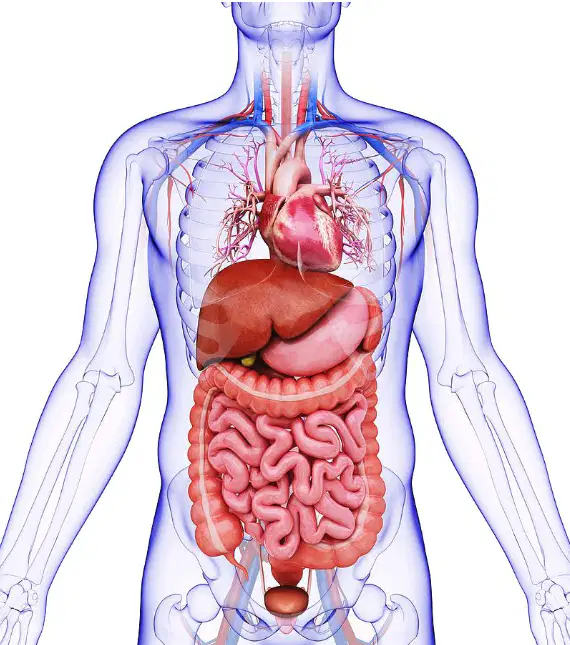
These structures are superficial
a)
True
b)
False
10.
The thumb is classified as which type of joint?
a)
Saddle
b)
Ball and Socket
c)
Pivot
d)
Condyloid
11.
Movement away from the midline of the body
a)
Adduction
b)
Abduction
c)
Flexion
d)
Extension
12.
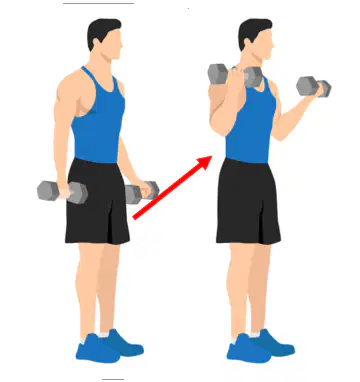
Identify the movement occurring at the elbow:
a)
Hyperextension
b)
Flexion
c)
Extension
d)
Supination
13.
Which of these joints would be classified as a hinge joint? Check all that apply.
a)
Elbow
b)
Knee
c)
Shoulder
d)
Hip
14.
If you are holding a bowl of soup or cereal in the palms of your hands, your forearms are in a position of supination.
a)
True
b)
False
15.
What motion does a pivot joint consist of?
a)
Rotation
b)
Flexion
c)
Extension
d)
Adduction
16.
The skull is the most superior part of the body.
a)
True
b)
False
17.
The skull, vertebral column, ribs, and sternum make up what part of the skeleton?
a)
Axial
b)
Appendicular
18.
This bone classification is long in length, and small in width. They are responsible for absorbing the stress of the body's weight.
a)
Short bones
b)
Flat bones
c)
Long bones
d)
Irregular bones
19.
Bones that are embedded into tendons and are round in shape belong to which bone classification?
a)
Short bones
b)
Irregular bones
c)
Flat bones
d)
Sesamoid bones
20.
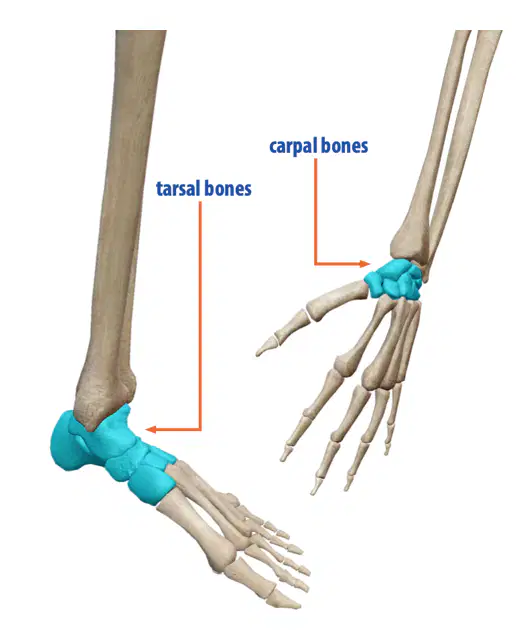
What classification do these bones belong to?
a)
Irregular bones
b)
Short bones
c)
Flat bones
d)
Sesamoid bones
21.
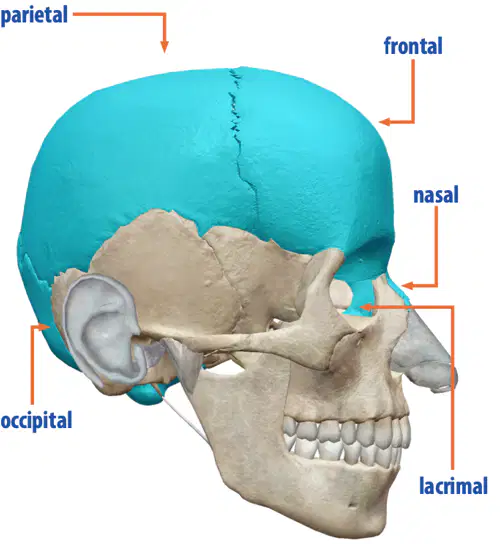
Identify the bone classification:
a)
Irregular bone
b)
Flat bone
c)
Short bone
d)
Long bone
22.
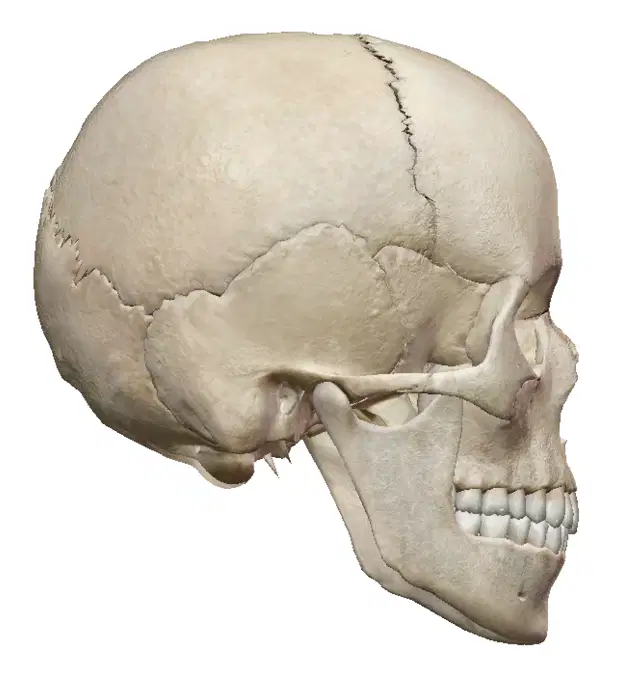
What anatomical view are we looking at?
a)
Anterior
b)
lateral/side
c)
Posterior
d)
Inferior
23.
The cervical vertebrae in your neck are which type of joint?
a)
Pivot
b)
Saddle
c)
Hinge
d)
Ball and socket
24.
The shoulder and hip are examples of what type of joint?
a)
Pivot
b)
Ball and socket
c)
Condyloid
d)
Saddle
25.
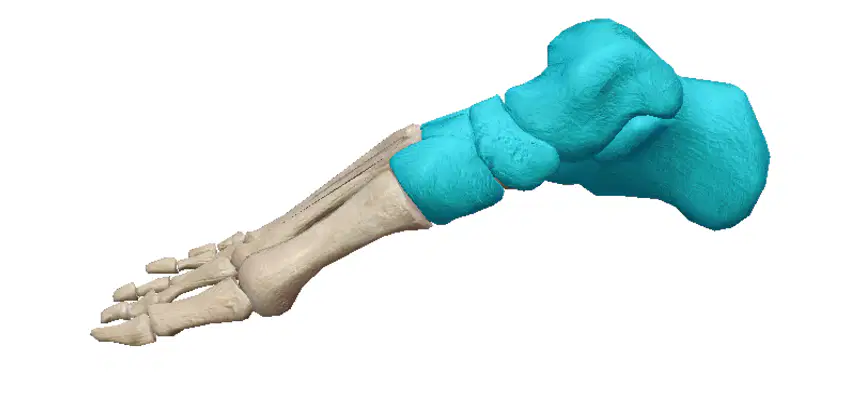
What anatomical view is the foot of?
a)
Plantar
b)
Medial
c)
Lateral
d)
Superior
26.
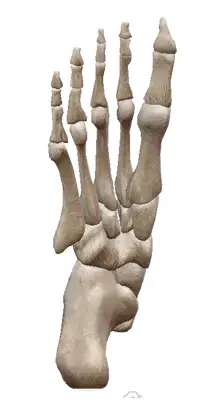
What anatomical view is the foot in?
a)
Plantar
b)
Inferior
c)
Anterior
d)
Superior
27.
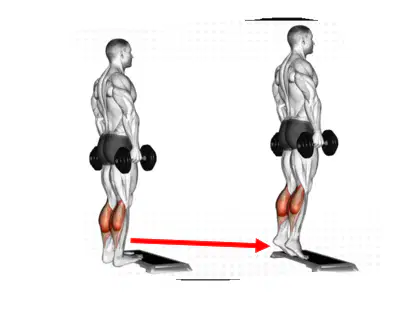
What action/movement is occurring at the ankle joint?
a)
Circumduction
b)
External rotation
c)
Plantarflexion
d)
Dorsiflexion
28.
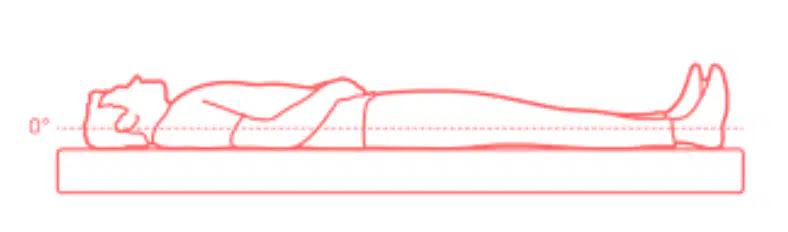
Identify the position this person is laying in:
a)
Prone
b)
Posterior
c)
Supine
d)
Anterior
29.
A freely moveable joint between two bones with complimentary shapes; allows a wide range of motion
a)
Saddle joint
b)
Condyloid joint
c)
Pivot joint
d)
Ball and socket joint
30.
The two limb girdles make up which part of the skeleton?
a)
Appendicular skeleton
b)
Axial skeleton
31.
This bone classification is long in length, and small in width. They are responsible for absorbing the stress of the body's weight.
a)
Short bones
b)
Flat bones
c)
Long bones
d)
Irregular bones
32.
What type of joint is the shoulder classified as?
a)
Pivot joint
b)
Ball and socket joint
c)
Saddle joint
d)
Condyloid joint
33.
Bones that are embedded into tendons and are round in shape belong to which bone classification?
a)
Short bones
b)
Irregular bones
c)
Flat bones
d)
Sesamoid bones
34.
What joint only allows extension and flexion?
a)
Hinge joint
b)
Ball and Socket joint
c)
Saddle joint
d)
Condyloid joint
35.
Gliding joints allow for:
a)
Formed where bones can move about one another in many directions but cannot rotate
b)
A freely moveable joint between two bones with complimentary shapes; allows a wide range of motion
c)
Freely movable joint in which a bone moves around a central axis, creating a rotational movement
d)
Allows bones to make a sliding motion, either back and forth or side to side
36.
Bones that have complex and irregular shapes are classified as what type of bones?
a)
Short bones
b)
Flat bones
c)
Irregular bones
d)
Long bones
37.
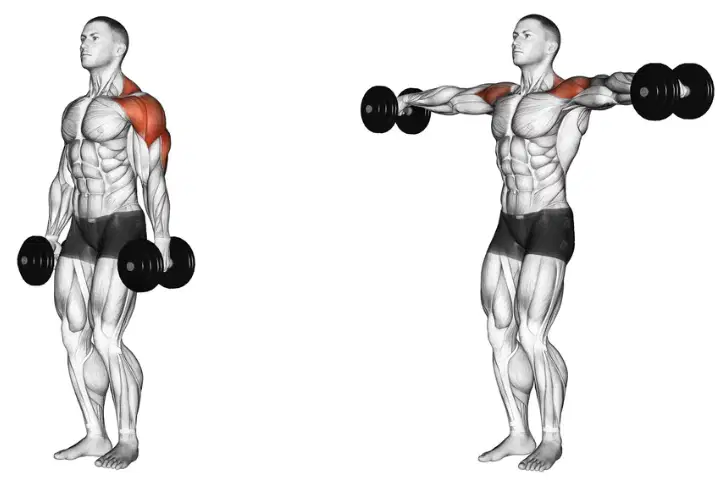
What movement is occurring at the arms?
a)
Flexion
b)
Abduction
c)
Adduction
d)
Extension
38.
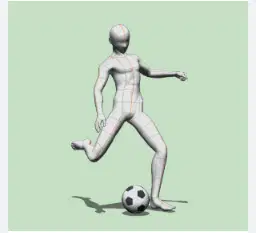
The right hip is producing what motion?
a)
Flexion
b)
Extension
c)
Plantar flexion
d)
Dorsiflexion
39.
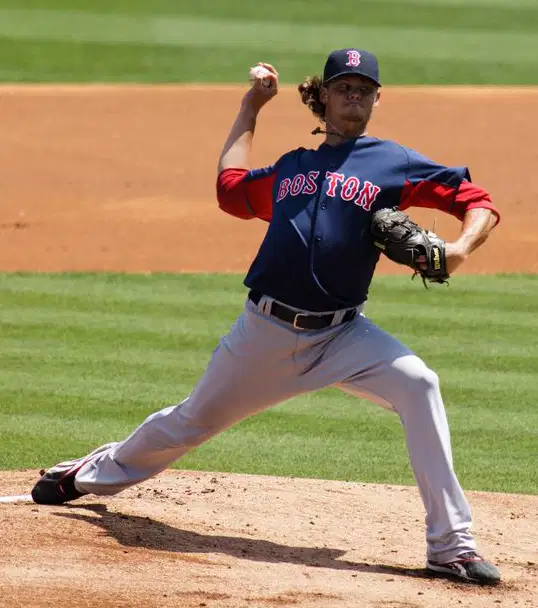
The right elbow is producing what movement?
a)
Pronation
b)
Circumduction
c)
Hyperextension
d)
Flexion
40.
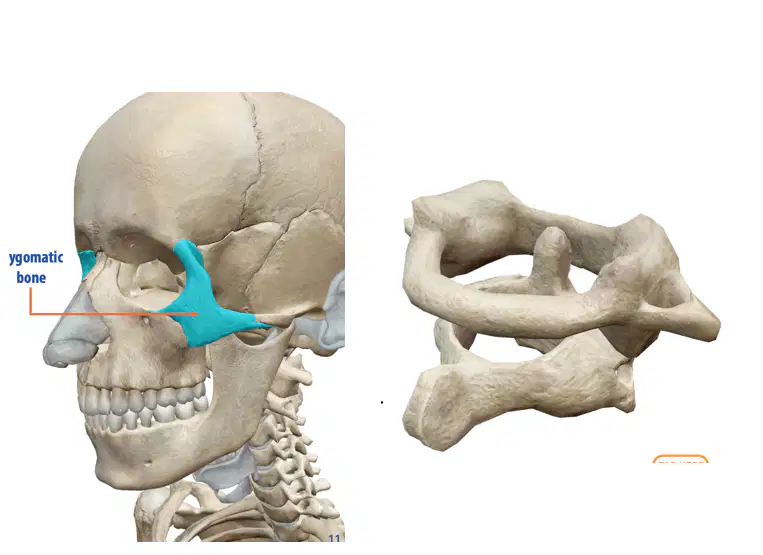
Classify the types of bone shown below
a)
Flat
b)
Irregular
c)
Short
d)
Long
41.
Bones of the arms and legs can be classified as what type of bones?
a)
Long bones
b)
Short bones
c)
Irregular bones
d)
Flat bones
42.
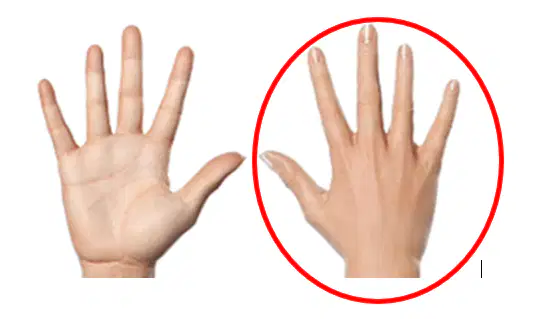
What position is the hand on the right in?
a)
Flexion
b)
Hperextension
c)
Supination
d)
Pronation
43.
The head is inferior to the neck
a)
True
b)
False
44.
The patella (knee cap) is anterior to the knee joint
a)
True
b)
False
45.
The fingernail is proximal to the underlying skin
a)
True
b)
False
46.
The term for: away from the center
a)
Distal
b)
Superior
c)
Superficial
d)
Peripheral
47.
The medical term for carrying away
a)
Afferent
b)
Efferent
c)
Central
d)
Peripheral
48.
The medical term for: Anterior surface of the arm or leg rotates laterally away from the midline
a)
Inferior
b)
External rotation
c)
Internal rotation
d)
Flexion
49.
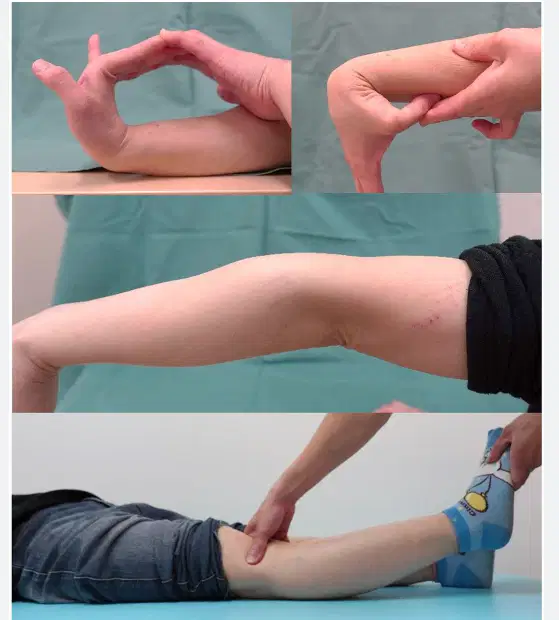
All of these pictures depict what motion?
a)
Flexion
b)
Extension
c)
Supination
d)
Hyperextension
50.
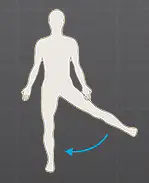
What movement is occurring at the leg? Look at the arrow.
a)
External rotation
b)
Internal rotation
c)
Adduction
d)
Abduction
100 %

