
 Worksheets
Ancient China 1
Total questions: 50
Worksheet time: 25mins
在中国几千年的历史上,只有一位女皇帝
In China's hundreds of years of history, there is only one female emperor.
In China's thousands of years of history, there is only one female emperor.
In China's hundreds of years of history, this was the first female emperor.
In China's thousands of years of history, this was the first female emperor.
则天是她死后人们对她的称呼
Zetian was the name given to her before her death.
Zetian was the name given to her at her coronation.
Zetian was the name given to her after her death.
Zetian was the name given to her after her wedding.
武则天小时候很自信
When Zetian was little, she was selfish.
When Zetian was little, she was smart.
When Zetian was little, she was selfless.
When Zetian was little, she was self confident.
皇帝老了的时候,武则天对他好
When the empress was old, the people were good to her.
When the emperor was old, Zetian was good to him.
When the empress was old, the people took advantage of her.
When the emperor was old, Zetian worked to overthrow him.
再也不结婚
not to marry again
not to return to the palace again
not to study again
not to go home again
又勇敢又自信
both kind and generous
both smart and brave
both brave and kind
both brave and self-confident
佩服
xiànmù
yǒnggǎn
bǎngyàng
pèifu
英雄
yǒnggǎn
yīnggǎn
yīngxióng
yǒngxióng
同意
tóngyì
tóngxué
xuéxí
xuéyì
反对
bǎnduì
fǎnduì
dǎnduì
yīnduì
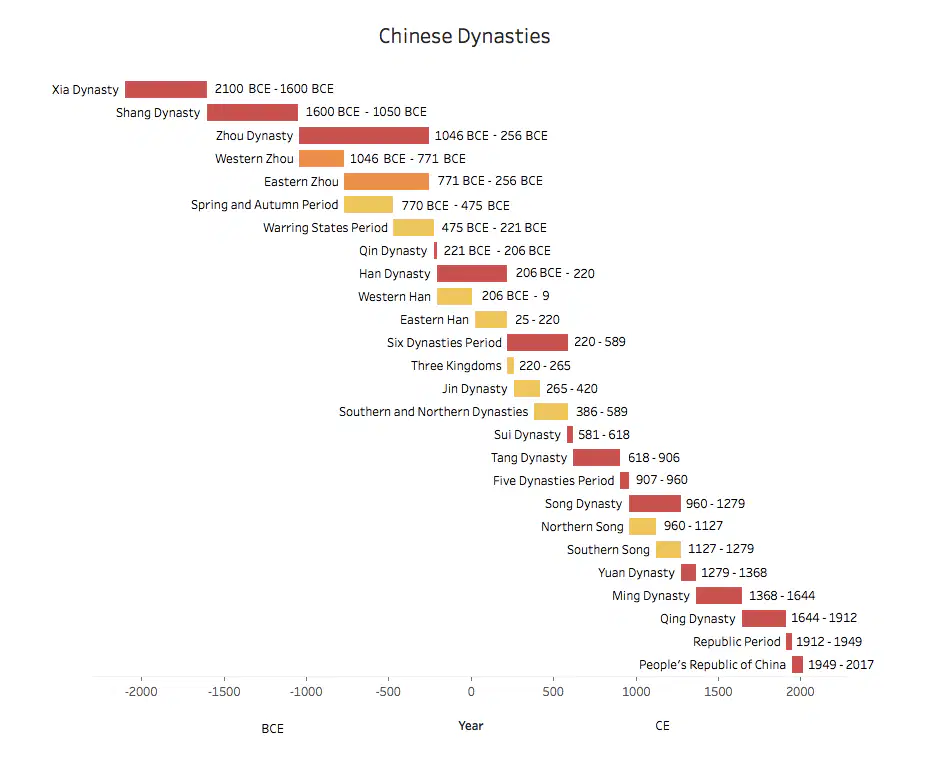
what is a dynasty?
rulers from the same family
rulers from different families
a desert in china
a river in china
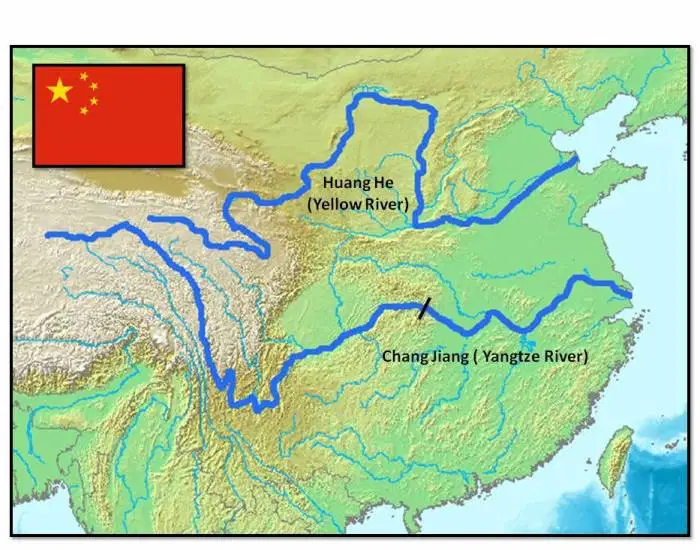
loess gave this river a specific color. what is the name of this river?
yangtze river
yellow river / huang he river
what was the major crop grown in the huang he (yellow) river valley?
tea
rice
wheat
mulberry
which river flooded alot was nicknamed "china's sorrow"?
yellow / huang he
yangtze / chang jiang
what crop was grown along the yangtze river?
tea
wheat
rice
mulberry
rice was grown by digging what into hillsides?
steps
canals
ponds
terraces
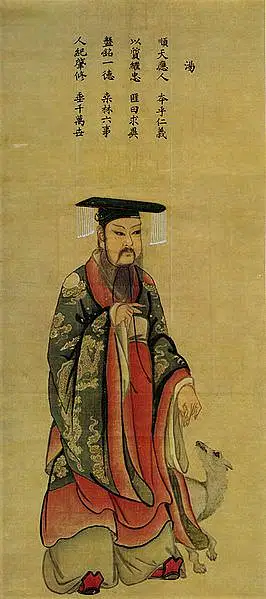
what is the oldest dynasty that we have record of?
han
qin
shang
zhou
emperors would use what to make predictions?
dice rolling
scrying
astrology
oracle bones
the Chinese though their kingdom was the center of the universe, so they called it what?
high kingdom
middle kingdom
low kingdom
best kingdom
the ancient Chinese worshipped gods and ___
the desert
the rivers
gods / goddesses
ancestors
who did the Shang dynasty rely on to control local armies?
warlords
peacelords
aristocrats
emperors
what is the name of the mythological Chinese dynasty that there is NO archeological evidence of?
xia
yu
shang
han
what is the name of the oldest Chinese dynasty that we DO have archeological evidence of?
xia
yu
shang
han
most people in the Shang dynasty were ____
aristocrats
warlords
farmers
emperors
how did the ancient chinese make silk?
by growing and harvesting silk worms
by growing silk plants
by raising silk cows
what is the name of the longest dynasty in Chinese history? (hint: this is right after the shang dynasty)
xia
shang
zhou
han
the zhou's ruled china by using chosen officials to complete tasks. what kind of government is this called?
democracy
oligarchy
bureaucracy
monarchy
what is the mandate of heaven?
the belief that a king's right to rule came from the gods
the belief that anyone could become king
the belief that being king was shared between warlords and aristocrats
the belief that farmers decide who becomes king
the mandate of heaven meant that kings must rule the "proper way." what was this called?
bow
now
dao
pow
what happened during the "period of the warring states"?
aristocrats lost their territories in a war with russia
aristocrats took control of their territory and fought each other
aristocrats united their territories
aristocrats gave their territories back to the king

