
 Worksheets
Plant Growth Factors Unit Practice Test
Total questions: 46
Worksheet time: 23mins
Name
Class
Date
1.
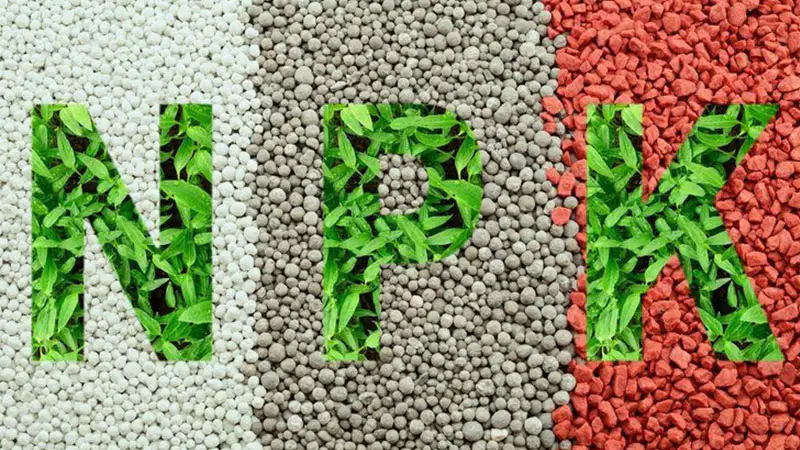
Which nutrient is responsible for root growth and development?
a)
Nitrogen (N)
b)
Phosphorus (P)
c)
Calcium (Ca)
d)
Potassium (K)
2.
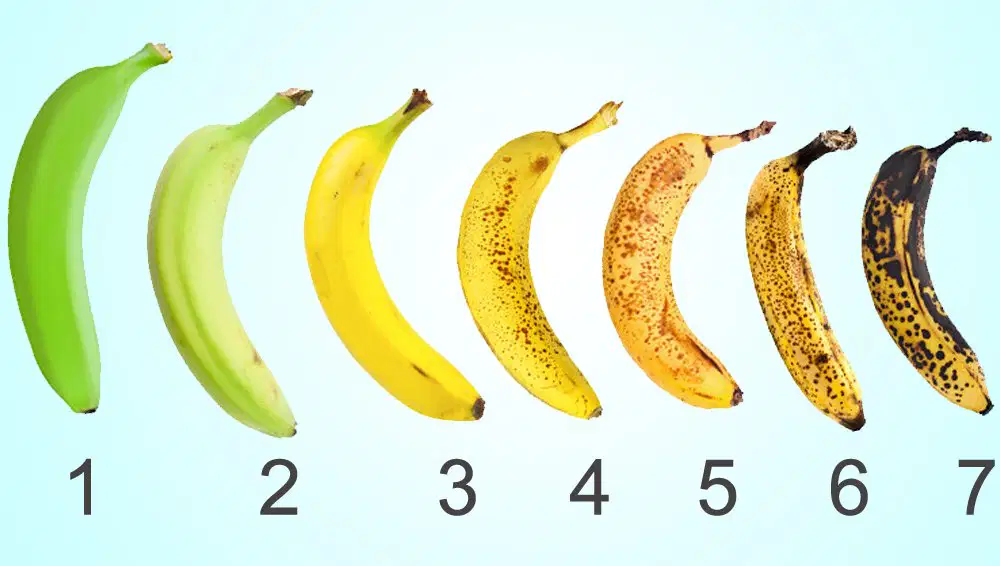
Which plant hormone hastens the ripening of fruit?
a)
Gibberellins
b)
Ethylene
c)
Auxins
d)
Cytokinins
3.

Which plant nutrient is responsible for the formation of chlorophyll and the quick "greening up" effect on plants?
a)
Magnesium (Mg)
b)
Iron (Fe)
c)
Sulfur (S)
d)
Potassium (K)
4.
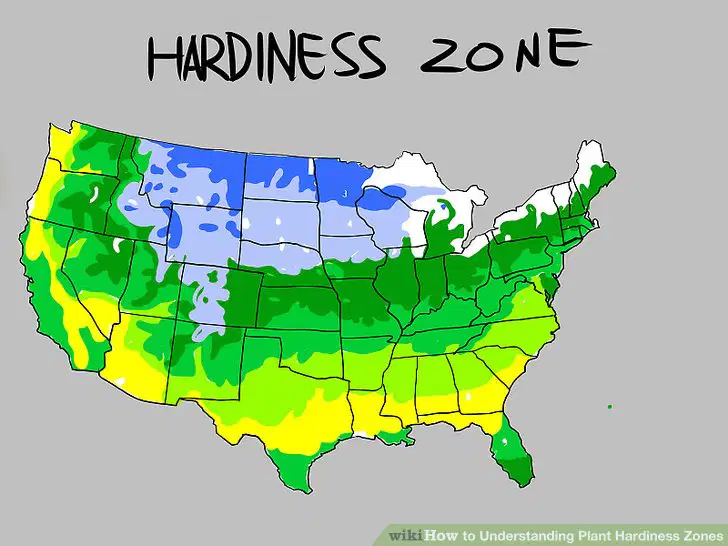
Which of the following best describes the term, hardiness?
a)
The ability of a plant to withstand high temperatures.
b)
The ability of a plant to withstand cold temperatures.
c)
The ability of a soil to retain water.
d)
The ease with which air and water move through the soil profile.
5.
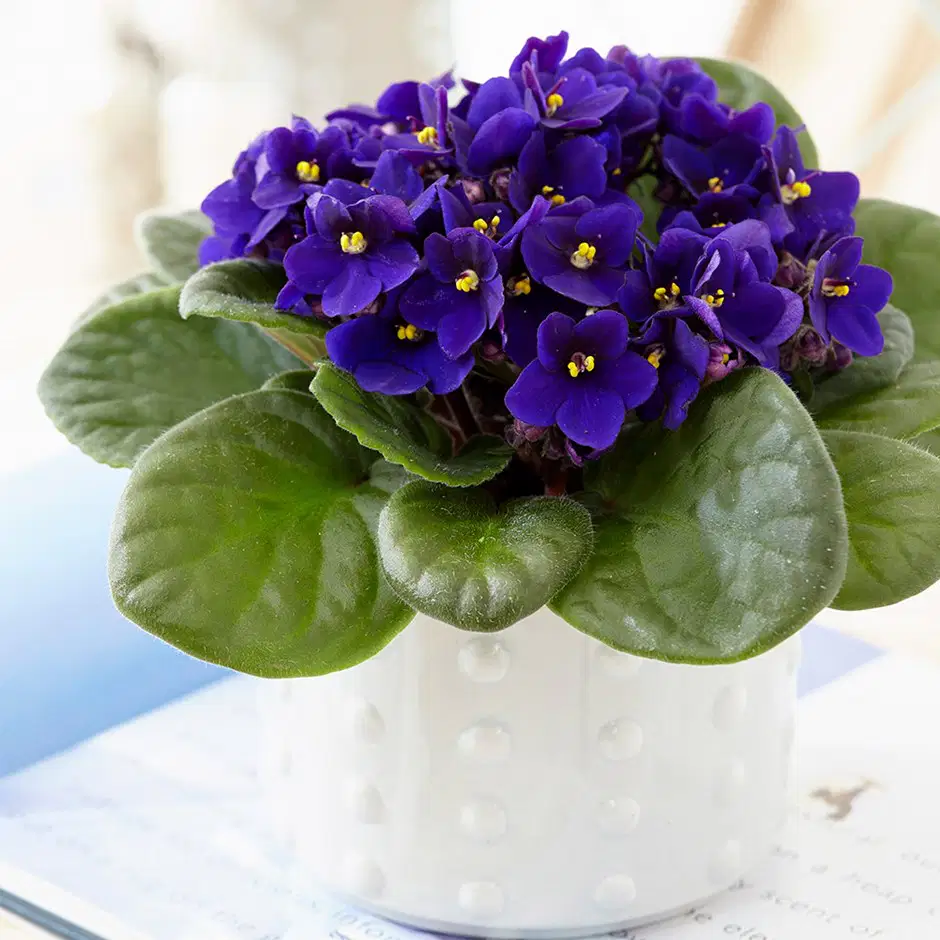
All of the following are symptoms of plants receiving less than optimal sunlight EXCEPT ______.
a)
Compact growth
b)
Dull colored leaves
c)
Slow growing plants
d)
Stretching
6.

Which of the following best describes the term, water - holding capacity?
a)
The ease with which water and air move through the soil.
b)
The ability of the soil to retain water.
c)
The ease with which a soil may be tilled after a rain event.
d)
All of the above
7.

Growth - regulating substances in plants are known as __________________.
a)
Allelopathy
b)
PGRs
c)
Inhibitors
d)
Pinching
8.
Carbon dioxide is needed for which plant process?
a)
Respiration
b)
Transpiration
c)
Photosynthesis
d)
All of the above
9.

All of the following are examples of how blue light impacts plant growth EXCEPT ________________.
a)
Reduces stem length
b)
Promotes seed germination
c)
Promotes stem strength
d)
Increases branching
10.
Which nutrient is responsible for promoting vegetative growth (leaves / stems)?
a)
Nitrogen (N)
b)
Potassium (K)
c)
Calcium (Ca)
d)
Phosphorus (P)
11.

What tool do plant producers across America use to determine which plants are heat tolerant for their zone?
a)
AHS Plant Heat Zone Map
b)
USDA Plant Hardiness Zone Map
c)
Southern Landscapes 7th Ed.
d)
Great Expectations
12.
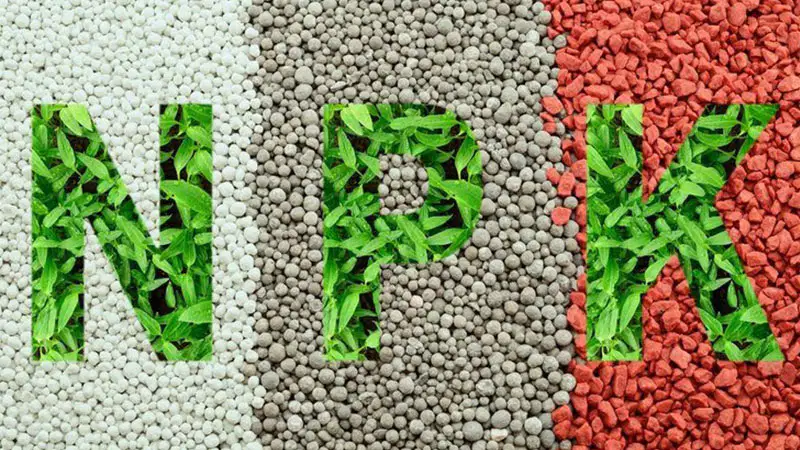
Which of the following best describes the term, macronutrient?
a)
Nutrients that are chiefly responsible for vegetative growth and development.
b)
Nutrients that are needed in small quantities.
c)
Nutrients that are responsible for promoting stem elongation and stem strength.
d)
Nutrients that are needed in large quantities.
13.
Which of the following best describes the term, photoperiod?
a)
The period of time that an organism receives daylight.
b)
The period of time that an organism receives irrigation.
c)
The strength of light that an organism receives.
d)
The process of absorbing visible light to create glucose.
14.
Which of the following best describes a DNP (Day - Neutral Plant)?
a)
A plant whose flowering response is not impacted by light intensity.
b)
A plant that flowers when it experiences day light conditions of greater than 12 hours.
c)
A plant that flowers when it experiences day light conditions less than 12 hours.
d)
A plant that flowers under high temperature conditions.
15.

The three numbers on the front of a fertilizer bag represent the fertilizer's analysis. What does a fertilizer analysis tell the purchaser?
a)
The percentage of N, P, and K found in the fertilizer's composition.
b)
The percentage of organic matter, mineral matter, and perlite found in a fertilizer.
c)
The percentage of Ca, Mg, and S found in the fertilizer's composition.
d)
The ratio of N to K found in the fertilizer.
16.
Which hormone is responsible for initiating cell division in the presence of auxins?
a)
Gibberellins
b)
Abscisic Acid
c)
Auxins
d)
Cytokinins
17.
Which hormone is responsible for inhibiting growth and suppressing bud growth?
a)
Cytokinins
b)
Ethylene
c)
Abscisic Acid
d)
Auxins
18.

Which plant nutrient is responsible for developing a plant’s cold hardiness?
a)
Nitrogen (N)
b)
Manganese (Mn)
c)
Potassium (K)
d)
Sulfur (S)
19.

Which plant organelle is responsible for absorbing light needed for photosynthesis?
a)
Chloroplast
b)
Mitochondria
c)
Vacuole
d)
Stomata
20.
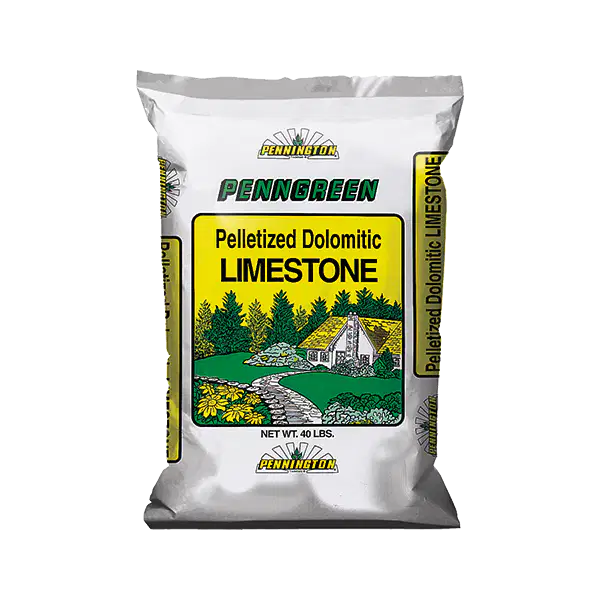
If lime is applied, which of the following macronutrients is also applied?
a)
Nitrogen (N)
b)
Potassium (K)
c)
Calcium (Ca)
d)
Manganese (Mn)
21.
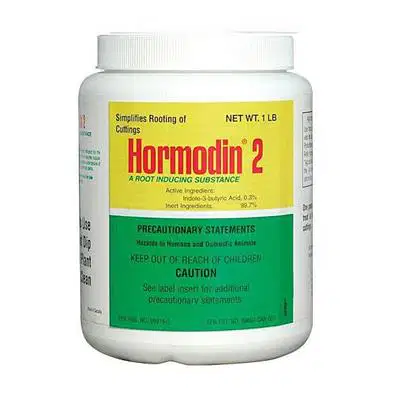
The chemical most often used commercially for rooting cuttings is ________________________.
a)
Indoleacetic acid (IAA)
b)
Indolebutyric acid (IBA)
c)
Naphthaleneacetic acid (NAA)
d)
Talc
22.
Which plant nutrient is responsible for strengthening the cell wall?
a)
Calcium (Ca)
b)
Sulfur (S)
c)
Boron (B)
d)
Iron (Fe)
23.
Which soil amendment is applied to raise the soil pH?
a)
Gypsum
b)
Sulfuric acid
c)
Lime
d)
Fertilizer
24.

Which plant nutrient increases chlorophyll concentration, leading to increased photosynthetic rates?
a)
Calcium (Ca)
b)
Magnesium (Mg)
c)
Nitrogen (N)
d)
Zinc (Zn)
25.

Clemson Extension recommends using a 22 - 23 - 4 fertilizer for your newly established Fescue lawn. What does the number 23 represent?
a)
The percentage of Potassium (K) found in the bag of fertilizer.
b)
The lbs of Nitrogen (N) found in the bag of fertilizer.
c)
The percentage of Phosphorus (P) found in the bag of fertilizer.
d)
The amount of gluten - free noxious weeds in the bag of fertilizer.
26.
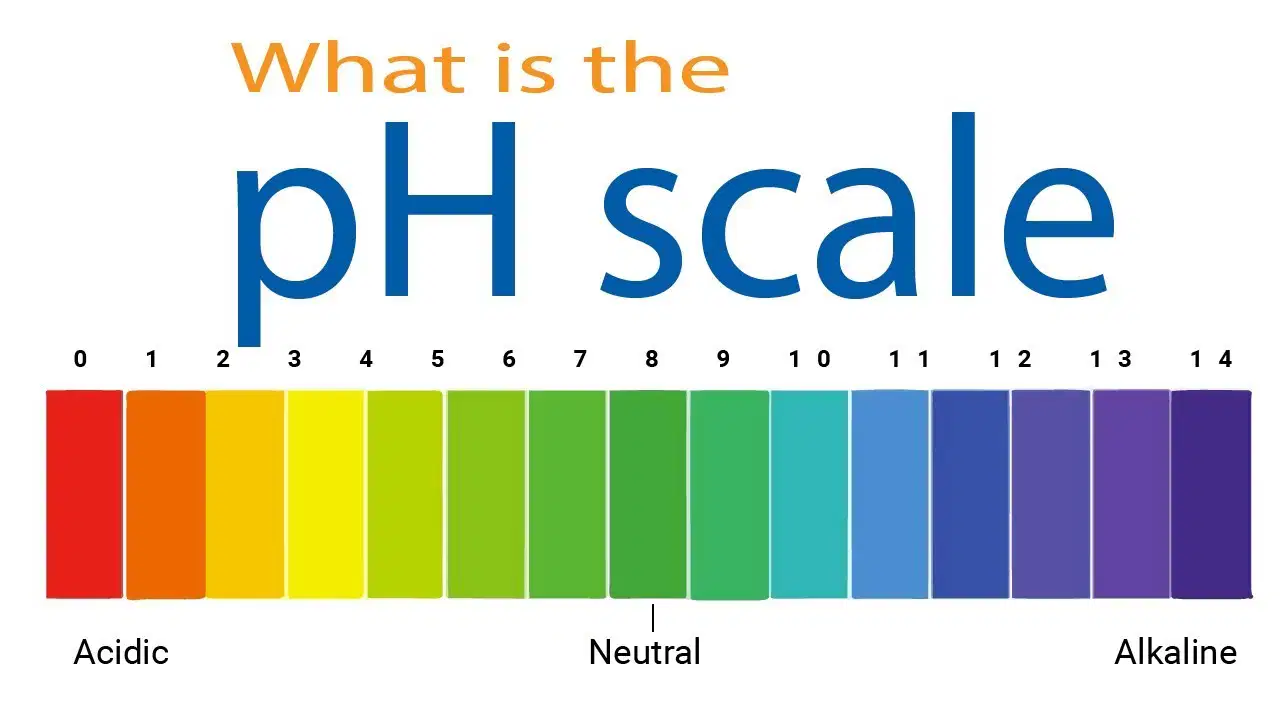
pH is measured on a scale of 0 - 14. What is the ideal pH range for most plants?
a)
5.0 - 5.8
b)
6.0 - 7.0
c)
6.4 - 7.8
d)
7.2 - 8.5
27.

Which of the following best describes the term, permeability?
a)
The ease with which air and water moves through the soil profile.
b)
The ability of the soil to retain water.
c)
The ease with which a soil may be tilled after a rain event.
d)
The ability of the soil to retain nutrients.
28.
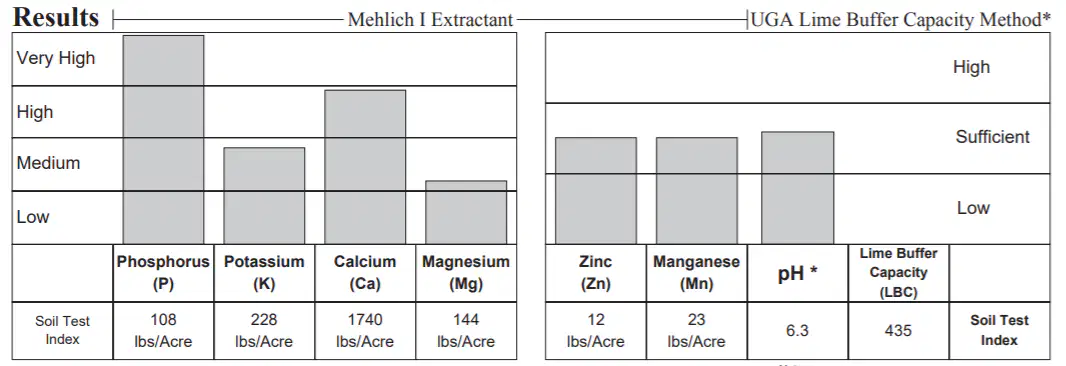
What is the soil pH according to the soil test report?
a)
5.8
b)
6.1
c)
435
d)
6.3
29.

What are the levels of P (Phosphorus) found in the soil according to the soil test report?
a)
Very High
b)
High
c)
Medium
d)
Low
30.

According to the P (Phosphorus) ratings above, do I need to apply P?
a)
Yes
b)
No
31.
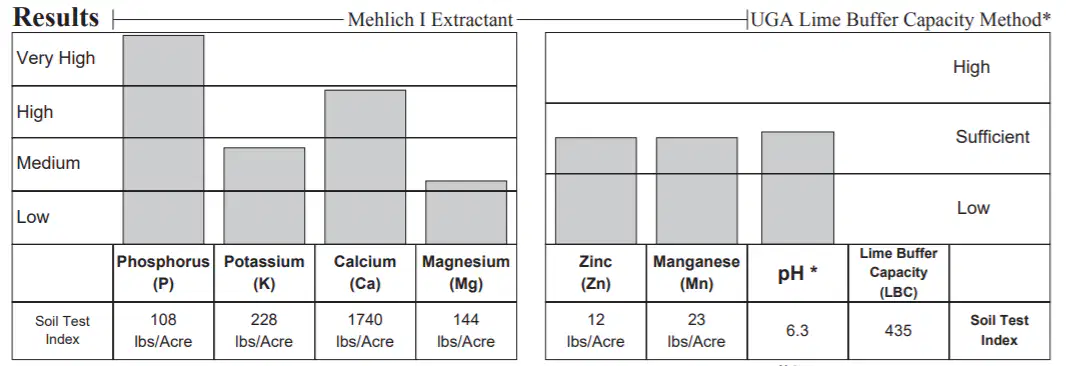
What are the levels of K (Potassium) found in the soil according to the soil test report?
a)
Very High
b)
High
c)
Medium
d)
Low
32.
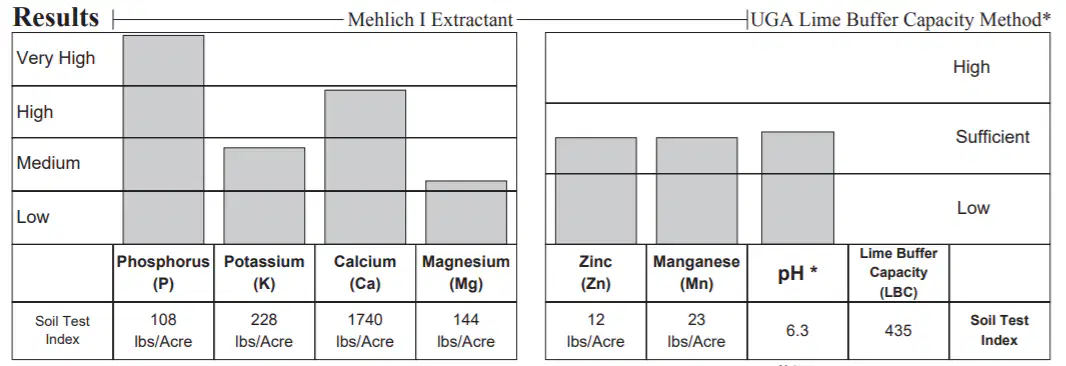
According to the K (Potassium) ratings above, do I need to apply K?
a)
Yes
b)
No
33.

Under the recommendations, is limestone needed?
a)
Yes
b)
No
34.

This soil test report is for a 2 acre plot of land that you are using to grow a watermelon patch. Based on the recommendations, how many lbs of 15 - 0 - 15 fertilizer should be applied for every 1000 ft2?
a)
7 lbs
b)
10 lbs
c)
20 lbs
d)
30 lbs
35.

A soil consisting of 42% sand, 28% silt, and 30% clay would be classified as which of the following?
a)
Silt
b)
Sandy Clay
c)
Clay Loam
d)
Sandy Clay Loam
36.

A soil consisting of 15% sand, 38% silt, and 47% clay would be classified as which of the following?
a)
Clay
b)
Silty Loam
c)
Sandy Loam
d)
Clay Loam
37.

A soil consisting of 59% sand, 8% silt, and 33% clay would be classified as which of the following?
a)
Sandy Clay Loam
b)
Loamy Sand
c)
Sandy Clay
d)
Silty Clay
38.
Why is 6.0 to 7.0 the ideal pH range?
a)
It's the pH where most nutrients are available for plants to use.
b)
It's the pH where coarse soils increase their permeability the most.
c)
It's the pH that is most suitable for microorganism activity.
d)
All of the above
39.
Check all of the following statements that are TRUE as it describes coarse soils. Be sure to check THREE answer choices.
a)
Lower water - holding capacity
b)
Faster permeability
c)
Lower nutrient retention
d)
Slower permeability
e)
Higher water - holding capacity
40.
Check all of the following ways that plants use water to function. Be sure to check THREE answer choices.
a)
Transport nutrients and sugars throughout the plant.
b)
Used to undergo the transpiration process.
c)
Needed to allow photosynthesis to occur.
d)
Used to undergo the respiration process.
e)
Solidifies the plant's root system.
41.
A plant displaying a Nitrogen (N) deficiency will appear _____________________________.
a)
Purplish - reddish
b)
Dark green
c)
Black
d)
Yellow
42.
A plant displaying a Phosphorus (P) deficiency will appear ________________________________.
a)
With scorched leaf margins.
b)
Purplish - reddish
c)
Green
d)
Brown
43.
A plant displaying a Potassium (K) deficiency will appear ___________________________.
a)
Black
b)
Reddish
c)
With scorched leaf margins
d)
Yellow
44.
Which hormone is used in the horticulture / agriculture industries to increasing fruit size?
a)
Gibberellins
b)
Auxins
c)
Cytokinins
d)
Abscisic Acid
45.
To raise the soil pH, which soil amendment is applied?
a)
Resin - coated fertilizer
b)
Lime
c)
Sulfuric acid
d)
All of the above
46.
To lower the soil pH, which soil amendment is applied?
a)
Lime
b)
Gypsum
c)
Organic matter
d)
Sand
100 %

