
 Worksheets
The Value of Relationships
Total questions: 98
Worksheet time: 49mins
What is social support?
The type of help we receive from our contact with others
The food we eat with friends
The exercise we do with friends
The places we visit with friends
Social support is delivered in four forms. Which of the following is NOT one of them?
A) Emotional support
B) Instrumental support
C) Informational support
D) Financial support
Fill in the blank: Social support is delivered in four forms: Emotional support, Instrumental support, Informational support, and ________ support.
Belonging
Financial
Physical
Technical
We eat healthier when our friends eat healthy foods.
True
False
Which of the following is a form of social support?
Emotional support
Physical exercise
Financial investment
Entertainment
Fill in the blank: A constellation of neighbors, relatives, classmates, coworkers, and friends is called a _________.
social network
ecosystem
galaxy
family tree
Fill in the blank: The collective value of all the people in your social network—and the likelihood of those people providing social support when you need it—is called _________.
social capital
emotional intelligence
cultural literacy
personal branding
Fill in the blank: _________ comes from mutually rewarding face-to-face contact.
Relational connectedness
Digital communication
Virtual presence
Remote collaboration
Fill in the blank: The feeling that you are part of a group beyond yourself is called _________
collective connectedness
individualism
solitude
personal achievement
Intimate relationships are those with family members, close friends, and romantic partners, characterized by ________ interdependence, need fulfillment, emotional attachment, and emotional availability. Fill in the blank.
behavioral
financial
geographical
professional
Which of the following is NOT a characteristic of intimate relationships?
A) Behavioral interdependence
B) Need fulfillment
C) Emotional attachment
D) Financial independence
One characteristic of intimate relationships mentioned in the passage is:
Emotional closeness
Financial independence
Professional rivalry
Physical distance
Emotional availability is a characteristic of intimate relationships.
True
False
Fill in the blank: Intimate relationships are characterized by behavioral interdependence, need fulfillment, emotional attachment, and ________ availability.
emotional
physical
financial
spiritual
Through relationships, we fulfill our need for _________.
Intimacy
Wealth
Fame
Power
Through relationships, we fulfill our need for _________.
Social integration
Physical exercise
Financial security
Nutritional balance
Through relationships, we fulfill our need for _________.
Nurturance
Competition
Isolation
Neglect
Through relationships, we fulfill our need for _________.
Assistance
Competition
Isolation
Neglect
Through relationships, we fulfill our need for _________.
Affirmation
Nutrition
Shelter
Transportation
People with positive, fulfilling relationships are 50 percent more likely to survive over time than are people in poor relationships.
True
False
What are the two concepts important to any good relationship mentioned in the passage 'Caring For Yourself'?
Accountability and Self-nurturance
Honesty and Trust
Communication and Respect
Independence and Freedom
Fill in the blank: Accountability means both partners are responsible for their own ________, choices, and actions.
decisions
mistakes
feelings
goals
What is self-nurturance as described in the passage 'Caring For Yourself'?
The development of individual potential through a balanced and realistic appreciation of self-worth and ability.
A process of relying solely on others for emotional support.
Ignoring personal needs in favor of helping others.
Achieving success by competing with others at all costs.
Self-esteem and self-concept are important factors that affect your ability to nurture yourself and maintain healthy relationships with others.
True
False
According to the passage 'Caring For Yourself,' your perception and acceptance of yourself influences your ________ choices.
relationship
fashion
dietary
financial
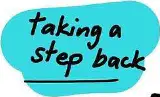
Which of the following is an example of self-care?
Taking a step back
Ignoring your needs
Overworking yourself
Avoiding help
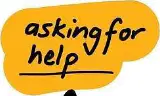
Which of the following is a way to practice self-care?
Asking for help
Never asking for help
Always doing things alone
Ignoring your feelings
Spending time alone is a form of ________.
self-care
punishment
exercise
entertainment
Putting yourself first is an example of:
Selfishness
Self-care
Neglect
Laziness
Which of the following is important for self-care?
Asking for what you need
Ignoring your needs
Always saying yes
Never resting

Setting boundaries is a part of ________.
self-care
procrastination
neglect
avoidance
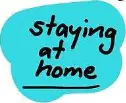
Staying at home can be considered a form of:
Self-care
Isolation
Avoidance
Laziness
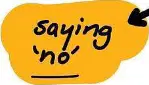
Saying 'no' when you need to is an example of ________.
self-care
procrastination
indifference
selfishness
avoidance
Forgiving yourself is a way to practice:
Self-care
Self-criticism
Perfectionism
Neglect
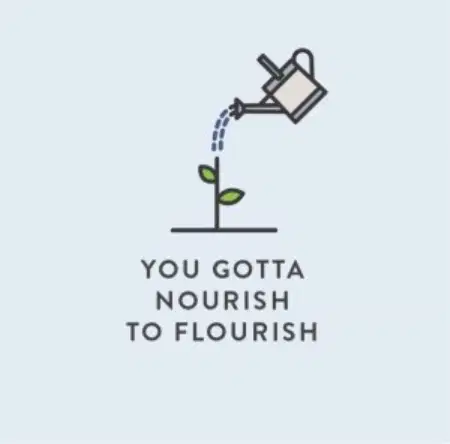
Complete the phrase: You gotta ________ to flourish.
nourish
perish
vanish
punish
What is a family? Fill in the blank: A family is a group of people with roles, tasks, boundaries, and personalities whose central focus is to protect, care for, love, and _______ with one another.
socialize
compete
ignore
argue
Who are usually present in our household during our first years of life, according to the definition of 'family of origin'?
Parents and siblings
Neighbors and friends
Teachers and classmates
Distant relatives
From the people in our family of origin, we initially learn about which of the following?
Feelings
Problem solving
Love
Intimacy
Gender roles
The central focus of a family is to protect, care for, love, and socialize with one another.
True
False
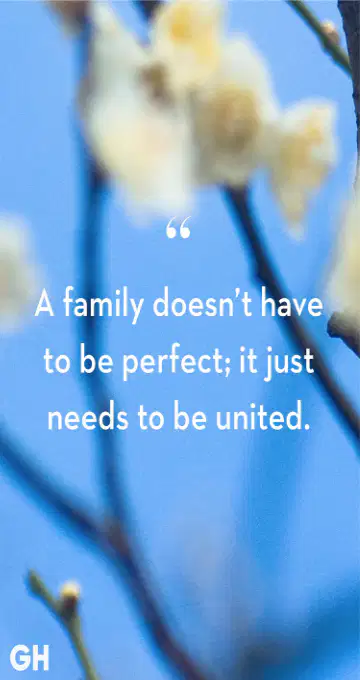
Who or what needs to be united according to the quote?
A family
A country
A team
A school

According to the quote, what will always be there in a family?
The love
The money
The arguments
The distance
According to the passage, what are the first relationships we form outside our immediate families?
Romantic relationships
Friendships
Work relationships
Teacher-student relationships
According to the passage, maintaining strong friendships may be a good predictor of your success in establishing what type of relationships?
Work relationships
Romantic relationships
Family relationships
Teacher-student relationships
Fill in the blank: Both strong friendships and romantic relationships require shared interests and values, mutual acceptance, trust, understanding, respect, and _________.
self-confidence
competition
jealousy
indifference
dishonesty
Which of the following is a characteristic of romantic relationships?
Fascination
Indifference
Hostility
Isolation
Which of the following is a characteristic of romantic relationships?
Exclusivity
Disloyalty
Independence
Neglect
Which of the following is a characteristic of romantic relationships?
A) Sexual desire
B) Apathy
C) Boredom
D) Disinterest
Which of the following is a characteristic of romantic relationships?
Giving the utmost
Taking the least
Withholding support
Ignoring needs
Which of the following is a characteristic of romantic relationships?
A) Being a champion or advocate
B) Being a critic
C) Being a bystander
D) Being an opponent
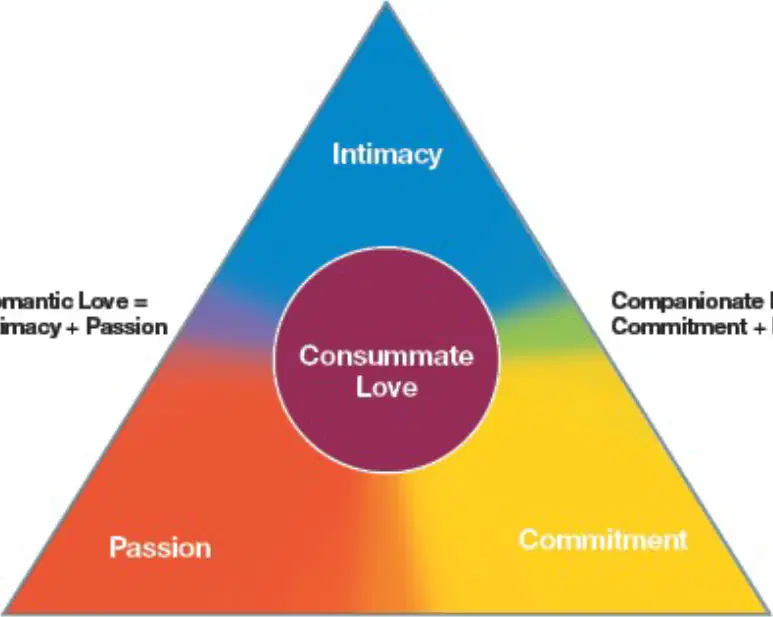
According to Sternberg's Triangular Theory of Love, which components make up Romantic Love?
Intimacy + Passion
Passion + Commitment
Commitment + Intimacy
Intimacy only
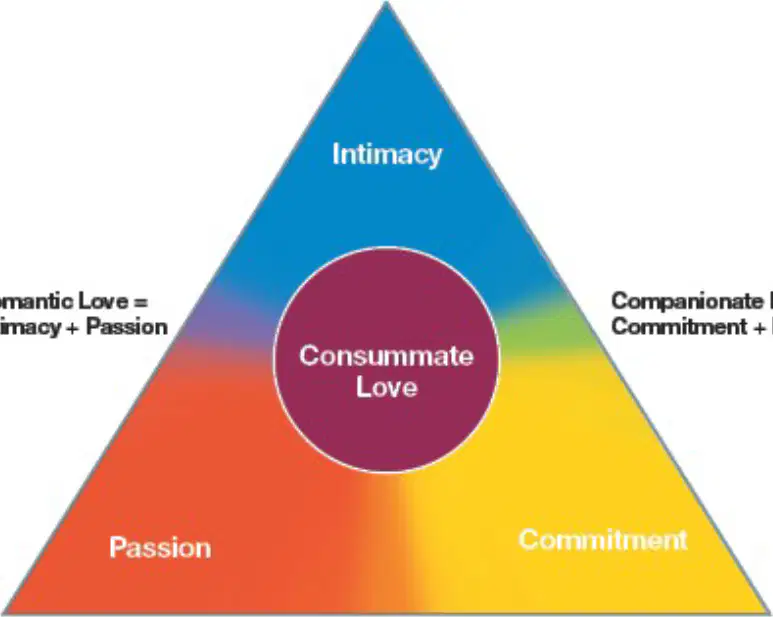
According to Sternberg's Triangular Theory of Love, what type of love is defined by Commitment only?
Empty Love
Romantic Love
Companionate Love
Consummate Love
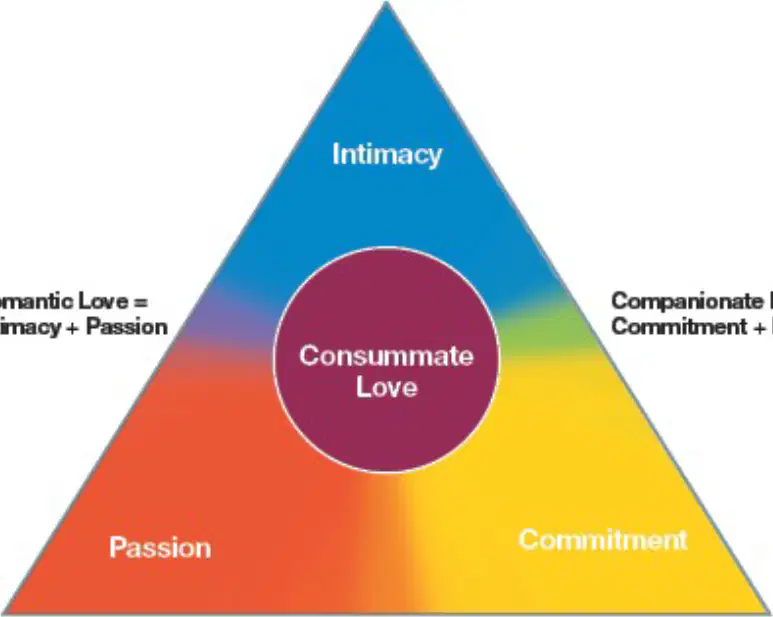
According to Sternberg's Triangular Theory of Love, which type of love is defined by Intimacy only?
Liking
Infatuation
Consummate Love
Fatuous Love
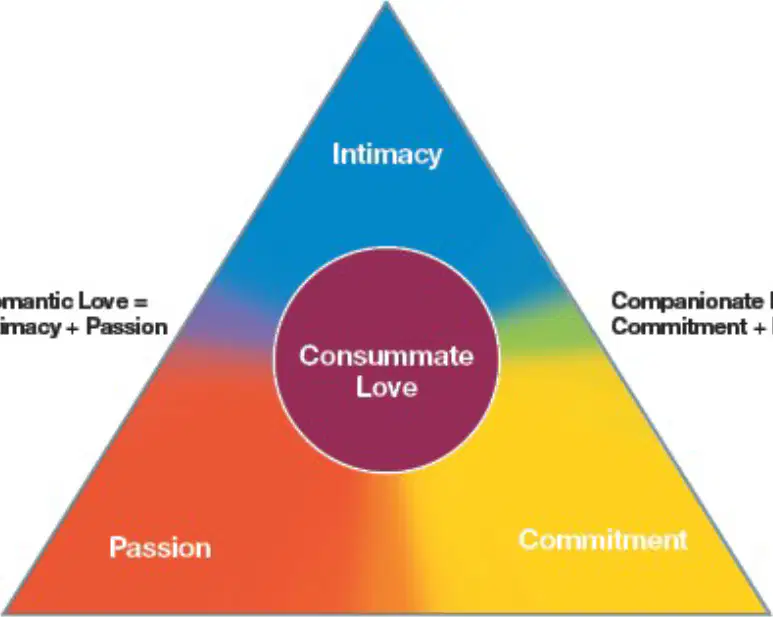
According to Sternberg's Triangular Theory of Love, which type of love is defined by Passion only?
Infatuation
Companionate Love
Consummate Love
Empty Love
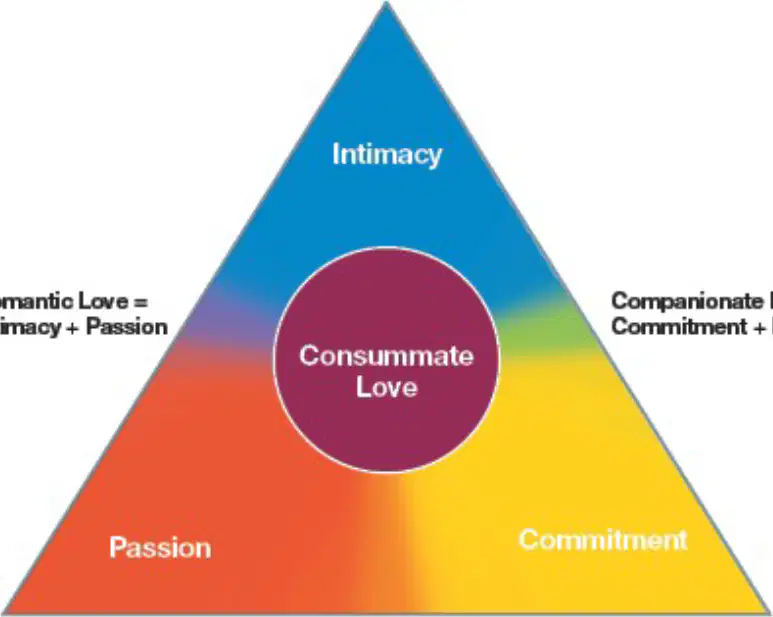
According to Sternberg's Triangular Theory of Love, which type of love is defined by Commitment + Intimacy?
Companionate Love
Romantic Love
Fatuous Love
Consummate Love
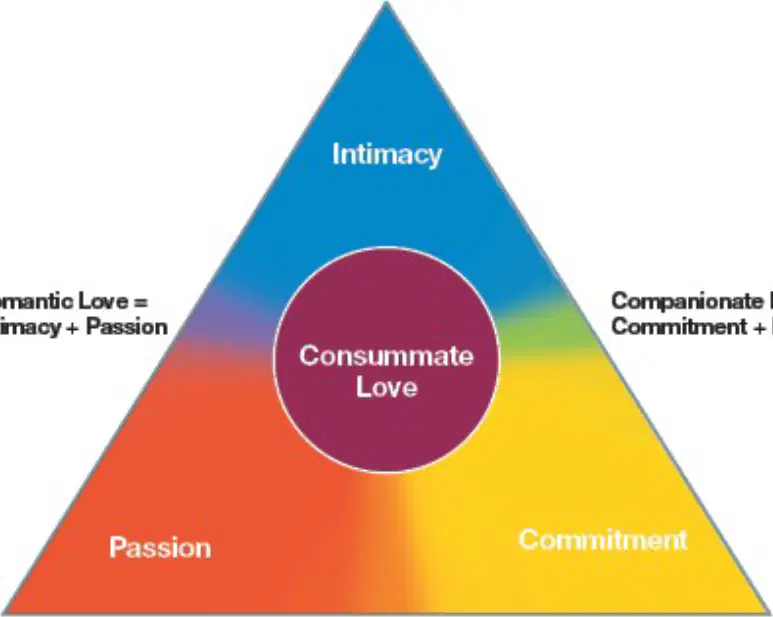
According to Sternberg's Triangular Theory of Love, which type of love is defined by Passion + Commitment?
Fatuous Love
Romantic Love
Companionate Love
Consummate Love
According to anthropologist H. Fisher and others, love and attraction are based on brain circuitry and chemistry. What is the process called that involves forming a strong bond or connection early in life?
Imprinting
Conditioning
Habituation
Assimilation
According to anthropologist H. Fisher and others, love and attraction are based on brain circuitry and chemistry. Which of the following is NOT one of the key components listed?
Imprinting
Attraction
Attachment
Aggression
According to anthropologist H. Fisher and others, love and attraction are based on brain circuitry and chemistry. What is the name of the 'cuddle chemical' produced in the brain?
Oxytocin
Serotonin
Adrenaline
Dopamine
According to anthropologist H. Fisher and others, love and attraction are based on brain circuitry and chemistry. Attachment is one of the components theorized to be involved in love and attraction.
True
False
What does 'Proximity' mean in the context of choosing a romantic partner?
being in the same place at the same time
having similar interests
sharing the same values
communicating frequently
According to the list, is the statement 'opposites attract' usually true when choosing a romantic partner?
True
False
What does 'Reciprocity' mean in the context of choosing a romantic partner? Fill in the blank: Reciprocity means to ________.
react with mutual regard
ignore the other person's feelings
always agree with your partner
compete for attention
According to the list, as relationships evolve, what becomes more important than physical attraction?
Status and personality become more important.
Physical attraction becomes less important.
Shared hobbies become less important.
Financial stability becomes less important.
Is 'Compromise' a characteristic of a healthy or unhealthy relationship?
Healthy
Unhealthy
Is 'Feeling anxious around the other person' a characteristic of a healthy or unhealthy relationship?
Healthy
Unhealthy
Is 'Support' a characteristic of a healthy or unhealthy relationship?
Healthy
Unhealthy
Is 'Obsessive behaviour' a characteristic of a healthy or unhealthy relationship?
Healthy
Unhealthy
Is 'Honesty' a characteristic of a healthy or unhealthy relationship?
Healthy
Unhealthy
Is 'Lies' a characteristic of a healthy or unhealthy relationship?
Healthy
Unhealthy
Is 'Respect' a characteristic of a healthy or unhealthy relationship?
Healthy
Unhealthy
Is 'Control' a characteristic of a healthy or unhealthy relationship?
Healthy
Unhealthy
Is 'Friendship' a characteristic of a healthy or unhealthy relationship?
Healthy
Unhealthy
Is 'Manipulation' a characteristic of a healthy or unhealthy relationship?
Healthy
Unhealthy
Is 'Encouragement' a characteristic of a healthy or unhealthy relationship?
Healthy
Unhealthy
Is 'Cheating' a characteristic of a healthy or unhealthy relationship?
Healthy
Unhealthy
Is 'Privacy' a characteristic of a healthy or unhealthy relationship?
Healthy
Unhealthy
Is 'Feeling scared' a characteristic of a healthy or unhealthy relationship?
Healthy
Unhealthy
Is 'Love' a characteristic of a healthy or unhealthy relationship?
Healthy
Unhealthy
Is 'Criticism' a characteristic of a healthy or unhealthy relationship?
Healthy
Unhealthy
Is 'Reliability' a characteristic of a healthy or unhealthy relationship?
Healthy
Unhealthy
Is 'Isolation' a characteristic of a healthy or unhealthy relationship?
Healthy
Unhealthy
Is 'Choices and options' a characteristic of a healthy or unhealthy relationship?
Healthy
Unhealthy
Is 'Accusing you of cheating' a characteristic of a healthy or unhealthy relationship?
Healthy
Unhealthy
Fill in the blank: One way to learn appropriate self-disclosure is to _________.
Get to know yourself.
Ignore your feelings.
Share everything with everyone.
Avoid talking about yourself.
Lie about your experiences.
Fill in the blank: To improve self-disclosure, you should become more ________ of yourself.
accepting
critical
distant
demanding
Fill in the blank: Being willing to discuss your ________ history is part of learning appropriate self-disclosure.
sexual
financial
medical
academic
Fill in the blank: Choose a ________ context for self disclosure.
safe
public
random
hostile
Fill in the blank: Be thoughtful about self-disclosure via ________ ________.
social media
textbooks
billboards
television
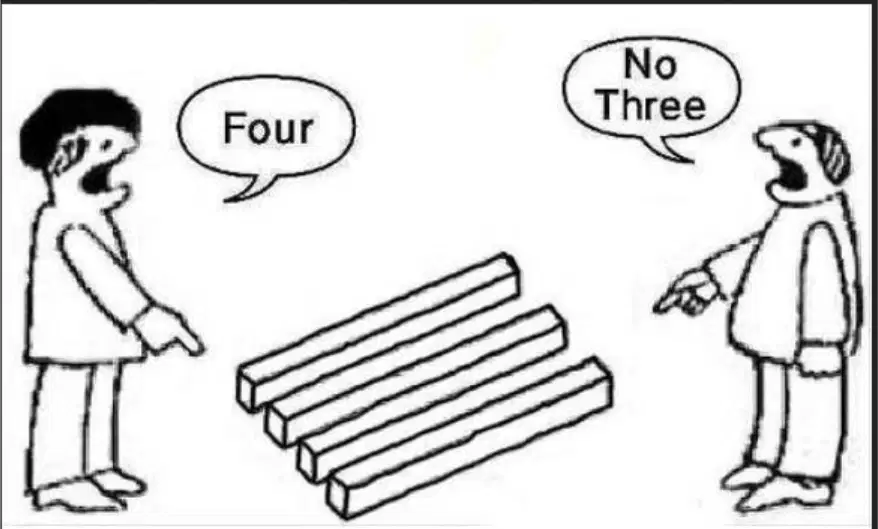
Look at the cartoon about communication. Two people are looking at the same object, but one says 'Four' and the other says 'No Three'. What is the main message of this cartoon?
People always agree on what they see
Communication can be affected by different perspectives
Only one person can be correct
Numbers are confusing
According to the quote by Dr. Debbie Grammas, what percentage of conflict is due to delivery and tone of voice?
10%
50%
90%
100%
According to Dr. Asa Don Brown, what is the key to healthy communication?
Having a willingness to lay aside our defensive tendencies and accept responsibility for our part of the relationship.
Always agreeing with the other person to avoid conflict.
Ignoring problems and hoping they resolve themselves.
Focusing only on your own needs and desires.
Healthy communication is the ability to communicate without offering ______ or undesirable responses.
hateful
supportive
encouraging
helpful
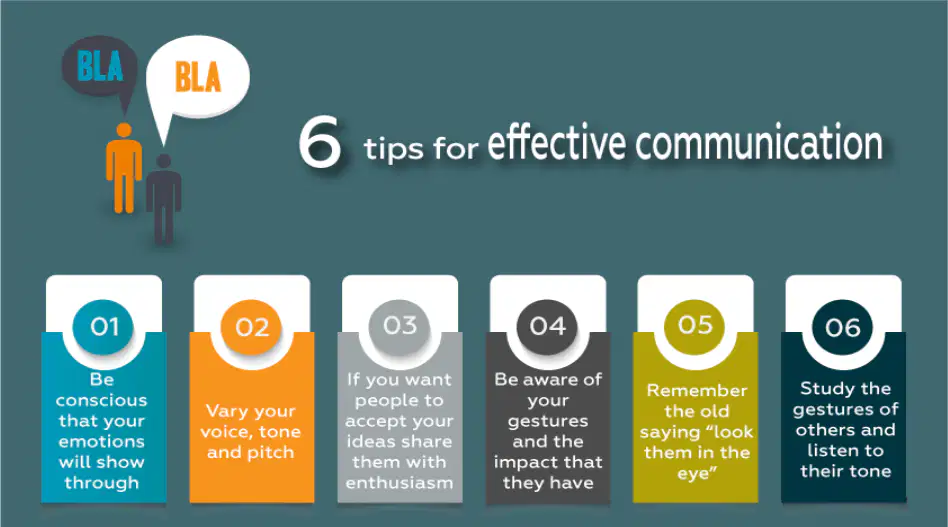
Which of the following is a tip for effective communication?
A) Be conscious that your emotions will show through
B) Ignore the gestures of others
C) Speak in a monotone voice
D) Avoid eye contact
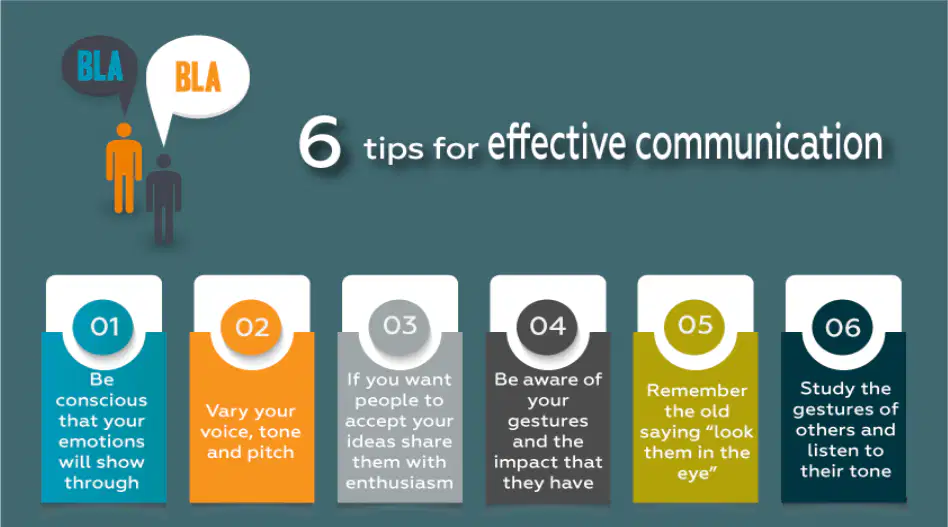
Which of the following is recommended for effective communication?
Vary your voice, tone and pitch
Speak as quietly as possible
Only use written communication
Never change your tone
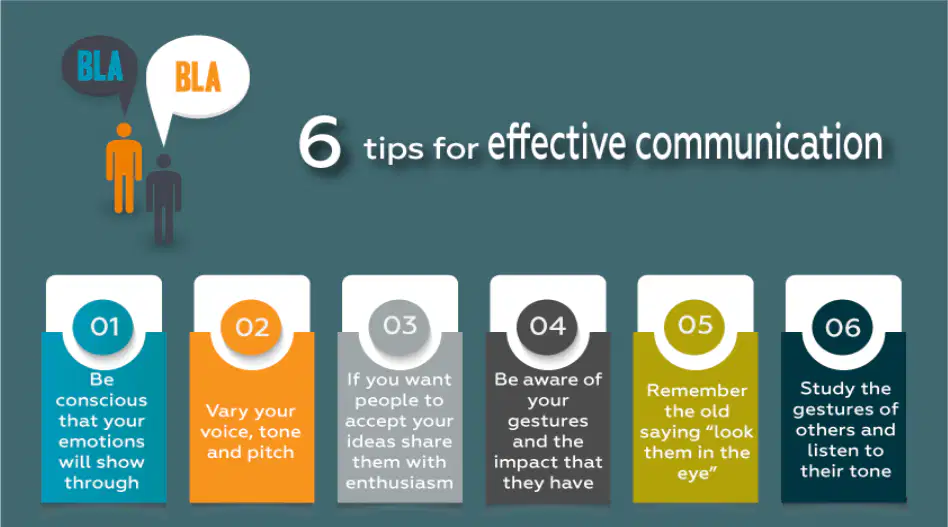
Fill in the blank: If you want people to accept your ideas, share them with _______.
enthusiasm
hesitation
anger
indifference
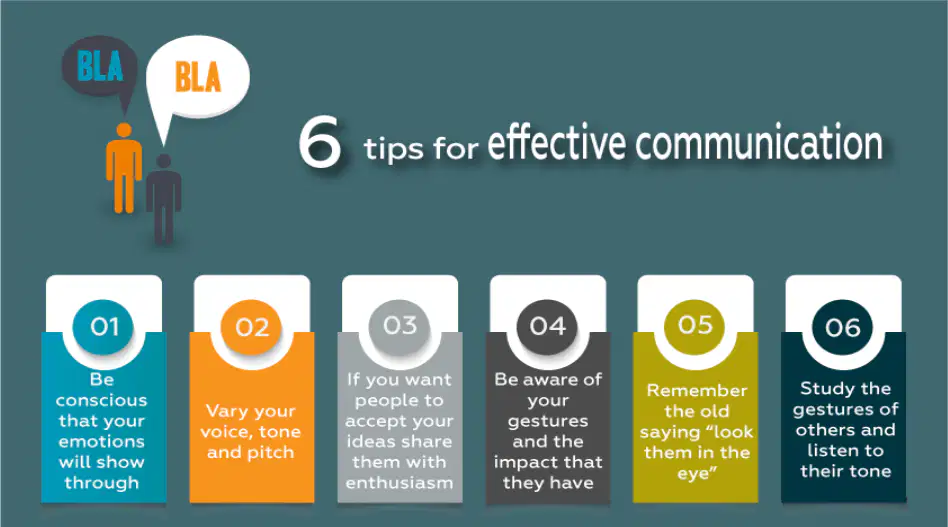
Which tip for effective communication involves being aware of your gestures and the impact that they have?
Be aware of your gestures and the impact that they have
Speak as quickly as possible to get your point across
Ignore the listener's reactions
Focus only on the words you use
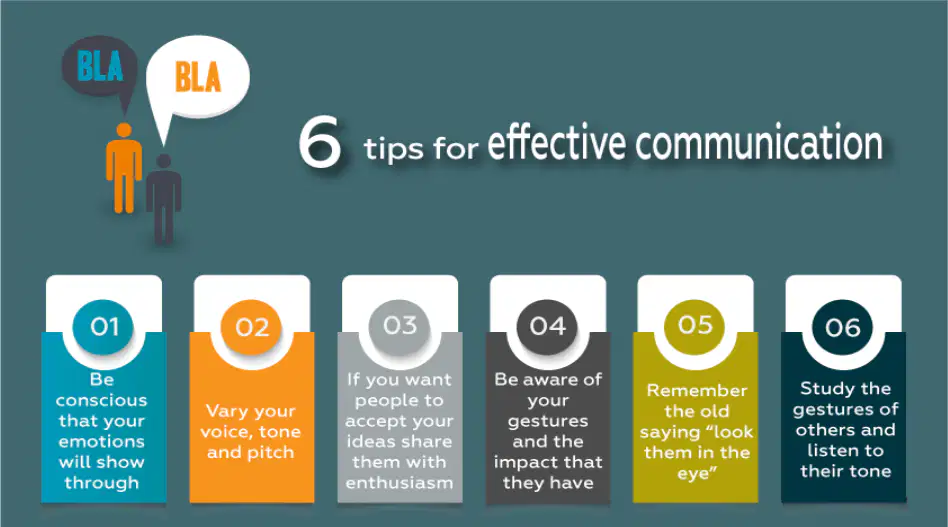
What does the old saying 'look them in the eye' refer to in the context of effective communication?
Making eye contact
Speaking loudly
Using hand gestures
Standing far away
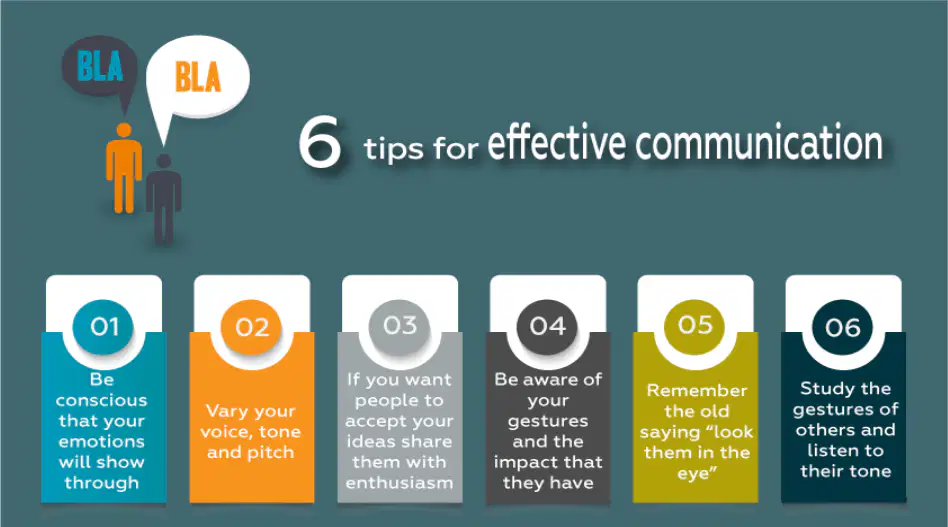
Which of the following is a tip for effective communication?
A) Study the gestures of others and listen to their tone
B) Only focus on your own words
C) Avoid listening to others
D) Ignore nonverbal cues

