
 Worksheets
Unit 01 Quiz: Foundations of Measuring
Total questions: 25
Worksheet time: 13mins
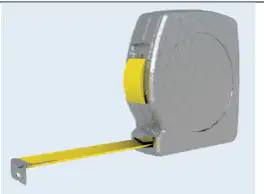
Name the measuring, marking or layout tool in the image.
Ruler
Framing Square
Tape Measure
Speed Square
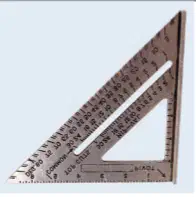
Name the measuring, marking or layout tool in the image.
Speed Square
Combination Square
Bevel Gauge
Framing Square
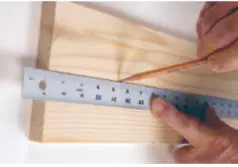
Name the measuring, marking or layout tool in the image.
Ruler
Tape Measure
Straight Edge
T-Square
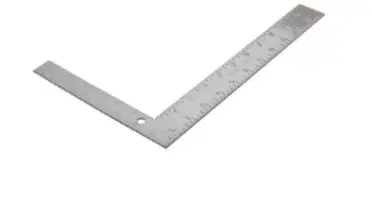
Name the measuring, marking or layout tool in the image.
Speed Square
Bevel Gauge
Ruler
Framing Square
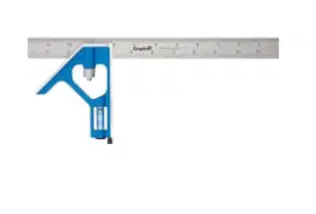
Name the measuring, marking or layout tool in the image.
Combination Square
Spirit Level
Speed Square
Framing Square
What can happen if a skilled tradesperson is not accurate in their work?
Projects may not fit together properly or may fail to meet safety standards.
Everything will always work out fine regardless of accuracy.
Accuracy only affects the color of materials used.
Accuracy is only needed when working with computers.
What does the saying 'Measure twice, cut once' mean in the context of skilled trades?
It means to cut materials twice for better accuracy.
It means to always work quickly to finish the job early.
It means to use two different tools for every task.
It means to double-check measurements before cutting to avoid mistakes.
Which of the following is NOT a reason to show respect for tools?
A) Tools should be shown proper respect
B) Keep tools clean
C) Use tools carelessly
D) Properly store all tools
Professionals know how to use tools safely.
True
False
Carpenters use a broad range of ________.
tools
fruits
books
paints
Early systems of measurement were based on what?
Geographic Features
Body Parts
Animal sizes
Random Objects
Which ancient civilizations contributed to early measurement systems?
Egyptians
Babylonians
Romans
All of the above
What was a major problem with early measurement systems?
Problems with inconsistent units across regions and cultures.
They were all based on the metric system.
They used only digital tools for measurement.
They were universally accepted from the start.
What was one of the main reasons for developing a uniform system of measurement?
To discourage international trade.
To make measurements more confusing.
To ensure consistency in measurements across different regions.
To promote the use of outdated units.
The U.S. Customary System is derived from which system?
Metric System
British Imperial System
Roman System
Egyptian System
Which units are used in the U.S. Customary System?
Inches, feet, yards, and miles
Meters, liters, grams
Cubits, handspans, feet
Pounds, ounces, stones
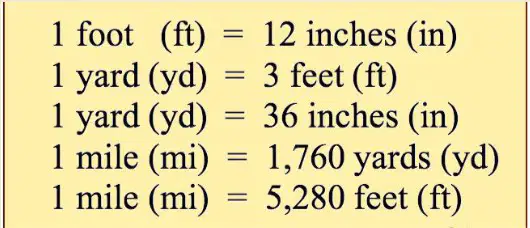
Fill in the blank: 1 foot (ft) = ___ inches (in)
12
10
15
8
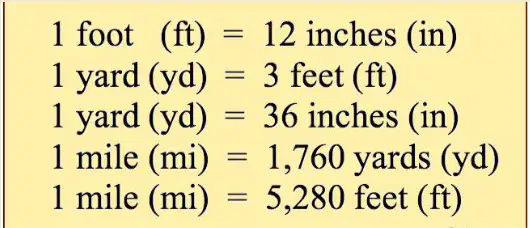
Fill in the blank: 1 yard (yd) = ___ feet (ft)
2
3
4
5
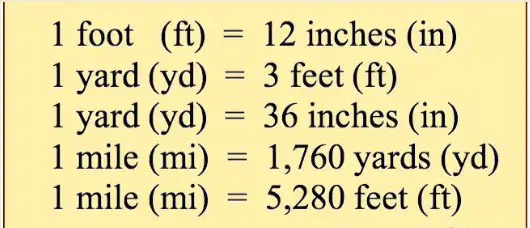
Fill in the blank: 1 yard (yd) = ___ inches (in)
24
30
36
48
Fill in the blank: When measuring, always keep the tape ______ and straight.
flat
loose
folded
curved
Fill in the blank: Double-check ______ measurements.
critical
casual
random
minor

What is the length of the gray bar?
7 in
7 1/4 in
7 3/8 in
7 2/8 in

What is the length of the gray bar?
76 in
77 3/4 in
76 1/2 in
77 in

What is the length of the gray bar?
4 1/2 in
4 5/8 in
4 1/4 in
4 3/8 in

What is the length of the gray bar?
82 1/2 in
82 1/4 in
82 1/8 in
82 7/8 in

