
 Worksheets
Final Test for Theory Term 1.1
Total questions: 30
Worksheet time: 30mins

What does “Design” mean in the context of school?
Creating and developing ideas into real products
Drawing pictures only
Copying existing objects
Decorating finished projects
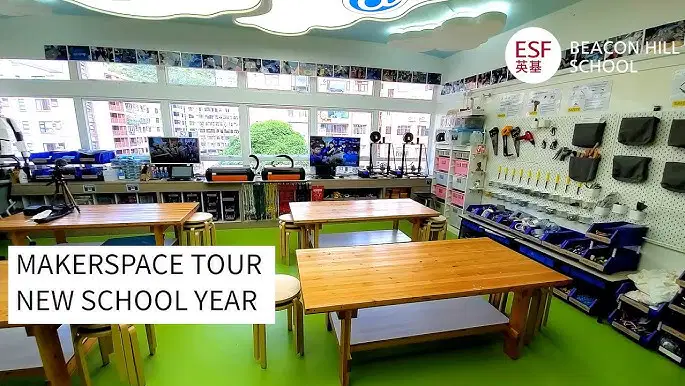
Which activity belongs in the Green Zone of the makerspace?

CNC milling

3D printing

Cutting wood with a bandsaw

Glue work and paper modeling
Why is safety important in the Yellow and Red zones?
The tools are expensive
The tools are faster and more powerful, so accidents can cause serious injuries
Teachers don’t like mistakes
Because students are not strong enough

Which of these is a design requirement for the spinning top (волчок)?
Must be over 300 cm tall
Must include at least 5 parts
Must use only one type of material
Must be painted in red
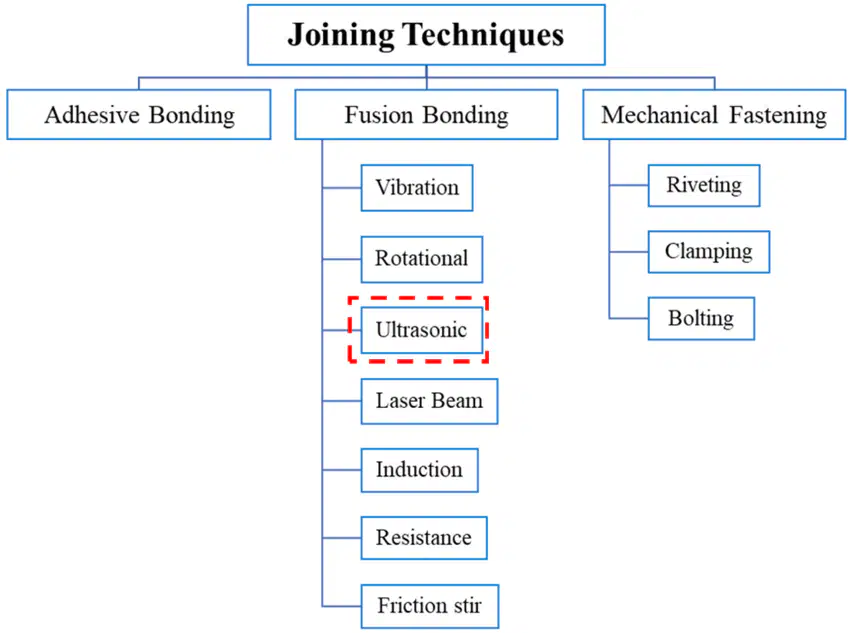
Why should students use different materials and joining methods in a project?
To make the project heavier
To meet design specifications and test different engineering solutions
To confuse the teacher
To waste materials

What does the proverb “Упорство и труд всё перетрут” mean in English?
Laziness is the key to success
Perseverance and hard work will overcome everything
Technology solves all problems
Play is more important than work
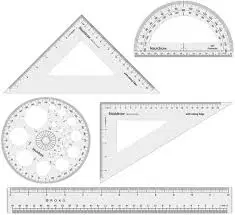
When marking and cutting materials, why is it important to use a ruler and set square?
To make drawings look nice
To ensure accurate, straight lines and correct angles
To save time
To decorate the workpiece
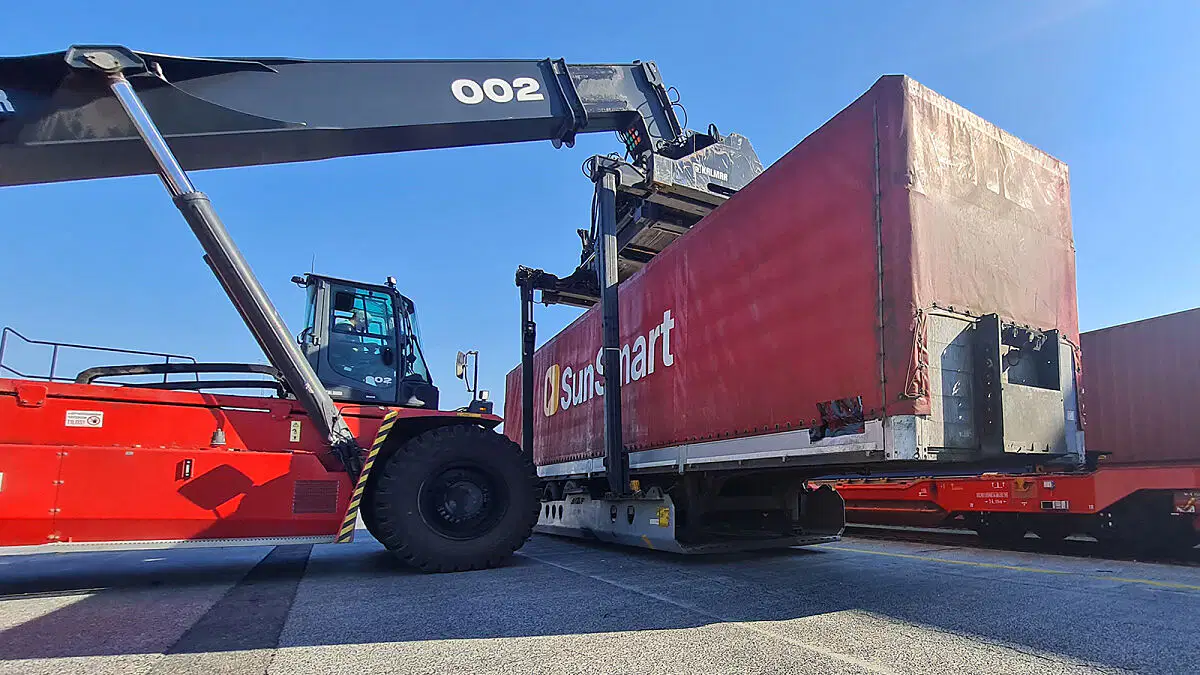
In the “Cargo Transfer Challenge,” what is the design problem students must solve?
Build a tower as tall as possible
Move a shipping container 100 cm without using body parts
Create a spinning top that spins for the longest time
Build a chair from cardboard
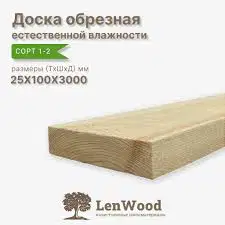
A board is labeled 25 × 100 × 3000 mm. What does “3000 mm” describe?
Width
Thickness
Length
Weight
Which digital tool is introduced in this lesson for 3D design and modeling?

Photoshop

Blender

Tinkercad

AutoCAD
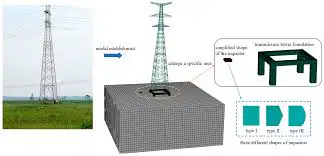
What skill is tested when building a stable digital tower in simulation mode?
Coloring techniques
Knowledge of balance, structure, and stability
Copying other designs
Guessing dimensions
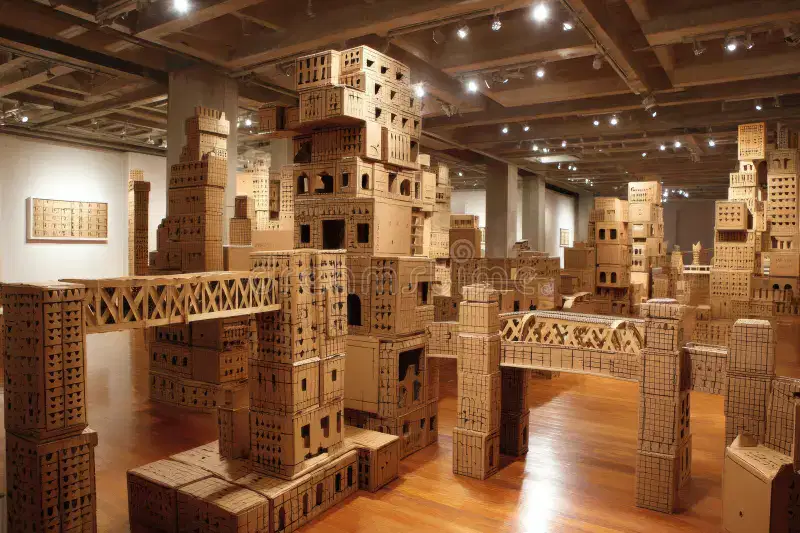
Why is it useful to practice building with cardboard before moving to wood or metal?
Cardboard is lighter, safer, and easier to cut, making it ideal for prototypes
Cardboard is more expensive
Cardboard cannot break
Cardboard looks better than wood
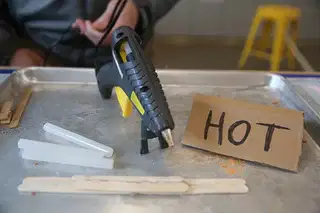
Which material or tool is considered one of the most dangerous in the makerspace? (Correct used)
Scissors
Glue gun
Ruler
Masking tape

Why is teamwork important in the tower challenge?
So students can finish faster
Because all roles are active, and collaboration improves design
To make it easier for the teacher
Because one person cannot use scissors
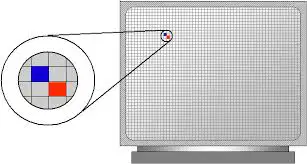
What is a pixel?
A type of digital file
The smallest building block of a digital image
A Minecraft character
A design software

Why are Minecraft graphics described as “blocky”
Because the game is old
Because it is built from cube-like pixels
Because the images are blurry
Because the designers wanted 3D only
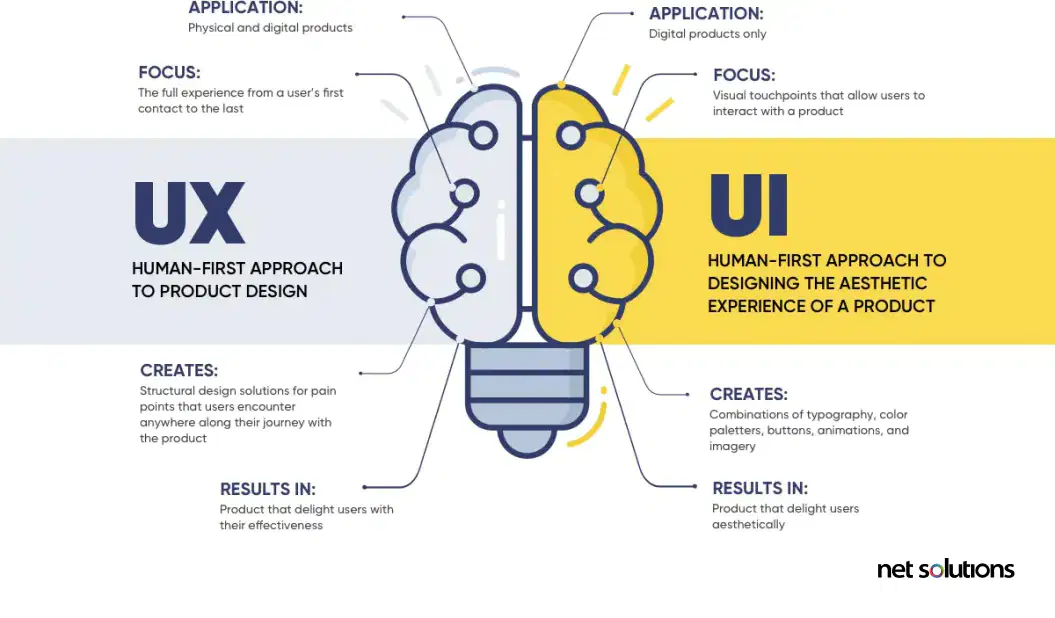
What does UI/UX design focus on in digital design?
User Interface and User Experience
Unlimited Icons and Extra colors
Universal Ideas and Unique X-raysations and device compatibility.
Using Images and Uniting XML

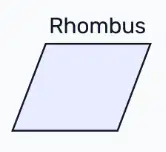
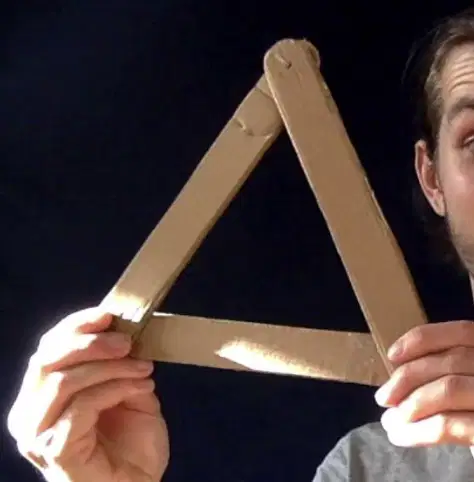
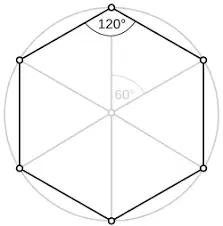
What forme strongest?
How does Mr. Fedor rate the students
The results of the lessons
+
The result of the Theoretical test
+
the result of the Practical test
The results of the lessons
-
The result of the Theoretical test
-
the result of the Practical test
The results of the lessons
*
The result of the Theoretical test
/
the result of the Practical test
The results of the lessons
+
(The result of the Theoretical test
+
the result of the Practical test) * 100/356

Good design often solves a problem. Which of these is an example of problem-solving through design?
A pen that can write in zero gravity
A cup that is very colorful
A phone case that is too slippery
A pair of shoes that fall apart quickly
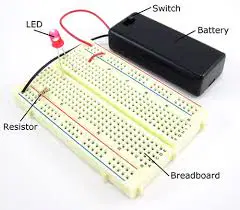
What does a breadboard allow you to do?
Connect components without soldering
Store electrical energy
Increase the voltage
Test software
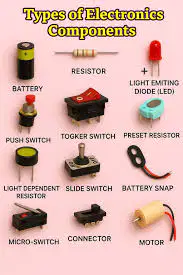
Which component is polarized (must be connected the correct way round)?
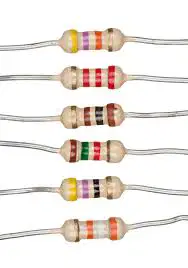
Resistor
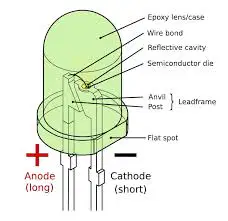
LED
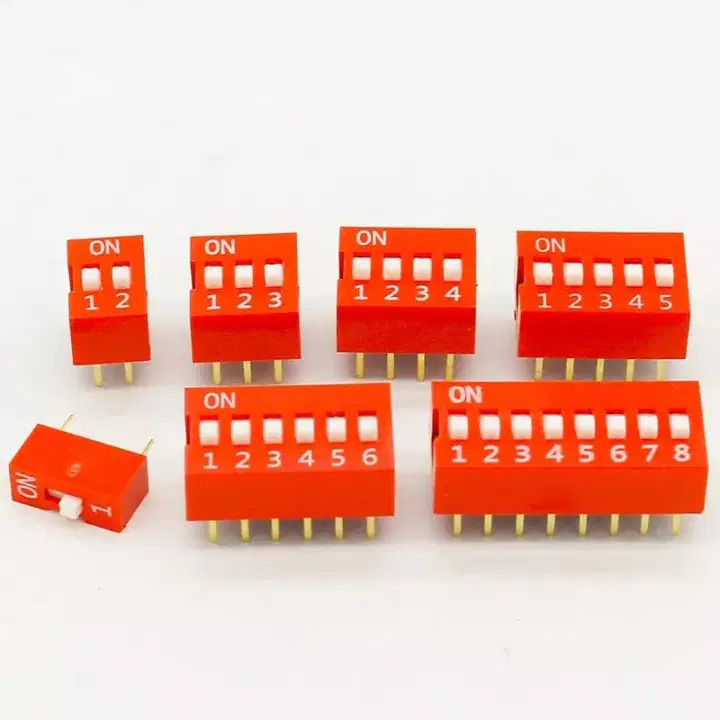
Switch
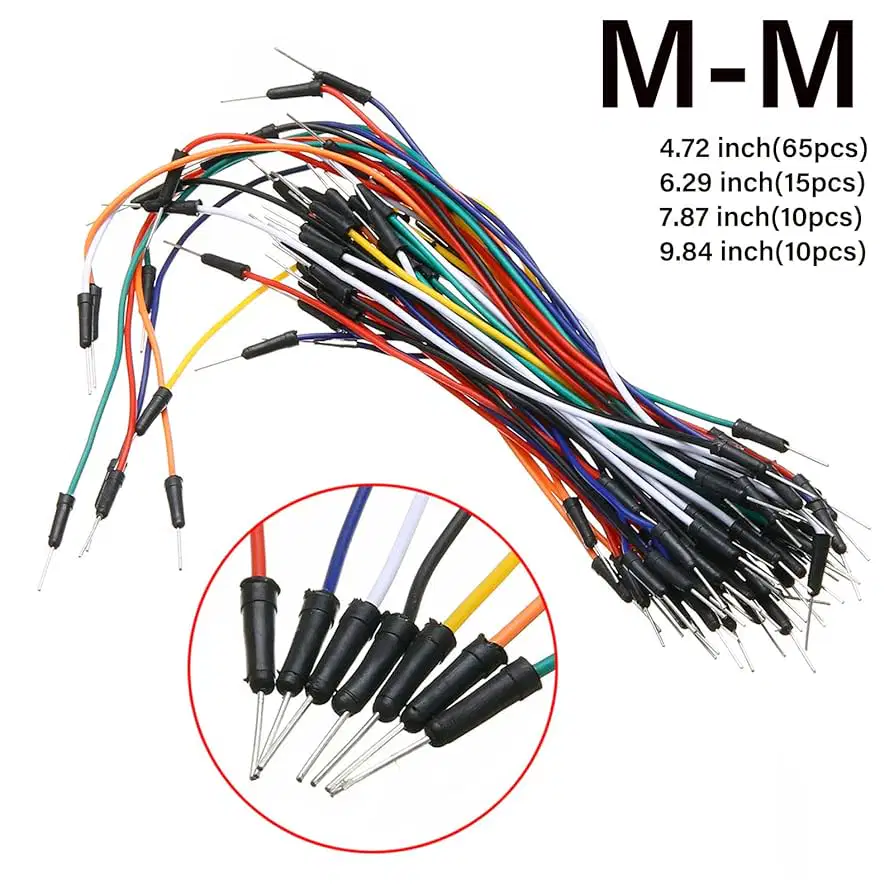
Wire
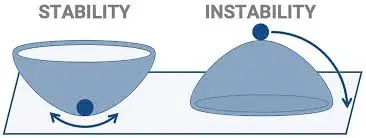
What does stability mean in design?
The product stands firm and functions properly without tipping
The product is lightweight
The product looks symmetrical
The product uses expensive materials
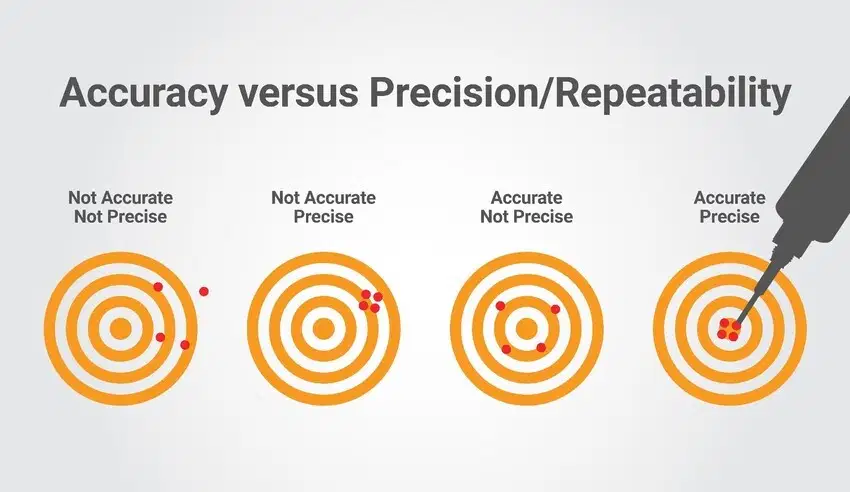
Why is accuracy important in design and making?
It helps keep costs high
It ensures parts fit together neatly and the product works as intended
It allows products to be decorated easily
It reduces the need for creativity
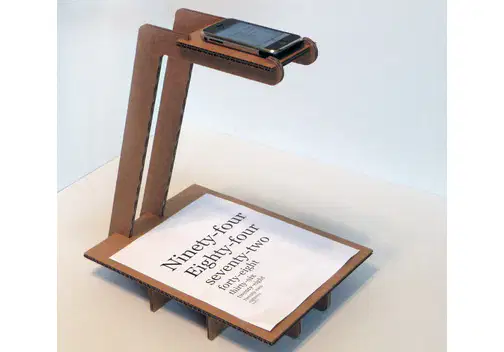
Which of the following could improve the aesthetics of a cardboard product?
Neat cuts and smooth edges
Leaving it rough and unfinished
Making it unstable
Using no decorations at all
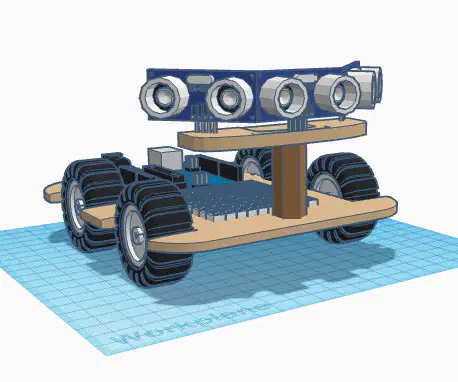
What is the main purpose of creating a digital prototype in Tinkercad?
To decorate with colors only
To test and refine a design before building in real life
To avoid teamwork
To make products look 3D only
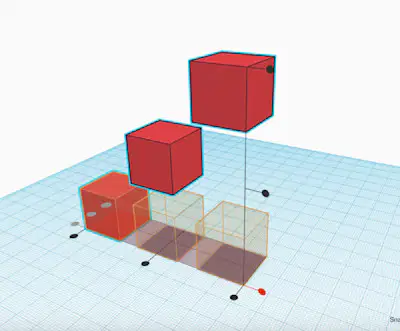
What does the Tinkercad align tool do?
Colors the model
Snaps shapes together in straight lines
Rotates objects randomly
Exports the model to 3D print
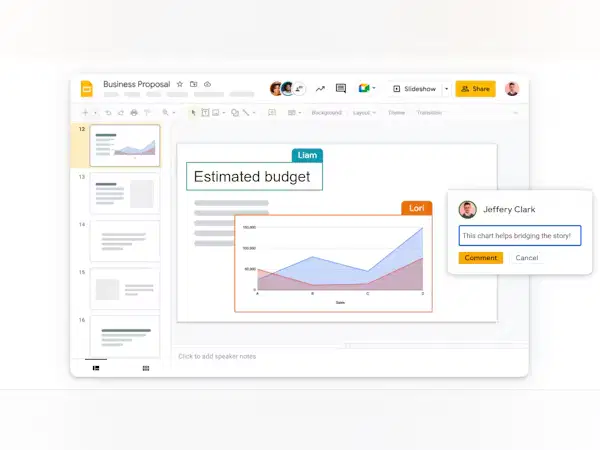
Which digital tool is used in this lesson for creating presentations?
Microsoft Excel
Tinkercad
Google Slides
Photoshop

Why do professional designers and engineers prepare presentations of their work?
To show what they designed, how they solved problems, and what they learned
To replace physical products
To make their work look more colorful
To avoid building real prototypes
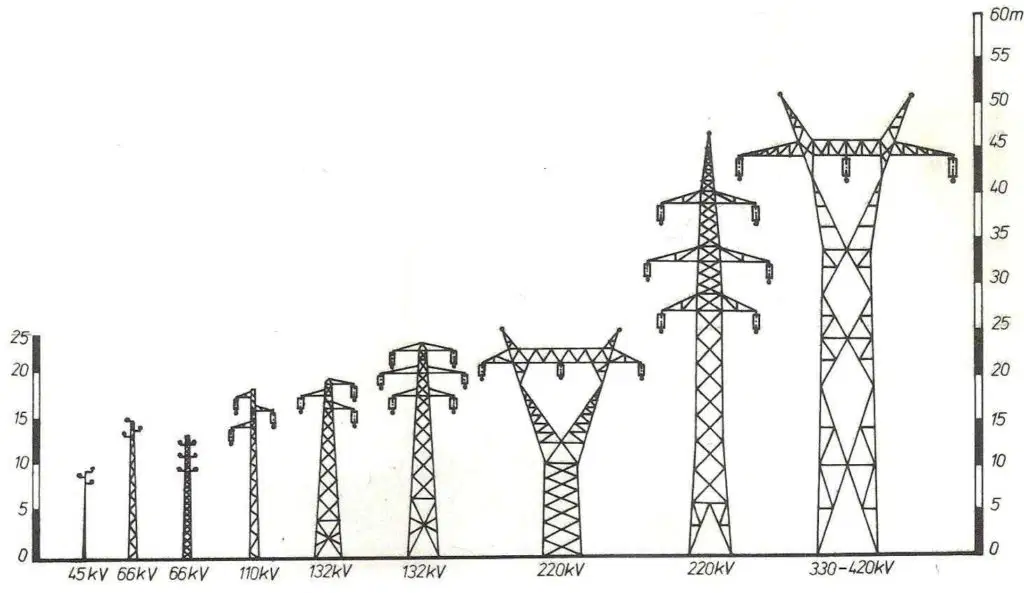
What kind of fuel did Mr. Fedor use for his rocket that flew over a power pole?
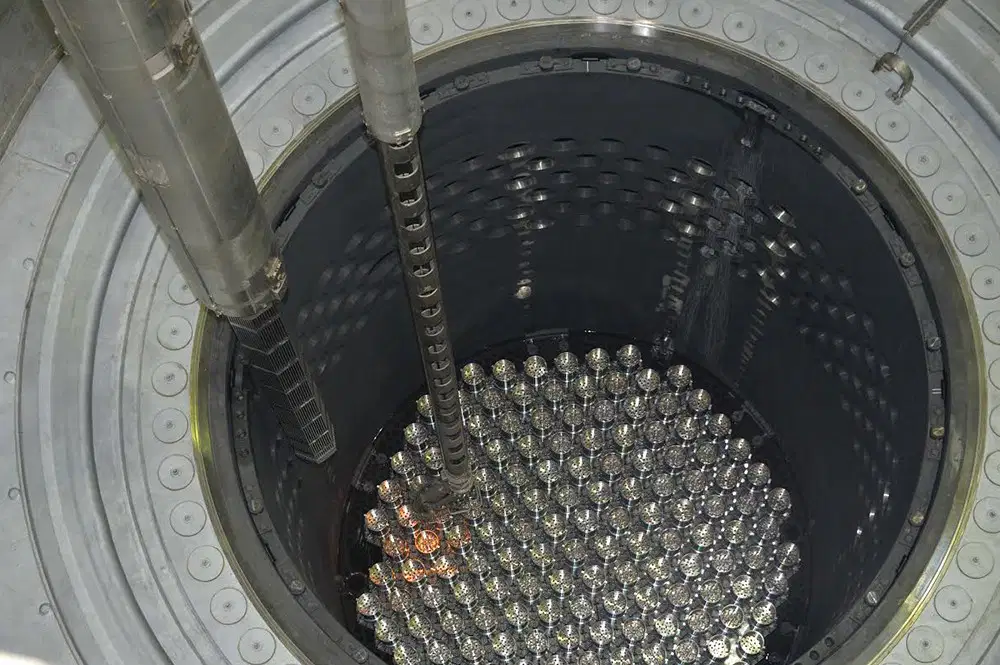
Uran

GTT
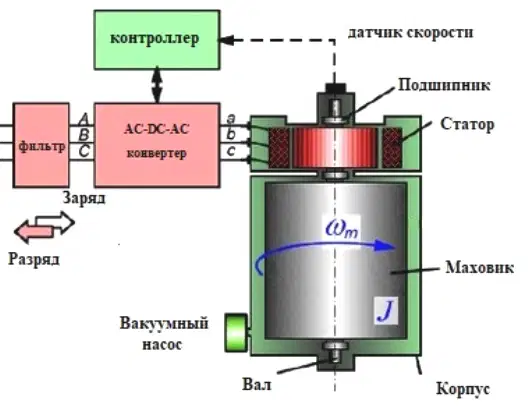
Energy storage devices on the flywheel

Water from a puddle

