
 Worksheets
Tissue Chapter Review
Total questions: 48
Worksheet time: 33mins
Which of the following is NOT a main tissue type?
muscle
epithelial
cuboidal
connective
Where would you NOT find epithelial tissue?
skin
glands
heart
lining of hollow organs
Which tissue is responsible for transmitting signals?
muscle tissue
epithelial
Nervous
Connective
How are epithelial tissue classified?
by shape
by size
by number of layers
by shape and number of layers.
Which tissue is found in the spinal cord?
nervous tissue
skeletal muscle
smooth muscle
cardiac muscle
Connective tissue is grouped into dense, loose and _______.
bone
cartilage
blood
tendons
Nerve cells can not be repaired:
true
false
Basement membranes are found in:
connective tissues
Epithelial tissues
nervous tissues
Muscle Tissue
Nerve tissue is made up of:
neurons and neuroglial cells
connective and muscle tissue
neurons and epithelial cells
muscle tissue and neuroglial
Raising your arm is an example of:
smooth muscle use
skeletal muscle use
cardiac muscle use
nervous tissue use.
Which of the following is connective tissue?
Bone
cartilage
blood
all of these

what type of tissue is this picture?
cuboidal epithelial
columnar epithelial
squamous epithelial
stratified cuboidal
Which of the following to skeletal muscles have that Smooth muscle does NOT have?
nucleus
cytoplasm
Striations
lysosomes
which tissue is attached to bone?
skeletal muscle
smooth muscle
cardiac muscle
nervous tissue
What do the connective tissues do? (their main job)
protect
connect tissues together
provide movement
provide impulses.
Define tissue with regards to anatomy
Multiple sheets of thin paper used to clean your nose
The smallest structural and functional unit of an organism
A series of different cells in the same area
A group of structurally and functionally related cells that come together to perform common functions
What is the difference between exocrine and endocrine functions?
Exocrine cells secrete fluids to the outside of the body; endocrine cells secrete fluids into the inside of the body
They are synonymous
Exocrine cells secrete fluids into ducts; endocrine cells secrete fluids into the blood stream
Exocrine cells secrete clear fluids; endocrine cells secrete opaque fluids
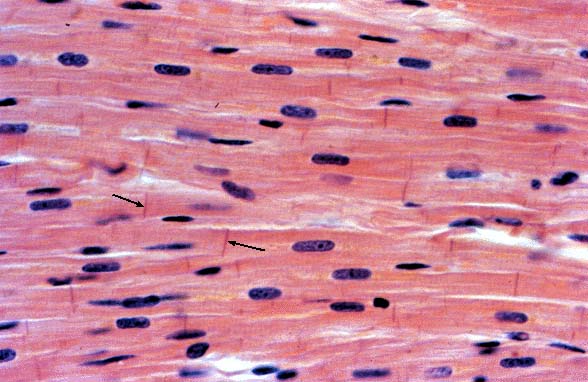
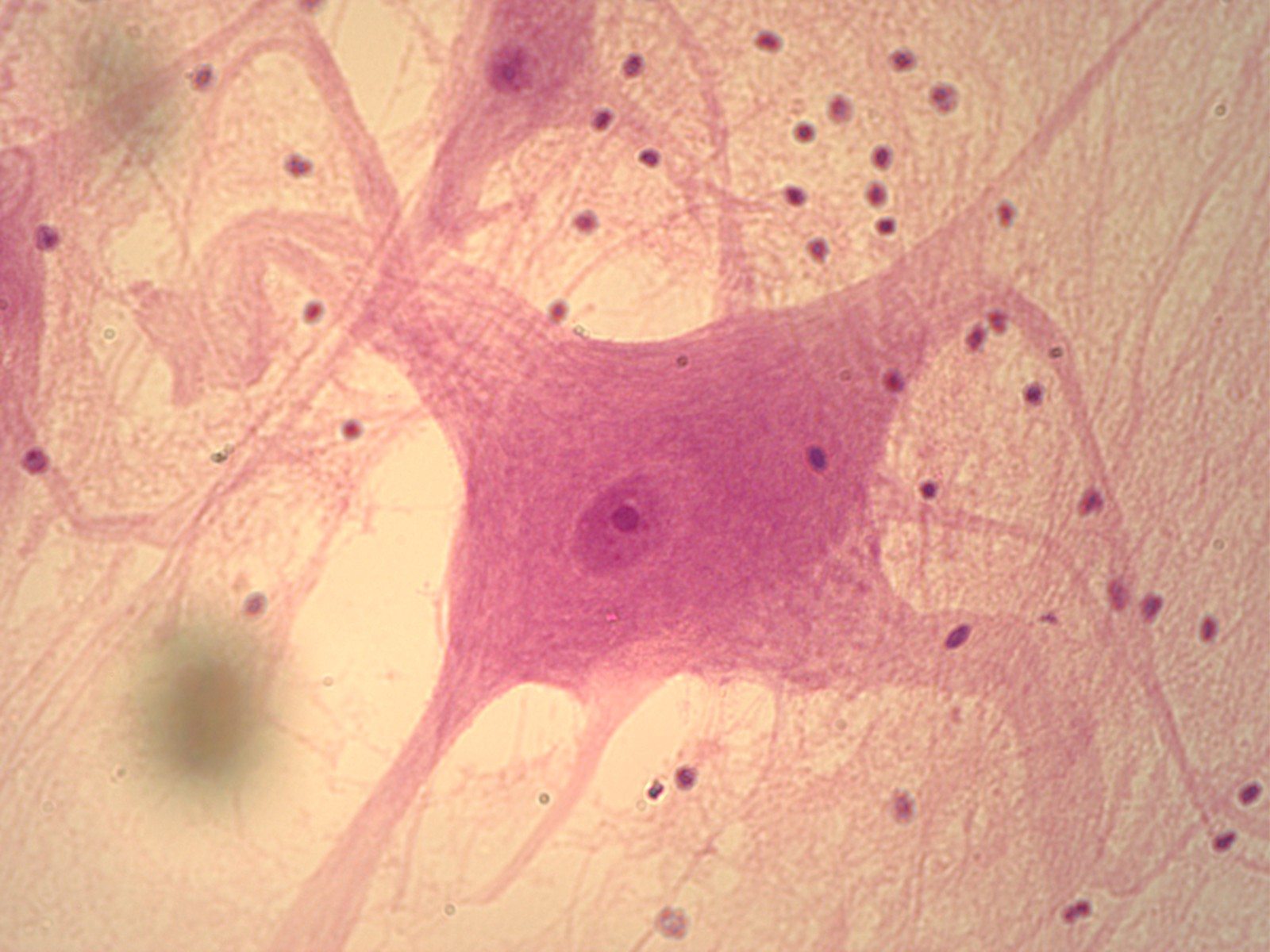
What type of Connective tissue is found at the ends of bones to reduce friction?
Dense connective tissue
Cartilage
Adipose Tissue
Loose connective tissue
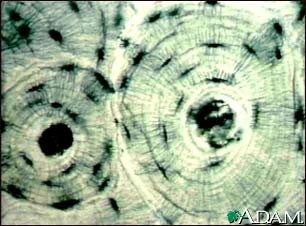
Collagen is a protein that is particularly abundant in
covering and lining epithelium
dense regular connective tissue
smooth muscle
adipose tissue
Fibers that form a thick protein matting in a dense irregular connective tissue include
collagen fibers
recticular fibers
elastic fibers
cartilage fibers
Most of your respiratory tract is lined with ___ tissue.
hyaline cartilage
ciliated pseudostratied columnar epithelium
stratified squamous epithelium
transitional epithelium
Which of the following is NOT connective tissue?

Simple squamous
Adipose
Dense regular
Nerve

Hyaline cartilage
Adipose
Blood
Simple columnar

Bone
Pseudostratified
Fibrocartilage
Cardiac muscle

Skeletal muscle
Cardiac muscle
Dense regular
Dense irregular

Hyaline cartilage
Simple squamous
Dense regular
Dense irregular

Dense regular
Dense irregular
Fibrocartilage
Stratified squamous

Hyaline cartilage
Skeletal muscle tissue
Fibrocartilage
Smooth muscle tissue

Hyaline cartilage
Smooth muscle tissue
Fibrocartilage
Simple squamous

Simple squamous
Stratified squamous
Nerve tissue
Blood

Simple squamous
Simple columnar
Stratified squamous
Pseudostratified columnar

Simple columnar
Stratified squamous
Stratified columnar
Pseudostratified columnar

Simple squamous
Stratified squamous
Simple columnar
Pseudostratified columnar

Skeletal muscle
Cardiac muscle
Dense regular
Fibrocartilage

Hyaline cartilage
Fibrocartilage
Dense regular
Smooth muscle

Simple squamous
Stratified squamous
Simple columnar
Pseudostratified columnar
Cartilage stands up against (a) and tension very well. It is (b) and has no (c) .

