
 Worksheets
MAPEH 10 Review for Second Long Test
Total questions: 60
Worksheet time: 31mins
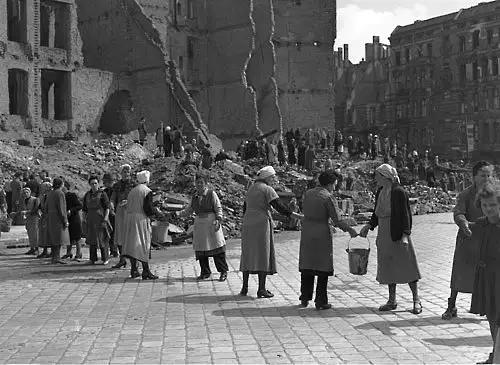
What characterized Expressionism in post-WWI Germany?
Calm landscapes and realistic portraits
Folk dances and nationalistic songs
Strict tonal harmony and simple rhythms
Deep emotions, distortion, exaggeration, and fantasy
Which musical feature is common in Expressionist music?
Clear tonal center
Strict classical forms only
Atonality and dissonance
Simple, repeating melodies

Hitler considered Expressionist art and music to be:
The pinnacle of German culture
Folk-inspired
Traditional and realistic
Degenerate art, chaotic and un-German
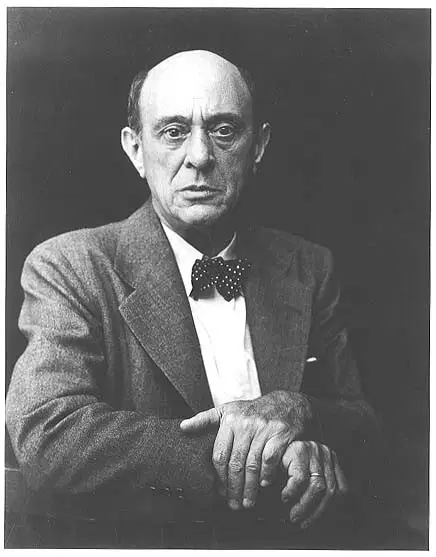
Arnold Schoenberg’s twelve-tone system ensures:
Equal use of all 12 notes, avoiding a tonal center
A focus on a home key
Only major scales are used
Folk melodies are emphasized
Schoenberg achieved intensity in his music through:
Folk instruments and simple rhythms
Strict classical sonata forms only
Minimalism and repetitive patterns
Rich harmonies, soaring melodies, and varying motives in contrapuntal texture

Richard Wagner’s opera Tristan und Isolde influenced Schoenberg because it:
Focused on strict classical forms
Avoided dramatic storytelling
Was based on Hungarian folk dances
Used long, flowing melodies and chromatic harmony to express intense emotion
Johannes Brahms’ Hungarian Dances influenced Schoenberg by demonstrating:
Story-driven chromaticism
Use of atonal melodies exclusively
Twelve-tone serialism
Motivic development and structured, absolute music
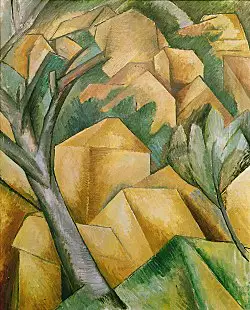
Who first described Georges Braque’s Houses at L’Estaque as “composed of cubes”?
Ambroise Vollard
Tristan Tzara
Pablo Picasso
Louis Vauxcelles
Cubism rejects which traditional technique that makes objects look 3D?
Chiaroscuro
Overlapping planes
Geometric abstraction
Collage

Who created Virgin of the Rocks?
Leonardo da Vinci
Georges Braque
Francisco de Goya
Pablo Picasso
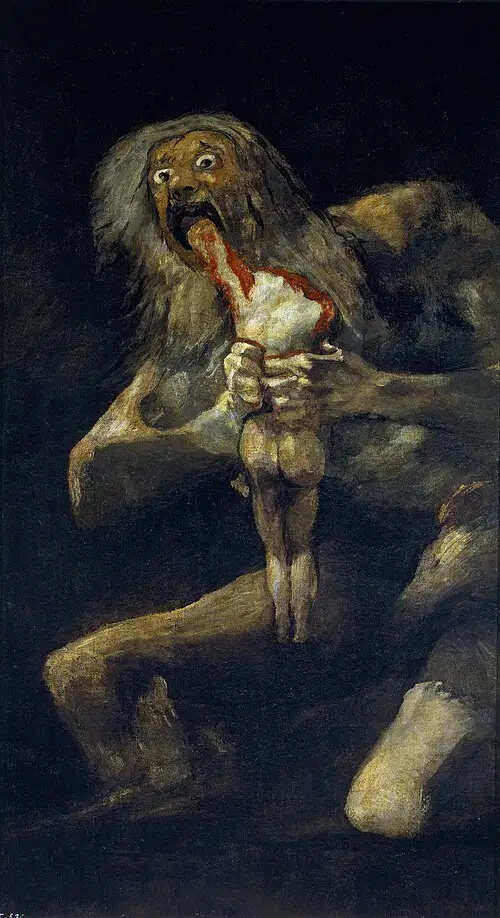
Francisco de Goya painted this. What is this called?
Jupiter’s Wrath
The Cannibal King
Cronus’ Feast
Saturn Devouring His Son
Who primarily led Cubism?
Francisco de Goya and Leonardo da Vinci
Daniel-Henry Kahnweiler and Ambroise Vollard
Tristan Tzara and Marcel Duchamp
Georges Braque and Pablo Picasso
Key features of Cubism include all EXCEPT:
Geometric shapes
Strict realism
Overlapping planes
Flattened perspective
Analytical Cubism is characterized by:
Shattering objects into small geometric fragments, muted tones
Portraits only in profile
Abstract nonsense and absurdity
Bright colors and collage
Synthetic Cubism differs from Analytical Cubism because it:
Focuses on realistic perspective
Uses muted brown/gray tone
Builds up shapes and incorporates collage elements
Shuns bright colors entirely
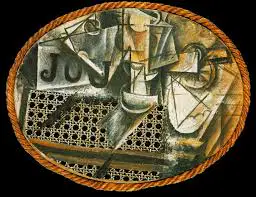
Still Life with Chair Caning (1912) is an example of:
Analytical Cubism
Synthetic Cubism
Cubism tries to show objects from:
A photographic perspective only
Only one realistic viewpoint
A single aerial perspective
Many viewpoints at once
Dada began in:
A) Paris, 1907
New York, 1920
Berlin, 1908
Zürich, 1916
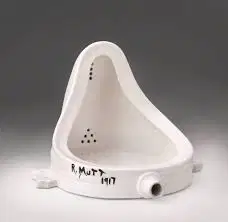
The main purpose of Dada was to:
Develop new painting techniques
Celebrate traditional European culture
Protest war, nationalism, and societal values
Promote realism in art
The name “Dada” is believed to mean:
Expression of emotion
Rocking horse or “nothing”
Absolute realism
Cubes and fragments
Dada art is often:
ocused on historical events only
Logical and realistic
Strictly classical
Nonsense, absurd, or shocking
The difference between Cubism and Dada is that:
Cubism is absurd; Dada focuses on geometric shapes
Both originated during World War I
Both focus on realistic perspective
Cubism breaks objects into geometric forms; Dada rejects logic and embraces chaos
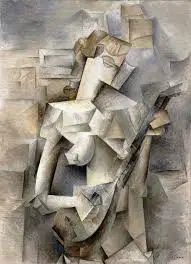
Girl with a Mandolin – Pablo Picasso (1910)
Synthetic Cubism
Analytic Cubism
Dada
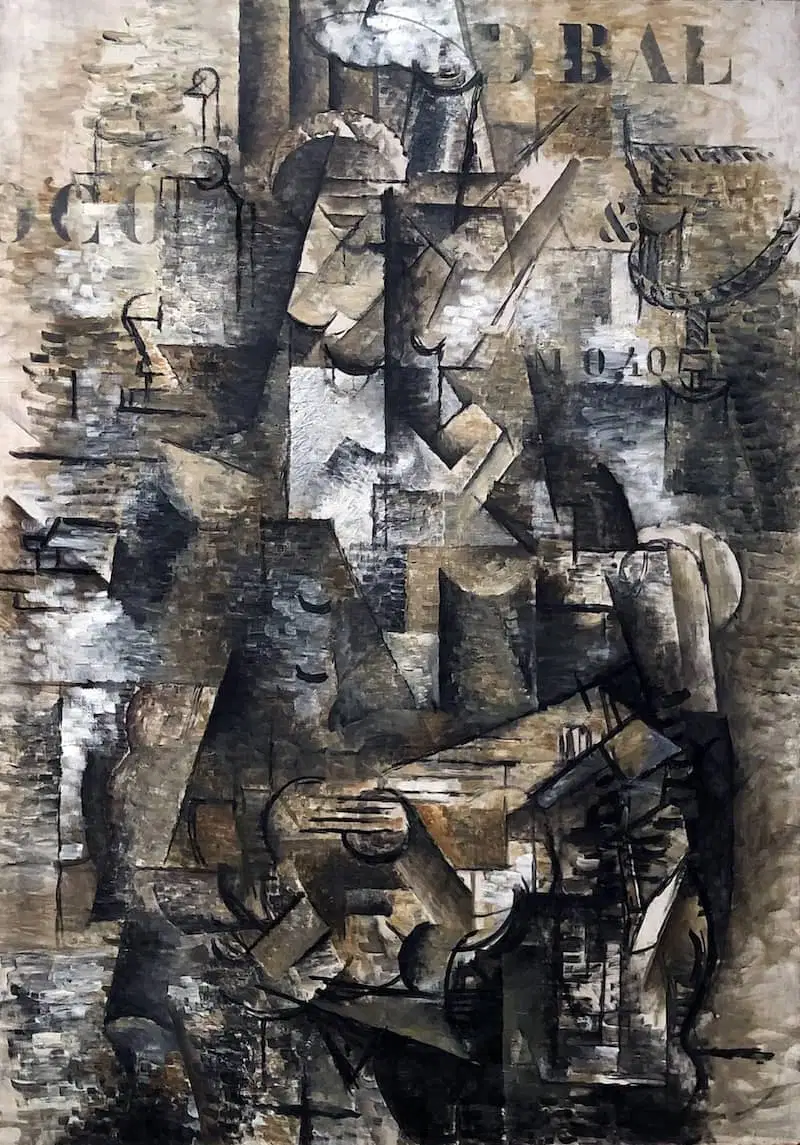
The Portuguese – Georges Braque (1911)
Synthetic Cubism
Analytic Cubism
Dada
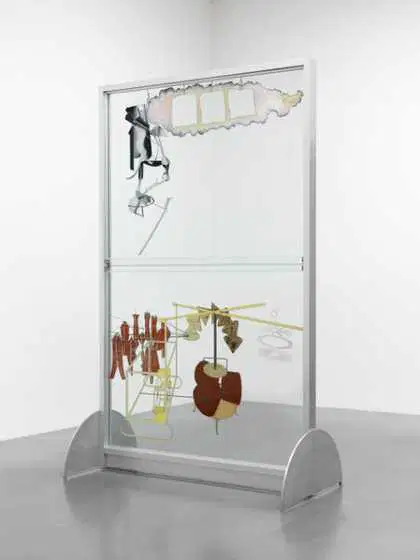
The Bride Stripped Bare by Her Bachelors, Even (The Large Glass) – Marcel Duchamp (1915–1923)
Synthetic Cubism
Analytic Cubism
Dada
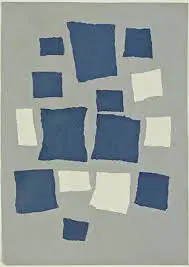
Objects Arranged According to the Laws of Chance – Jean Arp (1916)
Synthetic Cubism
Analytic Cubism
Dada
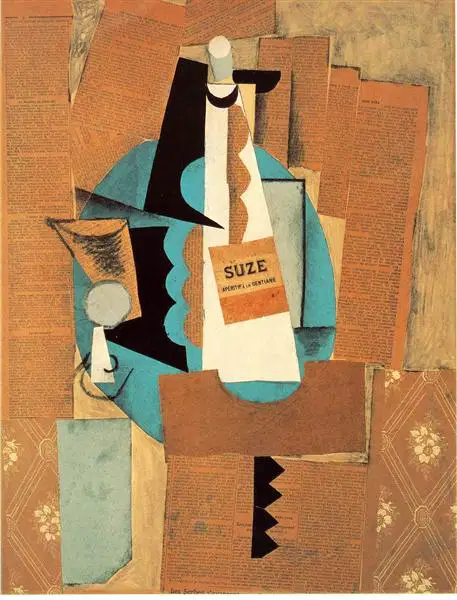
Glass and Bottle of Suze – Pablo Picasso (1912)
Synthetic Cubism
Analytic Cubism
Dada
A “running kit” mainly refers to:
A nutrition plan for runners
All equipment and safety measures for running effectively and safely
A first-aid kit for hikers
Only shoes used for running
What is the main goal of a running kit?
Win marathons
Make running fashionable
Improve performance and prevent injuries
Reduce shoe prices

A training log should NOT include:
How you felt (1–5 scale)
Your friend’s times
Shoes used and heart rate
Distance, time, and location
One extra factor to note in a training log could be:
Favorite color
Special factors like weather or terrain
TV shows watched
Favorite food
Good running watches should have:
Stopwatch with lap function
Large display with light
Water resistance
Neutral running shoes are best for runners who:
Supinate strongly
Need no biomechanical
Severely over-pronate
Run only on sand
Shoes designed to limit inward rolling of the foot are called:
Cross-country spikes
Racing flats
Supinator shoes
Stability shoes
Motion control shoes are for:
Trail running
Sprinters only
High-arch outward rolling
Aggressive over-pronation prevention
Supinator shoes are intended for runners who:
Roll their feet inward
Roll their feet outward
Sprint on tracks
Need extra cushioning only
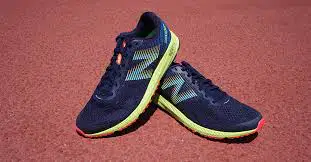
Racing flats are described as:
Lightweight with minimal cushioning
Heavy shoes with lots of cushioning
Shoes with long spikes for soft ground
Indoor training shoes
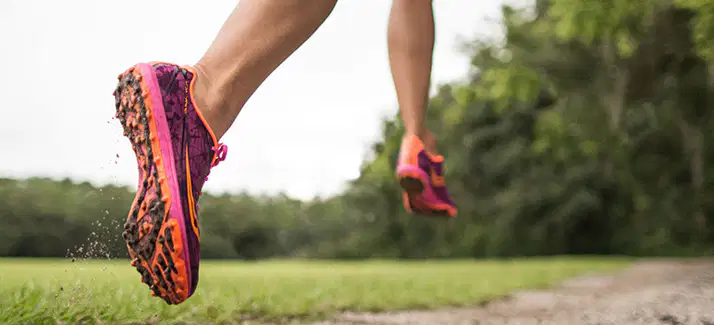
Track spikes differ from cross-country spikes mainly in:
Spike length
Shoe color
Laces vs. slip-ons
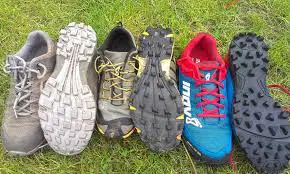
Fell shoes are designed for:
Swimming
Running off-road with extra grip
Indoor tracks
Fashion shows
Shoe care tips include:
Replace shoes when midsoles are compressed
Try shoes in the afternoon for better fit
Avoid hot water or machine washing
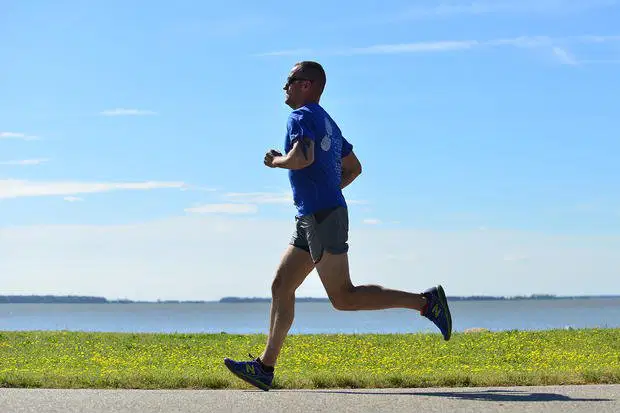
In clothing, runners should avoid:
Sports bras
Cotton
Tight shorts for friction reduction
Which of the following does NOT belong as a key personal safety tip for runners?
Run in daylight or with a buddy
Wear heavy cotton clothing
Avoid remote/unlit areas
Carry a phone
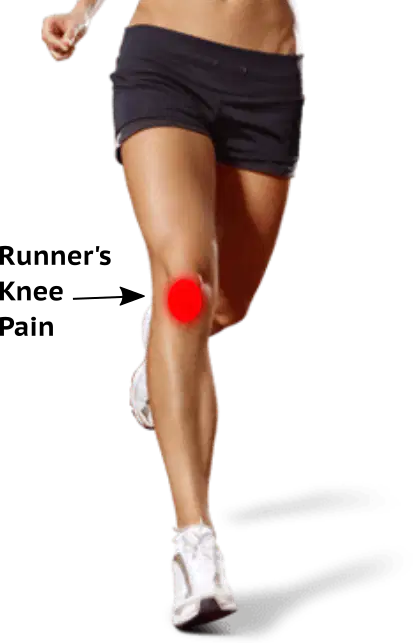
Runner’s Knee pain typically appears:
At the back of the ankle after rest
Below the kneecap, worsens with running, stairs, or sitting long
On the shin bone’s inner edge
At the heel after waking
Sharp pain on the outside of the knee from the iliotibial band is called:
Shin splints
Plantar fasciitis
Achilles tendonitis
ITB Friction Syndrome
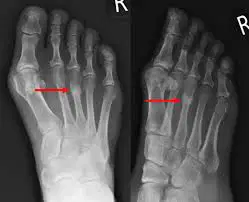
Tiny hairline cracks in the bone from overuse are known as:
Plantar fasciitis
Muscle tears
Runner’s knee
Stress fractures
The correct order for treating minor injuries (RICE) is:
Remove, Ice, Clean, Elevate
Rest, Ice, Compression, Elevation
Relax, Inhale, Compress, Exhale
Rest, Immobilize, Cool, Elevate
Before taking medication related to running injuries or pain, what should a runner do first?
Double the dose to recover faster
Mix several over-the-counter drugs for stronger effect
Take any painkiller before every run as prevention
Always consult a doctor or pharmacist about its safety
When using ibuprofen for running-related pain or injuries, what is the safest action for a runner to take?
Take extra tablets before every run to “prevent” pain
Mix ibuprofen with other painkillers without consulting a doctor
Ignore the label if pain is severe
Follow the dosage and timing on the medication label or doctor’s advice
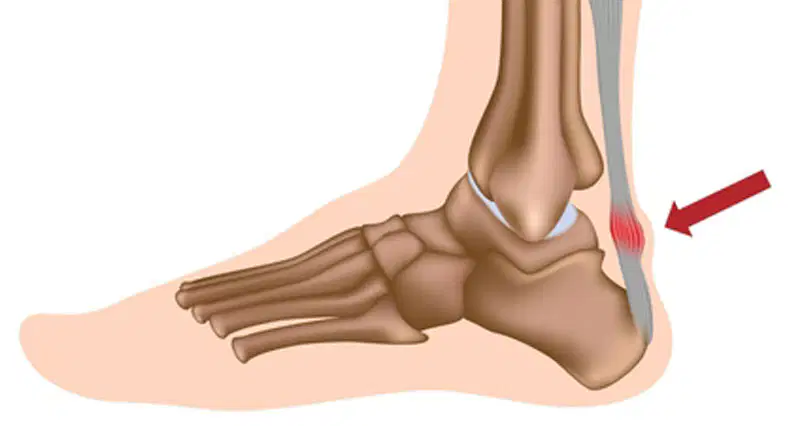
Inflammation at the back of the ankle causing stiffness, especially after rest, is:
Muscle Tear
Plantar Fasciitis
Shin Splints
Achilles Tendonitis
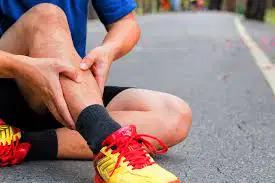
Pain along the inner shin due to irritated muscles or tendons, common in new runners, is known as:
Shin Splints
ITB Syndrome
Stress Fracture
Plantar Fasciitis
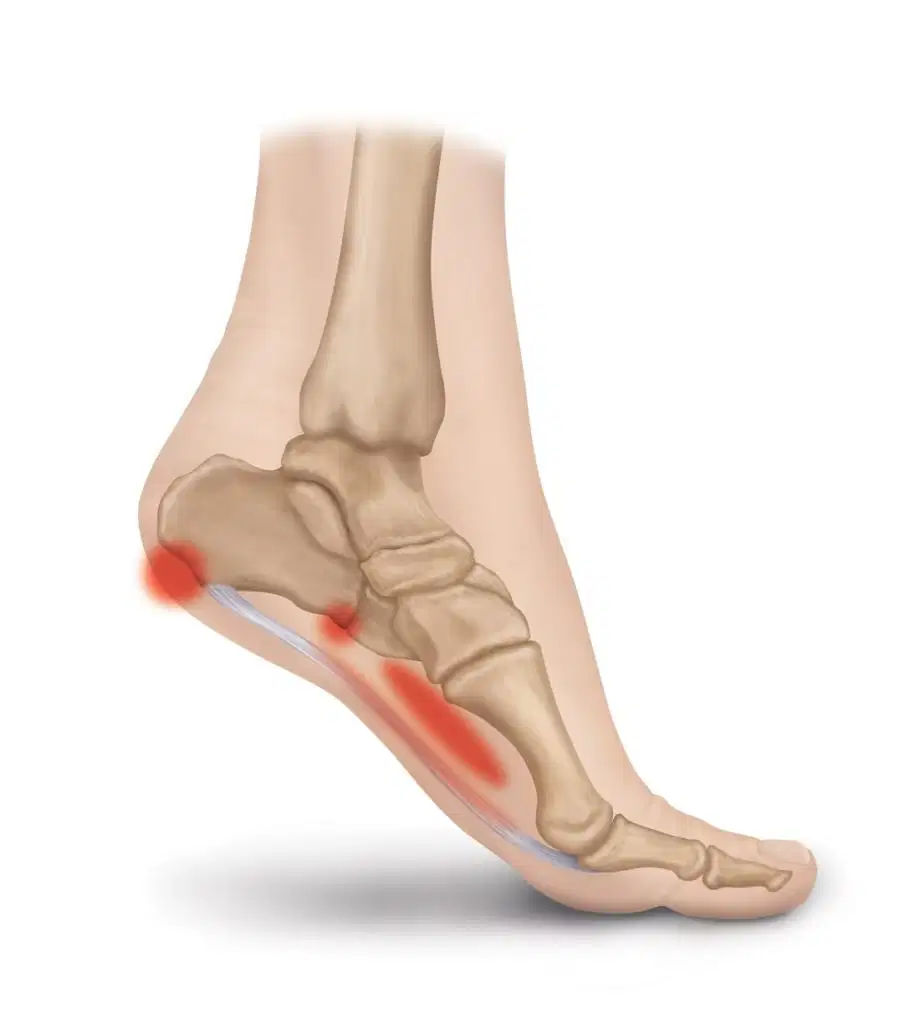
Pain at the heel or arch of the foot from inflamed tissue on the sole is known as:
Runner’s Knee
Achilles Tendonitis
Plantar Fasciitis
ITB Syndrome
Republic Act 10354 is also known as the:
Anti-Violence Against Women Act
Family Code of the Philippines
Responsible Parenthood and Reproductive Health Act of 2012
Child Protection Act
Which government agency primarily implements the family-planning aspects of RA 10354?
RA 10354 guarantees universal access to which of the following?
Reproductive health services and family-planning information
Business loans
Overseas job placement
Free college education
Under RA 10354, reproductive health education should be:
Restricted to private clinics
Introduced only at the college level
Age- and development-appropriate starting in public schools
Optional for schools
A rural health unit in a poor community gives free information and supplies on birth spacing to couples. This practice:
Violates RA 10354
Is a program encouraged by RA 10354
Is unrelated to RA 10354
Is illegal without a fee
Which situation best reflects a challenge in implementing RA 10354?
Shortage of RH supplies in remote areas despite the law’s mandate
Free vaccines given in public schools
A hospital opening a new wing
A student joining a sports fest
Compare these two statements:
I. RA 10354 promotes maternal health and informed choice.
II. RA 10354 bans access to reproductive health services.
Which is correct?
I only
II only
Both I and II
Neither I nor II
A local government unit provides only natural family-planning methods and refuses to inform citizens about modern methods. According to RA 10354, this action is:
Fully compliant with the law
Partially compliant; it violates the right to informed choice
Encouraged under the law
Unrelated to the law

A 17-year-old boy who is already a father goes to a public health center requesting free contraceptives. Under RA 10354, what is the proper action of the health worker?
Deny the request because he is a minor
Provide reproductive health services without parental consent because he is already a parent
Refer him to a private clinic
Require parental consent before giving any contraceptives

