
NEW
Font size
 Worksheets
Patterns of Settlement in Texas - Unit 2 VOCAB Quiz
Total questions: 43
Worksheet time: 14mins
Are you Going to try your hardest?
Yes!
No.
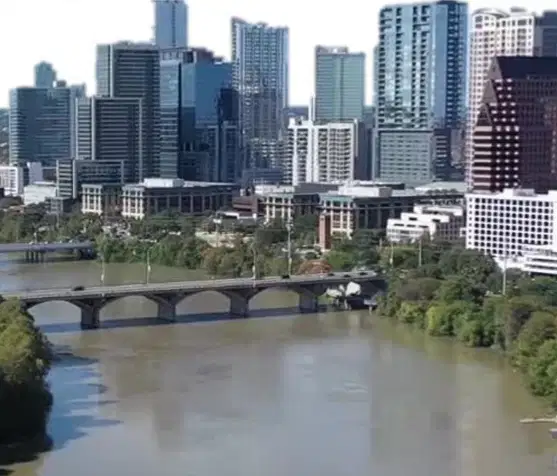
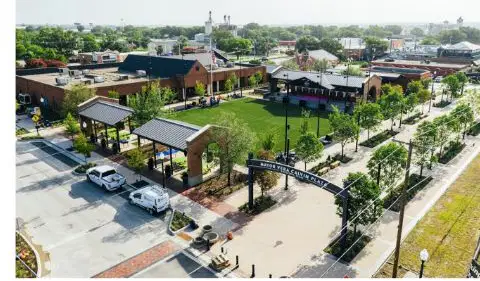
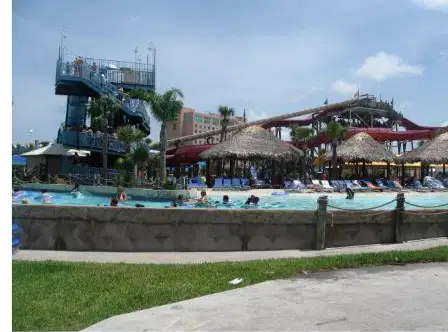
Based on the image, what type of area is likely being discussed in the unit "Patterns of Settlement in Texas"?
A desert
A forest
An urban city
A mountain range
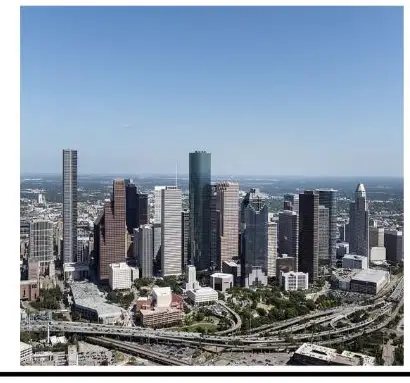
What is an urban area?
A city or town area with a large population and many buildings, businesses, and services.
A countryside area with a small population and open spaces.
A place with only farms and no buildings.
A forest with no people.
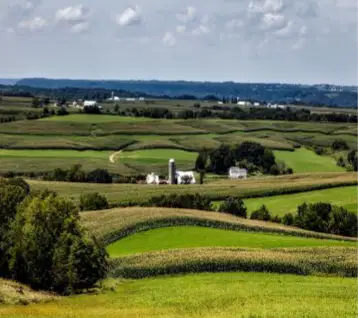
Which of the following best describes a rural area?
A city with many tall buildings and businesses.
A countryside area with a small population, open spaces, and farming or agriculture.
A place with only factories and roads.
A desert with no plants.
Which area is more likely to have many businesses and services?
Rural
Urban
Desert
Forest
If you wanted to live where there are more open spaces and farms, which area would you choose?
Urban
Rural
Suburban
Industrial
Compare urban and rural areas. What is one main difference between them?
Urban areas have more open spaces than rural areas.
Rural areas have more buildings than urban areas.
Urban areas have a larger population and more businesses, while rural areas have fewer people and more open land.
Rural areas have more factories than urban areas.
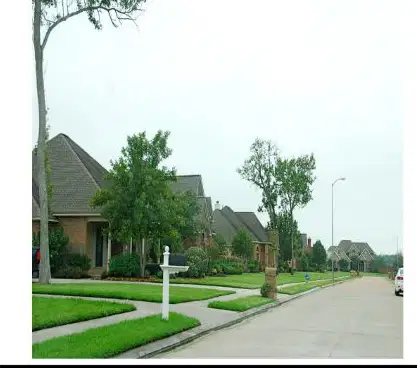
What is a suburban area?
An area just outside a city, usually with homes and smaller businesses, where people live and commute to work in the city.
A place in the middle of a city with tall buildings.
A farm area far away from any city.
A place where only businesses are found.
Which of the following best describes a settlement?
A place where people have come to live and build a community.
A place where only animals live.
A place where people go to shop.
A place with only one house.
Why do people usually live in suburban areas?
To be close to farms.
To live just outside a city and commute to work in the city.
To be far away from any other people.
To live in tall buildings.
Imagine you are moving to a new place with your family. You want to live in a community where people have built homes and businesses, but it is not in the center of a big city. What type of area would you choose?
Suburban
Desert
Mountain
Ocean
What is a community?
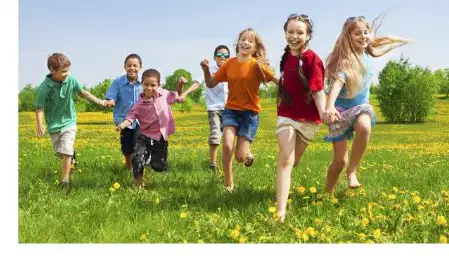
A group of people who live in the same area or share something in common.
A group of animals living in the forest.
A type of landform.
A kind of weather pattern.
Which of the following best describes the physical environment?
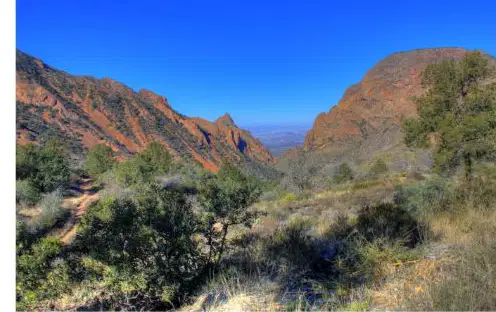
The natural world around us, including landforms, climate, plants, and animals.
A group of people living together.
A classroom with desks and chairs.
A city with tall buildings.
Which of these is an example of a community?
A group of neighbors who celebrate holidays together.
A mountain range.
A river flowing through a valley.
A forest with many trees.
How does the physical environment affect the way people in a community live?
It can influence the types of homes they build, the food they eat, and the activities they do.
It only affects the color of their clothes.
It makes everyone in the community the same age.
It has no effect on people at all.
What is a landform?
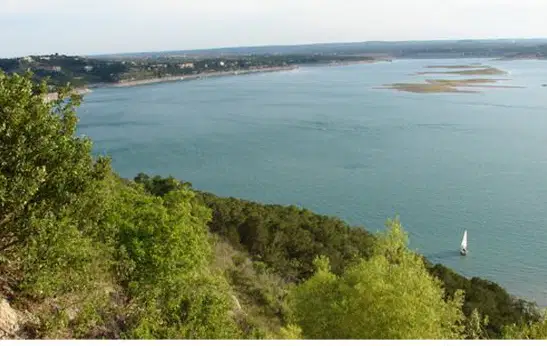
A natural feature of the Earth's surface.
A type of weather pattern.
A man-made building.
A kind of animal.
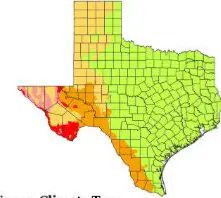
What does the term "climate" refer to?
The typical weather conditions in a region over a long period of time.
The temperature on a single day.
The amount of rainfall in one week.
The direction of the wind.
Which of the following is an example of a landform?
Mountain
Rain
Sunshine
Cloud
Why is it important to know the climate of a region?
It helps us understand what weather to expect over time.
It tells us the names of all the cities.
It shows us how to build houses.
It explains how to plant trees.
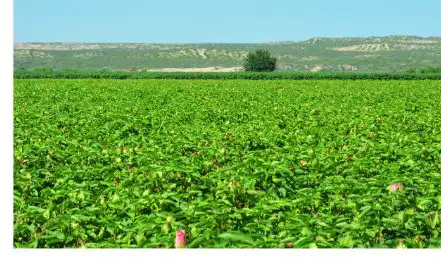
What is a natural resource?
Materials from nature that people use to survive or make things.
A type of weather event that causes damage.
A machine made by humans.
A type of animal found in the wild.
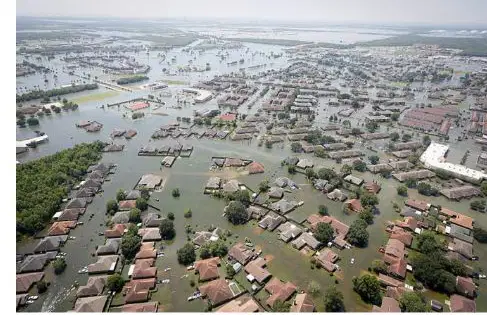
Which of the following best describes a natural hazard?
A natural event that can cause damage or danger.
A resource people use to make things.
A type of plant that grows in nature.
A tool used for farming.
Which of these is an example of a natural resource?
Water from a river
A car
A computer
A plastic bottle
Why is it important for people to use natural resources wisely?
Because they help us survive and make things we need.
Because they are not useful at all.
Because they are dangerous.
Because they are made in factories.
If a flood destroys homes in a town, what type of event is this?
Natural hazard
Natural resource
Human-made resource
Weather forecast
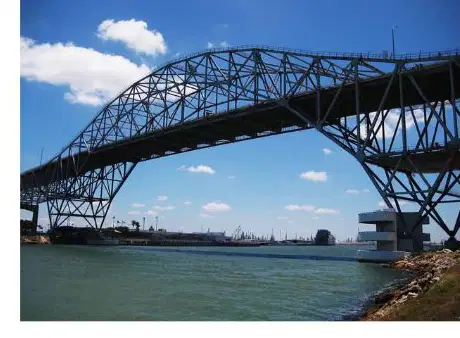
What does the term "patterns of settlement" refer to?
The way people spread out and live in different areas, such as cities, towns, or rural places.
The process of building bridges over rivers.
The way people travel from one place to another.
The different types of weather in a region.

Which of the following best describes "trade"?
The building of houses in a city.
The buying, selling, or exchanging of goods and services between people or countries.
The movement of people from one place to another.
The study of different types of plants.
Why might people choose to settle in cities rather than rural places? (Use reasoning based on what you know about patterns of settlement.)
Cities often have more jobs and services available.
Rural places are always too cold.
Cities have fewer people.
Rural places do not allow trade.
How does trade help people or countries? (Think about the concept of trade.)
It allows people or countries to get goods and services they need or want.
It makes everyone move to rural areas.
It stops people from talking to each other.
It only happens in cities.
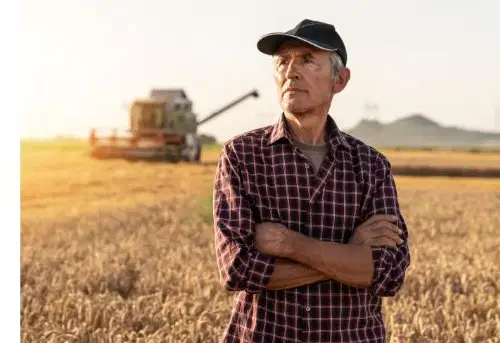
What is the main focus of agriculture?
The practice of farming, including growing crops and raising animals for food.
Producing cars and computers.
Providing medical services.
Building houses and roads.

Which of the following best describes an industry?
Businesses that produce goods or provide services, such as manufacturing or technology.
The practice of growing vegetables in a garden.
Teaching students in a classroom.
Playing sports in a stadium.
If a company is making computers and selling them, which category does it belong to?
Industry
Agriculture
Education
Transportation
Which activity is an example of agriculture?
Raising cows for milk
Repairing cars
Designing software
Selling clothes
How are industry and agriculture different from each other?
Industry focuses on producing goods or services, while agriculture is about farming and raising animals for food.
Industry is about teaching, while agriculture is about building houses.
Industry is about playing sports, while agriculture is about making clothes.
Industry and agriculture are the same thing.
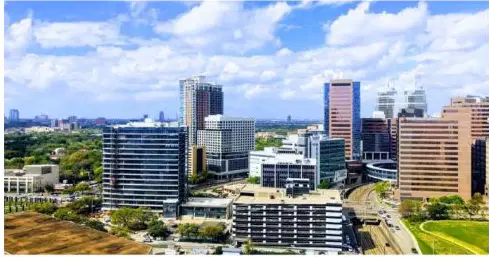
What is a "pull factor" in migration?
A reason that attracts people to move to a new place
A reason that causes people to leave their home
A type of transportation
A kind of weather event
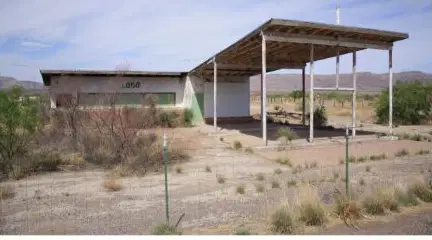
Which of the following is an example of a "push factor"?
Job opportunities in a new city
War or lack of jobs in someone's home area
Beautiful parks and schools
Fun festivals and events
If a family moves to a new city because there are better schools and more jobs, what kind of factor is influencing their decision?
Push factor
Pull factor
Weather factor
Transportation factor
Why might someone leave their home country because of a "push factor"?
They want to visit family
They are attracted by new opportunities
They are forced by war or lack of jobs
They want to go on vacation
Imagine a town where many people are moving away because there are no jobs left. What is this an example of?
Pull factor
Push factor
Weather factor
Family factor
A city builds many new parks, schools, and offers lots of jobs. How might this affect people living in other places?
It might push them to leave the city
It might pull them to move to the city
It will make them want to stay where they are
It will have no effect
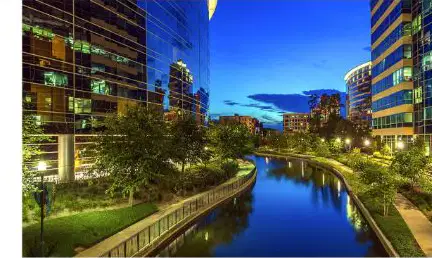
What are job opportunities?
Chances to find work or employment in different fields or industries.
Places to relax and have fun.
Types of food available in a city.
Ways to travel from one place to another.
Which of the following best describes amenities?
Jobs in different industries.
Comforts or services that make a place pleasant to live in.
Rules for living in a city.
Types of transportation.
Why might someone move to a new city for job opportunities?
To find work in a different field or industry.
To visit family for a short time.
To go on vacation.
To buy new clothes.
How do amenities improve the quality of life in a community?
By making a place more comfortable and pleasant to live in.
By increasing the number of cars on the road.
By making food more expensive.
By reducing the number of schools.

