
 Worksheets
7 Habits Pre Reading
Total questions: 60
Worksheet time: 30mins

What is the title of the book recommended for students in the image?
The 7 Habits of Highly Effective Teens
The 7 Habits of Happy Kids
The 7 Habits of Highly Effective People
The 7 Habits of Successful Students
A habit is a behavior that is repeated regularly and tends to occur subconsciously. Which of the following best describes a habit?
A behavior that is repeated regularly and tends to occur subconsciously.
A one-time action that is never repeated.
A special event that happens once a year.
A decision made only after careful thought every time.
What do people often center their lives around?
Principles, people, things, or the desire to impress others
Only material possessions
Just trying to impress strangers
Nothing in particular
Wanting to be better at one thing is an example of:
Self-improvement
Traveling
Cooking
Shopping
Being 'highly effective' means:
Consistently achieving desired results through good habits and organization.
Doing as little as possible to get by.
Relying on others to complete your tasks.
Ignoring responsibilities and deadlines.
The book focuses on 7 key habits for success. - These habits help with __________ growth and relationships.
personal
financial
technological
environmental
The book focuses on 7 key habits for success. - They're based on universal __________ that work for everyone.
principles
opinions
guesses
trends
Habit 1: Be __________ - Take responsibility for your life.
Proactive
Reactive
Passive
Indifferent
Habit 2: Begin with the End in Mind - Define your __________ and goals in life.
mission
routine
schedule
hobby
Habit 3: Put First Things First - __________ and do the most important things first.
Prioritize
Procrastinate
Ignore
Delay
Habit 4: Think Win-Win - Seek __________ benefit in all interactions.
mutual
personal
financial
temporary
Habit 5: Seek First to Understand, Then to Be Understood - Listen to others __________ trying to get your point across.
before
after
while
without
Habit 6: Synergize - Work __________ to achieve more.
together
alone
slowly
apart
Habit 7: Sharpen the Saw - Continuously __________ yourself. Examples: exercise, spend time with friends, read books, meditate.
renew
ignore
exhaust
neglect
Habit 7: Sharpen the Saw is important because it helps you continuously renew yourself. Why is this habit important?
It helps you maintain balance and improve in all areas of life.
It encourages you to ignore self-care and focus only on work.
It suggests you should never take breaks or rest.
It means you should only focus on physical health.
The main purpose of reading this book is to gain what?
Personal growth and understanding
Financial investment tips
Cooking recipes
Travel destinations

Which habit is associated with 'Renewal' in the 7 Habits tree diagram?
Habit 7
Habit 1
Habit 3
Habit 5

Which habits are associated with 'Public Victory' in the 7 Habits tree diagram?
Habits 4, 5, and 6
Habits 1, 2, and 3
Habits 2, 4, and 7
Habits 3, 5, and 7

Which habits are associated with 'Private Victory' in the 7 Habits tree diagram?
Habits 1, 2, and 3
Habits 4, 5, and 6
Habits 2, 3, and 7
Habits 1, 4, and 7

Habit 7 is part of 'Public Victory' in the 7 Habits tree diagram.
True
False

Habits 1, 2, and 3 are part of 'Private Victory' in the 7 Habits tree diagram.
True
False
Are deposits are better than withdrawals.
Deposits are better than withdrawals.
Withdrawals are better than deposits.
Deposits and withdrawals are equally good.
Neither deposits nor withdrawals are better.
The difference between proactive and reactive is:
Proactive means taking action in advance, while reactive means responding after something happens.
Proactive and reactive mean the same thing.
Reactive means planning ahead, while proactive means waiting for events to occur.
Proactive means ignoring problems, while reactive means solving them immediately.
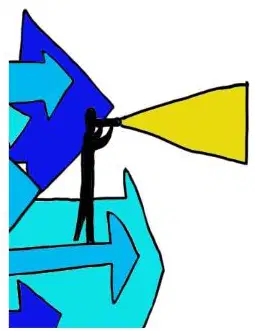
Fill in the blank: ________ means being driven to accomplish things before something happens, looking to the future.
Proactive
Reactive
Passive
Indifferent

Fill in the blank: ________ means waiting to take action until something has already happened.
Reactive
Proactive
Predictive
Preventive
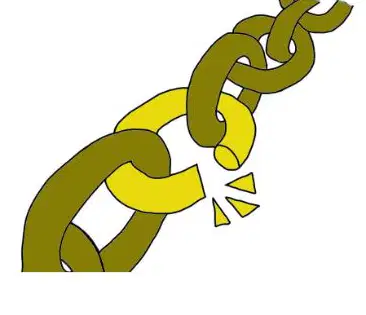
Fill in the blank: ________ means something flawed or broken.
Defective
Perfect
Creative
Expensive

Fill in the blank: ________ means your way of thinking and approaching problems.
Mindset
Backpack
Calendar
Footprint

Fill in the blank: ________ means working together with other people's strengths to make the best possible results.
Synergize
Compete
Isolate
Ignore

Fill in the blank: ________ is the way that you view things. The example that you base life on.
Paradigm
Theory
Hypothesis
Assumption
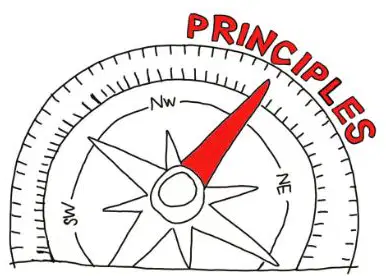
Fill in the blank: ________ is a rule or belief that drives you, pushes you forward.
Principle
Furniture
Weather
Recipe
Fill in the blank: ________ means to think back and analyze what you've learned or the decisions you made.
Reflect
Ignore
Predict
Forget
Proactive: A storm is coming. The meteorologists are saying that it is going to be really bad and you might be snowed in for days. What should you do to prepare?
Stock up on food, water, and emergency supplies
Go outside to enjoy the weather
Ignore the warnings and make no preparations
Plan a road trip during the storm
Proactive: The first step you should take when you have a big project due in two weeks is to:
Create a plan and start working early
Wait until the last minute to begin
Ignore the project until reminded
Ask someone else to do it for you
Proactive: To secure your spot at your favorite event with expensive and fast-selling tickets, you should:
Buy the tickets as soon as possible
Wait for ticket prices to drop
Ask a friend to buy tickets for you later
Ignore the ticket sales until the last minute
Proactive: You notice that your grades are slipping in math class. What is a proactive step you can take to improve?
Ask your teacher for help and create a study plan.
Ignore the problem and hope it gets better.
Stop doing your homework.
Blame your classmates for your grades.
Reactive: You get some unexpected news about an event that you wanted to go to over the weekend. What is a likely way you might respond?
Feel disappointed but try to make new plans
Ignore the news and pretend nothing happened
Blame others for the change
Celebrate missing the event
Defective: You buy a new phone, but it won’t charge. What do you do about this defect?
Return or exchange the phone for a working one.
Ignore the problem and keep using it.
Try to fix it yourself without any knowledge.
Throw the phone away immediately.
Defective: A defective chair in your classroom breaks when someone sits on it. What should you do?
Report the chair to a teacher or staff member.
Ignore the broken chair and keep using it.
Try to fix the chair yourself without telling anyone.
Leave the chair as it is and do nothing.
If a toy you gave to your little brother doesn’t work, what should you do?
Try to fix the toy or ask an adult for help.
Throw the toy away immediately.
Ignore the problem and do nothing.
Blame your little brother for breaking it.
Defective: Your bike has a defective chain that keeps slipping. What is the correct way to fix it?
Tighten or replace the chain
Paint the chain
Remove the pedals
Deflate the tires
Mindset: A positive mindset can help you when you're nervous about an upcoming test by:
Helping you stay calm and focused
Making you ignore studying
Causing you to forget important information
Increasing your anxiety
Mindset: When learning a new skill and making mistakes, the mindset that will keep you going is:
Growth mindset
Fixed mindset
Perfectionist mindset
Defeatist mindset
Mindset: Your team lost an important game. How does your mindset affect how you move forward?
A positive mindset helps you learn and improve after a loss.
A negative mindset guarantees you will win next time.
Mindset has no effect on your future actions.
A loss means you should give up completely.
Mindset: Your teacher gave you feedback that felt really bad. How can you use it to help you grow?
By reflecting on the feedback and using it to improve yourself
By ignoring the feedback completely
By blaming the teacher for being unfair
By feeling discouraged and giving up
Synergize: If you have two clues to a puzzle and another person already solved the third, what is the best way to work together?
Share your clues and combine information to solve the puzzle
Ignore the other person's solution and work alone
Wait for someone else to solve the puzzle
Only use your own clues and disregard others
Synergize: A local park needs volunteers for a clean-up. What is an effective way to synergize and make the activity fun and productive?
Work together, assign roles, and add games or music to the clean-up
Let everyone work alone without coordination
Ignore teamwork and focus only on speed
Discourage communication among volunteers
Synergize: If you forgot a pencil and your friend’s chromebook isn’t charged, what is a good way to work together to get the assignment done?
Share resources and help each other complete the assignment
Wait until both of you have your own supplies
Do the assignment separately without helping each other
Ignore the assignment until later
Synergize: If you hate speaking in front of people but are good at drawing, how can you work with your group to make a poster and present it?
Offer to draw the poster while others do the speaking.
Insist on doing both the drawing and the speaking.
Refuse to participate in the project.
Only help with the speaking part.
Shifting your paradigm can be achieved by:
Changing your perspective and being open to new ideas.
Ignoring new information and sticking to old beliefs.
Avoiding feedback from others.
Resisting change at all costs.
Paradigm: You’ve always studied alone but your grades are suffering. What is something new you can try?
Try studying with a group
Study less frequently
Ignore your grades
Stop doing homework
Shifting this paradigm changed the world in which of the following ways?
It led to significant advancements and transformed global perspectives.
It caused a decline in technological progress.
It resulted in widespread economic collapse.
It had no noticeable impact on society.
Paradigm: Adjusting to a new way of learning at your school involves what?
Adapting to new methods and strategies
Ignoring the changes
Refusing to participate
Continuing with old habits only
The principle that guides your decision when you find a wallet with money inside in the bathroom is:
Honesty
Greed
Carelessness
Indifference
Principle: A friend asks you to cheat on a test. The principle that will help you make the right choice is:
Honesty
Popularity
Loyalty to friends
Desire for good grades
A groupmate isn’t doing their share of the work and always expects you to give them the answers. What is the best way to handle this situation?
Talk to your groupmate and encourage them to participate equally.
Ignore the situation and do all the work yourself.
Give them all the answers to avoid conflict.
Complain to the teacher without discussing it with your groupmate first.
Principle: Your group can win a contest by breaking a small rule. What principle will help you decide what to do?
The principle of integrity will help you decide what to do.
The principle of popularity will help you decide what to do.
The principle of competition will help you decide what to do.
The principle of convenience will help you decide what to do.
Reflect: After an argument with your friend, reflecting can help you understand their point of view by:
Allowing you to see things from their perspective
Making you forget the argument
Proving you are always right
Ignoring their feelings
Using feedback on an essay can help you improve your work by:
Identifying areas to improve and making necessary changes
Ignoring suggestions and keeping your original work
Copying someone else's essay instead
Submitting the essay without reviewing feedback
Which of the following scenarios best demonstrates being proactive?
A student creates a study schedule before exams to avoid last-minute stress.
A student waits until the night before the exam to start studying.
A student ignores upcoming assignments until the teacher reminds them.
A student only studies when their friends do.
Choose the sentence that correctly uses the word 'Defective.'
The machine was returned because it was defective.
She ran quickly across the defective.
He enjoyed a defective of ice cream.
They went to the park to see the defective.

