
NEW
Font size
 Worksheets
American Revolutionary War Quiz
Total questions: 26
Worksheet time: 13mins

The French and Indian War was fought mainly over control of:
Canada
The Appalachian Mountains
The Ohio Valley
New Orleans

The Proclamation of 1763 was designed to:
Keep colonists east of the Appalachian Mountains
Allow colonists to expand westward
Encourage trade with Native Americans
End British taxation in the colonies
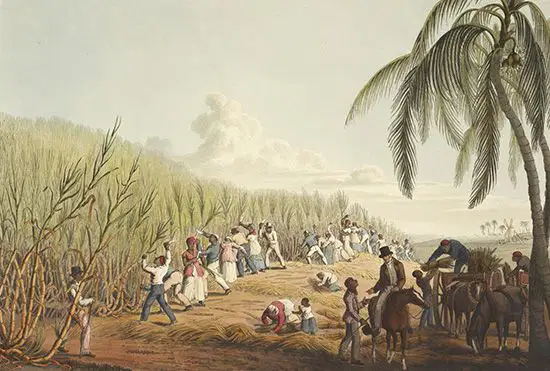
The Sugar Act required colonists to pay taxes on:
Sugar and molasses imported into the colonies
Tea and glass purchased from Britain
Newspapers and legal documents
All farm products grown in the colonies

Which act taxed goods such as playing cards, documents, and newspapers?
Quartering Act
Stamp Act
Townshend Acts
Intolerable Acts
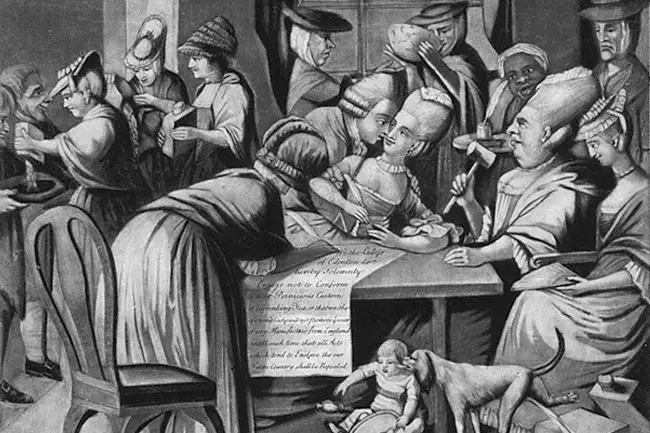
The Townshend Acts placed duties on items like:
Glass, paint, lead, and tea
Sugar, rum, and tobacco
Cotton, wool, and linen
Guns, ammunition, and uniforms

The Quartering Act was controversial because it:
Forced colonists to allow British soldiers into their homes
Prevented colonists from creating their own militias
Ordered colonists to pay higher land taxes
Closed Boston Harbor to colonial ships

The Boston Massacre is remembered as:
An event in 1770 when British soldiers killed several colonists during a protest
A meeting where leaders signed the Declaration of Independence
A violent clash over taxes on tea in Boston Harbor
A battle where the Continental Army defeated the British
The Boston Tea Party demonstrated colonial anger by:
Dumping tea into Boston Harbor to protest higher prices
Attacking British soldiers during a march
Signing a treaty with France for support
Refusing to house British troops in Boston

The Intolerable Acts were passed as punishment for:
The Boston Tea Party
The French and Indian War
The signing of the Declaration of Independence
The Battle of Saratoga
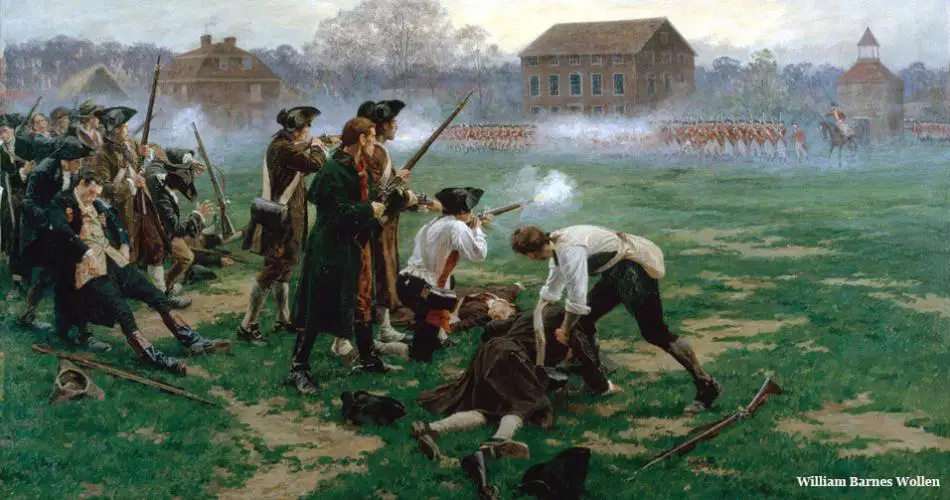
Lexington and Concord are famous because they were:
The site of the last major battle of the Revolution
The first battles where colonists fought British soldiers
The location of Washington’s winter camp
The place where the Declaration of Independence was signed

The Continental Army was:
Created by the Second Continental Congress and led by George Washington
A militia organized by Samuel Adams in Boston
Formed after the Proclamation of 1763 was passed
Made up only of French soldiers who supported the colonies
Common Sense by Thomas Paine argued that the colonies:
Should be an independent nation, free from Britain
Should remain loyal to the king for protection
Should stop all protests and obey British laws
Should expand into western Native American lands
Who wrote the Declaration of Independence?
George Washington
Samuel Adams
Thomas Jefferson
Thomas Paine
Colonists who wanted independence from Britain were called:
Patriots
Loyalists
Tories
Federalists
Colonists who stayed loyal to Britain were known as:
Patriots
Loyalists
Minutemen
Revolutionaries
The Battle of Saratoga is remembered as a turning point because:
It convinced France to support the colonies
It ended the Revolutionary War
It forced Washington to retreat to Valley Forge
It was the first battle of the Revolution
Valley Forge became famous as:
The site where Washington’s army camped during the winter of 1777–1778
The last major battle of the Revolution
The location where the French and Indian War ended
The place where Jefferson wrote the Declaration of Independence
The Battle of Yorktown in 1781 was important because it:
Forced the British to surrender, ending major fighting
Was the first battle fought by the Continental Army
Took place on the Appalachian frontier
Convinced France to join the war effort
The Treaty of Paris (1783):
Formally ended the Revolutionary War between Britain and the colonies
Created the Proclamation Line to stop westward expansion
Gave France control of American trade routes
Was signed before the Battle of Saratoga
Marquis de Lafayette is remembered as:
A French soldier who became a general in Washington’s Continental Army
The writer of Common Sense
The first African American elected to public office
The leader of the Sons of Liberty
Who served as commander-in-chief of the Continental Army?
Thomas Jefferson
Samuel Adams
George Washington
Marquis de Lafayette
Which patriot was a leader of the Sons of Liberty and a signer of the Declaration of Independence?
Samuel Adams
Thomas Jefferson
Thomas Paine
John Adams
Who wrote the pamphlet Common Sense?
Thomas Jefferson
Thomas Paine
George Washington
Samuel Adams
Which woman urged her husband to “remember the ladies” when creating new laws?
Abigail Adams
Mercy Otis Warren
Martha Washington
Anne Hutchinson
Mercy Otis Warren encouraged independence by:
Writing poems to persuade colonists to join the patriot cause
Serving as Washington’s personal secretary
Spying on British troops in Boston
Drafting the Intolerable Acts
Wentworth Cheswell was significant in history because he:
Fought at the Battle of Saratoga and was the first African American elected to public office
Wrote the Declaration of Independence with Jefferson
Commanded French forces during the Revolution
Founded the Sons of Liberty in Massachusetts

