
 Worksheets
The Great Instrumentation Throwdown:Final Exam Review Quiz Game
Total questions: 26
Worksheet time: 19mins
Why is it important for a technician to understand normal process operations?
To operate instruments faster
To troubleshoot effectively
To reduce energy usage
To avoid paperwork
Changes in one variable can significantly affect other variables (interactions/cascade effects).
True
False
All equipment eventually fails.
True
False

Atmospheric pressure at sea level is (a) PSIA.

Water freezes at ___ °F and boils at ___ °F.
0 / 100
32 / 212
32 / 100
0 / 212
The span of an instrument is:
the bottom of the scale
the difference between upper and lower range values
the output of the instrument at zero
the maximum error allowed
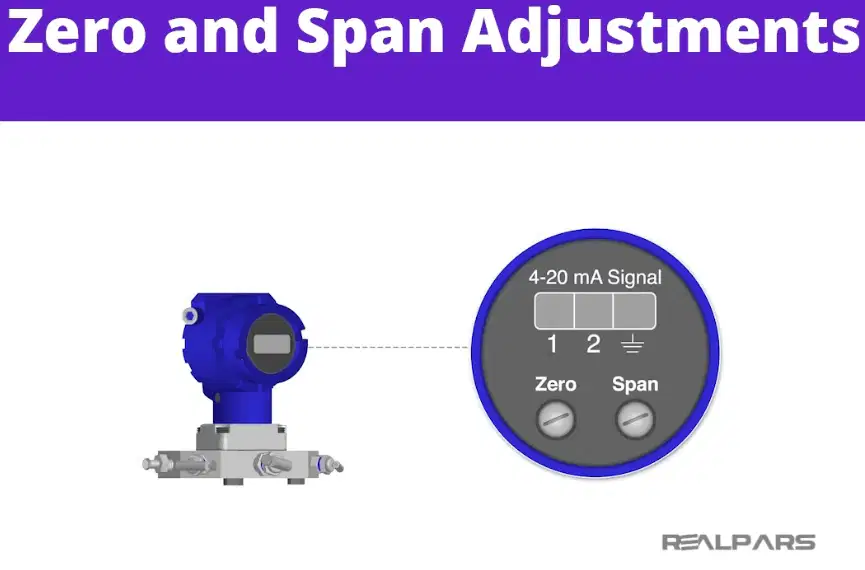
“Zeroing out” an instrument means adjusting the output to indicate (a) measurement.
Fill in the Blank: LRV stands for __________.
Lower Range Value
Long Range Value
Lower Right Value
Lower Range Viscosity

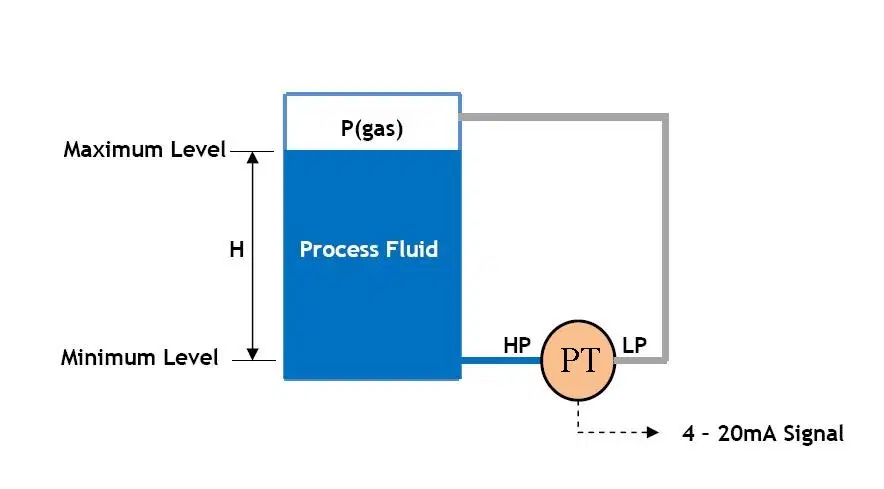
A D/P (differential pressure) transmitter used for level measures:
conductivity of a solution
average pressure
the difference between total pressure and vapor-space pressure
level directly
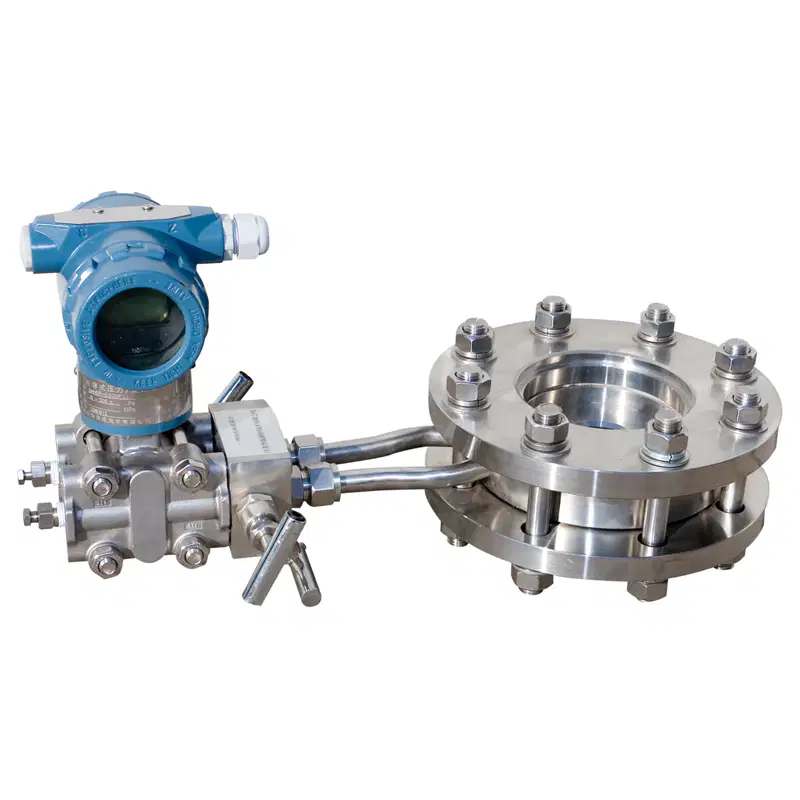
Orifice plate: flow measurement using a solid metal disc with no opening.
True
False
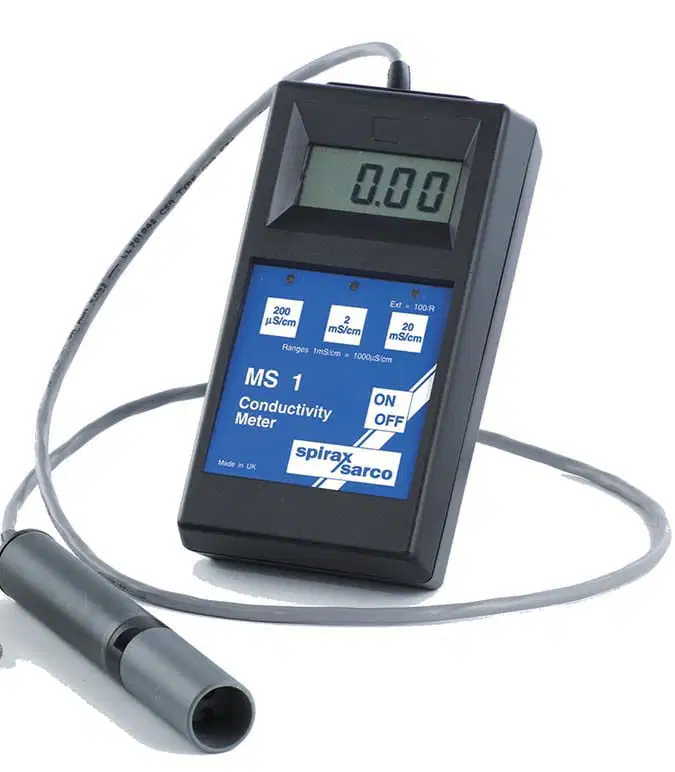
Conductivity meters measure:
liquid density
a solution’s ability to conduct electricity
flow velocity
vapor pressure
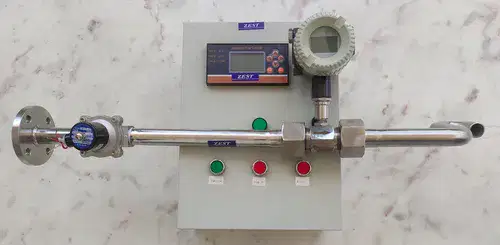
In the tag FIC-202A, “FIC” stands for (a) .
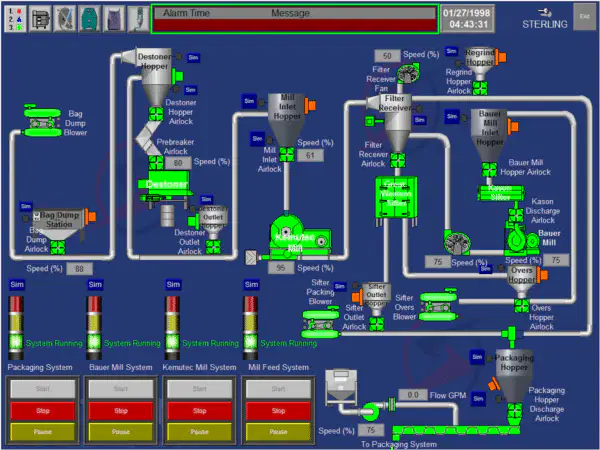
An annunciator is used to
increase flow
provide visual or audible process alarms
measure temperature
transmit signals remotely

What is the primary strategy for detecting gradual error, also known as drift, in an instrument?
Increase the process setpoint until the error becomes obvious
Replace the instrument with a newer model
Compare the instrument’s current performance against its established, correct baseline
Switch the controller from automatic to manual mode

Before you can know what is wrong, you must know what is...
(a)
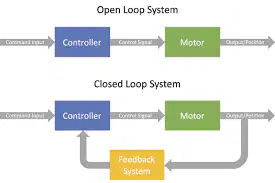
An open-loop control system has no (a) .

The primary role of a sensor in a control loop is to measure the:
output variable
control signal
process variable (PV)
alarm threshold
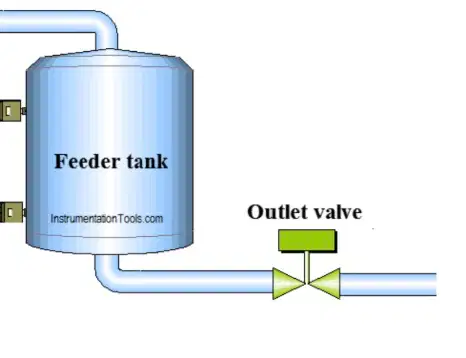
Reverse acting controller
Decreases output as input increases
Direct acting controller
Increases output as input increases
Bumpless transfer
smooth transition between manual/auto
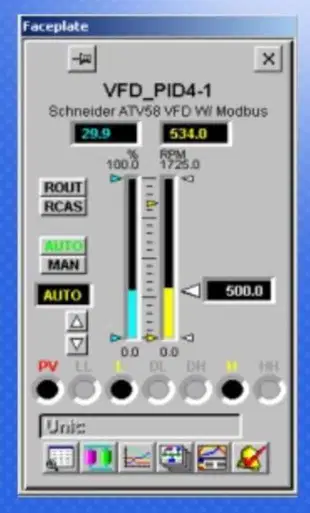
Remote controller: located in the field near the process.
True
False

Match the following
Split Range Control
multiple output elements
Ratio Control
for mixing flow streams
Logic Control
AND/OR, IF/THEN, ON/OFF
Match the following
Analog
continuous signal mirroring the PV
Digital
discrete electrical signals
Converter
device that changes signal states
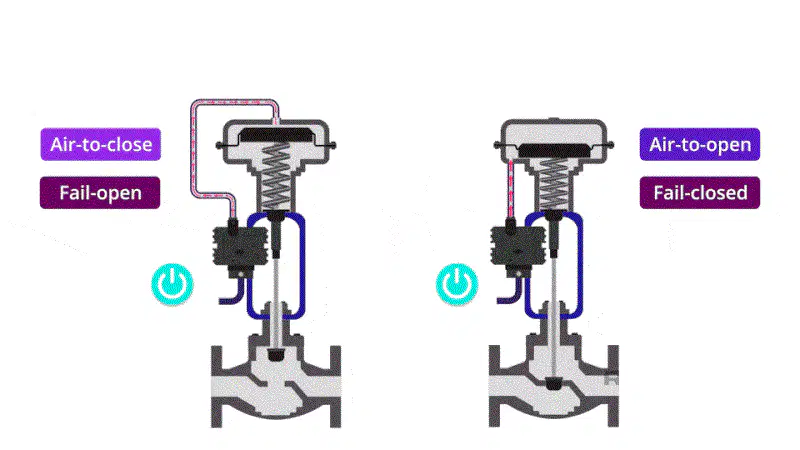
Fail-closed valves are designed to:
open during power failure
stop flow during power failure
increase process efficiency
monitor pressure only

Small gas leaks are not dangerous.
True
False
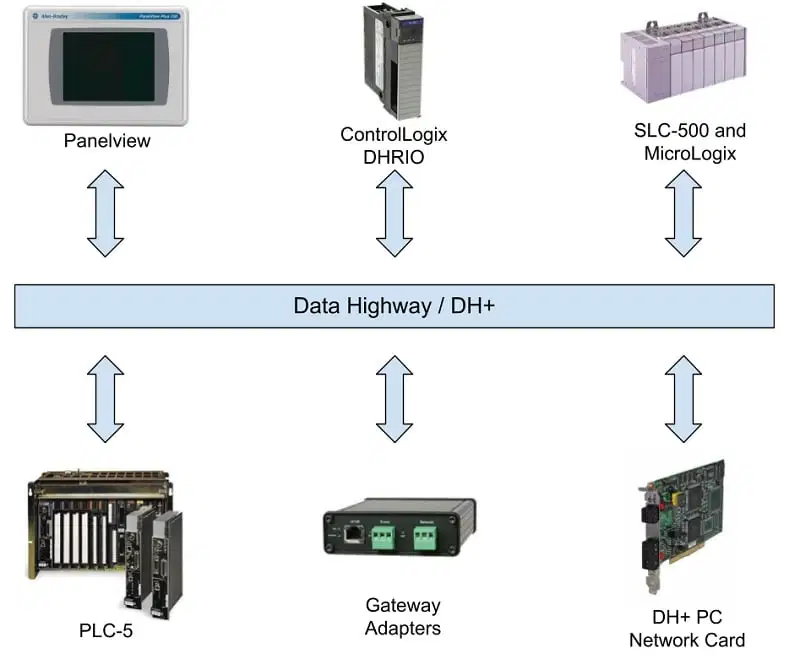
A data highway in a digital process system connects:
humans and machines
pipes and tanks
processors and nodes
sensors and valves manually

An Automatic Transfer Switch (ATS) signals the (a) during a power failure.
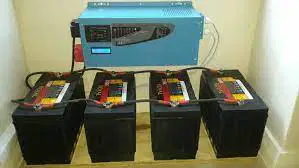
Backup power systems are essential for:
aesthetics
process safety and continuity
faster measurements
reducing instrument errors

