
 Worksheets
Tender Quiz
Total questions: 25
Worksheet time: 8mins
What is the primary purpose of a tender?
To create a binding contract
To negotiate prices
To hire employees
To ensure fairness and transparency
Which document outlines the terms of an agreement between a buyer and another party?
Tender
Proposal
Contract
Bill of Quantities
What does a tender typically include?
A marketing strategy
A project timeline
An offer to perform work for a specified amount
A list of employees
What is a Bill of Quantities?
A contract between the designer and client
A list of materials needed for a project
A document detailing the costs of a project
A summary of project timelines
When is a tender needed?
For marketing a product
For conducting surveys
For hiring new staff
For design construction and procurement of works
What is the role of a designer in tender preparation?
To ignore legal terms
To focus solely on design aspects
To carefully compose and organize Client's requirements
To delegate the task to others
What does the term 'procurement' refer to in the context of tenders?
Hiring employees
Acquiring goods and services
Conducting research
Marketing products
Which of the following is an example of a service in tendering?
Supply of raw materials
Manufacturing of goods
Construction of buildings
Consultancy services
What is a standard request for proposals (RFP)?
A marketing strategy
A project completion report
A document for hiring employees
A formal invitation to submit design proposal
What is the significance of transparency in the tender process?
It increases project costs
It ensures fairness and competitiveness
It complicates the process
It reduces the number of bidders
What is the main reason for submitting a tender?
To complete a project
To increase project scope
To negotiate better terms
To hire subcontractors
What is the definition of a tender?
A summary of project costs
A proposal for a new project
A contract between two parties
An invitation to trade under specific terms

What is the primary advantage of the tender process?
It guarantees the lowest price
It locks competitive rates
It eliminates the need for contracts
It speeds up project completion

Which document is NOT typically included in the tender documents?
Drawings
Specifications
Bank Statement
Bill of Quantities
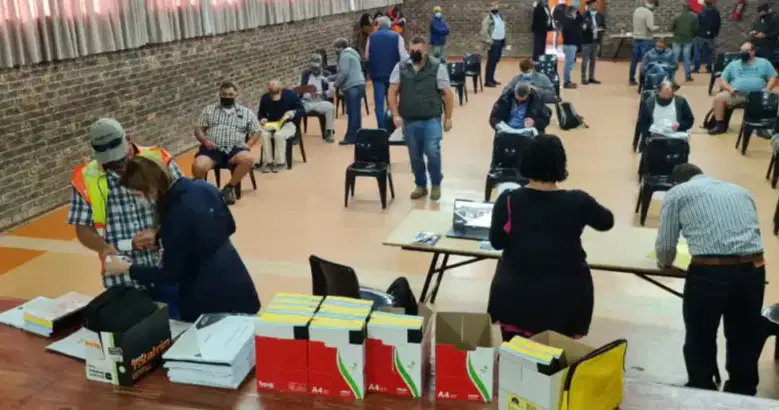
What is the first step in the general tender process?
Prepare tender documents
Identify project requirements
Evaluate tenders
Award and contract signing
In which tendering method are invitations sent to pre-qualified contractors?
Open Tendering
Direct Tendering
Selective Tendering
Negotiated Tendering

The main purpose of a tender process is to ensure?
Fairness & transparency
To evaluate contractor capabilities
To have early project completion
To obtain low cost bid
What must contractors submit along with their bids?
Client feedback
Site visit documentation
Project completion report
Completed form of tender

If a project bidding submitted having a strong technical capabilities but not financial. What would be the risk?
Legal compliance
Financial failure
Faster project completion
Better design proposal

What happens after the successful contractor is awarded the contract?
They submit a new bid
They sign a formal contract
They begin work immediately
They conduct a site visit

If a government wants to procure medical supplies, the tender falls under __?
works
goods
services
contract
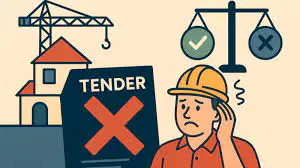
What is the disadvantage of open tendering?
No favouritism
Time consuming
Lowest price obtained
Maximum competition

What is the criteria of selective tendering?
Cronyism
Expertise and experience
Good financial but less experience
Random selection

What is X and Y?
Award, Preparation
Contract, Advertisement
Meeting, Award
Client Report, Award

A contractor submits the lowest bid but fails technical evaluation. What should the committee do?
Request financial statement
Re-open tender
Award
Reject

