
 Worksheets
LAFLEUR MEIOSIS PPT PRACTICE
Total questions: 65
Worksheet time: 33mins
Meiosis is preceded by interphase which includes ________ replication.
chromosome
protein
lipid
enzyme
How many meiotic divisions occur in meiosis?
Two
One
Three
Four
The original cell in meiosis is. Choose the correct answer.
haploid
diploid
triploid
tetraploid
In meiosis, four daughter cells are produced that are ______ (1n), while in mitosis the daughter cells are ______ (2n).
haploid, diploid
diploid, haploid
haploid, haploid
diploid, diploid
Daughter cells produced by meiosis contain ______ the number of chromosomes as the original cell.
half
double
the same
one-third
Meiosis produces which of the following?
Somatic cells
Gametes (eggs & sperm)
Blood cells
Nerve cells
Meiosis occurs in the ______ in males.
testes
liver
kidney
pancreas
Meiosis that occurs in the ovaries in females is called ______.
Oogenesis
Spermatogenesis
Mitosis
Fertilization
Fill in the blank: Meiosis starts with ___ double stranded chromosomes (2n).
46
23
92
44
Fill in the blank: After 1 division in meiosis, there are ___ double stranded chromosomes (n).
23
46
12
8
Fill in the blank: After 2nd division in meiosis, there are ___ single stranded chromosomes (n).
23
46
12
8
Where does meiosis occur in the human body?
In our germ cells that produce gametes
In our muscle cells
In our skin cells
In our red blood cells
Why is meiosis important for sexual reproduction?
It is the fundamental basis of sexual reproduction
It helps in asexual reproduction
It produces energy for the cell
It repairs damaged tissues

Fill in the blank: Two haploid (1n) gametes are brought together through ________ to form a diploid (2n) zygote.
fertilization
meiosis
replication
transcription
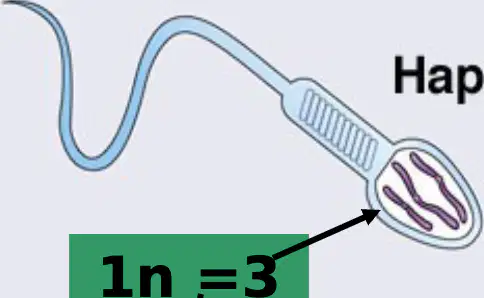
According to the diagram titled 'Fertilization – “Putting it all together”', what is the chromosome number in a haploid sperm?
1n = 3
2n = 6
1n = 6
2n = 3
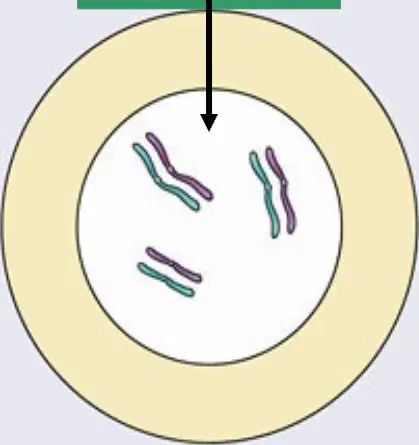
According to the diagram titled 'Fertilization – “Putting it all together”', what is the chromosome number in a diploid zygote?
2n = 6
n = 3
2n = 3
n = 6
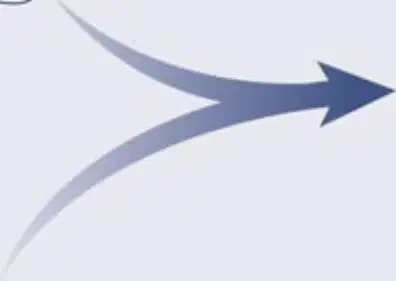
According to the diagram titled 'Fertilization – “Putting it all together”', what process is illustrated by the combination of a haploid sperm and a haploid egg to form a diploid zygote?
Mitosis
Fertilization
Meiosis
Replication
Replication is the process of duplicating a ________.
chromosome
cell wall
ribosome
mitochondrion
When does chromosome replication occur?
After cell division
Prior to division
During mitosis
After DNA synthesis
What are replicated copies of chromosomes called?
Homologous chromosomes
Sister chromatids
Centromeres
Genes
Replicated chromosomes are held together at the ________.
centromere
telomere
chromatid
nucleolus
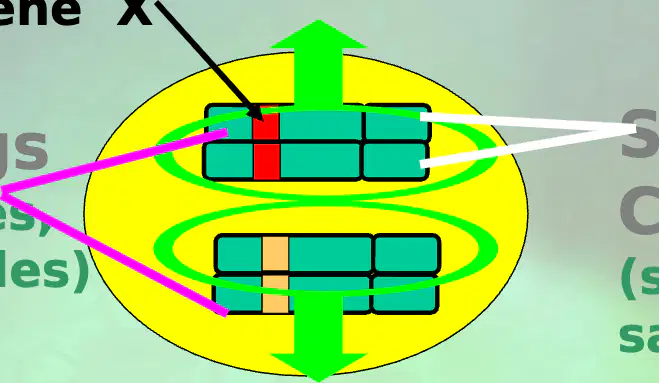
What are homologs?
Chromosomes with the same genes and same alleles
Pairs of sister chromatids that have the same genes but may have different alleles which are alternate forms of genes
Chromosomes with different genes and different alleles
Chromosomes that never separate during meiosis
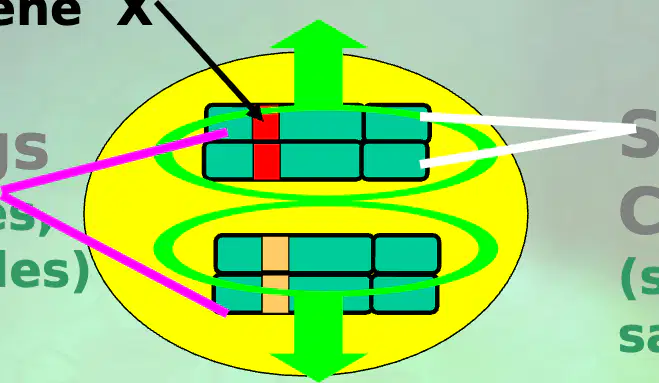
According to the diagram, what separates in meiosis I?
Sister chromatids
Homologs
Genes
Alleles
Meiosis must reduce the chromosome number by half.
True
False
Fertilization restores the ______ number.
2n
n
3n
4n
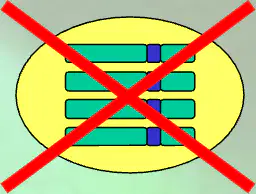
What is the result if meiosis does not reduce the genetic content before fertilization?
The child has too many chromosomes
The child has the right number of chromosomes
The child has no chromosomes
The child has half the chromosomes
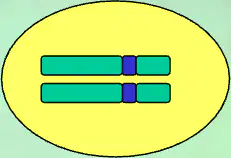
Meiosis reduces genetic content so that after fertilization, the child has:
Too many chromosomes
The right number of chromosomes
No chromosomes
Double the chromosomes

According to the diagram 'Meiosis: Two Part Cell Division', what separates during Meiosis I?
Sister chromatids
Homologs
Ribosomes
Nucleotides
According to the diagram 'Meiosis: Two Part Cell Division', what separates during Meiosis II?
Homologs
Sister chromatids
Ribosomes
Nucleotides

In the diagram 'Meiosis: Two Part Cell Division', the starting cell is labeled as _________.
Diploid
Haploid
Gamete
Zygote
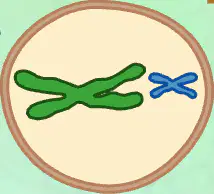
In the diagram 'Meiosis: Two Part Cell Division', the resulting cells after Meiosis II are labeled as _________.
Haploid
Diploid
Tetraploid
Triploid

What is the name of the process shown in the diagram?
Meiosis I: Reduction Division
Mitosis: Equational Division
Binary Fission
Budding

Which stage of Meiosis I is characterized by the chromosome number being doubled?
Early Prophase I
Late Prophase I
Metaphase I
Anaphase I

Fill in the blank: The structure labeled as 'Spindle fibers' appears during the ______ stage of Meiosis I.
Metaphase I
Prophase I
Anaphase I
Telophase I
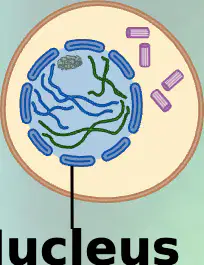
Which structure is present at the beginning of Meiosis I and disappears by the end of Telophase I?
Nucleus (or Nuclear envelope)
Centromere
Spindle fibers
Cell membrane
Match the following stages of Meiosis I with their key features:
Early Prophase I
Chromosome number doubled
Metaphase I
Chromosomes align at the center
Anaphase I
Chromosomes move to opposite poles
Telophase I
Two new nuclei form
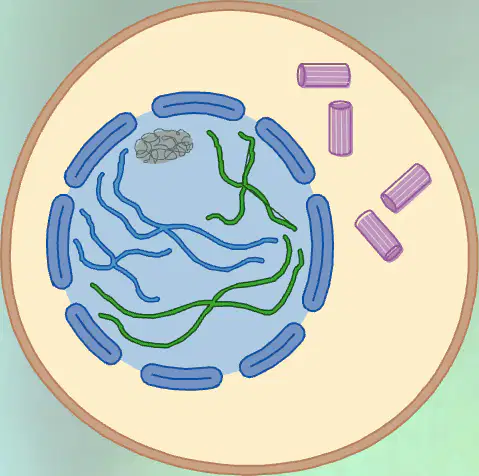
During early prophase of meiosis, what process occurs between homologous chromosomes?
Crossing over occurs.
DNA replication occurs.
Chromosomes line up at the equator.
Sister chromatids separate.
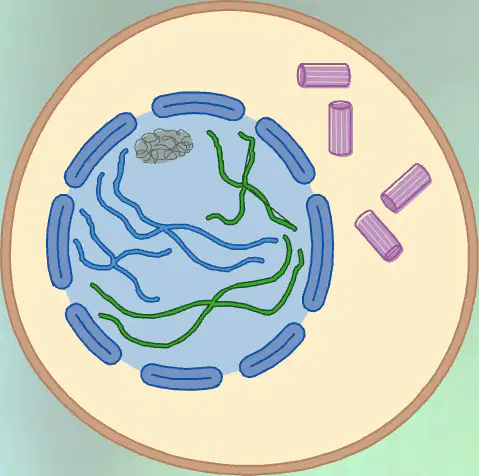
In early prophase, what do homologous chromosomes do?
Homologs pair.
Homologs separate.
Homologs condense into chromatids.
Homologs dissolve.
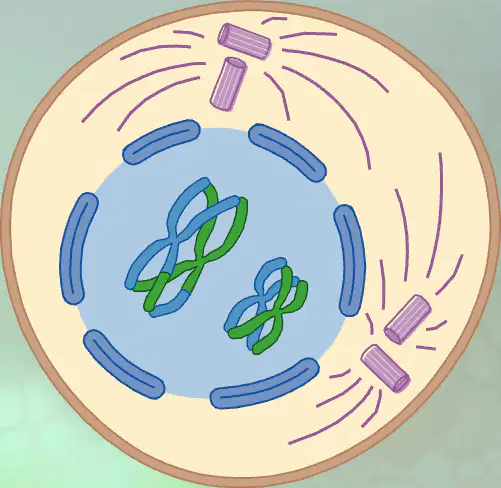
During late prophase of meiosis, what happens to the chromosomes?
Chromosomes condense.
Chromosomes dissolve.
Chromosomes split into RNA.
Chromosomes disappear.

What structure forms during late prophase of meiosis?
Spindle forms.
Cell wall forms.
Nucleolus reappears.
Chromosomes uncoil.

What happens to the nuclear envelope during late prophase of meiosis?
Nuclear envelope fragments.
Nuclear envelope thickens.
Nuclear envelope doubles in size.
Nuclear envelope becomes more rigid.
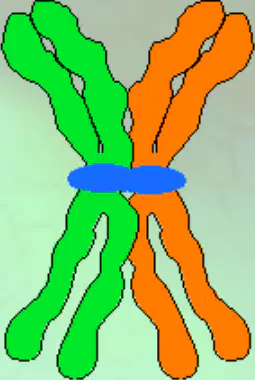
What is the process called when homologous chromosomes (each with sister chromatids) join to form a tetrad during prophase?
Synapsis
Crossing over
Segregation
Replication

During prophase, homologous chromosomes (each with sister chromatids) join to form a ________.
tetrad
centromere
chromatid
nucleosome

The joining of homologous chromosomes to form a tetrad is called synapsis.
True
False

What happens when homologous chromosomes in a tetrad cross over each other?
Pieces of chromosomes or genes are exchanged.
The chromosomes are destroyed.
The cell immediately divides.
No genetic material is exchanged.
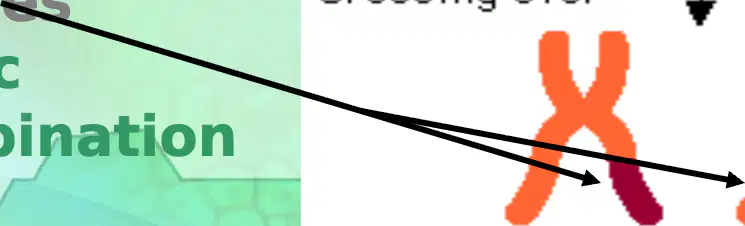
What is produced as a result of crossing-over during meiosis?
Genetic recombination in the offspring.
Identical daughter cells.
No change in genetic material.
Reduction in chromosome number only.

Which of the following best describes the process shown in the diagram?
Mutation
Crossing-over
DNA replication
Transcription

Refer to the diagram showing duplicated maternal and paternal chromosomes, the formation of a tetrad, and the resulting chromosomes after crossing-over. What is the main purpose of crossing-over during meiosis?
To decrease genetic variation
To multiply the number of different gamete types
To produce identical gametes
To prevent chromosome duplication
Fill in the blank: Crossing-over multiplies the already huge number of different ______ types produced by independent assortment.
gamete
enzyme
hormone
protein

A tetrad, as shown in the diagram, is:
a group of four chromatids formed during meiosis
a pair of homologous chromosomes
a single chromatid
a cluster of four cells after mitosis

During Metaphase I, __________ pairs of chromosomes align along the equator of the cell.
homologous
sister chromatid
non-homologous
replicated

During Anaphase I, what happens to homologs?
Homologs separate and move to opposite poles.
Homologs pair up at the equator.
Sister chromatids separate and move to opposite poles.
Chromosomes condense and become visible.

During Anaphase I, what happens to sister chromatids?
Sister chromatids remain attached at their centromeres.
Sister chromatids are pulled apart to opposite poles.
Sister chromatids dissolve into the cytoplasm.
Sister chromatids replicate again.
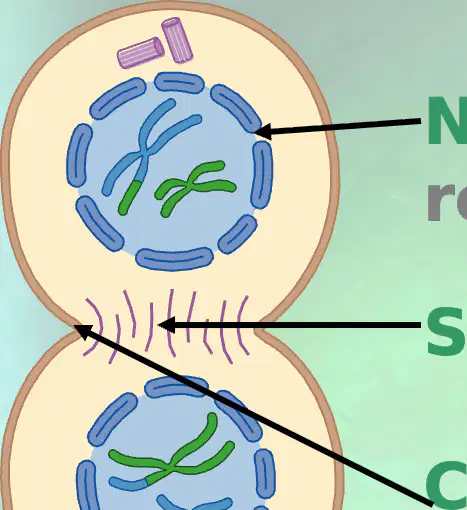
During Telophase I, nuclear envelopes ________.
reassemble
disintegrate
remain unchanged
condense
What happens to the spindle during Telophase I?
It forms
It disappears
It divides
It shortens
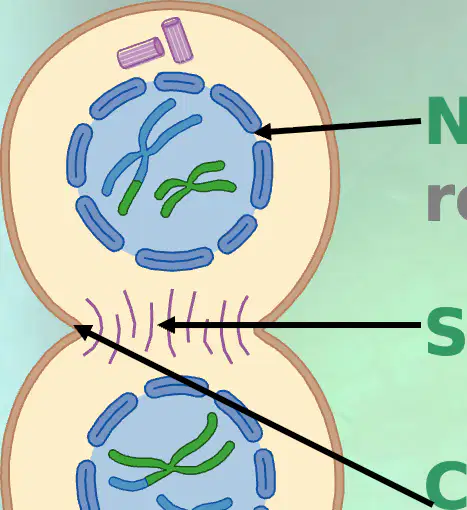
Cytokinesis divides the cell into ______.
two
four
eight
one

What is present in the cell after Meiosis II?
Two homologs of each chromosome
Only one homolog of each chromosome
No chromosomes
Four homologs of each chromosome

Sister chromatids carry identical genetic information.
True
False
Meiosis II produces gametes with ________ copy of each chromosome and thus one copy of each gene.
one
two
three
four
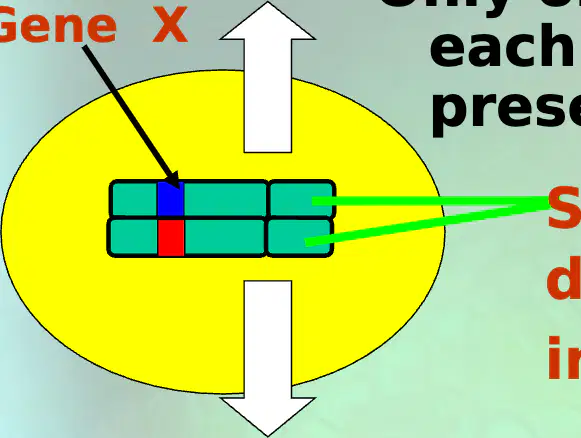
In the diagram, what is labeled as 'Gene X'? A specific region on the chromosome is labeled as 'Gene X'.
A specific region on the chromosome
The entire chromosome
A protein molecule
A cell nucleus
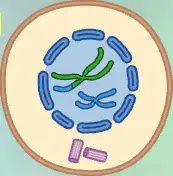
What is the first stage of Meiosis II?
Metaphase II
Prophase II
Anaphase II
Telophase II

During which stage do chromosomes align at the center of the cell?
Prophase II
Metaphase II
Anaphase II
Telophase II
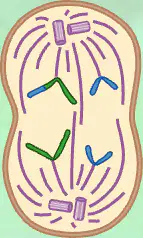
In which stage are sister chromatids separated and pulled to opposite poles?
Prophase II
Metaphase II
Anaphase II
Telophase II

What is the final result of Meiosis II?
4 genetically different haploid cells
2 identical diploid cells
4 genetically identical diploid cells
2 genetically different haploid cells

Refer to the diagram of Meiosis II: Reducing Chromosome Number. Which stage is characterized by the formation of two new nuclei?
Prophase II
Metaphase II
Anaphase II
Telophase II

