
 Worksheets
Properties of Stars
Total questions: 40
Worksheet time: 3600secs
Which color are the hottest stars?
blue
orange
red
yellow
Which property of a star is closely related to its temperature?
brightness
color
composition
size

In comparison to other stars in the sky, the Sun appears brighter because it is–
Bigger
Smaller
Nearer
Further


The chart below displays the names of different stars and their colors. Which of the groups below best orders the stars from hottest to coolest?
A. Antares, Spica, Sun, Aldebaran
B. Sun, Spica, Antares, Aldebaran
C. Spica, Sun, Aldebaran, Antares
D. Antares, Aldebaran, Sun, Spica
apparent magnitude
____________are areas of gas on the sun that are cooler than the gas around them.
Solar Wind
Solar Flares
Sunspots
Core


One physical property of a star is apparent magnitude. Which of the following is used in determining the apparent magnitude of a star?
the constellation the star is in
the distance the star is from Earth
the number of times the star rotates
the number of prominences the star makes
One physical property of a star is absolute brightness. Which of the following is used in determining the absolute brightness of a star?
how bright the star actually is
how bright the star appears to be from the Earth
the number of prominences the star makes
the direction the star rotates
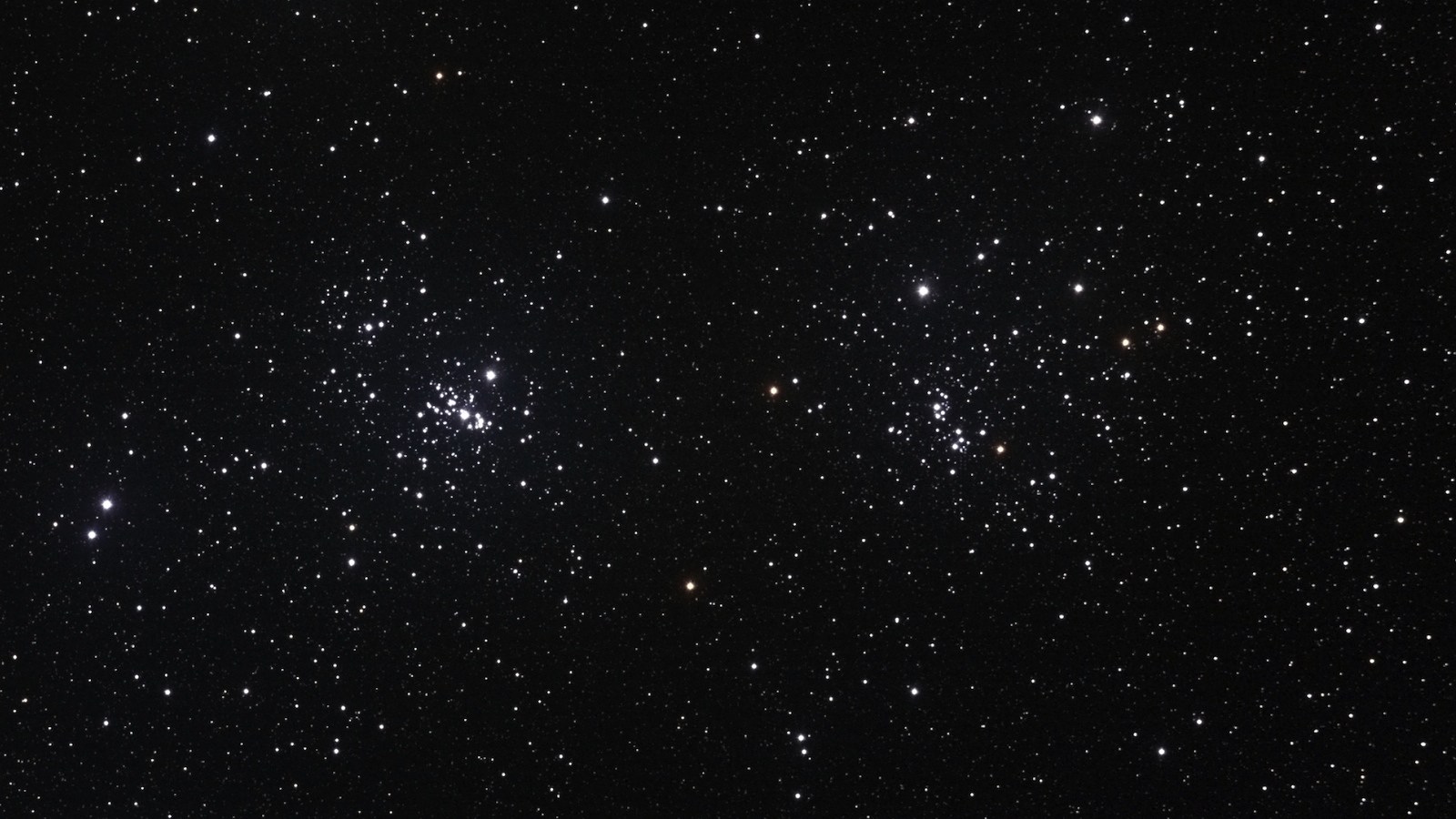

Stars that are very bright, large & burn at the highest temperature
Blue Giant stars
Red Giant
White dwarves
Proton stars

Which star is the coldest?
Yellow Star
Red Star
Orange Star
Blue Star


What is the Hertzsprung-Russel Diagram?
A map which tells the approximate location of stars in the Milky Way galaxy and their distance from Earth.
A table that alphabetically lists stars by name and includes dates of when the star was first charted.
A chart which organizes stars into categories based on the amount of Hydrogen they burn.
A graph used to classify stars according to their luminosity, color, temperature, and stage.

Which category is our Sun located in?
White Dwarfs
Supergiants
Main Sequence
Giants

What number on the diagram represents the convection zone in a star?
9
4
3
2

What is this
Prominence
Sunspot
Core
Solar Flare

Which of the following correctly describes the rotation of the Sun?
All parts of the Sun rotate together.
The Sun rotates faster at its equator than at its pole.
The Sun rotates slower at its equator than at its pole.
The Sun does not rotate at all.

The H-R diagram classifies stars based on what factors?
Temperature and luminosity
Number of planets
What constellation they're in
Temperature and fusion

Compared to a red giant star, a blue supergiant is...
Hotter and brighter
Hotter and not as bright
Colder and brighter
Colder and not as bright

Compared to a white dwarf, a red supergiant is...
Hotter and brighter
Hotter and not as bright
Colder and brighter
Colder and not as bright

Our sun is yellow. A star colder than our sun would be...
Red
Yellow
White
Blue

Stars that are brighter are usually...
Hotter
Bigger
More massive
Smaller


#2 Radiative zone

Alpha Centauri A is a star that is larger than the Sun, yet it appears much less bright. Which of the following is the best explanation for this?
The difference in brightness is due to the distance of the Sun and Alpha Centauri A from Earth
The smaller a star the brighter it appears
The older the star the brighter it appears
The larger the star always appears to be brighter

The moon is closer to Earth than the stars
During science class, Ava and Justin were discussing the speed of the Sun’s rotation, and debating over which model would best illustrate the different speeds in each zone. As they were reviewing the different models, they noticed that the more arrow heads in a region showed a greater speed. Which model below best represents how the Sun's rotational pattern?


Look at the diagram. Which of the following statements accurately describes one of the stars in the HR diagram?
Star A is the brightest star.
Star B is a red star.
Star C is the dimmest star.
Star D is the hottest star.

Look at the diagram. Which solar property is represented at number nine?
core
flare
sunspot
prominence

