
 Worksheets
MTL2 Science Learner Outcome 6
Total questions: 12
Worksheet time: 6mins
What part of the atom is responsible for holding the nucleus together?
Electrons
Protons
Neutrons
Ions
What is the main difference between Direct Current (DC) and Alternating Current (AC)?
DC changes direction; AC flows in one direction
AC changes direction; DC flows in one direction
DC is used in homes; AC is used in batteries
AC is stored in cells; DC is generated at power stations
What does voltage represent in an electrical circuit?
The resistance to electron flow
The number of electrons in the circuit
The pressure or push that causes current to flow
The size of the conductor
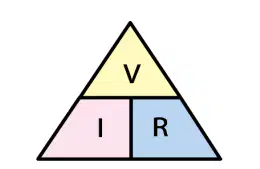
According to Ohm’s Law, how is voltage calculated?
Voltage = Current ÷ Resistance
Voltage = Current × Resistance
Voltage = Resistance ÷ Current
Voltage = Power × Current
What is the SI unit used to measure electrical current?
Volt
Ohm
Watt
Ampere
What does Ohm’s Law state?
Voltage is equal to current multiplied by power
Current is equal to voltage divided by resistance
Resistance is equal to power divided by voltage
Power is equal to current divided by resistance
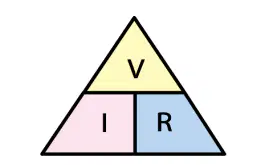
Which formula correctly calculates voltage using Ohm’s Law?
V = I + R
V = P / I
V = I x R
V = R / I
In a series circuit, what happens if one lamp fails?
Only the failed lamp stops working
The brightness of the other lamps increases
The entire circuit stops working
The voltage increases across the remaining lamps
Why is earthing important in electrical installations?
To increase the voltage in the circuit
To prevent overheating of wires
To safely carry fault current to earth and prevent electric shock
To reduce the brightness of electrical appliances
What happens when a fault occurs and current flows through the earth cable?
The circuit continues to operate normally
The fuse or RCD trips, disconnecting the supply
The voltage increases across the circuit
The resistance in the circuit drops to zero
What colour is the earth cable in domestic electrical installations?
Blue
Brown
Green and yellow
Black
What is the purpose of equipotential bonding in a property?
To increase the current flow
To ensure all metal fittings have the same electrical potential
To reduce the voltage across the circuit
To isolate faulty appliances

