
 Worksheets
Ch. 2 Exam
Total questions: 35
Worksheet time: 54mins
Match the plane with its correct description:
Divides the body into anterior and posterior
Coronal Plane
Divides the body into the right and left
Midsagittal Plane
Divides the body into superior and inferior
Horizontal Plane
The level of organization in the body from largest to smallest is
cells, tissues, organ systems, organs, and body
cells, tissues, organs, organ systems, and body
body, organ systems, organs, tissues, and cells
body, organs, organ systems, tissues, and cells
Liver, pancreas, and the gallbladder are all accessory organs of the __________ system
endocrine
integumentary
digestive
musculoskeletal
Food mixes with ______ and other gastric juices to form a liquid mixture called chyme
a) hydrochloric acid
b) bile
c) saliva
d) insulin
The kidneys are responsible for ___ (Choose any that apply).
filtering toxins
pumping blood
homeostasis
heterostasis
blood pressure
Ventral means
study of the abdomen
study of the belly
pertaining to visceral organs
pertaining to the belly (side)
Caudal means
pertaining to the back
pertaining to the tail
pertaining to the spine
pertaining to the head
Match the following organs with their respective functions:
stores and releases glucose in times of need
liver
produces glucose
pancreas
filtering out old RBC
spleen
maintains BP and removes wastes
kidneys
temporary storage place for food
stomach
Match the following organs with their respective locations:
midline structure
bladder
right lower quadrant
appendix
right upper quadrant
kidney
all quadrants
large intestine
left lower quadrant
L. ovary
Correctly match the following body systems with their respective functions
endocrine
integrates all body functions
musculoskeletal
covers your tendons, bones, blood vessel
circulatory
transports nutrients, oxygen, and waste
immune
defends against protozoa and carcinogens
reproductive
produces new life
Correctly match the following body systems with their respective functions
nervous
coordinates the reception of stimuli
pulmonary
brings in O2 and removes CO2
integumentary
regulates water content
gastrointestinal
absorbs nutrients and eliminates wastes
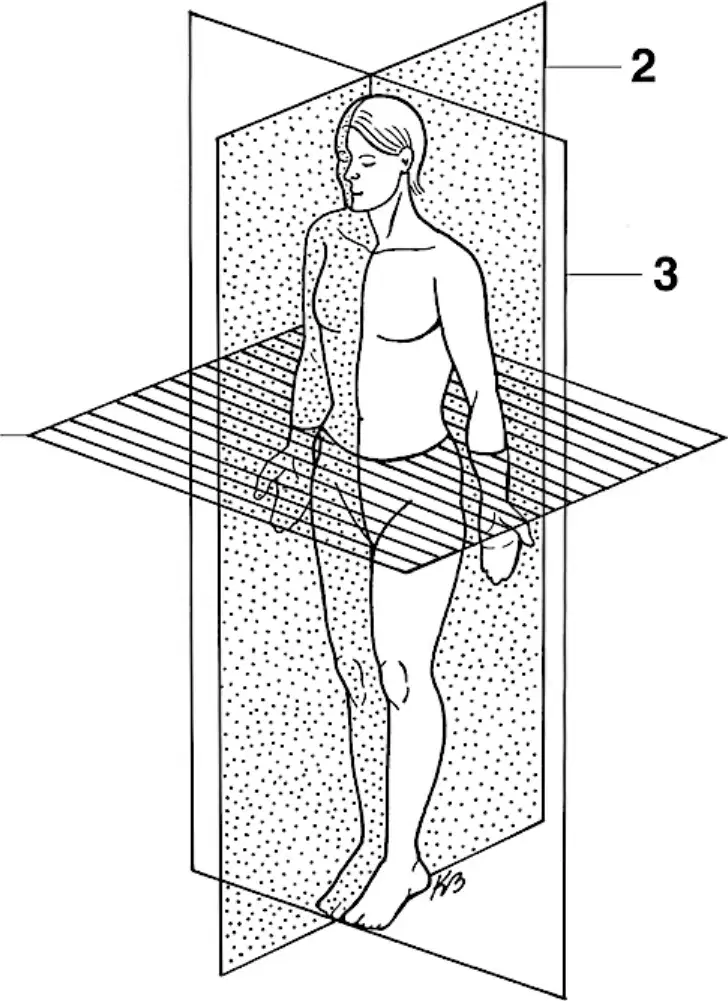
In the diagram shown, what does number 1 depict (section with the lines)?
transverse plane
horizontal plane
coronal plane
midsagittal plane
median plane
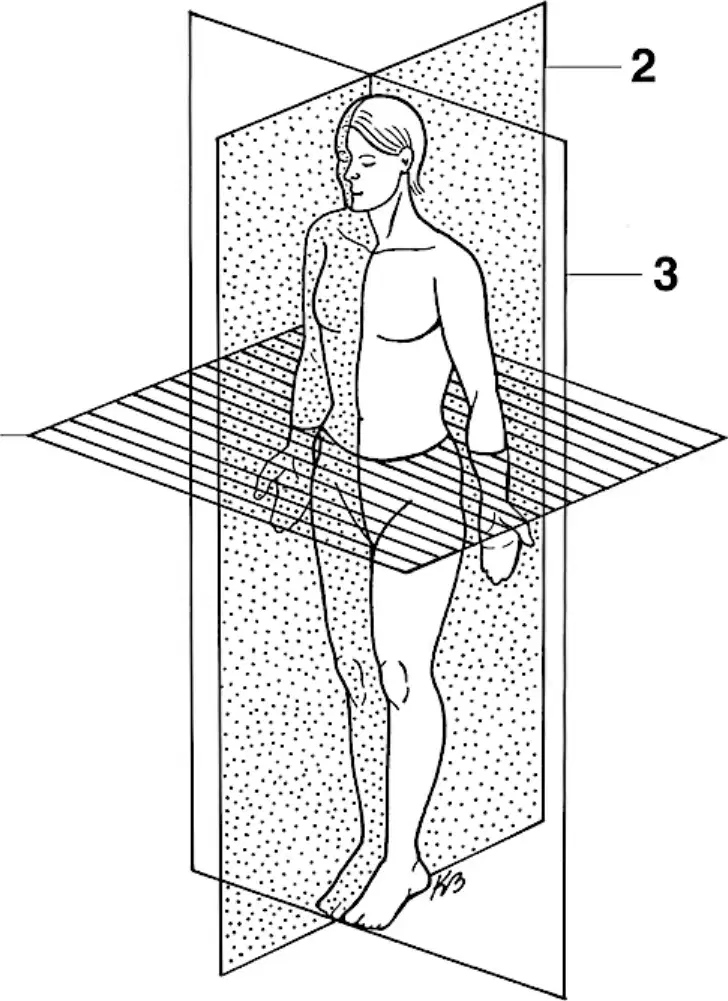
In the diagram shown, what does number 2 depict (section with the dots)?
sagittal plane
coronal plane
frontal plane
transverse plane
horizontal plane
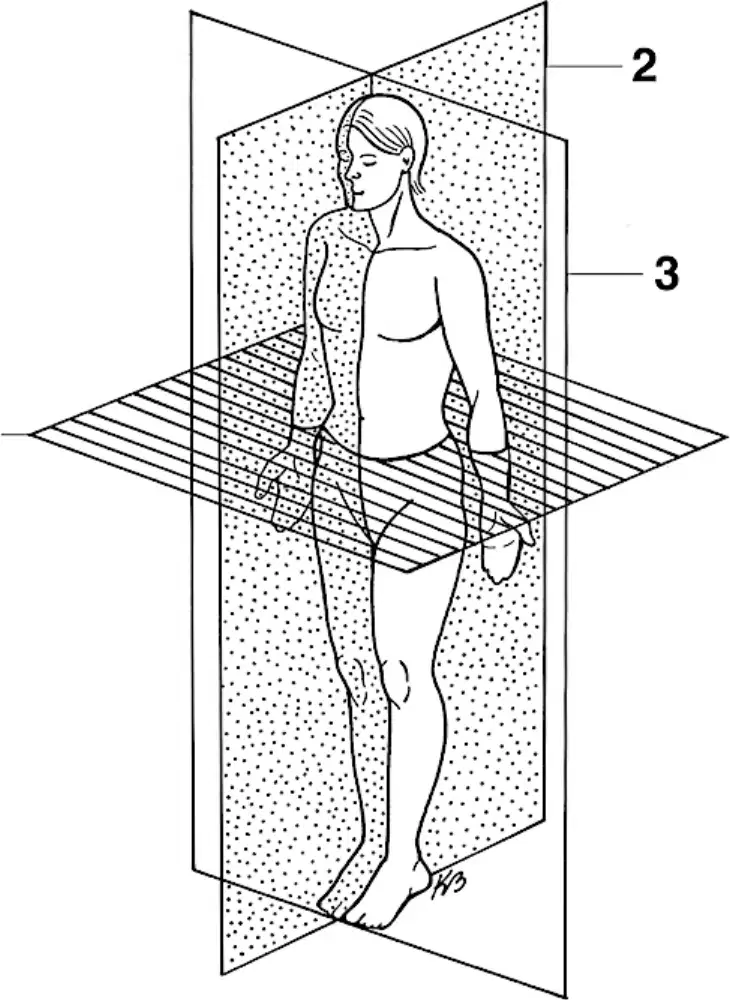
In the diagram shown, what does number 3 depict?
coronal plane
horizontal plane
sagittal plane
midsagittal plane
frontal plane
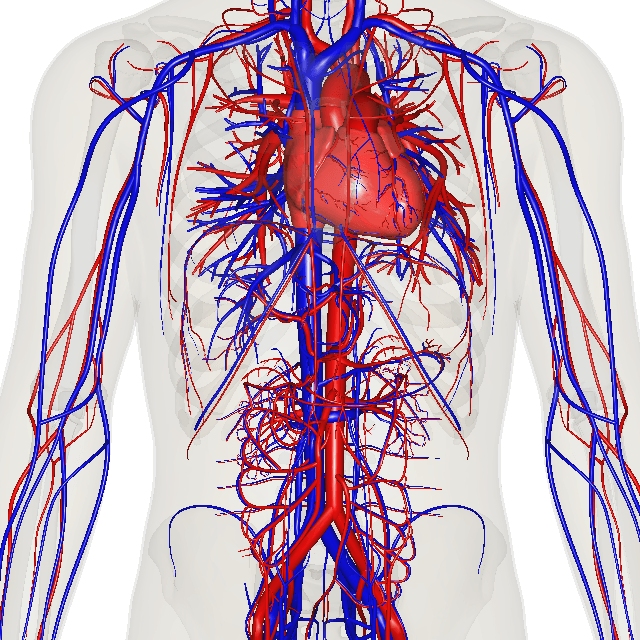
Distal
Away from the trunk
Proximal
Closer to the trunk
Medial
Closer to the midline of the body
Lateral
Away from the midline of the body
Superior
Above, towards the head
Inferior
Below, towards the feet
Posterior
Toward the back of the body
The knees are (a) to the waist.
The table below shows two human body systems. Place the two correct organs that complete the table.


The RED arrow is pointing to the ________side of the leg
anterior
posterior

The right shoulder is ______ to the sternum. (see pic for sternum)
medial
proximal
distal
lateral

The clavicle is _____ compared to the cranium
Superior
Distal
Medial
Lateral
Match the following organs to their organ system
Femur
Skeletal
Stomach
Digestive
Lungs
Respiratory
Heart
Cardiovascular
Brain
Nervous
An organ system is a collection of:
cells that perform the same function
tissues that perform the same function
organisms that work together
organs that work together
Which organ(s) is/are absolutely necessary to survival
both kidneys
gallbladder
liver
spleen
(a) - A group of Cells
(b) - The building block of life
(c) - A group of similar organs
(d) - A group of tissue with a specific function
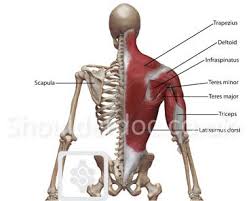
Explain what the hardest topic was in this chapter to learn and why.
A 16-year-old patient is diagnosed with mononucleosis, a viral infection. The physician explains that the body is producing special white blood cells to fight the infection. Which system is primarily at work?
immune
renal
digestive
cardiovascular
integumentary
A burn victim arrives at the ER with significant damage to the outer layer of the body that normally protects deeper tissues and prevents infection. Which system has been injured?
skeletal
muscular
integumentary
lymphatic
respiratory
A 52-year-old patient presents with frequent urination, excessive thirst, and unexplained weight loss. Lab results reveal elevated blood glucose and low insulin levels. The physician explains that this condition results from dysfunction of a system that uses chemical messengers to regulate metabolism, growth, and other vital processes across the body. Which system is primarily impaired in this case?
cardiovascular
digestive
hematic
immune
endocrine
A football player suffers a concussion and has delayed reaction times when asked to follow moving objects with his eyes. This indicates a disruption in the system that processes and transmits information. Which system is involved?
(a)
A patient presents after a motor vehicle accident with pain in the abdomen and signs of internal bleeding. Imaging reveals a ruptured organ that normally filters blood and recycles red blood cells. In which quadrant is this organ found?
LUQ
RUQ
RLQ
LLQ
None, because that type of organ does not exist
A 70-year-old man with emphysema cannot efficiently expel carbon dioxide, leading to respiratory acidosis. This condition demonstrates dysfunction in which system?
(a)

