
 Worksheets
#1 Solar System Practice (Multiple Choice)
Total questions: 20
Worksheet time: 10mins
Name
Class
Date
1.
What force holds our solar system together?
a)
Magnetic fields
b)
The Sun's gravity
c)
Atmospheric pressure
d)
Electromagnetic radiation
2.
What is an astronomical unit (AU)?
a)
The distance between Mars and Jupiter
b)
The time it takes Earth to orbit the Sun
c)
The average distance between Earth and the Sun
d)
The diameter of the Sun
3.

Which planet is NOT considered an inner planet?
a)
Mars
b)
Jupiter
c)
Venus
d)
Mercury
4.
What defines a planet?
a)
Any object that orbits the Sun and has moons
b)
A round object in space that has an atmosphere
c)
An object that orbits the Sun and has cleared its orbital path
d)
Any celestial body larger than Earth's moon
5.
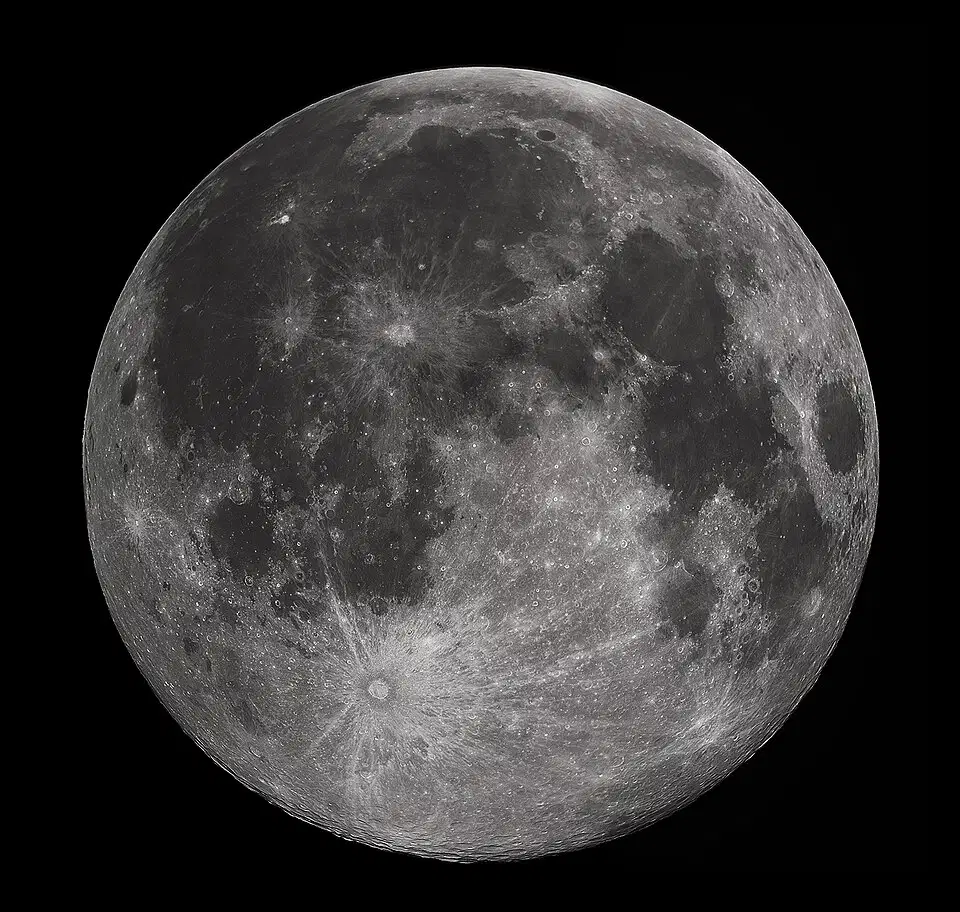
What is a moon?
a)
Any round object in space
b)
A star that orbits a planet
c)
An artificial satellite
d)
A natural object that orbits a planet
6.

What is an asteroid?
a)
A small, rocky or metallic body in the inner solar system
b)
A planet that lost its atmosphere
c)
A star that has burned out
d)
A collection of space dust
7.
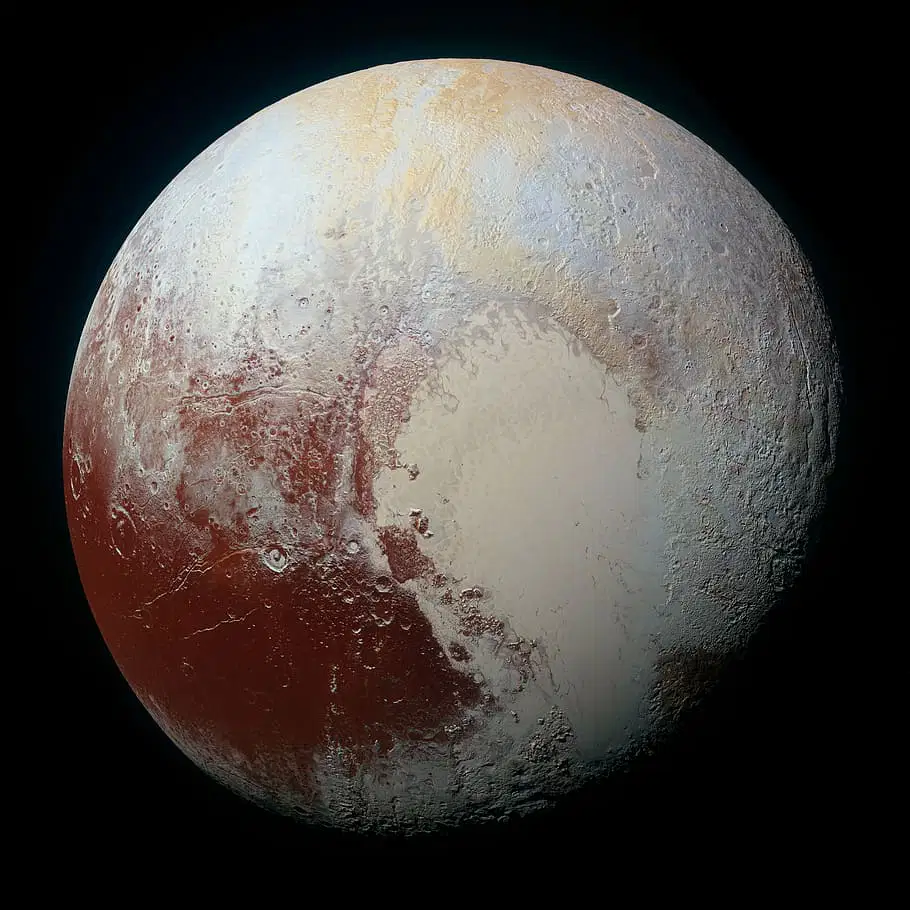
How is a dwarf planet different from a regular planet?
a)
It has no moons
b)
It hasn't cleared its orbital path
c)
It's made of gas
d)
It doesn't orbit the Sun
8.
What happens to a meteor that reaches Earth's surface?
a)
It burns up completely
b)
It becomes a comet
c)
It becomes a meteorite
d)
It turns into gas
9.
What characterizes the outer planets?
a)
They are small and rocky
b)
They have no atmospheres
c)
They are mostly made of ice and gas
d)
They have no moons
10.
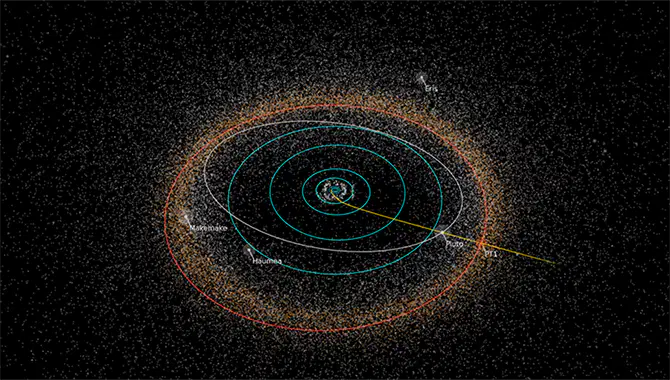
Where is the Kuiper belt located?
a)
Between Mars and Jupiter
b)
Inside Mercury's orbit
c)
30 to 50 AU from the Sun
d)
Near Earth's moon
11.

What is a comet primarily made of?
a)
Metal and rock
b)
Pure hydrogen
c)
Ice and rock
d)
Dense gases
12.

What is unique about the Oort cloud?
a)
It's the closest region to the Sun
b)
It forms a sphere around the solar system
c)
It contains only planets
d)
It's between Mars and Jupiter
13.
What is orbital period?
a)
The distance between planets
b)
The time to rotate once
c)
The temperature of a planet
d)
The time to complete one orbit around the Sun
14.
Which technology allows us to study space from outside Earth's atmosphere?
a)
Radio telescopes
b)
Microscopes
c)
Space telescopes
d)
Weather balloons
15.
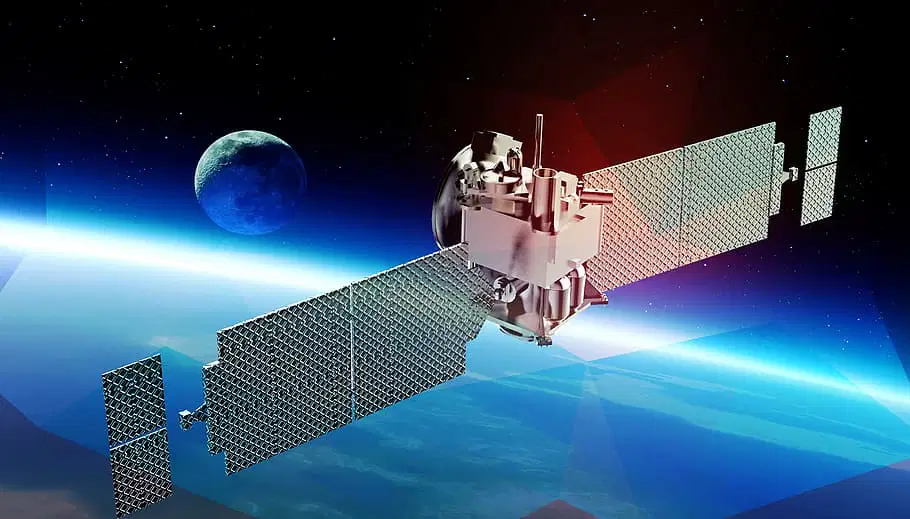
What is a space probe?
a)
A manned spacecraft
b)
An unmanned craft collecting data in space
c)
A satellite orbiting Earth
d)
A telescope in space
16.
What interferes with electromagnetic radiation from space?
a)
The Moon
b)
Other planets
c)
Earth's atmosphere
d)
Solar wind
17.
What type of planets have thick atmospheres and many moons?
a)
Inner planets
b)
Dwarf planets
c)
Outer planets
d)
Terrestrial planets
18.
What objects are found in the Kuiper belt?
a)
Only asteroids
b)
Comets, dwarf planets, and icy objects
c)
Living organisms
d)
Hot gases
19.

What do optical telescopes use to collect light?
a)
Radio waves
b)
Magnetic fields
c)
Lenses and mirrors
d)
Solar panels
20.
What is the main difference between a planet and a dwarf planet?
a)
Size only
b)
Distance from the Sun
c)
Orbital path clearance
d)
Number of moons
100 %

