
Font size
 Worksheets
Macromolecule Practice
Total questions: 25
Worksheet time: 14mins
What is the common ratio of elements in carbohydrates?
1:2:1
2:1:2
1:1:2
2:2:1
What type of carbohydrate is glucose?
Monosaccharide
Disaccharide
Polysaccharide
Oligosaccharide
What elements are lipids primarily made of?
Nitrogen, Oxygen, Phosphorus
Carbon, Hydrogen, Oxygen
Sulfur, Calcium, Potassium
Iron, Magnesium, Zinc
Which of the following is a source of unsaturated fats?
Butter
Olive oil
Lard
Cheese
What type of fats are found in fish and plant sources?
Saturated fats
Trans fats
Unsaturated fats
Hydrogenated fats
What is a key structural difference between saturated and unsaturated fatty acids?
Saturated fatty acids have a double bond.
Unsaturated fatty acids have a double bond.
Both have double bonds.
Neither have double bonds.
What role do enzymes play in the body?
Transport nutrients
Speed up chemical reactions
Fight infections
Store energy
What are the monomers of proteins?
Nucleotides
Amino Acids
Monosaccharides
Fatty Acids
Why is the shape of a protein important?
It determines the protein's color
It is important for the protein's function
It affects the protein's weight
It changes the protein's temperature
How many amino acids are there in total?
9
20
4
1
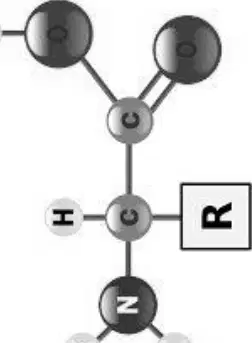
Which part of the amino acid structure is different for each amino acid?
Amino group
Central carbon
R group
Carboxyl
What type of bond holds amino acids together in a protein?
Hydrogen bond
Ionic bond
Peptide bond
Covalent bond
What is the primary function of nucleic acids?
Store energy
Transmit genetic information
Provide structural support
Catalyze chemical reactions
Which of the following is a type of nucleic acid?
Protein
Lipid
DNA
Carbohydrate
Which elements are primarily found in nucleic acids?
C, H, O, N, and P
C, H, O, and S
C, H, O, and N
C, H, O, and Cl
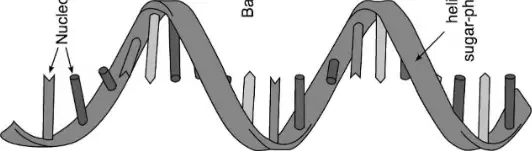
What is the structure of RNA?
Double helix
Single strand
Triple strand
Quadruple strand
Nucleic acids make up which of the two molecules listed below?
RNA
FDA
DNA
RDA
Which of the following is an example of carbohydrates?
Steak
Olive oil
Bread
DNA
A __________________ is a large molecule made of many small ones.
Monomer
Dissacharide
Polymer
Sugar
Which of the following elements are found in all macromolecules?


How how carbohydrates and lipids similar?
both contain C, H, O, N, P and store energy
both contain C, H, O, N and give energy
both contain C, H, O, N, S and store energy
both contain C, H, O and give energy
What is the function of proteins?
Main source of energy.
Energy storage, protection, waterproofing and insulation
Store and transmit genetic information.
Control rates of reactions and form muscles and bones.

