
 Worksheets
Introduction to Cardio exam 1 Therapeutics
Total questions: 66
Worksheet time: 34mins
at the SA/AV nodes: during Phase 0 , which electrolyte goes in?
Na+ goes in
Ca++ goes in
at the SA/AV nodes: during Phase 3, name the electrolyte and the direction ?
Ca++ out
K+ out
at the SA/AV nodes: during Phase 4, name the electrolyte and the direction ?
Ca++ in
Na+ in ( via funny current)
why doesn't the SA/AV nodes not have a phase 1 or 2 compared to Atria and ventricles?
they are special
they do not have to contract
step 1: SA node tells..............to contract
ventricles
atria
bundle of his
step 2: signals goes to
bundle of his
AV node
step 3: AV node tells .........to contract
bundle of his
atria
ventricles
step 4: signal goes from AV node to
bundle of his
atria
ventricles
SA node
step 5: signal goes from bundle of his to
bundle branches
purkinje fibers
SA node
where is the location of the SA node( only one that triggers both atrial contraction)
Left atrium
Right atrium
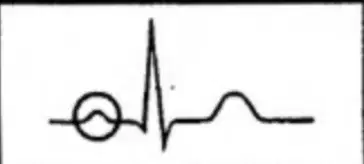
Pwave represents
Ventricular Depolarization
Atrial depolarization
Delay at AV node
Ventricular depolarization
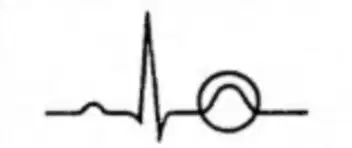
T-wave represents
Ventricular Depolarization
Atrial depolarization
Delay at AV node
Ventricular repolarization
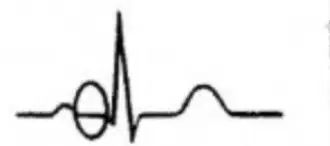
PR segment represents
Ventricular Depolarization
Atrial depolarization
Delay at AV node
Ventricular depolarization
Ventricular repolarization
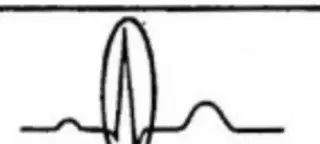
QRS complex
Ventricular Depolarization
Atrial depolarization
Delay at AV node
Ventricular depolarization
Ventricular repolarization
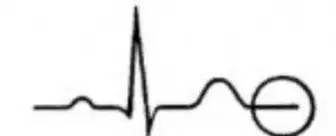
Isoelectric line means
Ventricular Depolarization
no conductivity
Delay at AV node
Ventricular repolarization
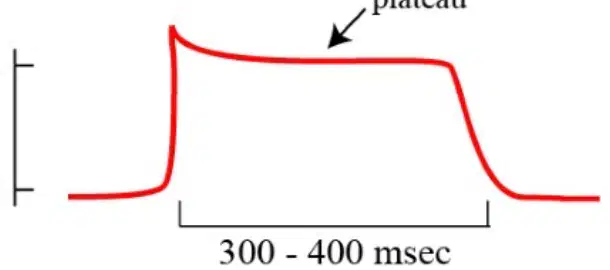
phase 0 for ventricles
Ca++ in
fast Na+ in
K+ out
phase 1 for ventricles
Ca++ in
fast Na+ in
slow K+ out
phase 2 for ventricles( platau)
slow Ca++ in
fast Na+ in
slow K+ out
phase 3 for ventricles( repolarization)
slow Ca++ in
fast Na+ in
K+ out
phase 4
slow Ca++ in
fast Na+ in
K+ out
resting membrane potential
atrial phase 2 is narrow due to
lower Na+ influx
lower Ca++ influx
lower K++ efflux

atrial phase 3 is more gradual due to
lower Na+ influx
lower Ca++ influx
lower K++ efflux
ARP( absolute refractory period)
local , weeak response to stimulus
nothing can be triggered
large stimulus may propagate a response
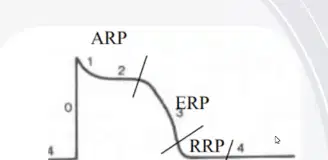
ERP(effective refractory period)
local , weeak response to stimulus
nothing can be triggered
large stimulus may propagate a response
RRP(Relative refractory period)
local , weeak response to stimulus
nothing can be triggered
large stimulus may propagate a response
what information do we obtain from EKGs
hypertrophy
infarction
axis
rate and rythm
all the above
Depolarization on T - wave can cause
cardiac flutter
cardiac arrest
if SA node or AV node are not working, what is the back up
Atria
ventricles
bundle fibers
non-pacemaker myocardial tissue fires on its own instead of waiting to be stimulated by a neighboring cell , what do you call this phenomenon
Enhanced Automaticity
cardial fluttering
ischemic phenomenon
what are some things that could lead to automaticity?
increase resting membrane potential
enhanced influx of cations in phase 4
lower depolarization threshold
increase depolarization threshold
reduce influx of cations in phase 4

Mechanism of Dysrhythmias: a sustained triggering of action potentials : this refers to
DAD
EAD
Mechanism of Dysrhythmias: a sustained triggering of action potentials : this refers to
DAD
EAD

Mechanism of Dysrhythmias: this describes conditions for .........to occur.

Re-entry
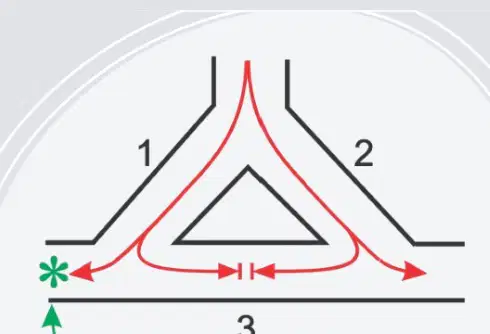
Normal
Delta wave : SA node signal goes directly to ventricles to contract, which type of mechanism of dysrhythmias is this?
AV block
Accessory pathway
Re-entry
which of the following is an example of causes for a conduction block( when conduction tissue is not excitable due to damage)
scarring, fibrosis
aschemia,
meds
age
all the above
what could cause Sinus bradycardia
Increased SNS
Increased PNS activity
decreased PNS activity
decreased SNS
<60 BPM
tachycardia
bradycardia
>100 BPM
tachycardia
bradycardia
what are some causes for Sinus Tachycardia
pain, stress, hyperthyroidism
fever
anemia, ADHF
all the above
Which medications can cause sinus tachycardia (if you stop it right away, it can even lead to ischemia) ?
SSRI
Betablockers
Premature Atrial contractions ( PACs) are
uncommon
common
A-fib ( no organized atrial contraction or normal pwaves ) is caused my many things including an ectopic beat from the
aorta
pulmonary veins
ventricles
which of the following could cause Afib?
valvular heart disease
advanced age
heart failure
COPD
all the above
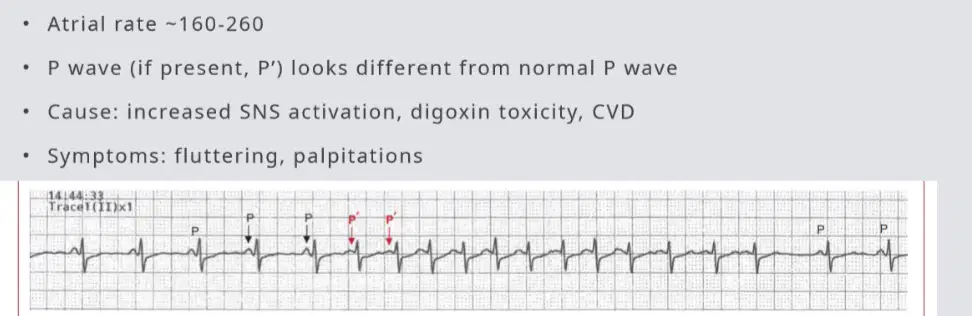
this refers to
AFIb
atrial flutter
supraventricular tachycardias
premature atrial contractions( PACs)
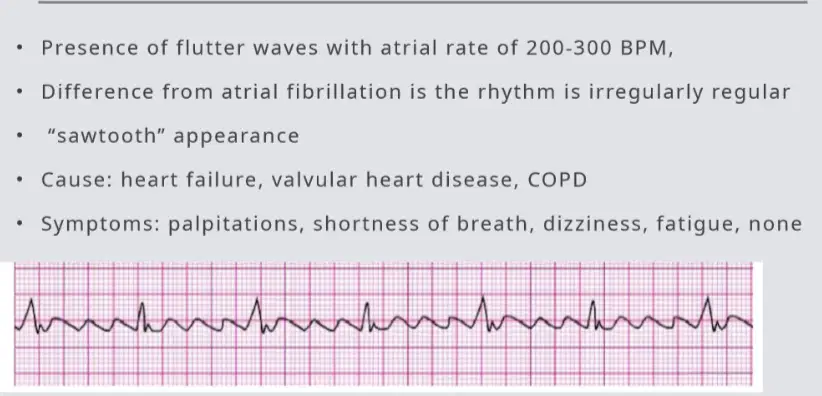
this refers to
AFIb
atrial flutter
supraventricular tachycardias
premature atrial contractions( PACs)
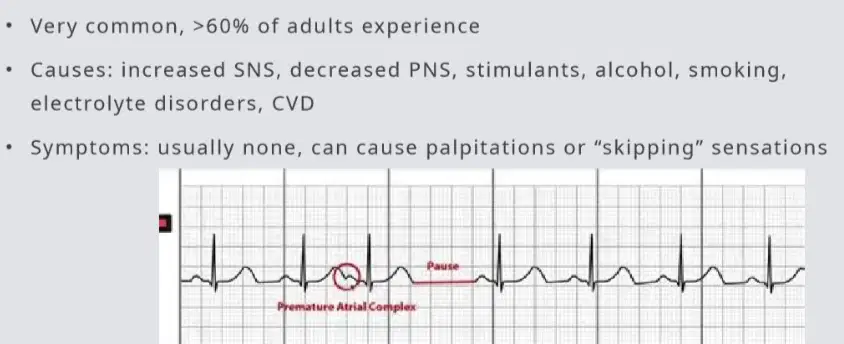
this refers to
AFIb
atrial flutter
supraventricular tachycardias
premature atrial contractions( PACs)
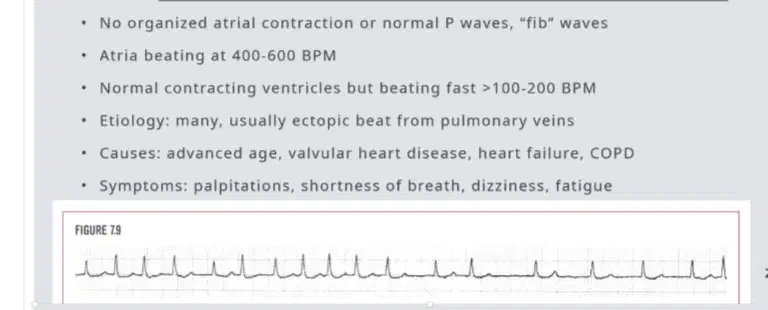
this refers to
AFIb
atrial flutter
supraventricular tachycardias
premature atrial contractions( PACs)
Wolff parkingson white syndrome is a type of
AFIb
PAC
supraventricular tachycardia( SVT)
Premature Ventricular Contractions( PVCs) are
uncommon
common
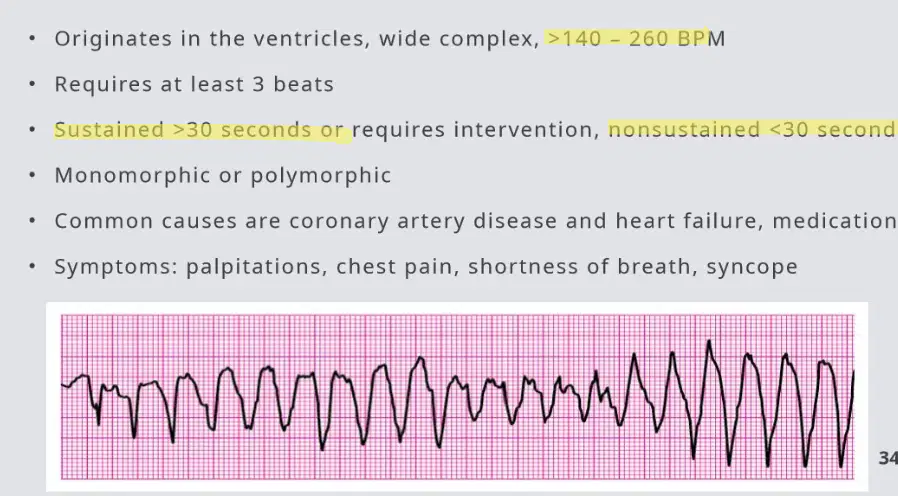
this describes
ventricular Fibrillation
Torsades de pontes
Ventricular tachycardia
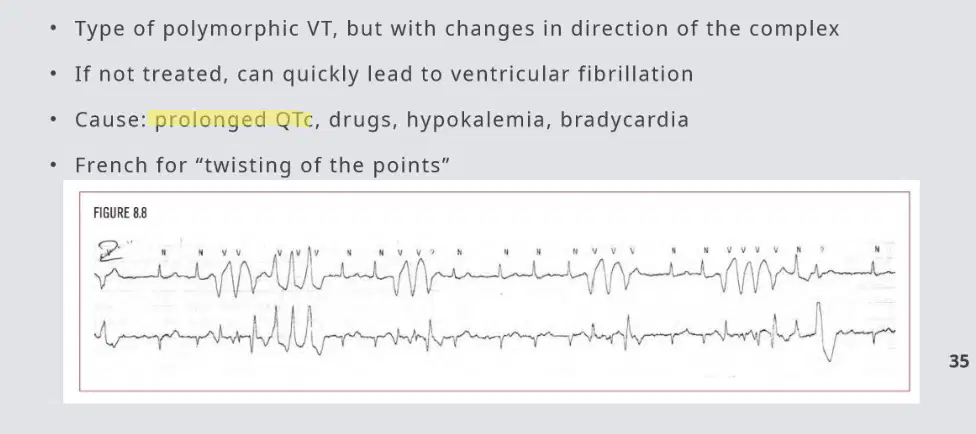
this describes
ventricular Fibrillation
Torsades de pontes
Ventricular tachycardia
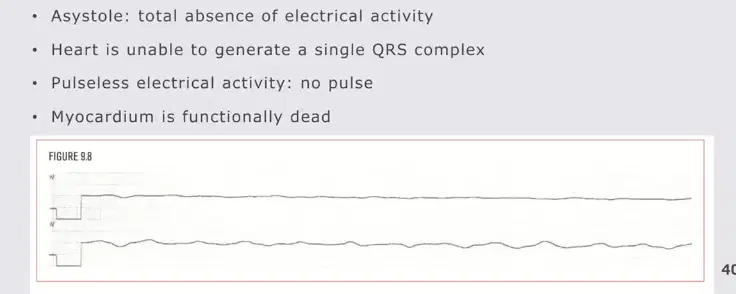
this describes
ventricular Fibrillation
Torsades de pontes
Ventricular tachycardia
Astole/PEA
this describes
ventricular Fibrillation
Torsades de pontes
Ventricular tachycardia
V-tachychardia can lead to
A-fib
V-fib
why is V-fib lethal?
atria are not contacting to pump blood
ventricles are not contracting to pump blood
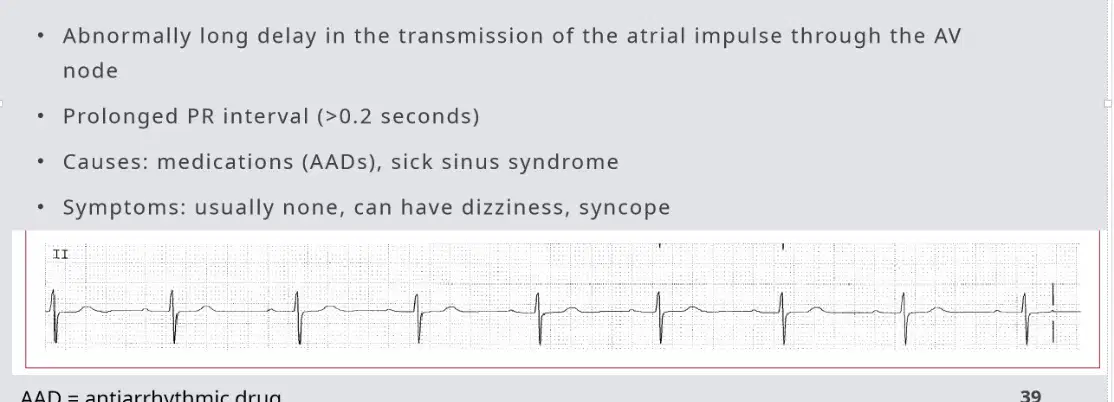
this refers to
2nd degreee AV block: mobitz type 1
vtach
Asystole/PEA
1st degree heart block
the PR interval is always the same in which type of block?
2nd degreee AV block: mobitz type 1
2nd degree AV block type 2
1st degree heart block

the PR interval is always the same in which type of block?
2nd degreee AV block: mobitz type 1
2nd degree AV block type 2
1st degree heart block
3rd degree AV block
QT must be corrected
HR
weight
height
age
Which factors impact the QT interval ?
HR & rhythm
Age
Gender
QRS duration
all the above
True or false: QT prolongation can self terminate
true
false
which of the following are reasons a patient could have QTC?
male
female
HF, brady cardia
renal / hepatic disease
diuretic use
which of the following are reasons a patient could have QTC?
hyperkalemia
DDIs
QTC prolonging meds
skinny
elderly
what are some things a pharmacist can do to correct and QTC?
discontinue meds that are not necessary/ assess for DDIs
Check prior ECGs , repeat
Assess and correct K,Mg, Ca
recommend alternatives, check renal & hepatic function , ensure drugs are dosed appropriately
all the above
all the following will earn 1 point on the CHA2DS2VASC except.....
>75
Heart failure
hypertension
Diabetes
Vascular disease MI, PAD ,aortic plaque
all the following will earn 2 points on the CHA2DS2VASC ?
>75
female
65-74
prior stroke,TIA, VTE

