
 Worksheets
Unit 2 Test
Total questions: 18
Worksheet time: 12mins
SELECT ALL the ways fire helped early people
Cooking food
Light
Heat
language development
River valleys were ideal places to start large civilizations because
It was easier to collect materials to make tools by rivers
Rivers are more safe than other locations
they had fertile soil
river valleys had water to drink and to irrigate crops
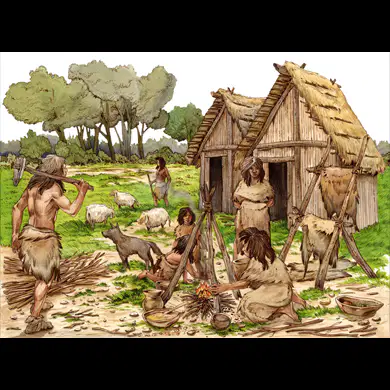
Stone tools and fire were in
Both the Paleolithic and Neolithic eras
the Paleolithic
the Neolithic
People moving from place to place to find food
Iron plow
Which two routes are most commonly suggested for the first human migration to the Americas?
Crossing the Bering land bridge
Traveling by foot through Antarctica
Sailing along the Pacific coastline
Flying in primitive aircraft
Walking across the Sahara Desert
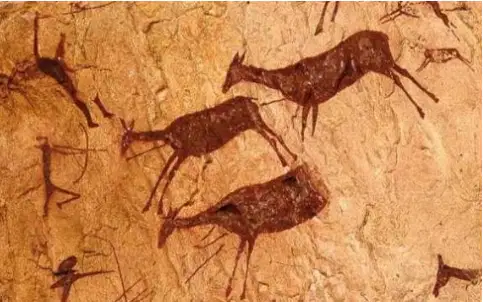
What can we learn about Paleolithic people from the images they left on cave walls?
Their favorite foods
Their artistic abilities and daily life
The names of their leaders
The exact dates they lived
Why did Paleolithic people develop tools and use fire in their daily lives?
They needed to survive in changing and sometimes harsh environments.
They wanted to build large cities and monuments.
They were trying to invent new ways to farm.
They needed to travel long distances by sea.
Which of the following contributed to the beginning of the agricultural revolution?
People started using metal tools
The climate became milder after the ice age
Humans developed complex languages
People began building large cities
How did the development of tools like spears and bows impact the daily lives of Paleolithic people?
they allowed people to build permanent homes
they improved the ability to hunt animals for food
they made it easier to grow crops
they led to the invention of pottery
Which development most contributed to the growth of permanent settlements during the Neolithic Age?
hunting large animals
making fire
farming / agriculture
using stone tools
Which of the following were significant changes brought about by the Agricultural Revolution? Select all that are correct. READ CAREFULLY
growth of permanent villages
increase in population
creation of food surpluses
emergence of new types of work
more reliable food sources
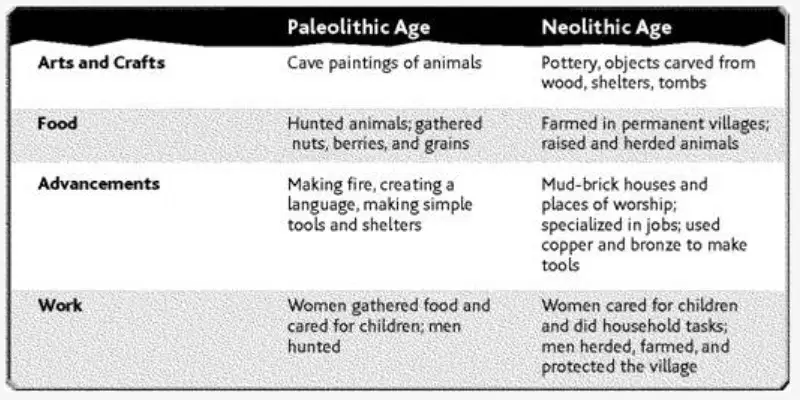
Based on the information in the chart, Paleolithic people (Old Stone Age)
Had a complex language
Domesticated animals
Made more simple shelters
farmed for food

What are the 2 different colors on the map key?
Oceans
Deserts
Glaciers
Land exposed during the Ice Age

North America had fewer resources than Asia for starting early civilizations
Match the following
the time when human beings first domesticated plants and animals and no longer relied entirely on hunting and gathering
Agricultural Revolution
Relating to the latest part of the stone age (New Stone Age
Neolithic Era
Time when glaciers covered much of the earth
Paleolithic Age
the age marked by the discovery and use of metals, particularly bronze
Bronze Age
the process of adapting wild plants and animals for human use
domesticate
Match the following
A government who's ruler, a king or queen, inherits their position
Monarchy
the act of training for a particular job
Specialization
Time when glaciers covered much of the earth
Ice Age
having more than what is needed
surplus

