
 Worksheets
Unit 2 Psychology Quiz
Total questions: 32
Worksheet time: 16mins
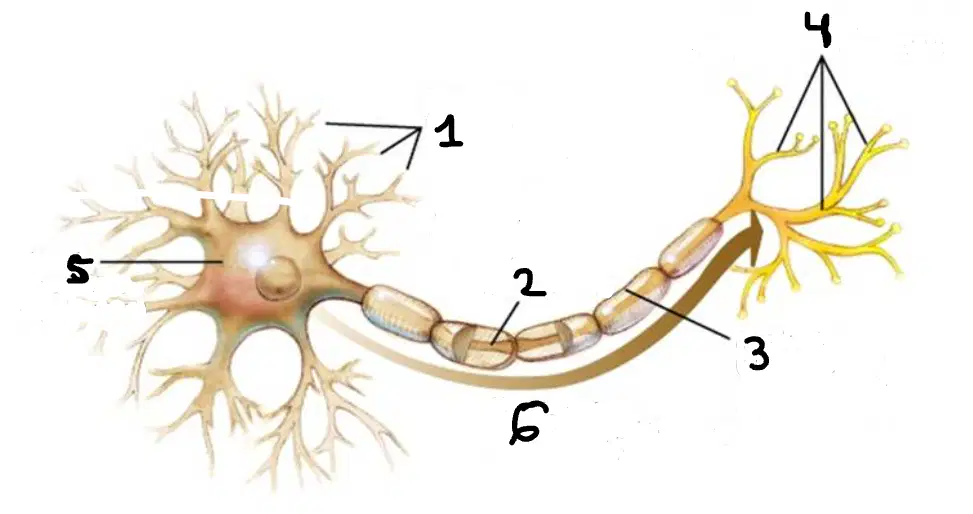
What part of the neuron is labeled 1 and what do they do?
Cell Body : The cell's life-support center and directs all the cellular processes
Dendrites : Recieves electrical messages from other nerve cells (neurons)
Myelin Sheath : Covers the axon of some neurons and helps speed neural impluses
Axon : Passes electrical messages away from the cell body to other neurons, glands, or muscles
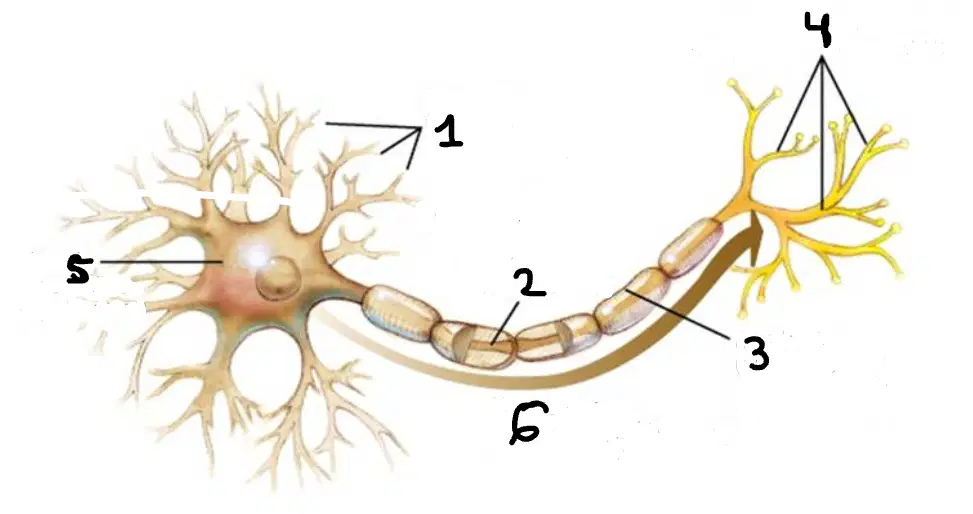
What part of the neuron is labeled 2 and what do they do?
Axon : Passes electrical messages away from the cell body to other neurons, glands, or muscles
Myelin Sheath : Covers the axon of some neurons and helps speed neural impluses
Terminal Buttons : Form junctions/bonds with other cells to release neurotransmitters
Action Potential : Electrical signal traveling down the axon
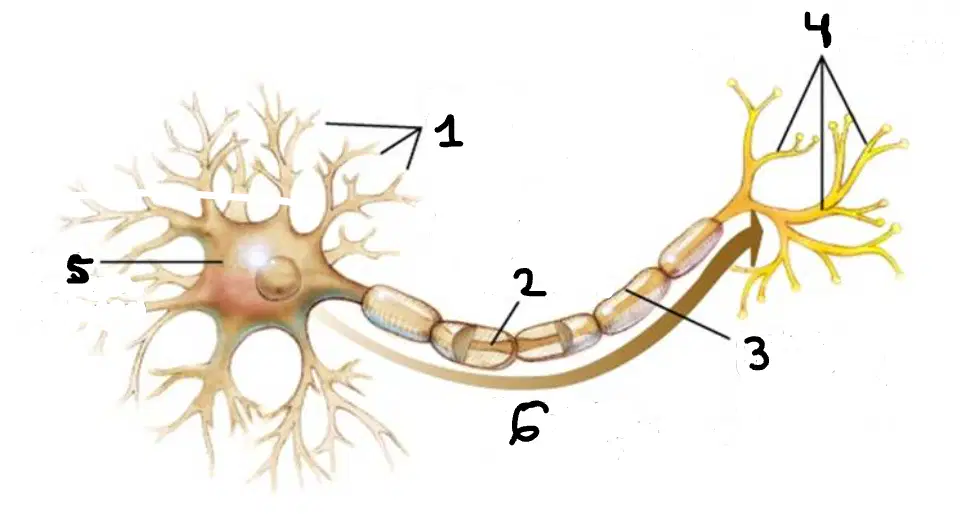
What part of the neuron is labeled 3 and what do they do?
Cell Body : The cell's life-support center and directs all the cellular processes
Terminal Buttons : Form junctions with other cells to release neurotransmitters
Dendrites : Recieves electrical messages from other nerve cells (neurons)
Myelin Sheath : Covers the axon of some neurons and helps speed neural impluses
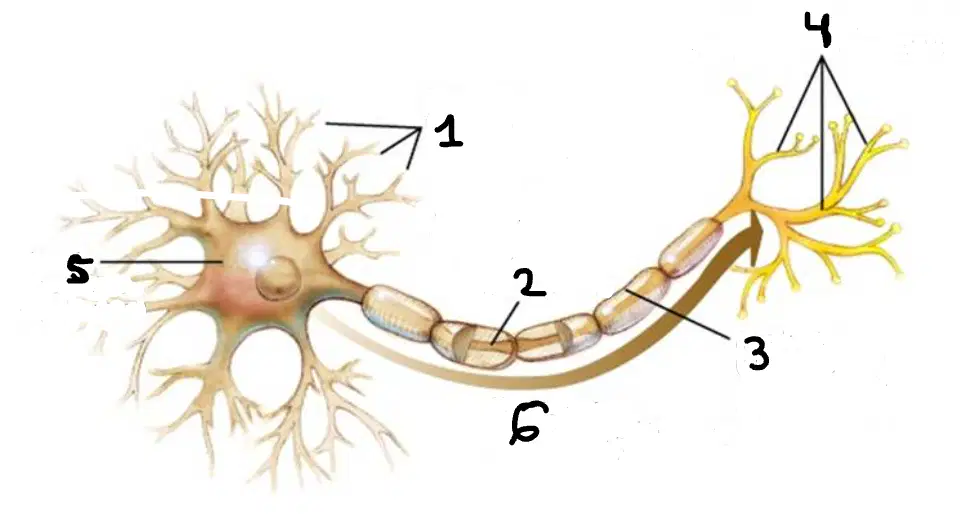
What part of the neuron is labeled 4 and what do they do?
Myelin Sheath : Covers the axon of some neurons and helps speed neural impluses
Dendrites : Recieves electrical messages from other nerve cells (neurons)
Terminal Buttons : Form junctions with other cells to release neurotransmitters
Cell Body : The cell's life-support center and directs all the cellular processes
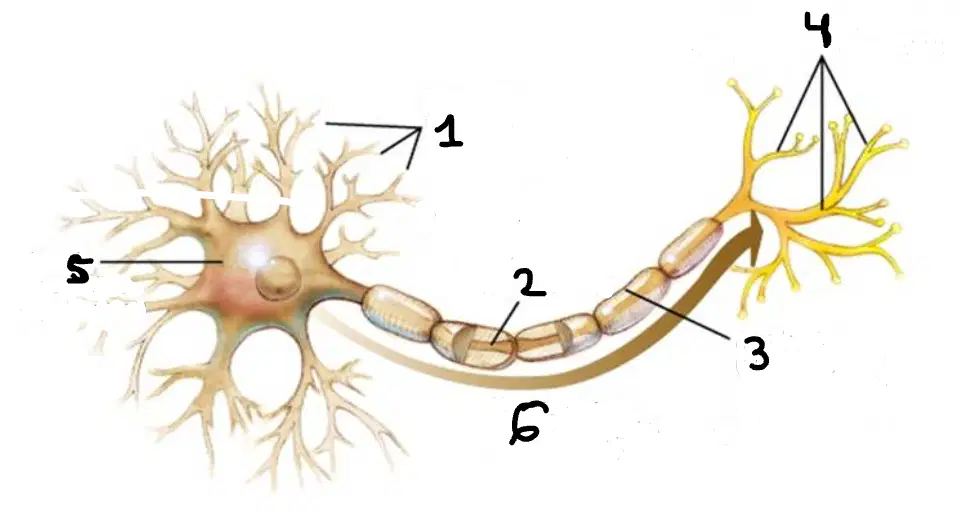
What part of the neuron is labeled 5 and what do they do?
Action Potential : Electrical signal traveling down the axon
Myelin Sheath : Covers the axon of some neurons and helps speed neural impluses
Cell Body : The cell's life-support center and directs all the cellular processes
Axon : Passes electrical messages away from the cell body to other neurons, glands, or muscles
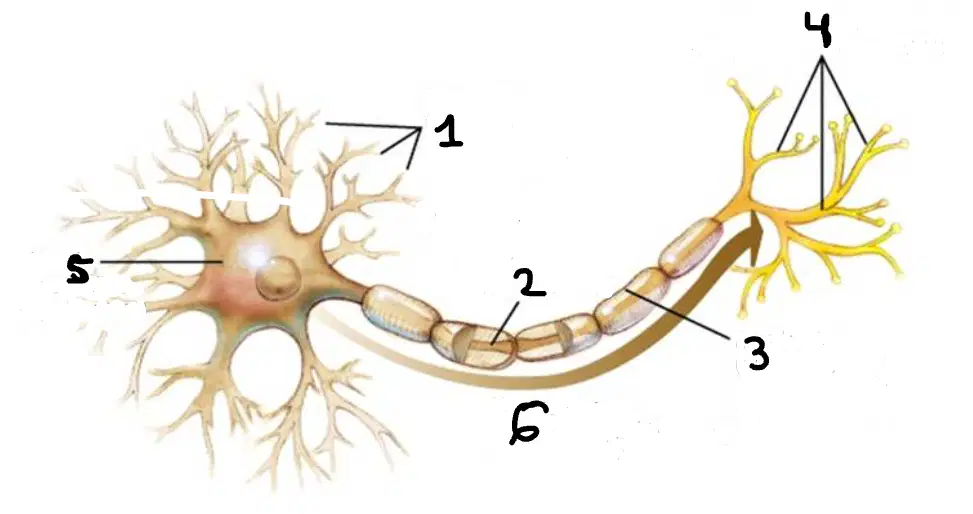
What part of the neuron is labeled 6 and what do they do?
Action Potential : Electrical signal traveling down the axon
Terminal Buttons : Form junctions with other cells to release neurotransmitters
Axon : Passes electrical messages away from the cell body to other neurons, glands, or muscles
Dendrites : Recieves electrical messages from other nerve cells (neurons)
What is the function of neurotransmitters in a neuron?
Store genetic information in neurons.
Chemical messengers that communicate with other nerve cells, muscles, or glands
Regulate blood flow in the brain.
Provide structural support to neurons.
What is the function of a synapse in a neuron?
Store genetic information in neurons.
Functional junction point where a neuron communicates with another neuron
Protect neurons from damage.
Provide energy to the neuron.
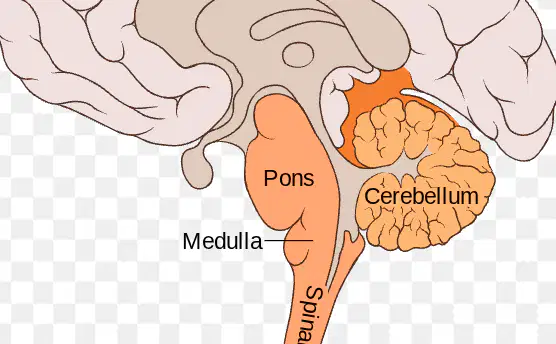
What is the function of Pons in the brain?
Controls visual processing in the brain within the brainstem
Involved in sleep, arousal, and facial recognition within the brainstem
Responsible for regulating body temperature within the brainstem
Primarily manages digestive functions within the brainstem
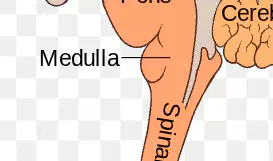
What is the function of Medulla in the brain?
Responsible for vision processing & consuming food
Controls emotional responses & behaviors to various stimuli
Involved in the control of heart rate, blood pressure, & breathing (autonamic functions)
Regulates muscle movement & motor coordination in the body
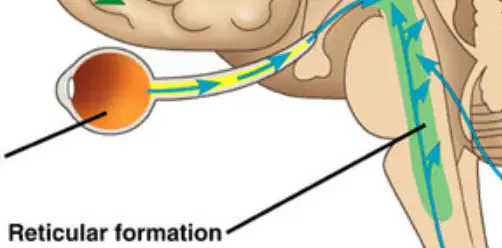
What is the function of Reticular Formation in the brain?
Processes visual information & sends to the other parts of the brain
Controls heart rate & blood pressure
Regulates arousal & the ability to focus attention.
Regulates digestive functions with eating foods.
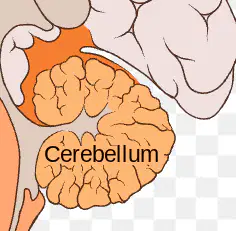
What is the function of the Cerebellum in the brain?
Coordinates voluntary muscle movements & balance/coordination
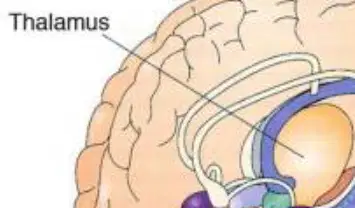
What is the function of the Thalamus in the brain?
Processing emotional responses, especially fear and aggression
Receives all sensory information (vision, touch, taste, hearing) & sends them to areas of forebrain
Regulating hunger, thirst, body temperature, and the production of hormones
Controlling the body's balance and coordinating voluntary movements
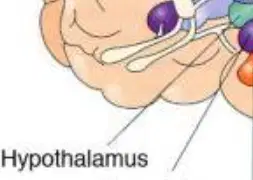
What is the function of the Hypothalamus in the brain?
Regulating hunger, body temperature, sexual arousal & production of hormones
Controls voluntary muscle movements and coordination
Primary center for processing sensory information, like touch and pain.
Responsible for higher-level cognitive functions, including learning & memory.
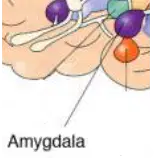
What is the function of the Amgydala in the brain?
Functions our basic emotions (ex: fear) and regulates responses
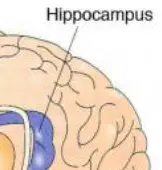
What is the function of the hippocamus in the brain?
Functions in forming new memories and learning.
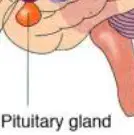
What is the function of the pituitary gland in the brain?
Produces red blood cells.
Responsible for digestion.
Controls muscle movement.
Regulates growth hormones, metabolism, and reproductive functions.
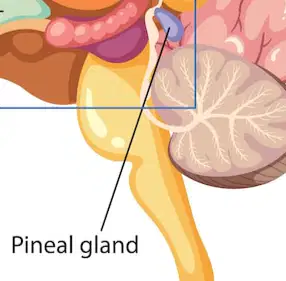
What is the function of the pineal gland in the brain?
Controls appetite by regulating hormones.
Produces adrenaline during stress.
Regulates sleep by producing melatonin and influences sex hormones.
Responsible for memory storage.
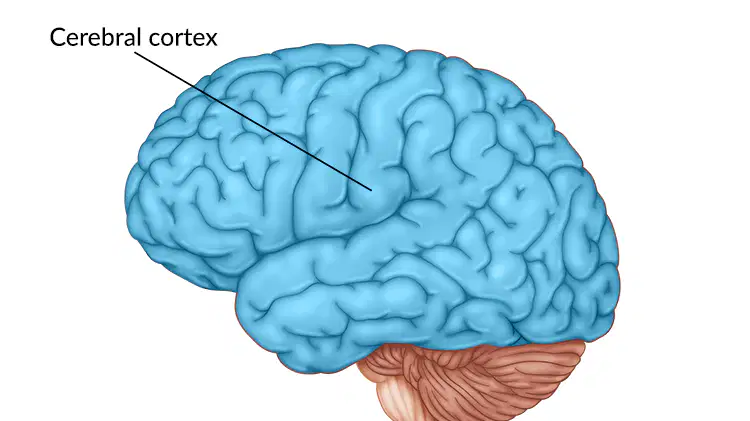
What is the function of the Cerebral Cortex in the brain?
Top wrinkly layer of the brain that has fissures to increase surface area of our brain & divides into four lobes
What is Contralateral control within the brain?
Refers to the brain's ability to control emotions.
Control the same side of the body.
Process of balancing brain activity between hemispheres.
Principle that the left hemisphere controls the right side of body and vice versa.
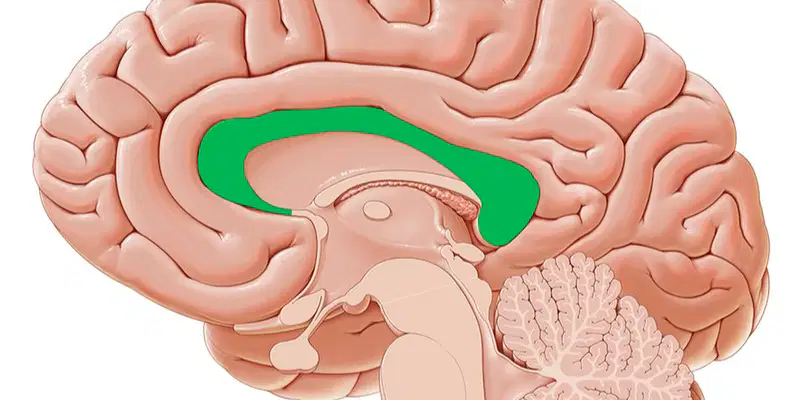
What is the function of the corpus collosum?
Attaches the left and right hemispheres of the cerebal cortex.
Controls muscle movement.
Processes visual information.
Regulates heart rate and blood pressure.
What are Association Areas in the brain?
Areas of the brain not dealing with our senses or muscle movements
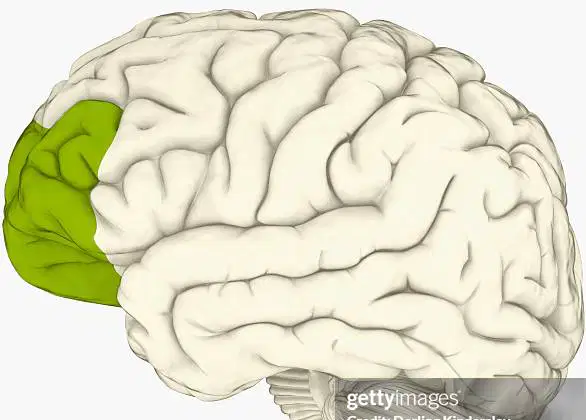
What is the function of the Frontal Lobe in the brain?
Involved in planning, maintaining emotions, moral reasoning, and controlling voluntary movements.
What is Broca's Aphasia in the frontal lobe?
Language disorder that causes the inability to verbally communicate.
Excessive speech production without meaning.
Visual impairment that causes perception to be altered to others.
Hearing disorder affecting the ways words are interpredted in the brain.
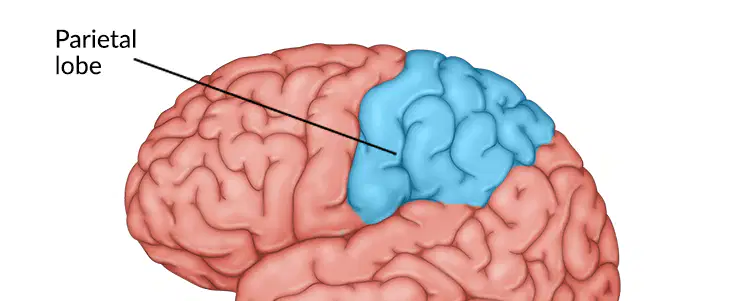
What is the function of the Parietal Lobe in the brain?
Contains the somato-sensory cortex (touch, temperature, pain, pressures) at the top of our head
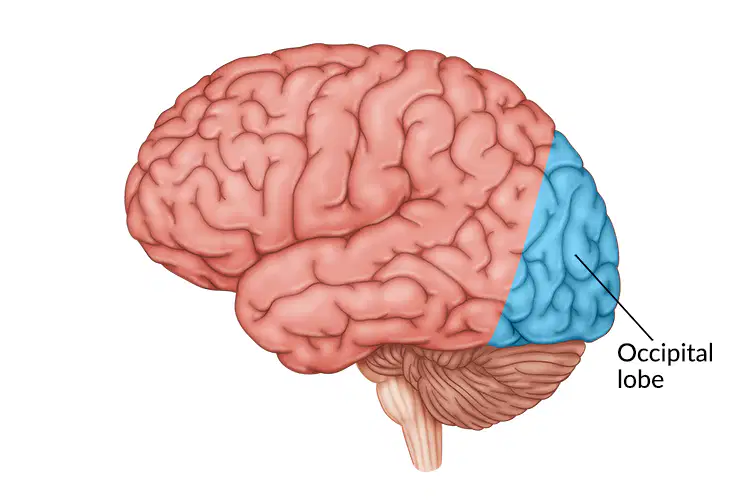
What is the function of the Occipital Lobe in the brain?
Processes visual input from our eyes, where the righ half of each retina goes to left occipital lobe & vice verse
Controls motor functions.
Responsible for auditory processing.
Regulates emotions within the nerve cells.
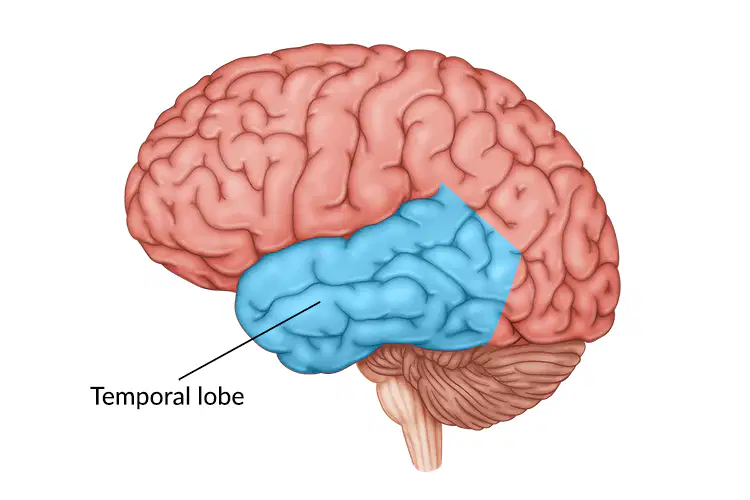
What is the function of the Temporal Lobe in the brain?
Processes sound sensed by ears and involves language comprehension.
What is Wernicke's Aphasia in the temporal lobe?
Speech disorder with no impact on comprehension.
Difficulty in writing but not speaking.
Damage to the frontal lobe, not the temporal lobe.
Language disorder that makes it difficult to interpret speech .
What is the endocrine system?
A system that is responsible for digestion and nutrient absorption.
A system of glands that secrete hormones into the bloodstream.
A network of neurons that transmit signals throughout the body.
A type of muscle tissue that controls movement.
What does the adrenal gland do?
Responsible for digestion.
Produces red blood cells.
Produces epinephrine-engery boost (adreline)
Filters toxins from the blood.
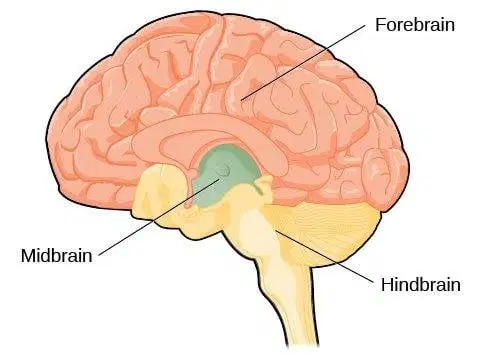
What are the three major sections of the brain?
Hindbrain, Midbrain, Forebrain
What are 4 things the brain is made up of?
Bones, Osteocytes, skin, fat
Neurons, glial cells, connective tissues, cerebrospinal fluid
Nephrons, lipids, carbohydrates, hormones
Air, water, minerals, Alveoli

