
 Worksheets
Unit 2 Test Review
Total questions: 14
Worksheet time: 7mins
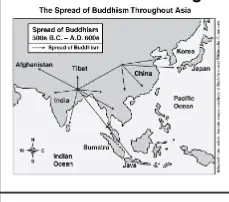
According to the map titled "The Spread of Buddhism Throughout Asia," where did Buddhism begin?
China
India
Korea
Japan
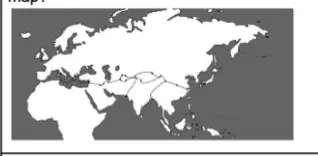
Based on the world map image, the Silk Road connects which three regions on the map?
Africa, Europe, and Asia
North America, South America, and Europe
Australia, Antarctica, and Asia
Europe, North America, and Africa
Thinking about how closed off Ancient China was from other cultures, what impact did the Silk Road have on Ancient China?
It isolated China even more from the rest of the world.
It connected China to other cultures through trade and exchange of ideas.
It caused China to stop producing silk.
It only connected China to islands in the Pacific Ocean.
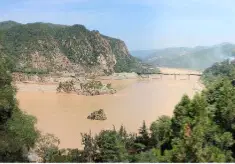
What effect did the flooding of the Huang He River have on China? (think silt)
It deposited fertile silt that enriched the soil for farming
It created a desert that limited agriculture
It caused permanent drought across the region
It froze the river and stopped trade routes
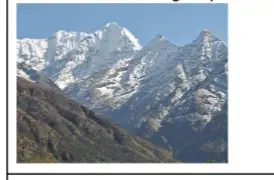
Which mountain range separates India and China?
Andes Mountains
Rocky Mountains
Himalayan Mountains
Appalachian Mountains
Read the statement: "I lived in an ancient civilization in the Indus River floodplain. We had farmlands surrounded by highlands, ocean, and desert. Harappa and Mohenjo-daro were part of our civilization. Rivers carried fertile soil and allowed us to farm but often flooded our villages." Based on this evidence, which ancient civilization did this person live in?
Ancient China
Indus Valley Civilization
Ancient Egypt
Ancient Mesopotamia
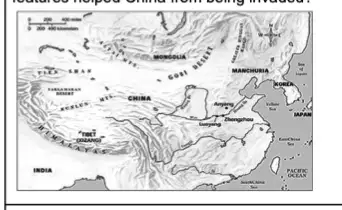
According to the map shown, which two geographic features helped protect China from being invaded?
The Pacific Ocean and the Gobi Desert
The Himalayas and the Gobi Desert
The Yangtze River and the Yellow River
The Indian Ocean and the Plateau of Deccan
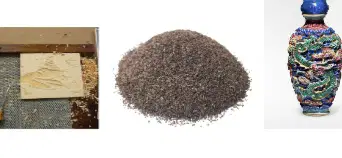
Based on the artifacts shown (a carved wooden block, a mound of tea leaves, and a decorated porcelain vase), these images are most closely associated with which civilization?
Ancient Egypt
Ancient China
Ancient India
Mesopotamia
According to the sentence, "Egypt and China were separated from other areas by the environment around them," what does the word separated most nearly mean?
united with
kept apart from
traded frequently with
copied ideas from
Name one Similarity between Hinduism and Buddhism
They both Worship Shiva
They Both have reincarnation
They both have Siddhartha Gautama
They both have the Eightfold Path
What do the 4 Noble Truths have in common?
All deal with Enlightenment
All deal with suffering
All are part of the eightfold path
nothing
What is one difference in Buddhism and Hindusim
hinduism is polytheistic, Buddhism is neither
Hindusim is monotheistic and Buddhism is Polytheistic
Buddhism was founded by Buddha and Hinduism was founded by Siddhartha Gautama
One has reincarnation and the other doesn't
Which civilization is responsible for the number 0?
Hinduism
India
Mesopotamia
China
Which civilization is responsible for gunpowder?
India
Hinduism
China
Egypt

