
NEW
Font size
 Worksheets
NJROTC Chapter 1 & 2 Test
Total questions: 54
Worksheet time: 54mins
What does NJROTC stand for?
National Junior Reserve Officers Training Corps
Navy Junior Reserve Officers Training Corps
Naval Junior Reserve Officers Training Corps
National Junior Reserve Officers Training Command
What is one of the key benefits of NJROTC to cadets?
Provides financial aid for college
Offers free travel opportunities
Develops leadership skills
Guarantees military enlistment
What does "Marksmanship" refer to?
Officially approved
Neatness; freedom from disorder
Skill in shooting at a target
To introduce by gradual persistent efforts
What does it mean to "Instill" something?
To introduce by gradual persistent efforts
Exactness
The ceremonial escort for the flag
Officially approved
What is meant by "Orderliness"?
Skill in shooting at a target
Neatness; freedom from disorder
Officially approved
Exactness
What does "Precision" mean?
Exactness
The ceremonial escort for the flag
To introduce by gradual persistent efforts
Skill in shooting at a target
What is the definition of "Honor"?
A keen sense of ethical conduct
Mental or moral strength to venture, persevere and withstand danger, fear or difficulty
A state of being bound, emotionally or intellectually, to a course of action, or to a person or persons
The ability to perform tasks with skill and precision
What does "Courage" mean?
A keen sense of ethical conduct
Mental or moral strength to venture, persevere and withstand danger, fear or difficulty
A state of being bound, emotionally or intellectually, to a course of action, or to a person or persons
The ability to make quick decisions
How is "Commitment" defined?
A keen sense of ethical conduct
Mental or moral strength to venture, persevere and withstand danger, fear or difficulty
A state of being bound, emotionally or intellectually, to a course of action, or to a person or persons
The ability to adapt to new situations
What kind of experience do most Naval Science Instructors have?
Extensive experience in leadership and management positions
Experience in culinary arts
Experience in medical fields
Experience in engineering
What additional experience do some Naval Science Instructors have?
Experience as teachers and counselors
Experience as pilots
Experience as chefs
Experience as musicians
Who do NJROTC instructors work under?
Principal of the school
Superintendent of the district
Mayor of the city
Governor of the state
What is one of the goals of the NJROTC program for students?
To instill a sense of accomplishment
To promote athletic skills
To enhance artistic talents
To develop culinary skills

What is one of the goals of NJROTC?
To promote patriotism
To increase physical fitness
To teach advanced mathematics
To develop artistic skills
What is a profession?
An activity that serves as one's regular source of livelihood
A hobby or pastime
An occupation or career requiring considerable training and specialized study
A temporary job
How are the words "career" and "job" often mistakenly used?
As if they mean the same thing
As if they are completely unrelated
As if one is more important than the other
As if they are opposites

What is one key difference between a career and "just a job" according to the text?
A career includes learning, advancement, and developing talents.
A job is always more fulfilling than a career.
A career requires no skill development.
A job defines your entire life.

What is true about many careers according to the text?
They all require a college degree
They require no education
They don’t require a college degree
They require a master's degree
What is one of the key aspects students will learn about NJROTC?
The history of the Navy
The background, mission, curriculum, and activities of NJROTC
The benefits of joining the Army
The structure of the Air Force
What is one of the objectives of the NJROTC program?
To describe the history of the Navy
To describe the NJROTC’s mission, goals, and policies
To learn about marine biology
To study naval architecture
What is another objective of the NJROTC program?
To describe the Navy Core Values
To learn about aviation
To study naval battles
To understand shipbuilding techniques
What are the Core Values that the NJROTC program hopes you will learn?
Honor, courage, and commitment
Respect, integrity, and loyalty
Bravery, honesty, and dedication
Trust, responsibility, and perseverance
What is one of the requirements for ongoing participation in NJROTC?
Be a part-time student in grades 9 through 12
Be a U.S. citizen or legal permanent resident
Be a foreign exchange student
Be a member of the school band
Which grade levels must a student be enrolled in to participate in NJROTC?
Grades 6 through 8
Grades 9 through 12
Grades 10 through 12
Grades 7 through 11
What happens to cadets who fail to meet the NJROTC standards?
They are promoted
They receive a warning
They are disenrolled
They are given extra training
According to the image, what do the Navy Core Values help build?
Wealth
Good citizenship
Physical strength
Academic success
Which term describes an inherent ability or talent?
Insight
Aptitude
Ability
Interest
What does "Ability" refer to?
The ability to grasp a hidden or inward truth
An inherent ability or talent
The mental or physical power to do certain things
A subject or an activity that captures a person’s attention, curiosity or concern
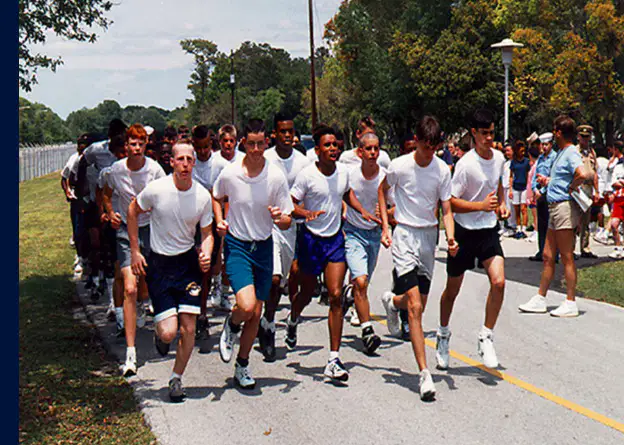
Which of the following is NOT considered a physical ability?
Strength
Stamina
Good eyesight
Creativity
What are considered part of your interests?
Your skills and talents
Your likes, dislikes, hopes, and wishes
Your educational background
Your financial status
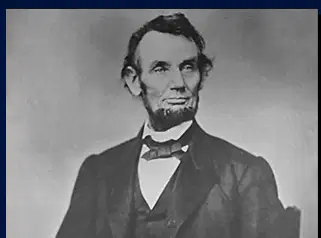
According to the text, what did Lincoln overcome to be elected to public office?
Fear of public speaking
Shyness
Lack of education
Financial difficulties
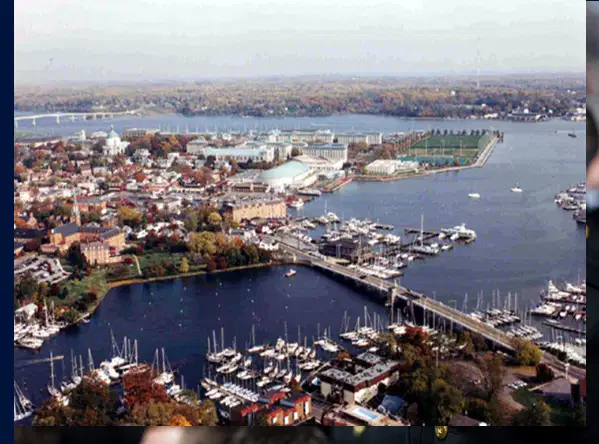
Where is the US Naval Academy located?
Hudson River, New York
Potomac River, Washington D.C.
Severn River, Annapolis, Maryland
Mississippi River, Louisiana
Which of the following is a requirement for admission to the US Naval Academy?
Must be married
Must be a U.S. Citizen
Must have a child
Must be over 30 years old
Which of the following is NOT a requirement for admission to the US Naval Academy?
Good moral character
Good physical condition
Legally obligated to support a child
Unmarried
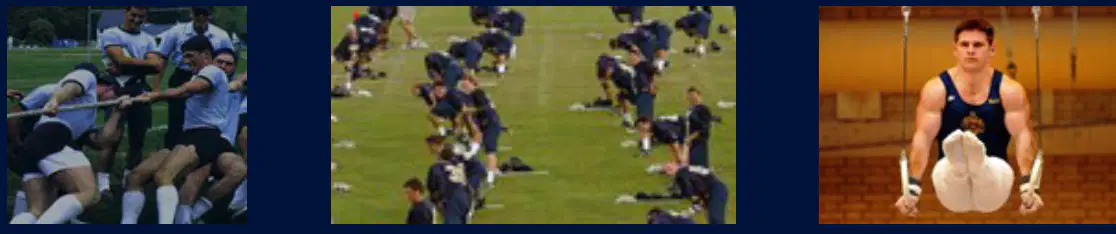
What must all midshipmen at the Naval Academy participate in?
Music programs
Sports
Drama clubs
Debate teams
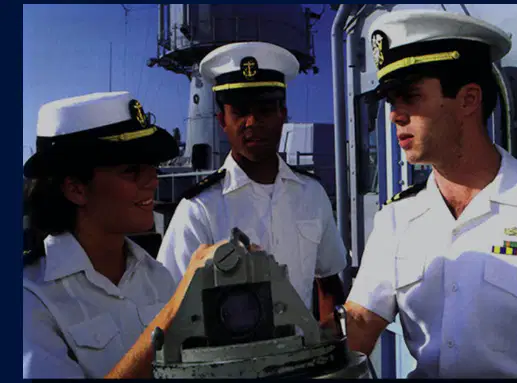
What activities do midshipmen participate in during each summer break at the US Naval Academy?
Train at naval bases
Attend academic classes
Work in civilian jobs
Travel abroad for leisure
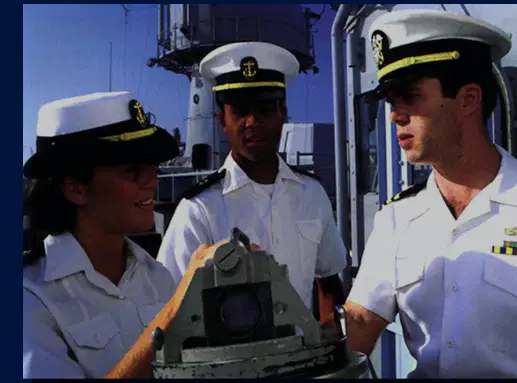
Where do midshipmen spend time during their summer break according to the US Naval Academy?
On Navy ships and aircraft
In their hometowns
At international conferences
In summer camps
What degree do graduates of the US Naval Academy earn?
Bachelor of Arts
Bachelor of Science
Master of Science
Associate Degree
Where are NJROTC college scholarships offered?
Only in the eastern United States
Only in the western United States
Nationwide at numerous colleges and universities
Only in the southern United States
What does "Cramming" mean?
Preparing for an exam at the last minute
Focused, conscious activity
Continuous, unfocused, and unconscious
Studying regularly over time
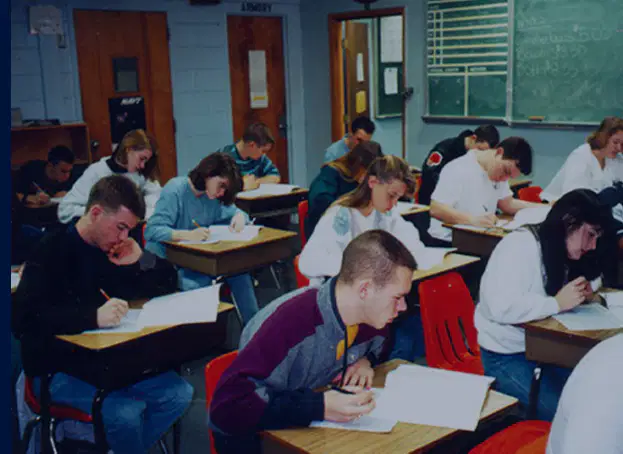
Why is finishing high school considered essential according to the text?
It guarantees admission to college.
It is necessary for getting a good job and enjoying a successful career.
It ensures a high salary.
It is required for traveling abroad.
Which of the following is one of the four things that will help you succeed in high school?
Learning good study habits
Playing video games
Skipping classes
Procrastinating
What is an important skill to develop for succeeding in high school according to the document?
Becoming skilled in test taking
Watching TV
Sleeping late
Ignoring homework
Which activity is mentioned as beneficial for high school success?
Listening and taking notes
Chatting with friends
Browsing social media
Daydreaming
What is one of the key habits to manage for high school success?
Managing your time
Eating junk food
Avoiding exercise
Watching movies

What is one way to reinforce the material presented in your classes?
Reviewing notes from class and the textbook
Watching TV
Playing video games
Sleeping
What is one important feature of a good study space?
A noisy environment
Good lighting
A crowded area
A place with no seating
Why is it important to choose a specific place just for studying?
To have a place to socialize
To ensure you have a consistent study routine
To make it easier to watch TV
To have a place to store snacks

Which of the following is NOT a characteristic of a good study space?
Few interruptions
Distractions
Organized study materials
Writing space
What should you consider when studying with friends?
The type of music you listen to.
The location of your study session.
Choosing your study buddy carefully to avoid distractions.
The amount of snacks available.

What is recommended to help establish a good study routine?
Study at different times each day.
Set a regular study time.
Only study on weekends.
Study only when you feel like it.

What is a recommended strategy for handling big projects like term papers or science projects?
Start scheduling it early and plot out tasks on your calendar.
Wait until the last minute to begin.
Avoid using a calendar or planner.
Only work on it when you feel like it.
What is one guideline for effective study mentioned in the document?
Study without breaks
Spend all your time on one subject
Take breaks during long study sessions
Start with the easiest subject
What should be included in your weekly schedule according to the guidelines?
Only study time
Only exercise and food
Sleep, recreation, exercise, food, and friends
Only recreation and friends

