Worksheets
Social Studies G7 Worksheets
Total questions: 61
Worksheet time: 1hrs 1mins
Describe the different types of heritage.
Justify why we should preserve our heritage.
What is material heritage?
How can we preserve material heritage?
What examples of material heritage are mentioned in the passage?
(a)
What examples of non-material heritage are mentioned in the passage?
(a)
What examples of heritage are there in your region?
Which of the following is an example of a resource mentioned in the text?
The rules that people follow
Fuel for making food
Monuments
Dance or crafts
Fill in the blank: The customs of a group of people or of cities, towns and villages include schools, places of worship, museums, factories or other (a) .
Which of the following is NOT mentioned as a part of heritage in the text?
The moral code
The natural world
Space technology
Traditional skills
Monuments are buildings that help us remember important events.
True
False
According to the passage, why is heritage important?
Why does material heritage need protecting? Fill in the blank: Material heritage needs protecting because it is often extremely old and can be very (a) .
What are some factors that contribute to the deterioration of material heritage? Fill in the blank: Factors such as chemicals in the atmosphere, conflict, construction work, and (a) have all contributed to the deterioration of material heritage.
What is UNESCO? Fill in the blank: UNESCO is the United Nations (a) , Scientific and Cultural Organisation.
When was UNESCO founded?
(a)
Which of the following is NOT a role of UNESCO?
Promoting peace and supporting sustainable development
Identifying unique and irreplaceable sites
Destroying old buildings
Providing emergency assistance to World Heritage Sites
Fill in the blank: By 1978, there were (a) World Heritage Sites around the world.
Fill in the blank: The ancient city of Petra is located in (a)
Fill in the blank: Petra was declared a World Heritage Site in (a) .
Fill in the blank: Bahla Fort is located in (a) .
Fill in the blank: Bahla Fort became a World Heritage Site in (a)
Fill in the blank: Al Ain is one of the oldest continually inhabited settlements in the world, dating back over (a) years.
Bahla Fort in northern Oman became a World Heritage Site in which year?
(a)
Which of the following is NOT included in the sites around Bahla Fort?
Stone tombs
Wells
Skyscrapers
Defensive towers
The Pyramid Fields from Giza to Dahshur, Egypt, became a World Heritage Site in which year?
(a)
The three pyramid complexes and the Great Sphinx are located on the outskirts of which city?
(a)
The Baalbek Ruins in Lebanon date back to at least which year?
(a)
Where is the Socotra Archipelago located?
Northwest Indian Ocean, near the Gulf of Aden
Mediterranean Sea
Pacific Ocean
Red Sea
How many islands make up the Socotra Archipelago?
(a)
What percentage of Socotra's 825 plant species cannot be found anywhere else in the world?
10 percent
37 percent
50 percent
90 percent
When did the Socotra Archipelago become a World Heritage Site?
(a)
What is unique about the stones used in the construction of the Baalbeck Ruins?
They are made of gold
They weigh between 100 and 300 tonnes
They are underwater
They are made of wood
According to the passage 'Where Did Early Civilisation Develop', what do we call a large group of people in a particular area who become well-organised and achieve a comfortable way of life?
(a)
According to the passage 'Where Did Early Civilisation Develop', what were people called who survived by hunting animals and searching for vegetables, fruits, and berries?
(a)
According to the passage 'Where Did Early Civilisation Develop', what did the development of agriculture provide people with?
(a)
According to the passage 'Where Did Early Civilisation Develop', why did people decide they no longer needed to travel around to find food?
(a)
According to the passage 'Where Did Early Civilisation Develop', what did farmers do when they grew more food than they needed?
(a)
What is the term used for dividing up the tasks that need doing between different people?
(a)
Which of the following is NOT mentioned as a job people specialized in after food became available?
Making pottery
Making tools
Building ships
Making medicines
What important inventions helped make life easier or farmland more productive according to the passage?
(a)
Settlements developed into large towns and cities as more people came to live together.
True
False
Who were known as merchants in early settlements?
(a)
Why did people develop an early type of writing using pictographs?
(a)
Fill in the blank: In ancient times, only (a) and traders could read.
Fill in the blank: The Code of Hammurabi is a very early set of (a) .
Fill in the blank: This way of life, with advanced societies, farming, technology, government, trade, written language, and division of labour, is called a (a) .
Where did one of the earliest known civilizations develop around 7000 years ago?
Central America
Mesopotamia
China
Europe
Fill in the blank: The Maya civilization began around (a) BCE in modern-day central Mexico and parts of Belize, Honduras, Guatemala and El Salvador.
What were some of the structures found in Maya cities?
Skyscrapers
Palaces, temples, pyramids, and homes
Castles and moats
Factories
According to the passage, which civilization is believed to be the earliest in the world?
(a)
What was Eridu believed to be?
The first city in the world
The largest city in Mesopotamia
The capital of Sumer
A city in the Indus Valley
The Indus Valley civilization is also called the (a) civilization.
What was one of the biggest cities of the Indus Valley civilization, with a population of around 25,000 people?
(a)
The people of the Indus Valley civilization were the first to grow cotton and weave cloth.
True
False
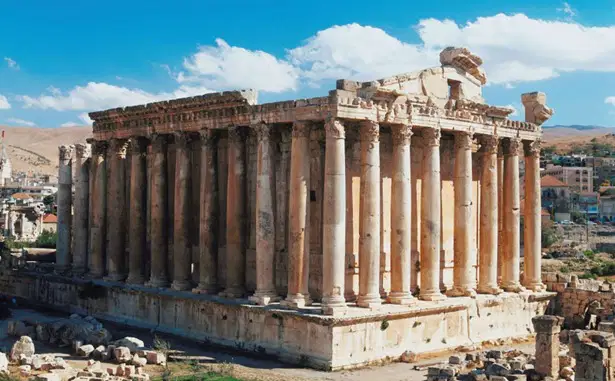
What is the name of the historical place shown in the picture?
What is the name of the historical place shown in the picture?
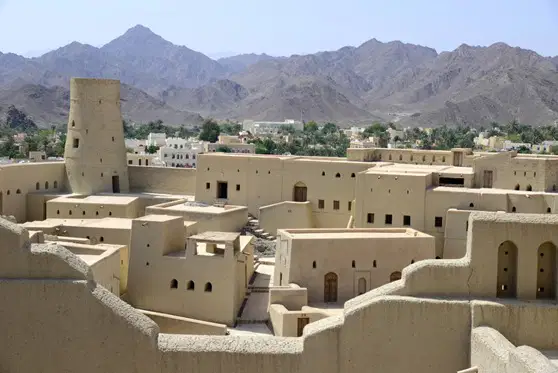
What is the name of the historical place shown in the picture?
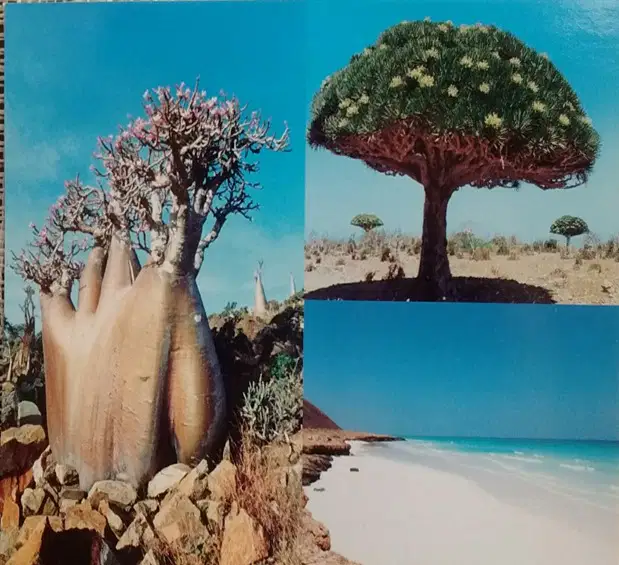
Identify the civilisation?
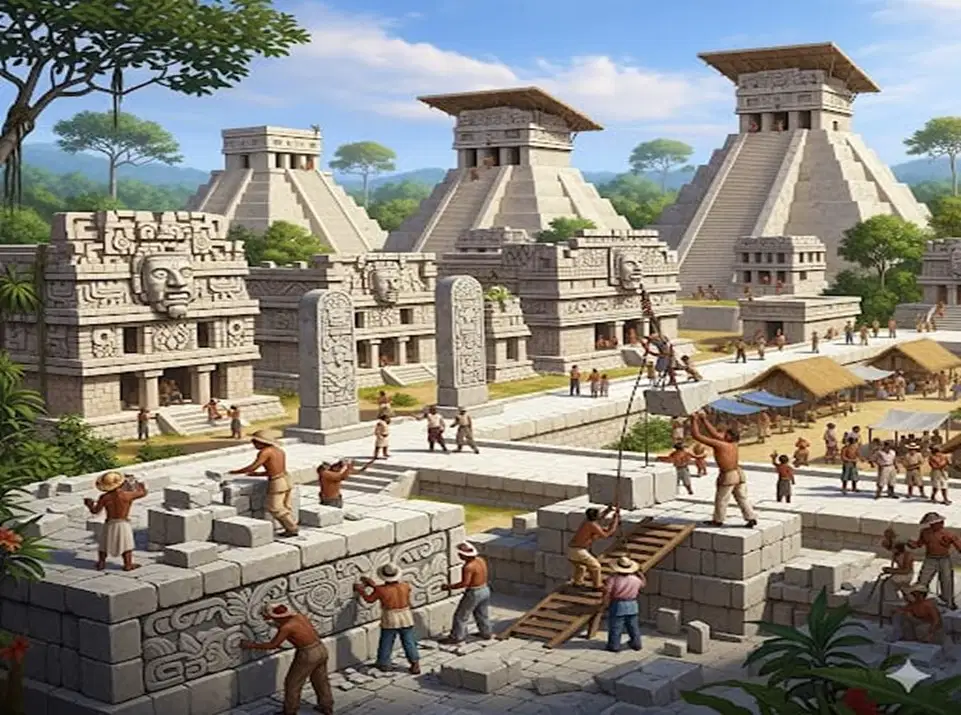
Identify the Civilisation?
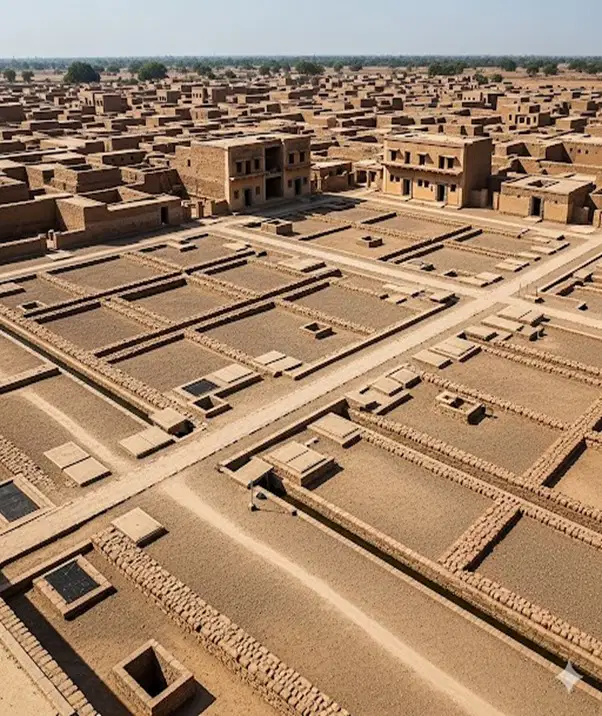
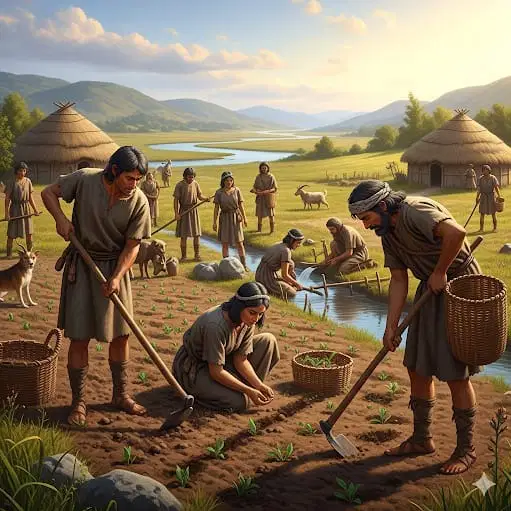
Which practice of early people is shown in the image?