Worksheets
Landscape Design Midterm Fall 2025 2
Total questions: 79
Worksheet time: 40mins
What is the very first step in the landscape design process?
Conducting a site analysis and talking to the client
Buying the plants
Drawing the final plan
Installing the patio
The area of a landscape that is visible to the public and creates the first impression of the home is called the...
Public Area
Private Area
Service Area
Outdoor Living Area
Which of the following would you most likely find in the "Service Area" of a landscape?
A vegetable garden and compost pile
A swimming pool
The front door
A specimen tree
The principle of design that provides a sense of stability or equilibrium is known as...
Balance
Repetition
Scale
Accent
When a design is the same on both sides of a central axis, it is said to have...
Symmetrical balance
Asymmetrical balance
No balance
Informal balance
The term for a plant that loses its leaves in the fall is...
Deciduous
Evergreen
Woody
Annual
What is the primary purpose of a "site analysis"?
To record existing conditions and features of the property
To choose the colors for the flower beds
To give the client a bill
To decide on a company name
Which of these is a key component to note during a site analysis?
The slope of the land
The client's favorite color
The type of patio furniture
The brand of garden tools
The "outdoor floor" in a landscape design is typically created by...
The sky
Trees and shrubs
The house
Turfgrass, patios, or decks
A plant that is used to draw attention to a specific area is called a(n)...
Filler plant
Specimen plant
Groundcover
Border plant
What does the term "hardiness zone" refer to?
The strength of the branches on a tree
A geographic area where a plant is capable of surviving the winter
The durability of a hardscape material
The area of a yard with the most difficult soil
In plant nomenclature, which part of the scientific name is always capitalized and underlined/italicized?
Species
Cultivar
Variety
Genus
What is the main difference between a Landscape Architect and a Landscape Designer?
Architects get paid more.
Designers are better at drawing.
Architects require a state license and can work on larger, public projects.
There is no difference.
The repetition of elements in a design helps to create...
Confusion
Unity
Asymmetry
High maintenance
What tool is used to draw a plan to a specific ratio, like 1/8" = 1'?
T-Square
Triangle
Architect's Scale
Flexible Curve
The three main areas of a residential landscape are the...
Front, Back, and Side Areas
Sun, Shade, and Wet Areas
Public, Private, and Service Areas
Public, Private, and Wet Areas
The scientific classification system for plants is known as...
The Linnaean System
Binomial Nomenclature
The Plant Encyclopedia
The Botanical Code
A two-dimensional, bird's-eye view of a site is called a...
Base Plan or Plan View
Elevation Drawing
Perspective Sketch
Section Detail
The climate within a specific, small area (like the north side of a house) is called a...
Macroclimate
Regional Climate
Hardiness Zone
Microclimate
The non-plant, man-made elements in a landscape, like a patio or a fence, are referred to as...
Softscaping
Hardscaping
Architecture
Construction
Which of the following is important to note during a site analysis?
The neighbor's car color
Property lines and existing utilities
The client's favorite TV show
The brand of the refrigerator
The three conceptual parts of an "outdoor room" are...
Floor, Walls, and Ceiling
Patio, Fence, and Awning
Grass, Shrubs, and Trees
Entrance, Living Space, and Exit
The "living area" or "private area" of a landscape is primarily designed for...
Recreation, relaxation, and entertaining
Storing tools and garbage cans
Impressing the public and neighbors
Growing vegetables for the farmer's market
Soil pH is a measure of the soil's...
Acidity or alkalinity
Water content
Temperature
Compaction
A primary difference between a tree and a shrub is that a tree...
Has a single main stem or trunk
Is always evergreen
Grows only in tropical climates
Produces flowers every year
The "public area" is the best place for the family's clothesline and garbage cans.
True
False
A "focal point" in landscape design is an area of emphasis that first attracts the viewer's eye.
True
False
It is not important to consider the mature size of a plant when selecting it for a landscape.
True
False
An "evergreen" plant retains its leaves year-round.
True
False
"Texture" in landscape design refers only to how a plant feels to the touch.
True
False
A base plan is created after the site analysis is complete.
True
False
The front door should ideally be the focal point of the public area.
True
False
Fences, walls, and plants can be used to create "outdoor ceilings".
True
False
Symmetrical balance is often used in formal landscape designs.
True
False
Soil type does not affect plant selection.
True
False
The term 'cultivar' is short for 'cultivated variety'.
True
False
Views, both on-site and off-site, are important considerations in a landscape plan.
True
False
"Scale" refers to the size relationship between different elements in the design.
True
False
Landscaping is a relatively new profession, starting in the 1950s.
True
False
A client's needs and wants are the most important guide for a landscape designer.
True
False
Using an odd number of plants in a group (e.g., 3, 5, 7) is often considered more visually appealing than using an even number.
True
False
A corner planting is used to anchor the corners of a house.
True
False
Low-growing plants used to cover large areas of ground are called groundcovers.
True
False
An ornamental plant is one that is grown for its interesting form, texture, or color.
True
False
It is not a major concern to protect existing utilities during installation because they are easily replaced.
True
False
Overplanting an area is a good practice because it creates a full, lush look right away.
True
False
Balance and repetition are two principles of art used in landscape design.
True
False
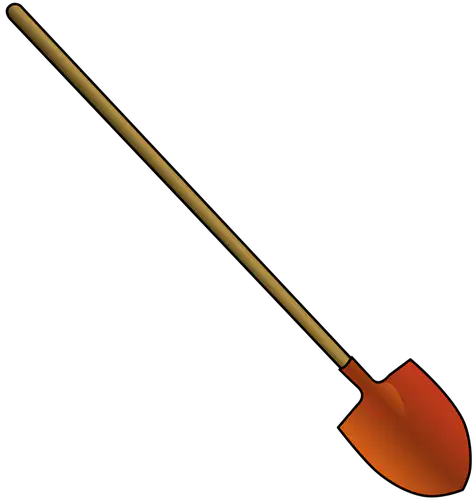
A shovel is a primary tool used for landscape drafting.
True
False
The main goal of a landscape designer is to create a functional and beautiful outdoor space that meets the client's needs.
True
False
The document that lists the client's wants and needs is called the site analysis.
True
False
Explain the differences between public space, private space, and service area with suitable examples.
What are the three main goals for the Landscape Designer when designing the public area?