wayground logo

Free Printable Worksheets

Font size

S
M
L
XL
Worksheets

Photography 7th Grade

Total questions: 16

Worksheet time: 8mins

Name
Class
Date
1.

In the Triangle of Exposure, we learn the relationship of...

a)
Composition, lighting, and framing in photography.
b)
White balance, contrast, and saturation in photography.
c)
Focus, resolution, and color grading in photography.
d)
ISO, shutter speed, and aperture in photography.
2.

When we need to prioritize aperture?

a)
When selecting ISO settings
b)

When controlling depth of field

c)
When framing the composition
d)
When adjusting shutter speed
3.

What is the effect of a larger aperture (smaller f-number) in photography?

a)

A larger aperture decreases light intake and create large depth of field.

b)
A larger aperture has no effect on exposure or focus.
c)
A larger aperture only affects color saturation.
d)

A larger aperture increases light intake and create shallow depth of field.

4.

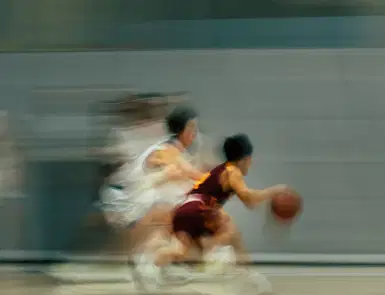
Check the image. In your opinian, what F-stop number we use to create shallow depth of field?
a)
f/22 to f/32
b)
f/5.6 to f/11
c)
f/1.4 to f/4
d)
f/8 to f/16
5.

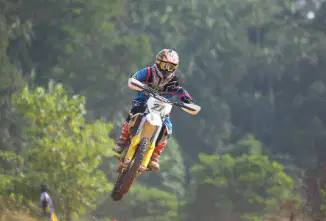
Check the image. In your opinian, what Shutter speed number we use to create motion move photography?

a)
1/1000 seconds
b)
1/250 seconds
c)

1/500 seconds

d)
1/30 to 1/60 seconds
6.

Check the image. In your opinian, what Shutter speed number we use to create freeze photography?

a)
1/1000 seconds
b)
1/250 seconds
c)

1/500 seconds

d)
1/30 to 1/60 seconds
7.

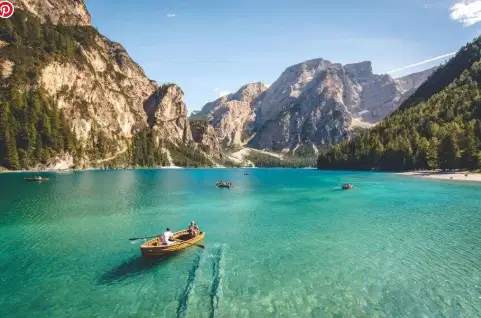
Check the image. In your opinian, what F-stop number we use to create large depth of field?

a)
f/22 to f/32
b)
f/5.6 to f/11
c)
f/1.4 to f/4
d)
f/8 to f/16
8.

What is the effect of a faster shutter speed in photography?

a)
A faster shutter speed freezes motion and reduces blur.
b)
A faster shutter speed increases motion blur.
c)
A faster shutter speed allows more light into the camera.
d)
A faster shutter speed softens the image details.
9.

Which ISO setting would be best for low light conditions?

a)
ISO 200 for daytime photography
b)
ISO 100 for bright sunlight
c)
ISO 400 for moderate light
d)
A higher ISO setting (e.g., ISO 800 or above) is best for low light conditions.
10.

What does ISO stand for in photography?

a)
International Society of Optics
b)
International Standardization Organization
c)
International Organization for Standardization
d)
Image Sensitivity Output
11.

When we need to prioritize speed in photography?

a)
When using a tripod for stability.
b)
When photographing landscapes during the day.
c)
When capturing fast-moving subjects or in low-light conditions.
d)
When editing photos in post-processing.
12.

When we need to prioritize ISO?

a)

When blury photo accepted as long as we can see the result

b)

When we want to have a sharp image

c)

When we want to catch shallow dept of field

d)

When we want to create long exposure photography
13.

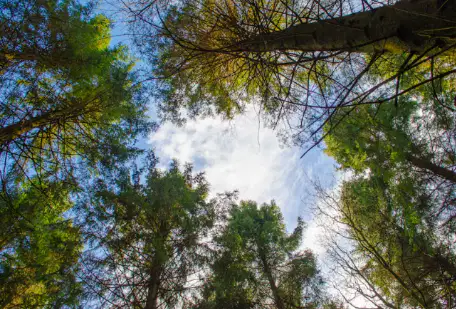
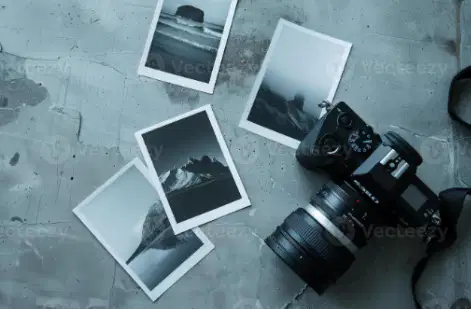
Check the image. What angle we use to create this photo?

a)

Top view

b)

Side view

c)

Normal view

d)

Bottom view

14.

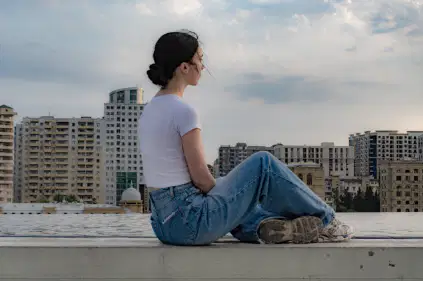
Check the image. What angle we use to create this photo?

a)

Top view

b)

Side view

c)

Normal view

d)

Bottom view

15.

Check the image. What angle we use to create this photo?

a)

Top view

b)

Side view

c)

Normal view

d)

Bottom view

16.

Check the image. What angle we use to create this photo?

a)

Top view

b)

Side view

c)

Normal view

d)

Bottom view