
 Worksheets
Unit 101 Understand different types
Total questions: 23
Worksheet time: 12mins
A traditional build and modern built construction are defined by:
the methods and materials used in their construction
the color of the building
the location of the building
the number of floors in the building
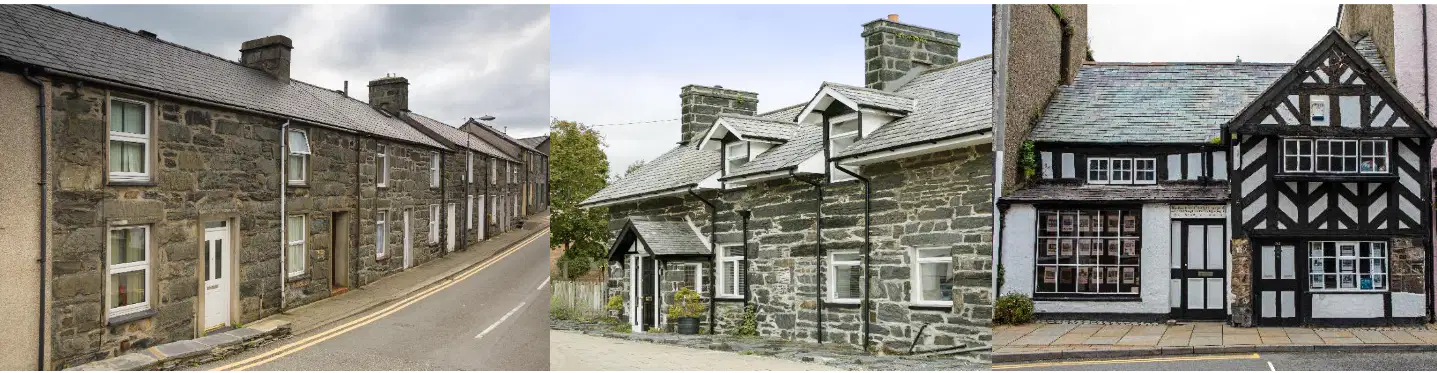
According to the passage, what is a traditional building?
A building built after 1919 using modern materials
A building built before 1919 using solid wall construction methods, usually using locally sourced stone, slate, bricks or timber
A building made only of glass and steel
A building with more than three floors
Fill in the blank: A traditional building is one that was built before ____ using solid wall construction methods.
1919
1945
1960
1800
Which of the following materials are usually used in traditional buildings?
Stone
Timber
Glass
Slate
Bricks
Many traditional buildings have a historical and cultural importance to the community and are of value to the heritage of Wales. What are the most valuable of these buildings often called?
Modern buildings
Listed buildings
Commercial buildings
Temporary buildings
With the development of technology and new materials in construction, what have buildings been able to be upscaled to facilitate?
Smaller rooms and lower buildings
Larger open-plan spaces, taller buildings, and large glass facades
Only residential homes
Wooden structures only
According to the passage, why were local materials generally used in pre-1919 construction?
Because transportation costs were high.
Because local materials were of better quality.
Because local materials were more fashionable.
Because imported materials were banned.
What material was commonly used for construction in North Wales before 1919?
Stone or slate.
Concrete blocks.
Timber panels.
Glass sheets.
How did the climate in the west of Wales affect house construction before 1919?
Houses were built lower with very thick walls and smaller windows to keep out wind-driven rain.
Houses were built with large glass windows to maximize sunlight.
Houses were constructed with thin walls to allow for better ventilation.
Houses were built on stilts to avoid flooding.
Which of the following materials became more common with the appearance of railways and canals during industrialisation?
Stone
Timber
Brick
Slate
Oak was commonly used for construction in the east because it grows very well in the area.
True
False
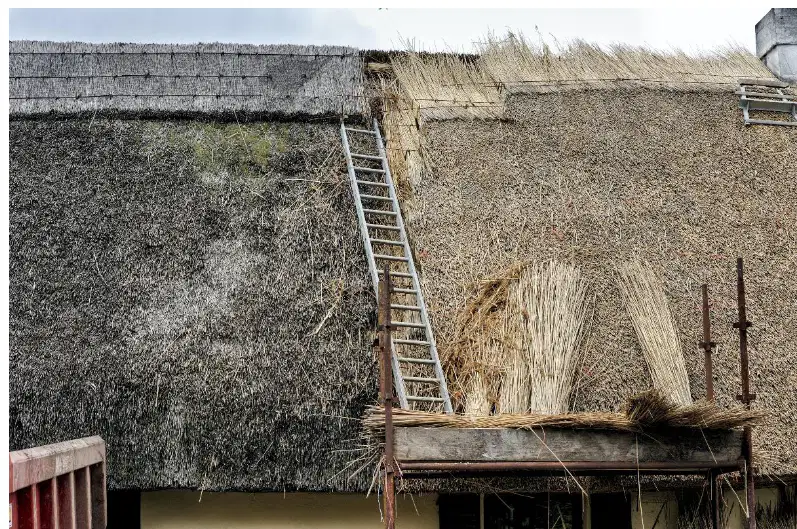
According to the passage on Pre-1919 design and construction, what were the main materials used for roof covers?
Stone tiles, slate, thatch, and corrugated iron.
Concrete, glass, and plastic sheets.
Aluminum panels and fiberglass.
Wooden shingles and asphalt.
According to the passage on 'Modern design post mid-20th century', what was the main focus of more modern public buildings?
Ornate aesthetics
Function over aesthetics
Historical styles
Luxury materials
According to the passage, why will buildings of the future become more environmentally friendly?
Because non-renewable natural resources will become more limited.
Because people will want taller buildings.
Because technology will make construction cheaper.
Because cities will become less crowded.
What will power and heat homes and businesses in the future, according to the passage?
Renewable energy sources
Fossil fuels
Nuclear weapons
Manual labor

One benefit of having a smart home technology system with centralized control is:
the ability to manage all devices from a single interface
increased manual effort for each device
reduced security for home devices
limited access to device settings
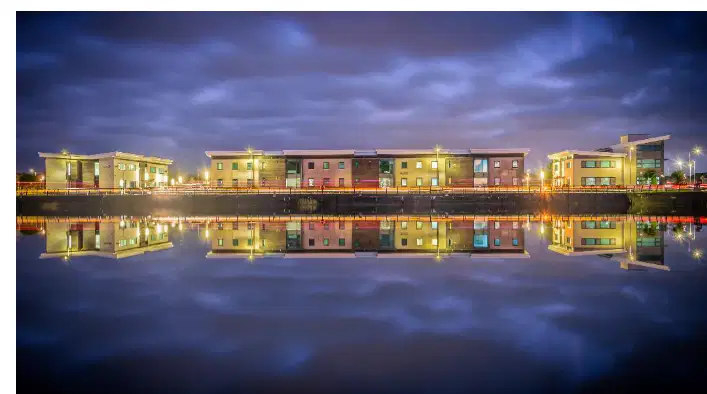
According to the passage, where are modern offices often based?
In high street settings
In business parks or bespoke office complexes
In residential areas
In shopping malls
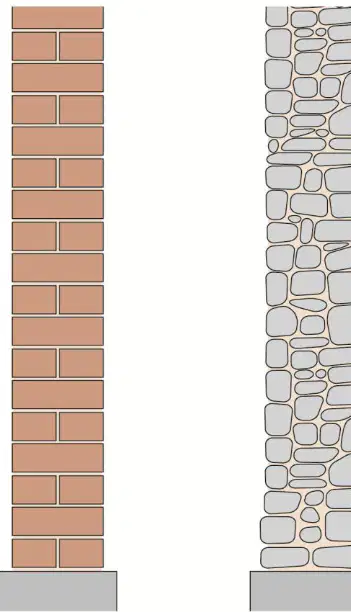
What material is used in the construction of the wall on the left?
Bricks
Wood
Glass
Concrete
Any building constructed after 1919 includes a cavity. What is the main purpose of this cavity in post-1919 construction?
To increase the height of the building
To ensure the inner leaf remains dry and increase thermal insulation
To reduce the cost of construction
To make the building look attractive
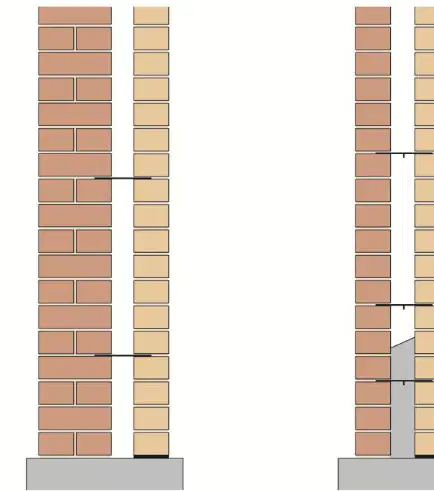
The image shows two examples of early cavity wall construction. What feature is common in both examples?
Solid wall
Cavity between two leaves
Wooden frame
No insulation
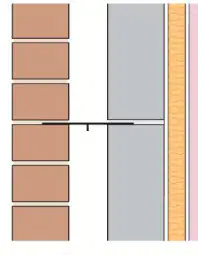
Look at the diagram. What type of wall is shown?
A) Clear cavity
B) Filled cavity
C) Partial cavity
D) Solid
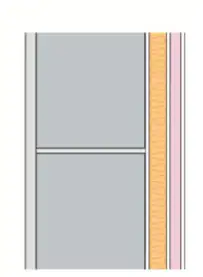
Look at the diagram. What type of wall is shown?
Clear cavity
Filled cavity
Partial cavity
Solid
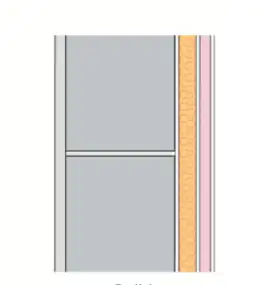
Look at the diagram. What type of wall is shown?
A) Clear cavity
B) Filled cavity
C) Partial cavity
D) Solid

