
 Worksheets
First Aid and Emergency Medical Terminology Definitions
Total questions: 31
Worksheet time: 31mins
Simon is enjoying a meal out when suddenly a person a few tables away starts to look in distress and is clutching at their neck. Simon recognizes this as
as sign they do not like their meal
they need absolutely need CPR
the universal sign for choking
they are in shock
You believe that a person has a head, neck or
spinal injury. What should you do?
she is in until emergency medical services
(EMS) personnel arrive and take over.
and shake the head from side to side to see if
there is any pain or difficulty with movement.
What is anaphylaxis?
A mild allergic reaction that affects only the skin
A type of medication used to treat allergies
A severe allergic reaction that can affect the whole body
A psychological response to allergens
What are the signs of anaphylaxis?
Difficulty breathing, swelling of the face or throat, hives, rapid heartbeat, dizziness, and gastrointestinal symptoms.
Skin rash without swelling, severe headache and fatigue and nosebleed
Nausea and vomiting only, purple bums and a rash
defibrillation when a person is in cardiac arrest?
medical care.
surviving cardiac arrest.
defibrillation is true?
to spontaneously develop an effective rhythm.
of chest pain.
is withheld.
heart rhythm?
the person.
maintained.
thing you should do?
the chest.
the chest.
the chest.
touch the person while the AED is analyzing or
defibrillating?
shock.
heart rhythm properly.


CPR means .....
Caring Pulmonary Resuscitation
Cardiopulmonary Reflex
Cardio Pulse Response
Cardiopulmonary Resuscitation
How many compressions should be performed in a minute?
100
100-120
90
150
What will you have the bystander do after you have checked for responsiveness?
leave
call 9-1-1, get first aid kit and AED
call the police
help you give CPR

What is the primary goal of CPR?
Provide blood and oxygen to vital organs.
Provide needed nutrients to the organs.
Keep the muscles of the arms and legs working.
Prevent a blood clot.
What does practicing universal precautions protect you from?
getting blood on you
the spread of diseases
the gross stuff
touching someone
Which step DOES NOT belong when you are trying to control bleeding?
Raise the wound above the heart.
Cover with clean gauze or a clean cloth.
Rub dirt in the wound to control bleeding.
Secure wound.
Apply pressure.
What is the 5 and 5 method for a choking victum?
Strike five separate times between the person's shoulder blades with the heel of your hand. Give five abdominal thrusts.
Give them 5 "high fives"
Stand 5 feet away and call 911.
If someone gets a minor burn (red skin but no blisters), what should you do first?
You see a person with a large, deep cut that won’t stop bleeding. What is the first thing you should do?
What should you do if someone shows signs of heat exhaustion (dizzy, sweating, and pale)?
What is the correct first aid for a nosebleed?
If someone is bitten by an insect and their skin swells or itches, what should you do first?
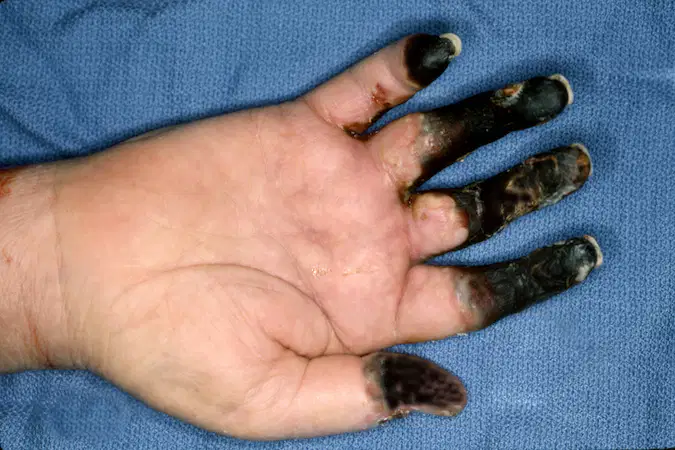
What should you do if you suspect someone has frostbite?
When treating a small scrape or cut, what should you do after washing it with soap and water?
A friend is stung by a bee and the stinger is still in the skin. What should you do?
A classmate gets bitten by a dog at the park, and the bite is bleeding slightly. What should you do?
Wash the bite, apply antiseptic, and cover it with a bandage. Seek medical help.
During recess, a student faints after standing in the sun. They regain consciousness quickly. What should you do next?
Have them lie down and raise their legs slightly. Seek medical help.
The Evolution of First Aid Practices
First aid has a long history that dates back to ancient civilizations. Early methods were often based on trial and error, with people using natural remedies like herbs and bandages made from cloth. Ancient Egyptians, for example, used honey to treat wounds because of its antibacterial properties. Over time, these practices were passed down through generations, forming the foundation of modern first aid. Despite their simplicity, these early techniques saved countless lives.
During the Middle Ages, first aid practices became more organized, especially on battlefields. Knights and soldiers were often trained in basic wound care to help their comrades. Religious groups, such as the Knights Hospitaller, played a significant role in advancing first aid knowledge. They established hospitals and trained caregivers to treat injuries and illnesses. This period marked a shift from informal care to more structured approaches.
The Industrial Revolution brought significant advancements in first aid. With the rise of factories and urbanization, workplace injuries became more common, leading to the need for formal first aid training. Organizations like the St. John Ambulance were established to teach people how to respond to emergencies. This era also saw the development of first aid kits, which made essential supplies more accessible. These innovations helped standardize first aid practices worldwide.
In recent years, technology has revolutionized first aid, particularly with the invention of devices like the automatic CPR machine. These machines provide consistent chest compressions during cardiac emergencies, improving survival rates. Modern first aid training now includes the use of such devices, along with techniques like the Heimlich maneuver and defibrillation. The evolution of first aid continues, ensuring that people are better equipped to save lives in emergencies.
What was one of the natural remedies used by ancient Egyptians for treating wounds?
Honey
Salt
Aloe Vera
Vinegar
Which group played a significant role in advancing first aid knowledge during the Middle Ages?
Knights Hospitaller
Samurai Warriors
Roman Gladiators
Viking Raiders
What led to the establishment of organizations like the St. John Ambulance during the Industrial Revolution?
Increase in workplace injuries
Advancements in medical technology
Discovery of antibiotics
Introduction of health insurance
What modern device has improved survival rates during cardiac emergencies?
Automatic CPR machine
Pulse oximeter
Blood pressure monitor
Thermometer

