
 Worksheets
Learning Outcomes on Materials
Total questions: 20
Worksheet time: 10mins
Which of the following is NOT listed as a learning outcome for the learner?
Material properties
Chemical composition
Mathematical equations
Effects of environmental conditions
Why is it important for a learner to understand the effects of environmental conditions on materials?
To improve their artistic skills
To predict how materials will perform and degrade in different environments
To learn a new language
To increase the price of materials
Which of the following is NOT a property commonly considered when choosing materials for building construction?
Durability
Weather resistance
Color preference
Heat resistance
Why is it important for building materials to be durable and stable over time?
To ensure buildings look attractive
To ensure buildings perform well and last longer
To reduce the cost of construction
To make buildings easier to paint
Which material is commonly used in construction for its ability to bind other materials together?
Sand
Mortar
Timber
Fibre-based sheet
Why is copper commonly used for water and heating pipework?
It is magnetic and strong.
It reacts with water to purify it.
It does not react with water, keeping it uncontaminated.
It is cheaper than other metals.
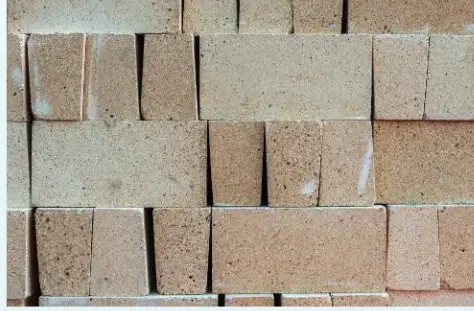
What property makes fireclays suitable for use in lining furnaces and fireplaces?
High electrical conductivity
Resistance to decomposition by heat, pressure, or chemical attack
Ability to absorb water
Flexibility at low temperatures
Which of the following are the two main categories of brick used for constructing cavity walls?
Face brick and common brick
Red brick and white brick
Clay brick and stone brick
Concrete brick and glass brick
How many courses of engineering brick are required to prevent rising damp in an outer leaf of brick masonry?
A minimum of two courses
Only one course
At least five courses
No courses are required
Explain why engineering brick is suitable for use at door and window openings. (DoK Level 3)
Because it provides effective weathering features such as projecting sills
Because it is easy to cut and shape
Because it is lightweight and decorative
Because it is cheaper than other bricks
What are coarse aggregate blocks usually referred to as?
Concrete blocks
Wooden blocks
Glass blocks
Clay bricks
In which situation would you most likely use dense concrete blocks?
For non-load-bearing partition walls
For decorative garden walls
In a cavity wall footing below ground
For roofing tiles
Which of the following materials is NOT typically used to make traditional thermal insulation blocks?
Cement
Lime
Sand
Wood
Which of the following is NOT typically included in a technical information data sheet for bricks?
Classification
Size
Colour pattern
Compressive strength
Why is it important for manufacturers to include compressive strength in the technical information data sheet for bricks?
It determines the brick's ability to withstand loads without failing.
It shows the brick's color consistency.
It indicates the brick's price.
It measures the brick's electrical resistance.
A construction project requires bricks with low soluble salt content. Which document should be consulted to find this information?
Technical information data sheet
Building permit
Project blueprint
Safety manual
Why should the mortar mix be slightly less hard than the bricks or blocks being laid?
To allow for slight movement in the masonry caused by thermal expansion or shrinkage during hardening.
To make the wall look more attractive.
To reduce the amount of mortar needed.
To make the bricks easier to lay.
Does the ideal mortar mix ratio change depending on whether it is mixed by hand or by machine?
No, the ideal ratio is the same for both methods.
Yes, it is different for each method.
It depends on the skill of the worker.
It depends on the temperature.
Which type of bricks require a weaker mortar mix ratio?
Calcium silicate bricks
Dense concrete blocks
Coarse aggregate blocks
Reinforced steel bricks
Why must the specified mix ratio be adhered to when producing mortar?
To achieve adequate compressive strength and durability.
To reduce the cost of materials.
To make the mortar dry faster.
To increase the weight of the mortar.

