
NEW
Font size
 Worksheets
Interim 1 Review
Total questions: 50
Worksheet time: 38mins
Proteins are organic molecules. What atoms do proteins have?
Carbon, Phosphorus, and Uranium
Only Carbon
Only Helium
Carbon, Hydrogen, Oxygen and Nitrogen
What atoms do nucleic acids have?
C, H and S
C, H and N
C, H, O, N, and P
C only

What atoms do all biomolecules share?
Carbon, Hydrogen and Oxygen
Carbon, Proteins, and Oxygen
Sulfur, Nitrogen and Phosphorus

Structure is the shape, size and material of something. Structure determines-
Function
Temperature
pH

Which of the following is not a function of carbohydrates?
Quick energy
Makes up cell walls of plants (cellulose)
Makes up cell walls of fungi (chitin)
Stores genetic information

Which of the following is not a function of a lipid?
Provides insulation for organisms
A major component of cell membranes
Provides long term energy storage
Speeds up chemical reactions
Which of the following is not a function of proteins?
Provides quick energy
A building block for several structures in organisms
Enzymes are proteins that help speed up chemical reactions
Are components of cell membranes

Nucleic acids store-
genetic information
energy
Which of the following does not correctly match the biomolecule with its monomer (building block)?
Protein: is made up of amino acids
Nucleic acid: is made up of amino acids
Nucleic acid: is made up of nucleotides
Carbohydrate: is made up of monosaccharides

What is structure 1 and 4?
The enzyme
The product
The substrate
The active site

What is structure 2?
The substrate
The product
The enzyme
The enzyme-substrate complex

What is structure 5?
The products
The enzyme
The active site
The substrates

How do enzymes speed up reactions?
The decrease the activation energy
The change the products made in the reaction
They do not affect the rate or speed of a reaction
They increase the activation energy

What is the activation energy?
The energy needed to start a reaction
The energy needed to start doing your work in class
The speed or rate of a reaction
Which of the following is an enzyme?
Amylase
Fructose
Peptidoglycan
Glycine

Where will this substrate bind?
At the active site
On the inhibitor
On the product
Not on the enzyme
Imagine you are a locksmith. How would you explain the relationship between the structure of a key (enzyme) and its function?
The key (enzyme) releases the energy in the lock (substrate).
The key (enzyme) reacts with the lock (substrate).
The unique cut of the key (enzyme's active site) allows it to fit with only one specific lock (substrate molecule).
The key (enzyme) interacts with the lock (substrate) like a welder building a steel skyscraper.
Most human enzymes operate under an optimal pH near neutral. Which pH range would best represent this environment?
4–6
6–8
8–10
10–12
Amylase is a biocatalyst that hydrolyzes starch into simple sugar molecules in the pancreas. Which best describes amylase?
lipid
protein
fatty acid
carbohydrate
Which statement BEST explains why enzymes bind to specific substrates?
An enzyme can be inhibited so its active site is altered.
An enzyme folds differently in the presence of different substrates.
Different amino acid sequences cause variations in the shapes of an enzyme’s active sites.
Enzyme-substrate binding is based on size so only large enzymes can bind to large substrates.
Which structures are found prokaryotes and eukaryotes?
cell membrane and cytoplasm
chloroplasts and mitochondria
a cell wall and nucleus
chloroplasts and cell wall

What type of cell has a nucleus?
eukaryotic
prokaryotic
neither
both
Where are the ribosomes attached in a cell?
Smooth ER
Cell Membrane
Mitochondria
Rough ER
Storage space for water, wastes, food, and other cellular material
mitochondria
cell membrane
cell wall
vacuoles
Stores food, water and waste
cell membrane
vacuoles
cell wall
cytoplasm
Surrounds the cell membrane in plant cells
chloroplasts
cell membrane
Endoplasmic reticulum
cell wall
Makes protein for the cell
vauoles
mitochondria
ribosomes
gametes
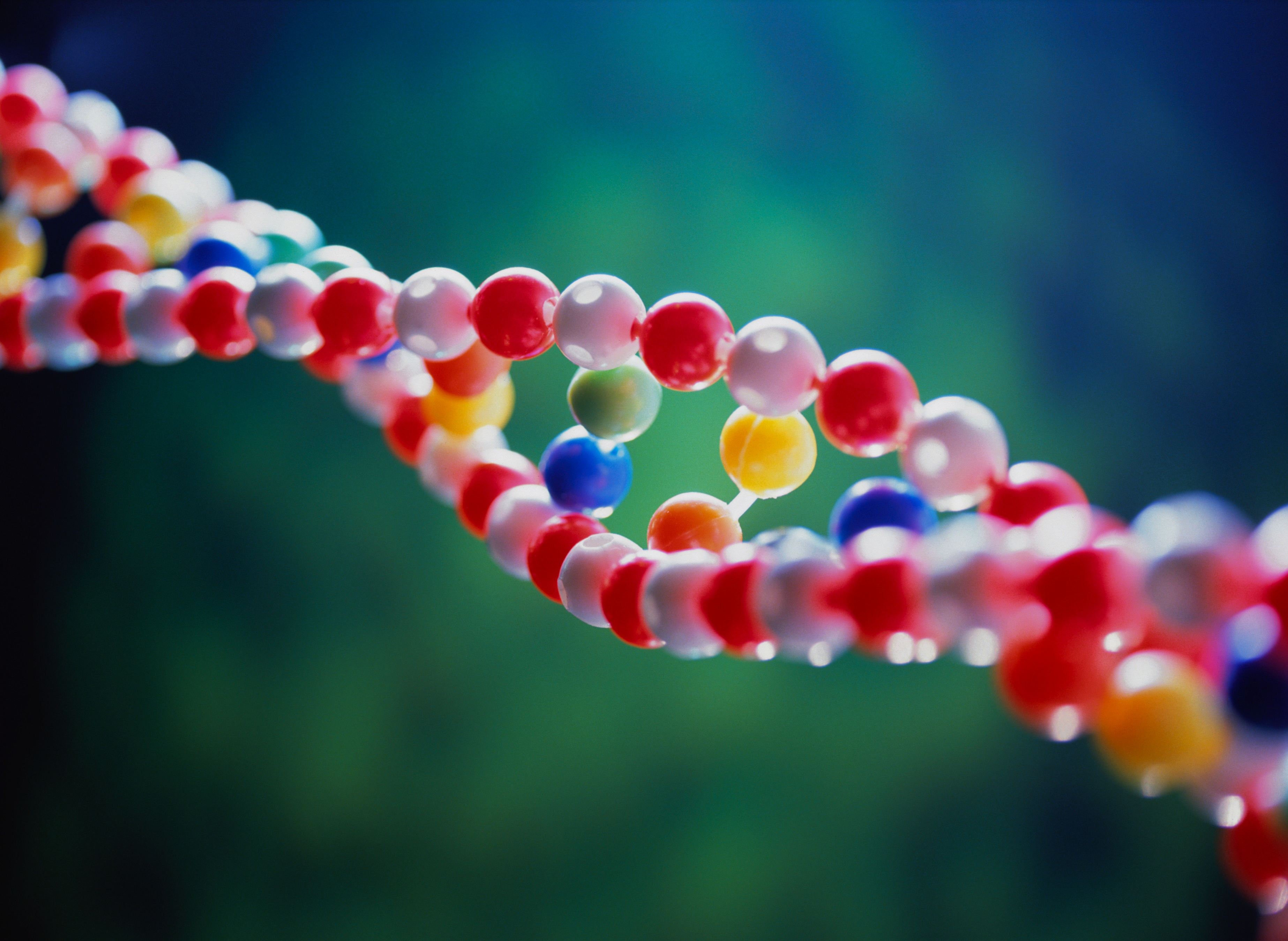
In eukaryotes, which organelle is DNA usually found in?
cell membrane
vacuole
chloroplast
nucleus



