
Font size
 Worksheets
Unit 2 Leaders
Total questions: 81
Worksheet time: 1hrs 11mins
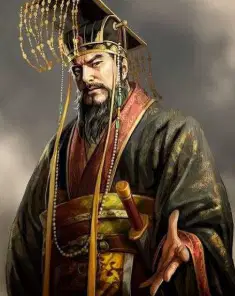
Which leader is this?
Ashoka
Ashurbanipal
Shi Huangdi
Darius
Which empire is he from?
Assyria
Greece
Persia
Qin Dynasty
What is ONE action he took as leader?
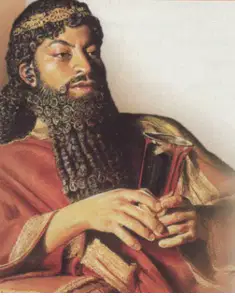
Which empire is he from?
Assyria
Macedonia
Greece
Mauryan
Which leader is this?
Ashoka
Ashurbanipal
Shi Huangdi
Darius
What is ONE action he took as leader?

Which leader is this?
Ashoka
Ashurbanipal
Shi Huangdi
Cyrus
Where is this leader from?
Greece
Assyria
Qin Dynasty
Persia
What is ONE action he took as leader?

Which leader is this?
Ashoka
Darius
Shi Huangdi
Cyrus
Where is this leader from?
Mauryan
Qin Dynasty
Assyria
Persia
What is ONE action he took as leader?
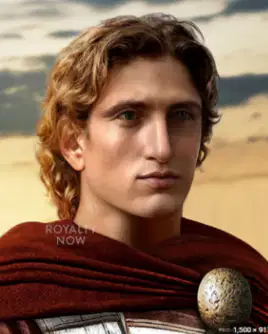
Which leader is this?
Ashoka
Darius
Alexander the Great
Cyrus
Where is this leader from?
Macedonia
Greece
Assyria
Persia
What is ONE action he took as leader?
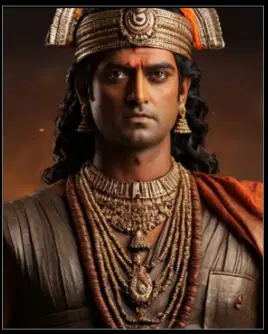
Which leader is this?
Ashoka
Darius
Alexander the Great
Cyrus
Where is this leader from?
Mauryan
Assyria
Qin Dynasty
Macedonia
What is ONE action he took as leader?
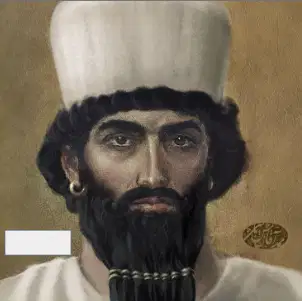
Which leader is this?
Ashoka
Darius
Xerxes
Cyrus
Which leader is this?
Persia
Assyria
Macedonia
Qin Dynasty
What is ONE action he took as leader?

Which leader is this?
Ashoka
Siddhartha
Xerxes
Cyrus
Where is he from?
Assyria
Mauryan India
Qin Dynasty
Greece
What is ONE action he took as leader?
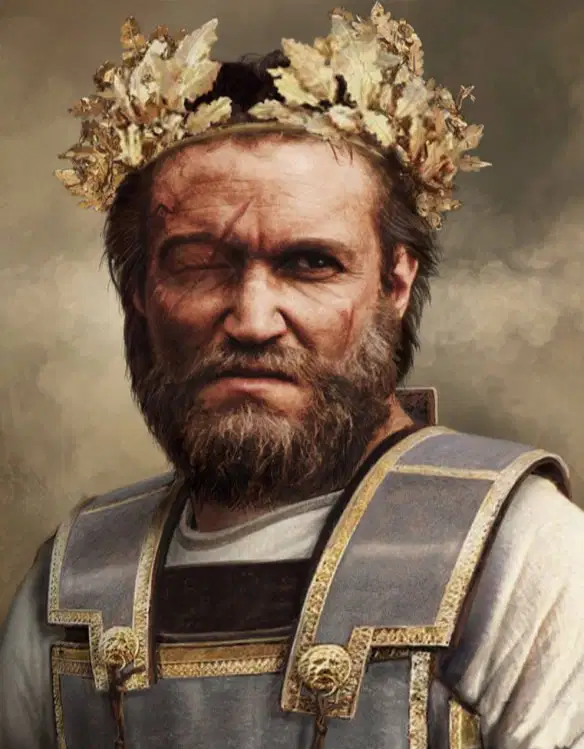
Which leader is this?
Ashoka
Siddhartha
Xerxes
Phillip II
Where is he from?
Assyria
Mauryan
Macedonia
Greece
What is ONE action he took as leader?
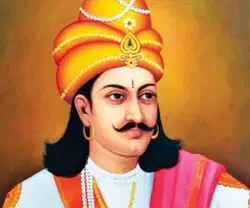
Which leader is this?
Ashoka
Siddhartha
Chandragupta Maurya
Phillip II
Where is he from?
Qin Dynasty
Macedonia
Mauryan Empire
Greece
What is ONE action he took as leader?
What is terrorism defined as?
The use of propaganda to influence people
The use of extreme fear and violence to try to achieve a goal
The use of economic pressure to change policies
The use of peaceful protests to demand change
Governor in Persia
Satrapies
Satrap
Polis
Karma
Province or state in Persia
Satrapies
Satrap
Polis
Karma
Forceful removal of a group of people from their homeland
Satrapies
Legalism
Deportation
Terrorism
Marketplace at the bottom of the hill in the middle of ancient Greek polis
Acropolis
Agoge
Satrap
Agora
The temple at the top of the hill in the middle of ancient Greek polis
Acropolis
Agoge
Satrap
Agora
People have the power to vote for who is in government
Democracy
Oligarchy
Monarchy
Tyrant or Tyranny
Government where a dictator has stolen power
Democracy
Oligarchy
Monarchy
Tyrant or Tyranny
Government under a King and Queen
Democracy
Oligarchy
Monarchy
Tyrant or Tyranny
Government under the control of a group or council
Democracy
Oligarchy
Monarchy
Tyrant or Tyranny
The soul is continuously reborn
Nirvana
Reincarnation
Karma
Dharma
You do evil, evil happens to you
Nirvana
Reincarnation
Karma
Dharma

Which Dynasty is best known for beginning the Great Wall?
Shang
Qin
Ming
Zhou

What did workers use to construct the wall during the reign of Emperor Qin?
dirt
brick
concrete
wood

Who did most of the work on the great wall?
skilled artisans
peasants and convicts
slaves captured in wars
soldiers and skilled engineers

What was the main reason Emperor Qin wanted the Great Wall constructed?
To show how powerful he was
To keep out invaders from the north
To keep the Chinese people from escaping
To punish his enemies

Who were the Xiongnu?
High level government officials in ancient China
Ancient peasants
Chinese people living in Tibet
Ferocious nomads living north of China

The Xiongnu were nomads living like "birds and animals in the wild". What are nomads?
people who have no education
people who do not have any manners
people who move from place to place with no permanent home
people who do not have a government or set of rules to live by
Where was the Great Wall located?
Along the western border
Along the southern border
Along the northern border
Along the ocean to the east
Faith adopted by Asoka during his rule
Buddhism
Hinduism
Jainism
Someone who goes on a journey to spread religious ideas
Merchant
Missionary
The culture created by Alexander's empire was called -
Macedonian Culture
Hellenistic Culture
Ptolemic Culture
Which of the following was attributed to Alexander the Great?
300 years of war in the Middle East
the spread of Greek culture
the start of a new Roman government
more rights for women
Why do we consider Alexander the Great to have been such a such a successful military leader? (pick 3)
He conquered the known world at a young age
He defeated the Persian empire
He used superior military strategies
He loved military horses
He admired Achilles
What does Hellenistic mean?
Rock-like
Greek- like
Navel power
Great teachers
Which of the following best describes Cyrus
strict dictator
religious leader
wise counselor
lazy leader
What Persian king is famous for his victory against the Spartans at the Battle of Thermopylae but ultimately failed in invading Greece in 480 BCE?
Artaxerxes
Xerxes
Darius
Cambyses
Macedonian ruer that conquers Persia.
Phillip II
Octavian
Alexander the Great
Precipices
How many provinces did Darius I divide the Persian empire into?
25
50
10
20
Who was the Persian leader, and son of Darius I, who sought to conquer all of Greece?
Cambyses
Xerxes I
Leonidas
Herodotus
What happened when Siddhartha left his palace at the age of 29?
He came back after a week of fun travels
He was recognized and celebrated everywhere he went
He never saw the outside of his palace
He saw pain and suffering for the first time
What question did Siddhartha have about life?
What is the cause of the world's suffering?
What is the meaning of life?
What should I be when I grow up?
Why do people practice different religions?
What did Siddhartha do to try to find the answer to the cause of human suffering?
He went to the library and researched.
He asked his friends and family their opinions.
He starved himself and lived an extremely basic life.
He became king so he could solve the problem of suffering.
Siddhartha was born a Prince
True
False
While sneaking out of the palace a few times, what did Siddhartha see?
a lady, a dead body, and a sick person
a man, a dead body, and a sick person
an old person, a sick person, and a lady
an old person, a sick person, and a dead body.
What is Emperor Shi Huangdi most known for?
Building the Forbidden City
Uniting China under one rule
Establishing trade on the Silk Road
Keeping China as a series of states
Which Chinese teaching most influenced Shi Huangdi’s style of rule?
Daoism
Legalism
Confucianism
Why did many people sent to work on the Great Wall not return home?
They decided to live near the wall.
They died under harsh conditions.
They ran away to other countries.
Who was the First Emperor of China?
Confucius
Wu Di
Lui Bang
Shi Huangdi
Shi Huangdi defeated...

